REVIEW · 2-DAY EXPERIENCES
1 Night 2 Days Chitwan Jungle Safari Tour from Kathmandu
Book on Viator →Operated by Couch Adventure Nepal (CAN) · Bookable on Viator
Chitwan hits you fast, even on a short trip. What I like most is the way this tour is set up to avoid chaos: the safari is organized by the host team, including Rainbow Safari people, so they don’t start until you’ve arrived at the resort. I also like the simple comfort side—reviews point to a quiet, clean resort and genuinely good food, which matters when you’re doing an early morning safari.
One thing to consider: this is a tight one-night plan. If your bus runs late, there can be barely any cushion between pickup timing and safari timing, so you may lose part of the afternoon program in some situations.
In This Review
- Key takeaways before you go
- Chitwan’s UNESCO terai setting: why this safari feels special
- From Kathmandu at 6:30 am to Chitwan: Day 1 timing that shapes the whole trip
- Tharu village, elephant stable, and sunset stick dance: what’s worth paying attention to
- The morning jeep safari: making the most of your wildlife window
- Price and value: is $155 a good deal for this short safari?
- Logistics, group size, and the bumpy-road reality check
- Who this Chitwan safari suits best (and who should think twice)
- Should you book this Chitwan Jungle Safari tour?
- FAQ
- What time is the Kathmandu pickup?
- How long is the tour?
- How much does it cost?
- What’s included in the price?
- Do I need to pay for admission tickets?
- What’s the group size limit?
- Is there a mobile ticket?
- Can I cancel and get a full refund?
- Where is the tour operator based, and who runs it?
Key takeaways before you go
- Host-led timing: the safari won’t start until the group is at the resort (Rainbow Safari coordination helps).
- Good value package: transport, jeep safari, and all three meals are included for the price.
- Tharu culture as a real stop: Tharu village visit, elephant stable, and a Tharu stick dance at the sunset viewpoint.
- Wildlife chances are credible: some groups report deer, rhinoceros, and elephants during the jeep safari.
- Small group feel: maximum of 20 travelers, which usually means easier flow than big bus tours.
- Early start from Kathmandu: pickup is at 6:30 am, so plan your morning around it.
Chitwan’s UNESCO terai setting: why this safari feels special
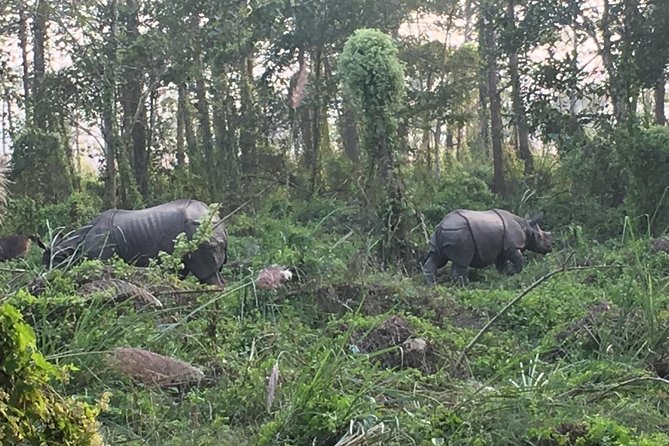
Chitwan National Park is famous for one-horn rhinos and Royal Bengal tigers, but the real hook is the environment itself. It sits at the foot of the Himalayas and covers subtropical lowland (terai) country, which is a very different world from Nepal’s hill-and-valley scenery.
The park was added to UNESCO World Heritage in 1984, and that matters because it’s one of the last surviving examples of the natural terai ecosystem. Translation for your trip: you’re not just driving from one viewpoint to another. You’re spending time in a living habitat where the landscape, the vegetation, and the animals all “match” each other.
If you’re coming from Kathmandu, the change in air and weather tone can feel dramatic—even before you see anything wild.
You can also read our reviews of more evening experiences in Kathmandu


From Kathmandu at 6:30 am to Chitwan: Day 1 timing that shapes the whole trip
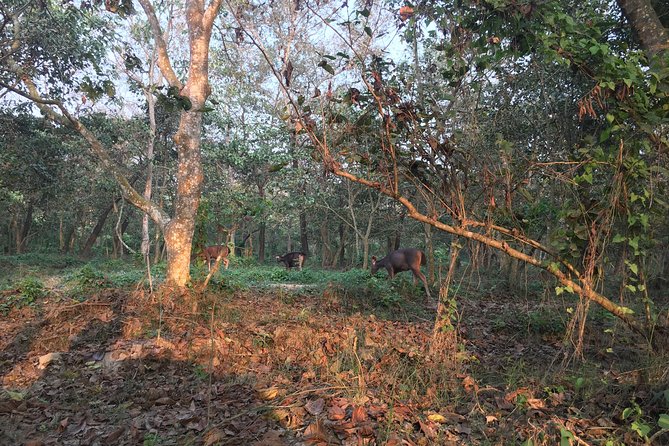
Day 1 starts early. You’ll be picked up from your hotel at 6:30 am and transferred to the bus station, then you’ll travel by tourist bus to Chitwan. The admission ticket is listed as free in the tour info, and the overall day is built around getting you settled quickly once you arrive.
When you reach Chitwan, you’re transferred to the resort. You get time to refresh, then lunch is included. After that, the afternoon and early evening are about “context” stops:
- Tharu village visit
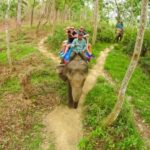
- Elephant stable visit
- Sunset viewpoint with Tharu stick dance
That flow is useful if you’re new to the region. Instead of doing a safari first and learning nothing about the place, you get to understand local culture and wildlife-adjacent life right away. It also gives you something rewarding even if wildlife sightings are quieter later.
The tradeoff is time pressure. Because this is a one-night version of a safari trip, the whole schedule depends on your bus arriving on time and the host team keeping the plan moving. If you prefer a calmer pace, you might want to consider longer safari options elsewhere—but if you like efficiency, this format can work well.
Tharu village, elephant stable, and sunset stick dance: what’s worth paying attention to
The Tharu village visit and the elephant stable stop aren’t just checkboxes. They help you connect the safari experience to the human side of Chitwan’s terai life.
Here’s what I’d watch for, even if you’re not a “cultural show” person:
At the Tharu village
Look for how daily life ties to the local setting. Your goal isn’t to collect photos; it’s to notice small details—how people explain their traditions and how the community is organized around their environment.
At the elephant stable
This stop can feel emotionally powerful, even when it’s brief. Stay respectful and listen to what the guides explain. If you have strong opinions about animal tourism, this is the moment to set your expectations and ask questions about how animals are handled in that specific place.
At the sunset viewpoint with Tharu stick dance
Even if you’ve seen cultural performances before, this timing is smart: it’s tied to the evening light and the Chitwan mood. The stick dance in particular is one of those “you get it instantly” events. If you want the energy of a performance without a long sit-down show, this timing helps.
Also, the tour includes dinner on Day 1 and breakfast on Day 2, so you’re not squeezing meals between activities. That sounds basic, but on short safari trips it’s a big deal.
The morning jeep safari: making the most of your wildlife window
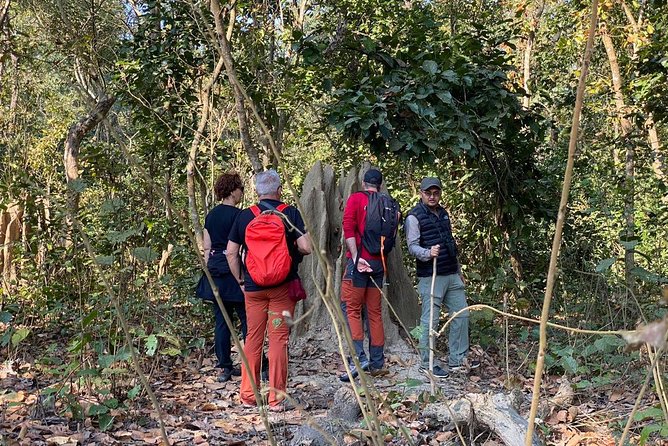
Day 2 centers on the jeep safari in the morning. That’s your main wildlife moment, and the morning slot is common for a reason: animals often feel more active during the cooler hours.
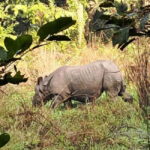
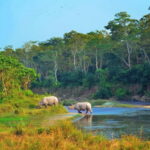
Some groups in this tour package have reported sightings including deer, rhinoceros, and elephants. That’s the kind of range you want from Chitwan—diversity, not just one animal.
You should also know what the schedule encourages: you’ll likely spend less time lingering and more time moving with the safari plan. That’s why having the host coordinate timing matters. If the group arrives and settles smoothly on Day 1, Day 2 tends to run cleaner.
Practical things that help on a jeep safari:
- Bring sun protection (the lowland sun can be intense once you’re out there).
- Wear shoes you don’t mind getting dusty.
- Keep water handy during the safari window.
- Bring a camera strap you trust; bumpy roads are part of the journey.
One honest note from feedback style in this kind of trip: the road transfer can be a bit rough. It’s not a reason to skip—just an argument for taking it easy with your expectations and choosing comfort where you can.
Price and value: is $155 a good deal for this short safari?
At $155 per person, this doesn’t feel like a bargain if you compare it to DIY costs. But it becomes good value when you count what you’re actually buying.
Included items in the tour package cover the expensive parts:
- Tourist bus transfer Kathmandu ↔ Chitwan
- Hotel shuttle service
- Jeep safari
- Dinner, lunch, breakfast
- Tharu village visit, elephant stable, and sunset viewpoint with Tharu stick dance
So you’re not paying separately for transport, meals, and the core safari activity. For many visitors, those “hidden costs” are what make safari days feel pricey. Here, they’re folded into a single price.
Where the value can feel lower is the tightness. If you’re hoping for maximum safari time, or if you’re connecting from another trip and can’t risk delays, the one-night structure can disappoint. In other words: you’re paying for a compact experience, not a slow, deeply flexible one.
Still, for a first shot at Chitwan—especially with cultural stops included—this can be a strong value play.
You can also read our reviews of more tours and experiences in Kathmandu

Logistics, group size, and the bumpy-road reality check
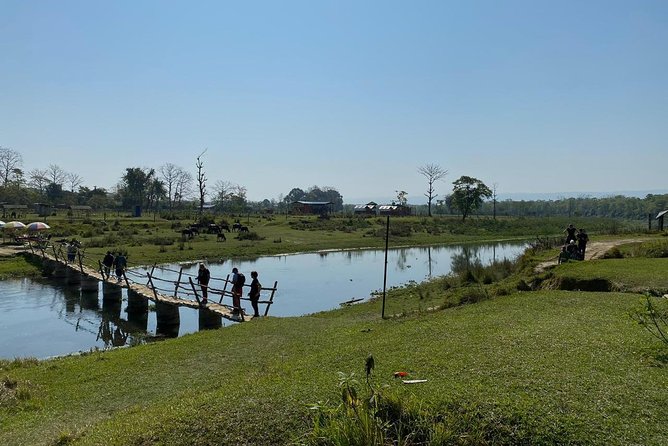
This tour runs with a maximum of 20 travelers, which is a sweet spot. Big enough to feel social, small enough that the host can manage the flow without turning it into a cattle-car operation.
Your day is built around pickup at 6:30 am and then the host-led safari timing. Reviews emphasize that this coordination is real: the operator won’t start the safari until people have reached the resort. That detail matters because it’s the difference between arriving hungry and rushed versus arriving settled.
One practical drawback is that timing is sensitive. Some feedback highlights that delays on the bus can shrink the margin between arriving and doing the planned activities. That doesn’t mean the tour is broken—it means you should treat the first day as a schedule you can’t casually ignore.
If you want to reduce stress, do these simple things:
- Keep your Kathmandu morning plan flexible. Don’t stack other tours back-to-back.
- Arrive early to your pickup point so you’re ready at 6:30 am.
- Pack a small layer for the morning and a hat for the afternoon.
The host guide experience is another plus. One named mention that stands out is Resham (a local guide), and the broader host team is described as friendly and helpful (including Ramesh in feedback). When you get a good guide, the safari becomes more than just driving around in a jeep—you start noticing what to look for and how to interpret what you’re seeing.
Who this Chitwan safari suits best (and who should think twice)
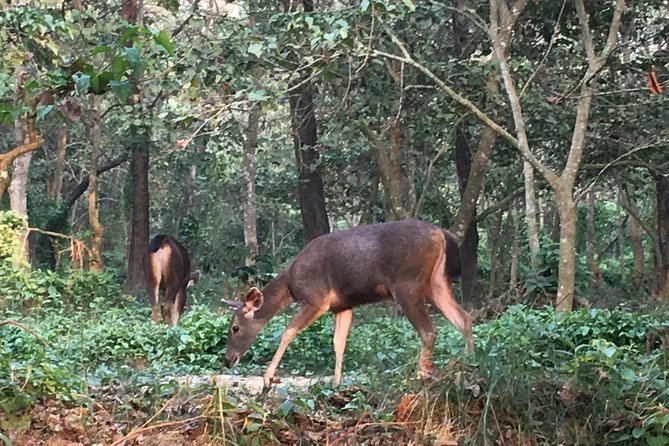
This tour is a good match if you:
- Want an efficient 1 night / 2 days safari from Kathmandu
- Like the idea of pairing wildlife with Tharu culture (village + stick dance)
- Appreciate included meals and transport that reduce decision fatigue
- Are okay with early mornings and some road roughness
You may want to think twice if you:
- Need lots of buffer time due to tight connections (because the schedule can be unforgiving if the bus is late)
- Are coming with very specific expectations that you’ll see certain animals
- Prefer a slower itinerary with more safari hours on the ground
A small but useful tip: if you care most about tiger sightings, you should ask the operator ahead of time about timing options. The tour’s basic structure prioritizes a morning jeep safari, and the operator may be able to advise what’s realistic.
Should you book this Chitwan Jungle Safari tour?
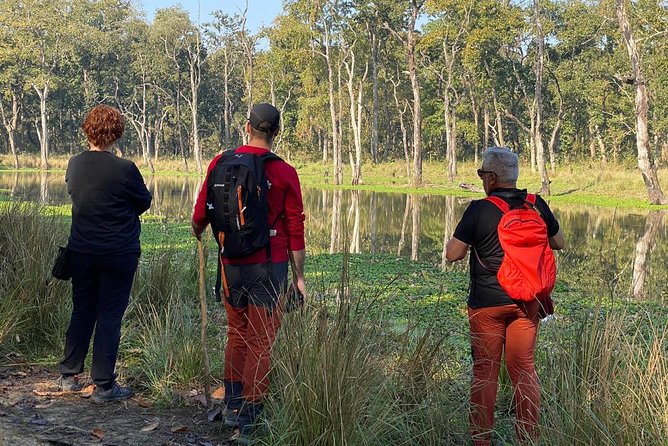
If your priority is a well-organized, value-packed introduction to Chitwan—plus Tharu village culture and a morning jeep safari—this is a solid choice. I like that the host team coordinates the safari timing, and I’d count on included meals to keep the day from turning into a scramble.
But go in with the right mindset: this is compact. You’re trading extra safari hours for smooth logistics and a full Day 1 cultural program. If you can handle an early start and you have flexible buffer time in Kathmandu, it’s very easy to recommend.
If you’re the type who hates schedule risk, or you’re traveling on a tight connection, consider a longer safari option so you’re not gambling on buses and timing.
FAQ
What time is the Kathmandu pickup?
Pickup starts at 6:30 am from your hotel.
How long is the tour?
The tour runs for 2 days (approx.), formatted as 1 night 2 days.
How much does it cost?
The price is $155.00 per person.
What’s included in the price?
It includes dinner, lunch, breakfast, hotel shuttle service, tourist bus transfer Kathmandu–Chitwan–Kathmandu, jeep safari, and visits to the Tharu village, elephant stable, and the sunset viewpoint with Tharu stick dance.
Do I need to pay for admission tickets?
Admission tickets are listed as free in the tour information.
What’s the group size limit?
The maximum group size is 20 travelers.
Is there a mobile ticket?
Yes, the tour lists a mobile ticket as part of the experience.
Can I cancel and get a full refund?
You can cancel up to 3 days in advance for a full refund.
Where is the tour operator based, and who runs it?
The experience provider is Couch Adventure Nepal (CAN).