REVIEW · HISTORICAL TOURS
Kathmandu Private Tour of UNESCO World Heritage Sites
Book on Viator →Operated by Amazing Kathmandu Tours · Bookable on Viator
Seven UNESCO stops in one calm day. This private Kathmandu outing strings together temples, palaces, and sacred sites, built for a smooth day with your own pacing and pickup, so you spend more time looking and less time figuring out logistics. It’s also designed to feel less crowded than hopping between sites on your own.
I like that the tour includes a professional English-speaking guide, so you’re not just standing in front of carvings and hoping you’ll understand them. One practical catch: entrance fees aren’t included, and if you visit all seven sites you’ll pay $48 per person in cash at the temple authorities.
In This Review
- Key highlights you’ll actually feel during the day
- How the 7 UNESCO Day Fits Into One 9-Hour Morning
- Changu Narayan Temple: Ancient Pagoda Quiet in a Forest Setting
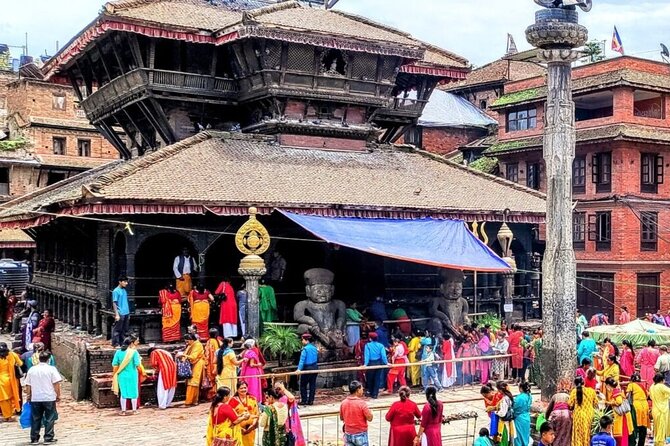
- Bhaktapur Durbar Square: Pottery Square and the Feel of a Living Courtyard
- Boudhanath Stupa: The 36-Meter White Dome and Prayer-Filled Atmosphere
- Pashupatinath Temple: Riverside Shiva Rituals on the Bagmati
- Patan Durbar Square: Lalitpur District Art That’s Meant to Be Seen Up Close
- Kathmandu Durbar Square and Hanuman Dhoka: Courtyards, Basantapur, and UNESCO-Scale Memory
- Swayambhunath Monkey Temple: Hilltop Views and the All-Seeing Eyes Dome
- Price and Entrance Fees: Where the Value Really Lands
- What the Private Format Changes for Your Actual Experience
- Small but Important Tips to Get the Most Out of the Day
- Who Should Book This Tour (and Who Might Skip It)
- Should You Book Kathmandu’s 7-UNESCO Private Day Tour?
- FAQ
- What’s the duration of the Kathmandu UNESCO private tour?
- What time does the tour start?
- Does the tour include pickup and transportation?
- Is lunch included?
- Are entrance fees included in the price?
- Is this tour private?
- Do I need to bring a mobile ticket?
- Can I cancel for free?
Key highlights you’ll actually feel during the day
- Seven UNESCO World Heritage sites packed into one 9-hour route for people with limited time
- Pickup plus an air-conditioned vehicle to keep the day comfortable between clusters
- Professional English-speaking guide who helps you connect the dots across Hindu and Buddhist sites
- Swayambhunath (Monkey Temple) stop is free for admission on the schedule, plus it’s a hilltop viewpoint
- Private format means your group only feels like a tailored visit, not a line with a timetable
- Low base price, but plan for cash entrances (total $48 if you do all seven)
How the 7 UNESCO Day Fits Into One 9-Hour Morning
Start time is 9:00 am, and the whole day runs about 9 hours. That time block matters because these UNESCO sites are spread across different neighborhoods, and transit is where a self-guided day can turn into frustration. Here, you get a single plan and a driver to move you between Kathmandu, Patan (Lalitpur District), and Bhaktapur without constantly re-checking routes.
The private setup is the real advantage. Since it’s only your group, you can go at a human speed—pause longer where you care, and keep moving when you don’t. I also like that there’s an air-conditioned vehicle, because Kathmandu traffic and heat can drain energy fast.
One more detail that’s easy to overlook: the experience is listed as having a mobile ticket. That usually means less paperwork and more time for your first stop, as long as you have your phone ready that morning.
If you’re deciding when to book, the tour is commonly reserved about 30 days in advance on average. That suggests you shouldn’t wait until the last minute, especially if your dates line up with peak sightseeing periods.
You can also read our reviews of more private tours in Kathmandu

Changu Narayan Temple: Ancient Pagoda Quiet in a Forest Setting
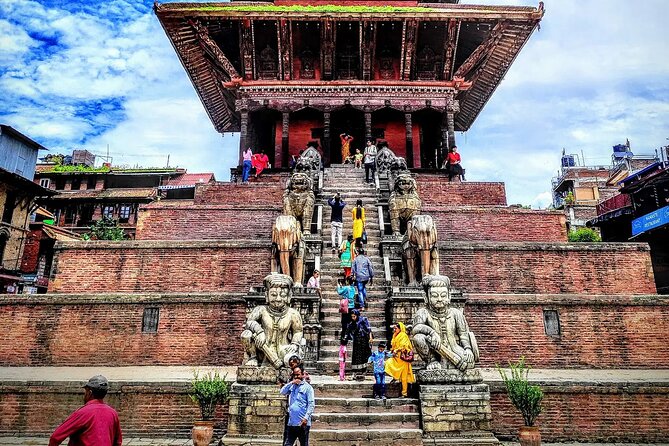
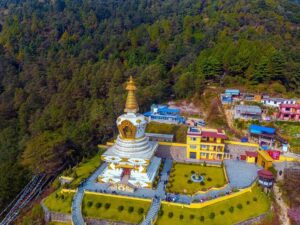
Changu Narayan is the first stop, and it sets the tone. You’re going to Changu Narayan Temple, described as the oldest temple in Kathmandu Valley, with roots in the Licchavi period (around 450–750 AD). It’s also known for being tucked away in a quieter forest area, which is a nice change from the busy city feel.
The architecture here is the hook: a two-tiered pagoda-style temple, which makes it feel older and more layered than the cleaner lines you might see elsewhere. This is also a great moment to slow down mentally. When a temple is this old, the carvings and proportions matter more. An expert guide can help you notice what to look for instead of turning your visit into a quick photo sprint.
One heads-up for your own expectations: this is a stop with a spiritual feel and historic weight, but it’s also timed as part of a full day. So treat it like a focused opener—linger with your guide’s explanations, then decide how much extra time you want before your next transfer.
Bhaktapur Durbar Square: Pottery Square and the Feel of a Living Courtyard
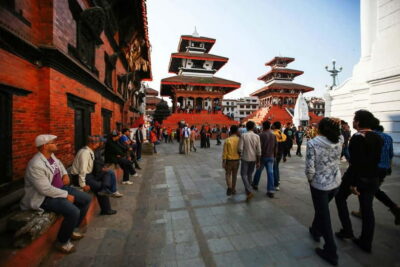
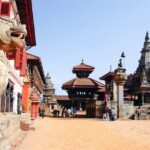
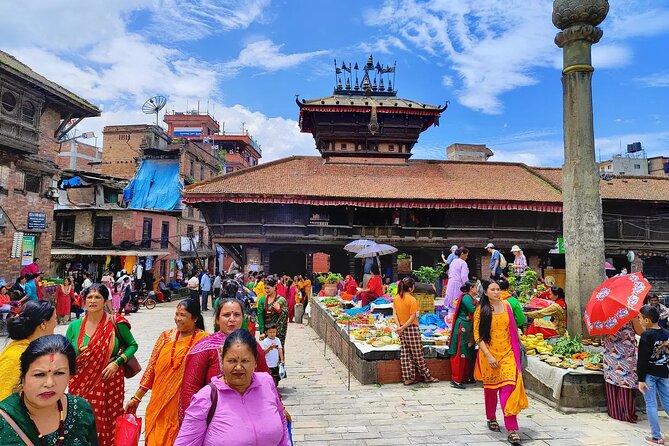
After the forest-temple start, you shift into dense urban history at Bhaktapur Durbar Square. The big win of this stop is how it’s organized. Instead of being one big monument, Bhaktapur Durbar Square is made up of several linked sections—described as four distinct squares—with places you can recognize such as Pottery Square, Dattatreya Square, and Taumadhi Square.
This layout changes how you experience the area. You’re not walking in a straight museum line. You’re moving between small hubs of architecture and activity, and that makes the place feel more like a working cultural center than a fenced-in ruin. Your guide’s job here is especially valuable, because these spaces can look similar from a distance, but the details and functions differ.
Bhaktapur’s durbar zone also rewards people who like context: why certain temples and palace elements sit where they do, and how the city grew around them. If you’re the type who enjoys reading architecture like a map, you’ll get more out of the hour you spend here than you would if you came with only a guidebook and a vague plan.
Boudhanath Stupa: The 36-Meter White Dome and Prayer-Filled Atmosphere
Boudhanath Stupa is a major Buddhist landmark in Kathmandu, and it’s often the kind of place where your eyes naturally keep lifting. The structure is described as 36 meters (118 ft) tall, topped with an eye-catching white dome covered with religious detail and surrounded by prayer flags.
Even if your time here is listed briefly in the schedule, you still get the key impact: the scale. A 36-meter stupa isn’t subtle, and your guide can help you understand why pilgrims visit this kind of monument the way they do. The prayer-flag decoration also makes it feel alive even when the crowd level fluctuates.
Practical tip: plan to be present rather than only capturing the scene. This is one of those sites where the repeated views—from different angles as you move—help you understand the whole monument faster than standing in one spot.
Pashupatinath Temple: Riverside Shiva Rituals on the Bagmati
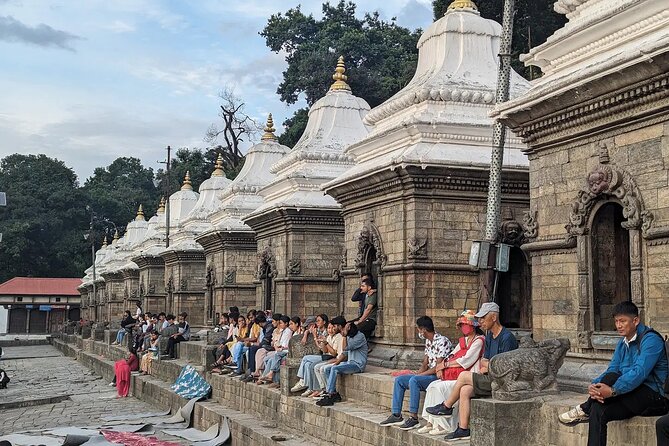
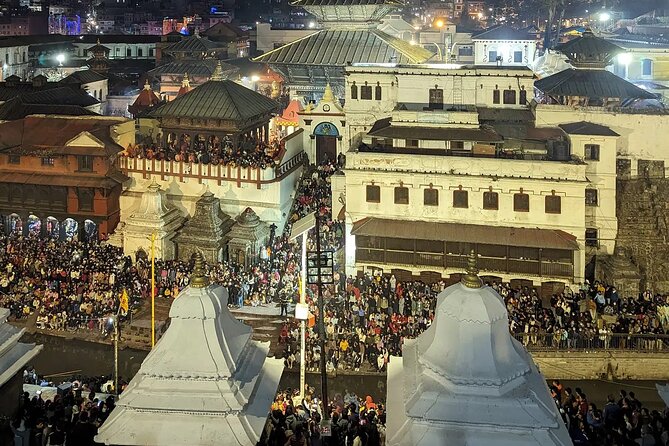
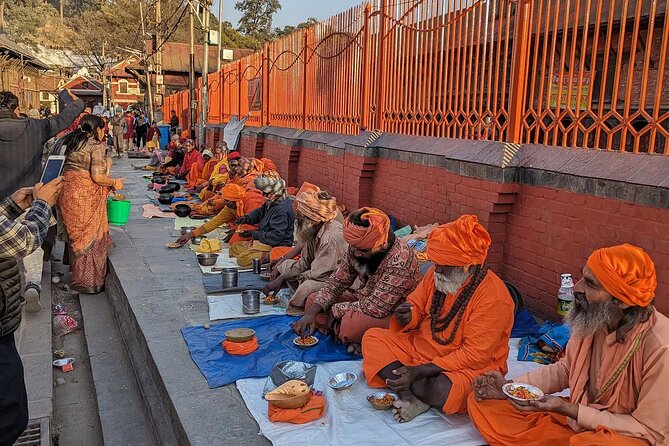
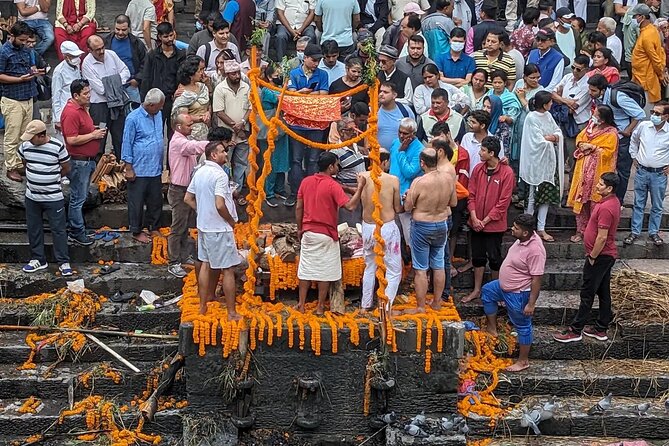
Pashupatinath Temple is the Hindu centerpiece of the day, and it’s not a place you visit casually. The temple is described as Kathmandu’s holiest Hindu shrine, dedicated to Lord Shiva, and positioned along the Bagmati River. The setting gives it its atmosphere: intense spiritual energy and riverside ritual activity right where the shrine meets daily life.
The architecture here is pagoda-style, with a style that makes the temple feel monumental without needing to shout for attention. This stop is also a reminder that sacred sites in Kathmandu often aren’t separate from the city. They’re woven into it.
Because this is a ritual-focused place, your guide’s cultural insight matters. They can help you understand what you’re seeing and what kind of behavior keeps you respectful without turning your visit into an awkward guessing game. Aim to watch and listen for cues, then ask questions rather than trying to interpret everything on your own.
You can also read our reviews of more historical tours in Kathmandu

Patan Durbar Square: Lalitpur District Art That’s Meant to Be Seen Up Close
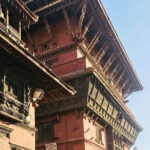
Patan Durbar Square takes over next, and it’s described as a testament to fine artistry and architectural skill. Located in the Lalitpur District, this is the kind of UNESCO site where the details reward attention: carved elements, palace-linked spaces, and the overall sense that skilled artisans shaped the city’s visual identity.
If Bhaktapur gave you multiple connected squares, Patan gives you a different flavor—more of a master-craft feel. You’ll want to let your guide lead you to the parts that matter most, because Patan’s value isn’t just the big skyline view. It’s the way the built environment creates a pattern you can follow with your eyes.
Even on a full-day schedule, the benefit of a private guided format shows here. A self-guided walk might turn into noticing random corners. With a guide, you’re more likely to understand how the spaces relate to each other and why certain architectural choices show up repeatedly.
Kathmandu Durbar Square and Hanuman Dhoka: Courtyards, Basantapur, and UNESCO-Scale Memory
Kathmandu Durbar Square is commonly associated with names like Basantapur Durbar and Hanuman Dhoka. It’s part of the broader Kathmandu Valley durbar square tradition—historical palace-adjacent centers that shaped how the city organized power, faith, and daily movement.
In the schedule, this stop is listed as a quick moment rather than a long wander. That doesn’t mean it’s meaningless. It means you should arrive ready to skim intelligently: let your guide point out the key features, then use your extra minutes only on what genuinely catches you.
Think of this as the connecting tissue stop. Patan shows you one style of craftsmanship; Kathmandu Durbar Square helps you compare and place it inside the larger Kathmandu Valley story. If you’re the kind of traveler who likes seeing how different UNESCO sites echo each other, this short stop can still land well.
Swayambhunath Monkey Temple: Hilltop Views and the All-Seeing Eyes Dome
Swayambhunath, often called the Monkey Temple, is the final major stop, and it’s described as sitting high on a hill. That elevation matters because it’s where you get the best views of the Kathmandu Valley.
The iconic feature is the white stupa area with Buddha’s all-seeing eyes, a detail that you can’t really miss once you spot it. It’s a visual shorthand for the site’s spiritual message: watchful awareness combined with a panoramic sense of the city below.
Admission for this stop is listed as free, which is a nice perk when you’re balancing the rest of the day’s entrance budget. Even if you’re just here for an hour, this is the moment where the tour feels like more than a checklist. It gives you a real Kathmandu perspective—the “how big is this city, how old is this spiritual layer” kind of feeling.
Price and Entrance Fees: Where the Value Really Lands
The base price is $47.50 per person for a private day that runs about 9 hours. On paper, that sounds like a bargain, but the real math comes from what’s included and what you’ll pay separately.
Included:
- Pickup offered
- Air-conditioned vehicle
- Professional English-speaking tour guide
- Mobile ticket
- Group discounts (when applicable)
Not included:
- Lunch
- Entrance fees: if you visit all 7 sites, entrance fees total $48 per person, paid in cash to temple authorities
So if you do all seven stops and you need the entrances, your out-of-pocket total before lunch is roughly $95.50 per person (base price plus $48 cash entrances). That’s still often competitive in Kathmandu for a private, guided, multi-site UNESCO day, because you’re paying for transport plus interpretation—not just access.
Where you’ll feel the value most:
- You have limited time and want a single, efficient route.
- You like context and would rather have an expert explain the difference between sites.
- You prefer comfort and a guided pace over chasing directions.
Where you might feel less value:
- You want to wander slowly and spend half-days at each UNESCO location. This is one-day intensity.
- You prefer to avoid cash payments. Entrance fees are specifically noted as cash to temple authorities.
What the Private Format Changes for Your Actual Experience
This tour is private in the sense that only your group participates. That matters more than it sounds.
First, it reduces waiting. In group tours, you often lose time at the exact moment you’re most interested in a site. Here, your guide can shift focus based on your energy, and your driver can keep the day flowing.
Second, it helps you move between religious worlds. Your schedule includes both Hindu and Buddhist sacred sites—temples, stupas, and durbar squares. When you’re switching contexts all day, you need someone to keep the story coherent. An English-speaking guide can do that, and the result is a day that feels like a connected narrative rather than seven separate stops.
Third, comfort counts. The route is long, and there are multiple walking segments. The included air-conditioned vehicle helps you reset between sites, especially if you’re coming from a hotel early in the morning.
If you’re celebrating, checking off UNESCO boxes, or simply trying to make sense of Kathmandu’s spiritual geography, the private format is what turns the route from a sprint into something you can actually enjoy.
Small but Important Tips to Get the Most Out of the Day
Plan for a long day. With a 9-hour schedule and lunch not included, you’ll feel better if you eat before the morning start and keep some flexibility in your schedule for a meal during the gaps.
Use the guide for comparison, not just facts. Ask questions like: why a particular temple style looks the way it does, or what a stupa’s design is trying to communicate. Your guide’s English is listed as professional, so you can ask directly and get clear answers.
Also, if you want a calmer pace, say so early. Private tours work best when you tell your guide what your ideal speed feels like. Want more time for carvings? Less time at quick stops? That’s the kind of adjustment you can request.
If you’re curious about who might be leading your day, one 5-star highlight named Pranav as the guide and Bijaya as the driver. That’s not something you can guarantee, but it is a good sign that the operator assigns people who know how to keep the day running smoothly.
Who Should Book This Tour (and Who Might Skip It)
Book this tour if:
- You want a one-day way to experience multiple UNESCO highlights without juggling separate tickets and directions.
- You value a guide who shares cultural context and can explain what you’re looking at.
- You prefer privacy and an organized route, especially if it’s your first time in Kathmandu.
- You’d like comfort between sites with an air-conditioned vehicle and pickup.
Consider skipping or looking for a different format if:
- You want deep time at fewer sites. This is intentionally efficient, not slow and reflective.
- You don’t want extra spending. Entrance fees add $48 cash per person if you go to all seven sites.
Should You Book Kathmandu’s 7-UNESCO Private Day Tour?
I think this is a smart choice if you’re balancing a short Kathmandu stay with a strong desire to understand what you’re seeing. The included English-speaking guide and the private, air-conditioned transport make a big difference when you’re trying to connect durbar squares, a major stupa, and riverside temple rituals in one day.
Just go in with your budget clear: the base price is low, but entrances are extra in cash if you do all seven. If that feels manageable and you want an efficient, guided UNESCO circuit, this is the kind of day that leaves you with a real sense of Kathmandu rather than a stack of random photos.
FAQ
What’s the duration of the Kathmandu UNESCO private tour?
It runs for about 9 hours.
What time does the tour start?
The start time is 9:00 am.
Does the tour include pickup and transportation?
Pickup is offered, and you travel in an air-conditioned vehicle.
Is lunch included?
No. Lunch is not included.
Are entrance fees included in the price?
No. Entrance fees are not included, and if you visit all seven sites the total is $48 per person paid in cash to temple authorities.
Is this tour private?
Yes. It’s private, so only your group participates.
Do I need to bring a mobile ticket?
A mobile ticket is included as part of the experience.
Can I cancel for free?
Yes, free cancellation is available up to 24 hours in advance of the experience start time for a full refund.
If you want, tell me your travel dates and whether you’re visiting with older family members or anyone who has limited walking time, and I’ll help you decide if a 7-site day fits your style.