REVIEW · ANNAPURNA CIRCUIT TREKS
Annapurna Circuit Trek
Book on Viator →Operated by Nepal Trail Finder Treks & Expedition · Bookable on Viator
One of Nepal’s great treks starts with a big switch. The Annapurna Circuit is a rare route where culture and scenery change fast, from warm, village valleys to ice-stream country and a high pass day. I like that the trip builds in real acclimatization time around Manang, and I also like that you’re supported with a government-registered guide and porter—in one account, guide Gyanu stood out for his expertise and calm, patient help.
The route also hits major spiritual and viewpoint stops—Muktinath Temple and the Poon Hill mountain panorama—so the effort has obvious payoffs. One consideration: you should plan for a demanding Thorong La Pass day at 5,416m, plus long walking days and big elevation jumps, even if you’re reasonably fit.
In This Review
- Key highlights from this trek
- Annapurna Circuit: why the trek feels like multiple trips
- Kathmandu prep: permits, packing rhythm, and a smoother start
- Day-by-day feel: getting from Kathmandu to Jagat and your first climbs
- Chame, Pisang, Ghyaru, and Manang: acclimatization with actual variety
- Ledar and Thorong Phedi: building toward the pass
- Thorong La Pass to Muktinath: the hard day and the payoff
- Kali Gandaki down to Tatopani, plus Marpha and Poon Hill views
- Pokhara and the ride home: wrap-up days that don’t drag
- What you’re really paying for: price vs. included support
- Guide and porter setup: why it matters more than people think
- Pacing, weather, and altitude: the practical reality check
- Should you book this Annapurna Circuit with Tilicho Lake?
- FAQ
- What is the duration of the Annapurna Circuit trek?
- How much does the tour cost?
- What permits and documents are included?
- Are meals included during the trek?
- Is pickup available?
- What level of fitness do I need?
Key highlights from this trek
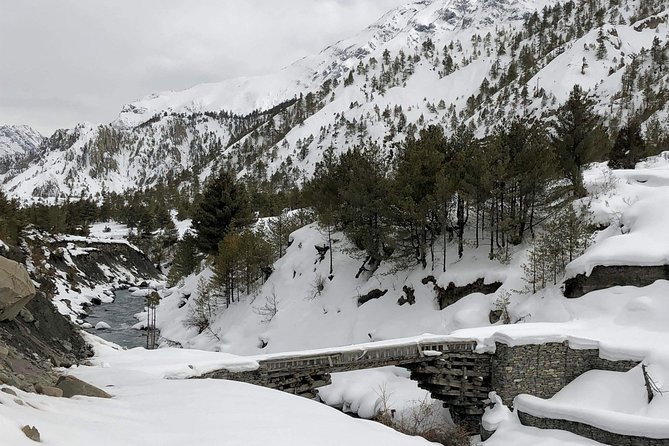
- Thorong La Pass (5,416m): the big, dramatic high point of the classic Annapurna Circuit
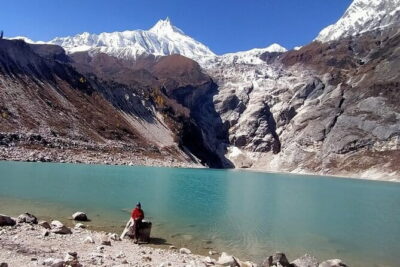
- Tilicho Lake stop: a high-altitude detour that adds a special flavor to the route
- Muktinath Temple: a major Hindu site reached after the pass area
- Tatopani hot springs: a welcome reset after trekking down
- Poon Hill + Ghorepani views: a mountain-morning payoff with 20+ peaks named in your route notes
Annapurna Circuit: why the trek feels like multiple trips
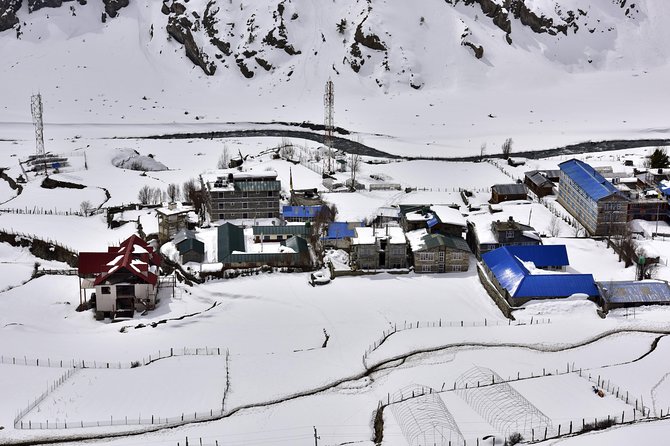
If you’ve ever wished you could do several Nepal trips in one, the Annapurna Circuit is built for that feeling. You start in lower, greener stretches with subtropical forests, paddy fields, and traditional settlements, then you work your way toward colder, drier mountain terrain and wide Himalayan views.
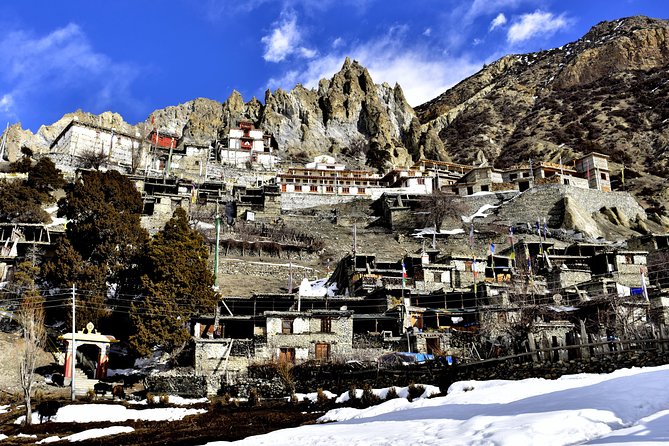
The route also follows the Marsyangdi Valley before it turns toward higher country. That matters because the walk doesn’t just get harder; it changes how the mountains look, how villages sit on slopes, and what kind of prayer flags and Tibetan Buddhist villages you see as you go higher.
You can also read our reviews of more hiking tours in Kathmandu



Kathmandu prep: permits, packing rhythm, and a smoother start
Your trip begins in Kathmandu at around 1,350m, with arrival and then sightseeing plus trek preparation. This isn’t just a “wander the city” day—you’re also setting up the logistics that make the trek itself less stressful.
A key value point here is that the tour handles TIMS cards and the ACAP permit paperwork for you. That’s paperwork you don’t want to scramble for at the last minute, especially when you’re trying to focus on rest, hydration, and getting your boots right.
You’ll also benefit from the included air-conditioned vehicle transfers tied to the trek days and city legs. On a program like this, it’s the difference between arriving tired and arriving ready.
Day-by-day feel: getting from Kathmandu to Jagat and your first climbs
After the Kathmandu setup, you’ll take a long drive to Jagat (about 9 hours, roughly 1,300m). This sets the tone: you’re going to spend time on the move, not just on the trail. So I recommend you treat the travel day like part of the training—hydrate early, eat steady, and don’t plan heroics.
Then comes your first trekking block: hiking up toward Danakyu/Dharapani (around 5 hours, reaching about 2,300m). The big win on day like this is not speed; it’s learning your pace. You’re moving into thicker altitude territory, and a guide helps keep that pace realistic.
From there you continue up to Chame (about 5 hours, around 2,670m). Chame is often a signpost for the trek “locking in” as a real mountain journey. Your day-to-day rhythm becomes: walk, eat, rest, repeat—until the higher country arrives.
Chame, Pisang, Ghyaru, and Manang: acclimatization with actual variety
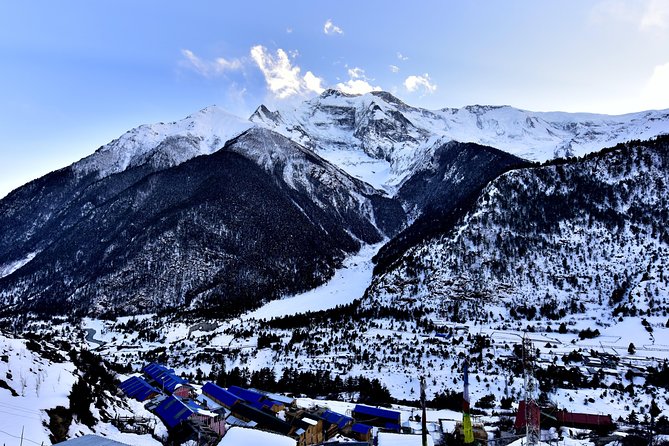
From Chame you head to the upper Pisang area (about 5 hours, around 3,300m). This stretch matters because it’s where the views start to widen and the terrain begins shifting into that higher-brow feel—more rocks, more exposed angles, and fewer lowland cues.
Next you hike up through the Ghyaru village area and continue on to Manang (about 6 hours, around 3,540m). I like that Manang is included as a longer stop and not just a passing dot on the map. You also get a rest day to explore Manang Village, which is smart given how quickly the altitude climbed by then.
That rest day isn’t wasted time. It helps you settle in, handle any small aches, and adjust to the thinner air before you push higher. If you take it seriously—slow walking, good water intake—you set yourself up for the big days later.
Ledar and Thorong Phedi: building toward the pass
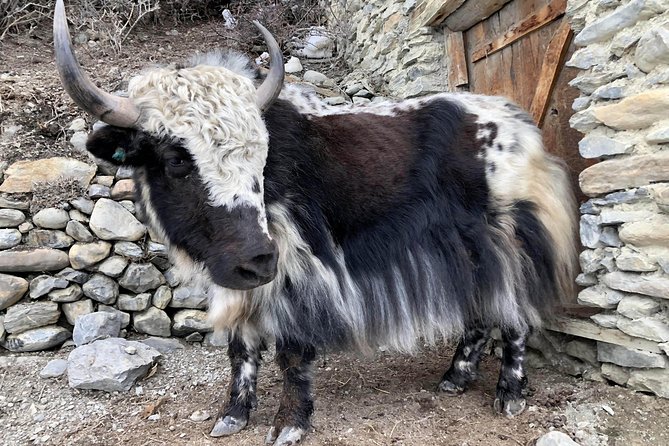
After Manang, you trek up to Ledar (about 4 hours, around 4,200m). This is where the altitude starts doing more than just “making you breathe slower.” It changes how your body feels on climbs, so pacing is everything.
Then you hike up to Thorong Phedi (about 3 hours, around 4,450m). This is basically the staging area for the pass day. I’d treat your evening here as the most important prep time of the trip: steady fuel, early sleep, and staying warm. Even with a guide’s help, your comfort choices matter.
The tour’s structure is useful because it makes you climb in steps, not one giant jump. That’s the kind of pacing that keeps you moving efficiently when the day count is tight.

Thorong La Pass to Muktinath: the hard day and the payoff
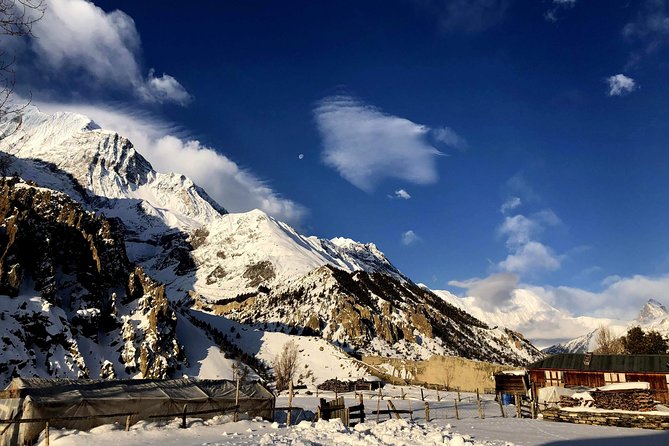
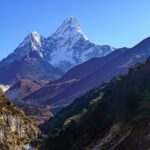
Your pass day runs long: about 8 hours to Thorong La pass at 5,416m, then you trek down toward Muktinath. This is the part of the trek where you’ll notice every earlier choice—how well you rested, how steady your eating was, and whether your layering plan worked.
And then you land in a totally different emotional zone: Muktinath Temple. The tour passes into that Hindu religious journey village setting, where the spiritual atmosphere gives the physical accomplishment a clear endpoint.
This also ties into why this trek works as a full experience. The route doesn’t only ask you to climb; it gives you a strong reason to keep going.
Kali Gandaki down to Tatopani, plus Marpha and Poon Hill views
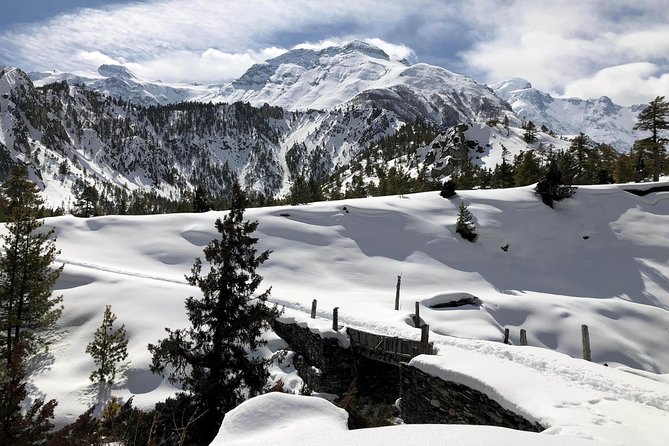
After the pass area and down through the Kali Gandaki Valley, you get a long stretch of descending travel. The Kali Gandaki corridor is famous for how deep it feels—your route notes even describe it as the world’s deepest river. Walking downhill here can feel both easier and mentally tricky, because legs get tired in a new way.
On the way, you’ll visit Marpha, a fascinating village known for a small religious community, slender cobbled roads, and apple plantations. Stops like this are why you’ll feel like you’re not just trekking through mountains—you’re walking through working communities.
Then you reach Tatopani, known for hot springs. This is one of the best “body resets” on the itinerary. Even if you don’t soak long, the heat and recovery time can make your next stretch feel more humane.
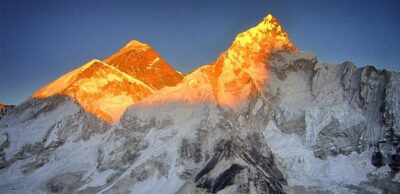
Finally, you’re scheduled for Poon Hill viewpoints, including places like Ghorepani and Gurung Hill. This is where the trip turns into pure spectacle: your route notes call out seeing more than 20 mountains across the Annapurna and Dhaulagiri ranges. It’s the kind of payoff that feels like it belongs on a separate vacation.
Pokhara and the ride home: wrap-up days that don’t drag
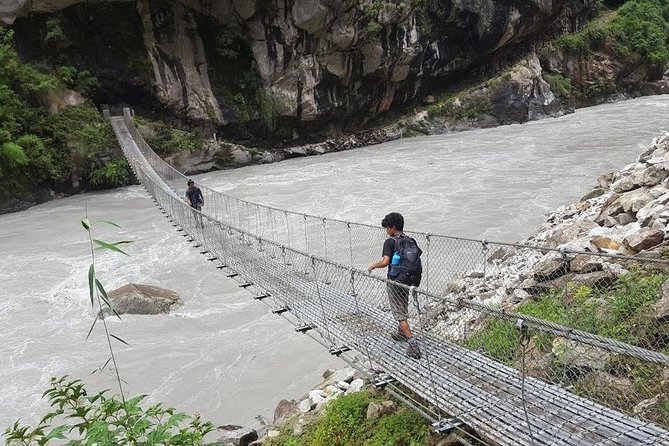
After trekking, you drive to Pokhara (about 6 to 7 hours). Then you travel back to Kathmandu by tourist bus (about 8 hours). I like that the plan gets you off the trail and into a real travel mode, rather than another day of slog without a breather.
You’ll also fly from Tribhuvan International Airport to end the trip. This matters because it keeps the overall timeline focused: you’re not stringing together extra transfers right after the hardest hiking.
What you’re really paying for: price vs. included support
At $1,175 per person for about 14 days, this is priced as a mid-range guided trek. The real value isn’t just the hiking—it’s what’s bundled so you can spend less time chasing logistics.
Included items that add real money value:
- Meals on trek days: tea/coffee with each meal, plus breakfast/lunch/dinner with menu choice
- Guide and porter support: including salaries, equipment, food, lodging, and insurance
- Permits and documents: TIMS and ACAP
- Hotels in Kathmandu and Pokhara (B/B basis)
- First aid box, farewll dinner, and a souvenir
What’s not included is also clear, and you should plan for it:
- Nepal visa fee, international airfare, and travel insurance
- Alcohol, soda/pop, snacks, and WiFi on board
- Meals in Kathmandu and Pokhara, plus personal expenses and tipping
If you want a simple way to judge value: this trip tries to remove the cost and hassle of core trek logistics (guides, permits, most meals, and key stays). You’ll still want to budget your own extras, but your day-to-day on-trail costs are largely controlled.
Guide and porter setup: why it matters more than people think
This trek is supported by a highly experienced government-registered guide and porter, with luggage carried for you. That changes the entire feel of the day. You’re still working hard, but you’re less likely to arrive at camp feeling crushed by your pack.
One of the standout points from guide-focused feedback is support that stays calm under pressure. Gyanu is specifically praised for expertise, warmth, patience, and dedication. Even if your guide isn’t named the same, the broader goal is consistent: help you hike safely, manage pace, and keep your head on straight during long altitude days.
The included first aid box also helps you feel less stranded if something small becomes a bigger issue. On a route with a high pass, that kind of readiness matters.
Pacing, weather, and altitude: the practical reality check
This experience requires good weather, and the plan acknowledges that. In high mountain trekking, weather isn’t a side note—it can directly affect comfort, timing, and safety. So you should arrive with flexible expectations and a willingness to slow down if conditions aren’t cooperating.
Physically, the trek is for travelers with moderate physical fitness level, but the elevations are real: you’re moving up through many altitude steps, topping out at 5,416m. Moderate fitness plus smart pacing can work, but you still need to respect the climb. If you try to out-hustle the altitude, it will collect its payment.
Also keep this in mind: your schedule includes rest and staging days (like the Manang rest day and the Thorong Phedi lead-in). Use them well. Rest isn’t a luxury here; it’s part of your success plan.
Should you book this Annapurna Circuit with Tilicho Lake?
You should book if you want the classic Annapurna Circuit arc with big-name highlights—Thorong La Pass, Muktinath, and Poon Hill mountain views—plus the added high-altitude element of Tilicho Lake. The itinerary is built to change scenery in a satisfying way, not just pile on distance.
You might skip this specific option if you’re looking for a purely light walking trip with minimal altitude stress. The pass day is long, and the route includes high points where weather and pacing can matter a lot.
My vote: if you’re ready to trade comfort for real Himalayan moments, and you want a guided, well-supported setup that handles permits and key logistics, this is a solid choice.
FAQ
What is the duration of the Annapurna Circuit trek?
The trek is listed as 14 days approximately, starting with arrival in Kathmandu and ending with a flight from Tribhuvan International Airport.
How much does the tour cost?
The price is $1,175.00 per person.
What permits and documents are included?
The tour includes all necessary documents and paperwork, including TIMS cards and an ACAP permit.
Are meals included during the trek?
Yes. Coffee and/or tea are served with each meal, and you can choose breakfast, lunch, and dinner from menu options in each place. Meals in Kathmandu and Pokhara are not included.
Is pickup available?
Pickup is offered, and the trip includes air-conditioned vehicle transfers for parts of the itinerary.
What level of fitness do I need?
The experience notes a moderate physical fitness level as appropriate. You’ll also be trekking at significant altitude, including a pass day at 5,416m.