REVIEW · FOOD
Kathmandu Food Tour
Book on Viator →Operated by Queermandu | Gay Tours Nepal · Bookable on Viator
3 hours, a smart way to taste Kathmandu. You’ll work your way through classic street foods like Bara lentil pancakes and the fig-shaped Yomari filled with molasses, with Tibetan-style Laphing noodles showing up along the route. What makes this tour fun is the mix of food and place: you’re eating while your guide connects snacks to temples and the rhythms of daily life.
I love that the tour is designed around food stops instead of random wandering. I also like the practical package: snacks, bottled water, and guide support (an English-speaking guide plus a Nepali-speaking guide listed as part of the experience) so you get more than just a bite and a photo.
One thing to plan for: monument entry may cost extra. The schedule notes that admission tickets are not included at least at one major stop, so keep a little cash for tickets if you want to go inside.
In This Review
- Key Highlights You’ll Feel Right Away
- A 3-Hour Kathmandu Food Tour That Links Street Food to Sacred Corners
- Price and What’s Included in the $32 Deal
- Asan Market: Bara, Yomari, and the Logic of Eating in Kathmandu
- Basantapur Durbar Square and Hanuman Dhoka: Temples While You Eat
- Thamel After the Tastings: Shops, Eateries, and Street Energy
- Guides, Language, and How Stories Make the Food Land
- Pacing, Walking, and Who This Tour Fits Best
- Practical Tips So You Can Eat Comfortably
- Should You Book the Kathmandu Food Tour?
- FAQ
- How long is the Kathmandu Food Tour?
- How much does the tour cost?
- Where is the tour located?
- Is pickup offered?
- Do I get a ticket on my phone?
- What’s included in the price?
- Are admission tickets included for the sites?
- What food items are featured?
- How many people are in a group?
- What is the cancellation policy?
Key Highlights You’ll Feel Right Away

- Asan market tastings with multiple food stops clustered in one area
- Nepali and Tibetan flavors such as Bara, Yomari, and Laphing noodles
- Basantapur Durbar Square UNESCO stop tied to the old royal core of Kathmandu
- Thamel stroll after the tastings for shops, eateries, and street atmosphere
- Small group size with a maximum of 15 people, so questions are easy to ask
A 3-Hour Kathmandu Food Tour That Links Street Food to Sacred Corners
Kathmandu can feel like sensory overload at first. This tour gives your senses a script: eat, walk, listen, and then eat again. The payoff is that the city’s food culture doesn’t live in a separate lane from its temples and heritage.
The pacing also matters. At around 3 hours, you get enough time to try several dishes and still see the neighborhoods without it turning into a full-day schedule. If your Kathmandu days are tight, this is a way to make your limited time count.
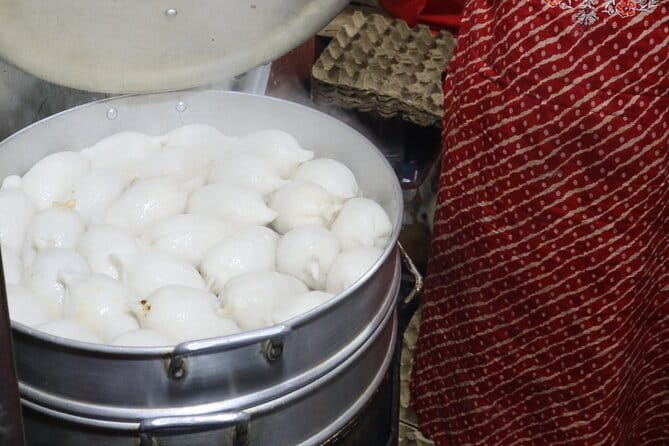
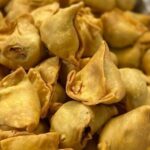
And yes, the food list is the main event. You’ll be aiming for Bara, Yomari, and Laphing as core items, which is a great spread: savory lentil pancakes, a dessert-style dumpling filled with molasses, and spicy Tibetan-style noodles.
You can also read our reviews of more food & drink experiences in Kathmandu
Price and What’s Included in the $32 Deal
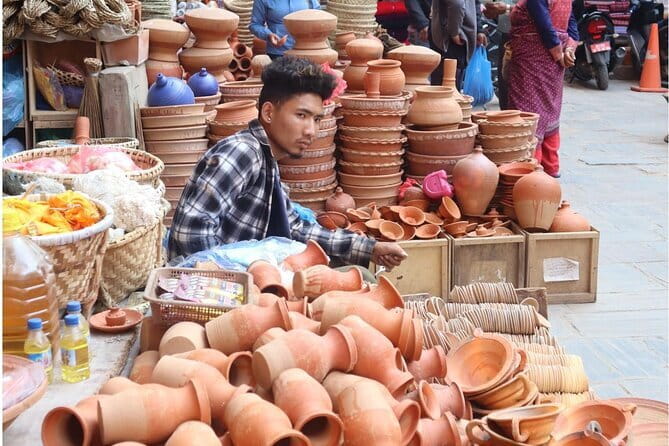
At $32 per person for about 3 hours, the value comes from structure. You’re not just paying for ingredients; you’re paying for a guided route through food areas and cultural sights, plus built-in tastings and logistics that reduce guesswork.
What you get included is straightforward:
- snacks as part of the walking route
- bottled water
- an English-speaking tour guide
- a Nepali-speaking guide listed as part of the experience
Pickup is also offered. For a city where you may be figuring out distances and side streets, pickup can shave off stress.
What’s not included is also important to know. The tour notes that admission tickets are not included for at least one stop, and all fees and taxes are listed as not included. Translation: your base price covers the tour and tastings, but you may need to budget a little extra if you want paid entry at monuments.
Asan Market: Bara, Yomari, and the Logic of Eating in Kathmandu
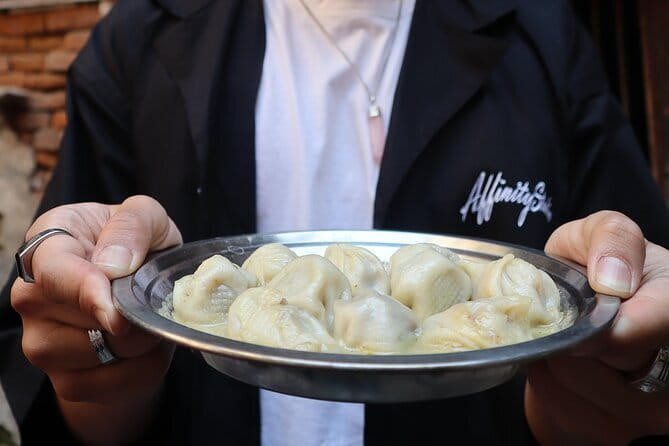
Asan is the kind of place where food is part of the street scene, not a separate attraction. This stop is built around tastings, with roughly four food stops during the market portion. That structure is ideal when you’re trying to taste several foods without getting lost or overpaying at the first stand you see.
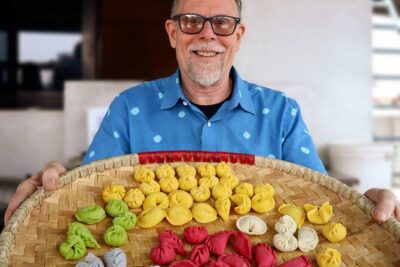
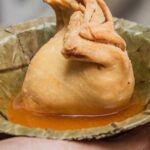
This is also where the core flavors show up. The tour description calls out Bara (lentil pancakes) and Yomari (the fig-shaped sweet dumpling filled with molasses). I like that those two sit on opposite ends of the taste spectrum—savory first, then something sweet—so your palate doesn’t get stuck in one mode.
Then there’s Laphing, described as Tibetan-style spicy noodles. Even if you’re not a heat chaser, the point here is variety. You’ll taste how Kathmandu street food pulls from different traditions, not just one style of cooking.
A practical tip for this part: come with an appetite but don’t arrive starving. Market tastings are meant to be sampled in a sequence, and if you go in too hungry, everything can taste louder than it should. If you’re arriving after a big meal, you might still enjoy the walk, but plan on leaving room for at least the key items.
Finally, Asan is also a great place to learn how locals think about snacks. Food here is quick, practical, and tied to everyday movement. That’s why the guide’s storytelling matters: it helps you understand what you’re eating and why it’s common.
Basantapur Durbar Square and Hanuman Dhoka: Temples While You Eat
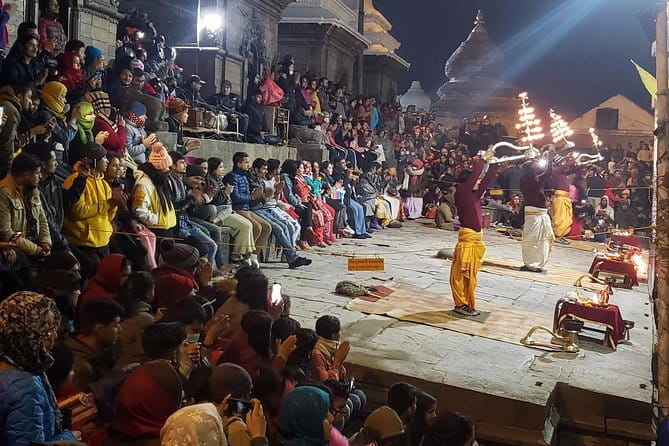
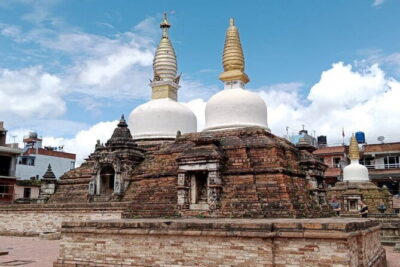
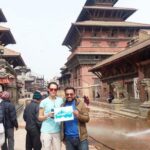
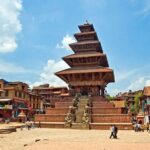
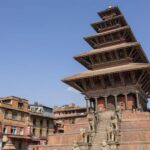
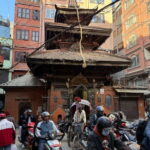
After the market, the tour shifts gears into old Kathmandu’s monument zone. Basantapur Durbar Square is described as a historical UNESCO World Heritage site and tied to Nepal’s royal past, with Newar architecture as a defining feature. That combination—architecture plus the old city layout—makes this stop feel like a time jump.
One of the nice things about including a monument stop on a food tour is that it gives your tasting meaning. When you see the complex around you, food becomes more than flavor. You start noticing how festivals, daily routines, and religious life shape what people eat and where they gather.
The schedule also points toward Hanuman Dhoka as part of what you’ll see in this area. Even if you don’t know the details before you arrive, the value is having a guide connect the dots while you’re still in “food mode,” not switching into a museum mindset.
Do note the drawback: admission tickets are not included at least at one stop. If you want to enter covered sites inside the Durbar complex, plan for that extra cost. This is the one spot where you’ll want to be clear with your guide about what’s included versus what requires payment.
Thamel After the Tastings: Shops, Eateries, and Street Energy
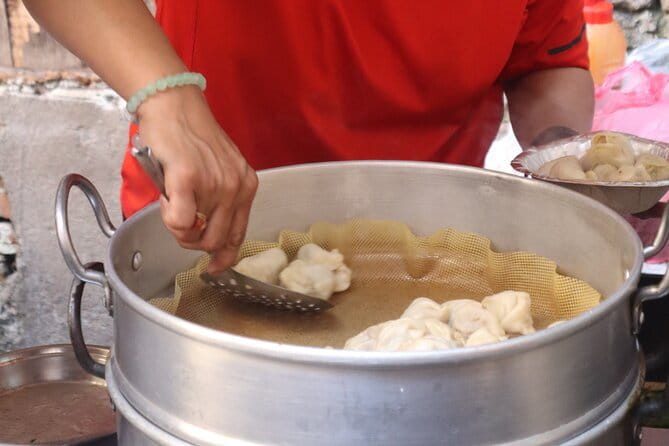
Thamel is where Kathmandu gets loud in the best way. This area is described as a hub for culture, commerce, and cuisine, and it’s packed with shops and eateries. On this tour, Thamel is a natural follow-up after Asan because you leave with food knowledge and then get to see how that food life connects to daily browsing.
I especially like the way Thamel works for first-time visitors. The streets are active, and the mix of markets and restaurants makes it easy to keep exploring after the tour ends—so you can turn the tastings into a longer food day.
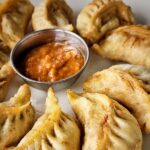
One dish worth mentioning because it shows up in the feedback is chilly chicken momos. That’s not in the short dish list from the overview, but it’s specifically called out as a highlight in one of the experiences shared. If chilly, spiced momos are your thing, this is exactly the sort of neighborhood where you’ll keep finding them.
A small consideration: Thamel can be a lot for someone who wants quiet. If you’re sensitive to crowds, treat this stop as a quick “get your bearings fast” finale. You’ll still learn how to navigate the area for later meals on your own.
You can also read our reviews of more tours and experiences in Kathmandu
Guides, Language, and How Stories Make the Food Land
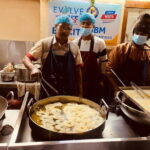
A food tour stands or falls on communication. This one lists both an English-speaking tour guide and a Nepali-speaking tour guide as part of the experience. Practically, that’s a helpful setup for explaining not only flavors, but also the local context behind what you’re tasting.
The feedback you’ll get from this tour’s approach is simple: the guide aims to show you the city with history and with their own angle. In particular, people liked that the guide could find small side spots and connect them to what they were seeing around them.
That matters because Kathmandu is full of food options. Without a guide, you might end up picking based on smell and luck. With a guide, you get a route that balances taste, location, and explanation—so you leave feeling like you understand why the food matters.
Also, small-group format helps. With a maximum of 15 people, the walk is more flexible. You can ask what something tastes like, what it’s made from, or when locals tend to eat it, without the guide being stuck rushing everyone through.
Pacing, Walking, and Who This Tour Fits Best
This experience is built around walking, with a total duration of about 3 hours. That’s usually a sweet spot: long enough to hit key neighborhoods and tastings, short enough that you won’t feel trapped in a full-day itinerary.
It’s also positioned as suitable for most participants and allows service animals. The tour is listed as near public transportation, which is useful if pickup isn’t available for you or if you want to use your own routing to get to the starting area.
Who it’s best for:
- you want a first taste of Kathmandu food with cultural context
- you like walking tours but don’t want a marathon
- you want both Nepali classics and Tibetan-influenced dishes in one outing
- you prefer a planned route over random snack hopping
Who might want to think twice:
- you don’t want to walk much in busy areas
- you’re sensitive to spice and you don’t want to ask questions during tastings
- you’d rather skip monument entry fees if they come up
Practical Tips So You Can Eat Comfortably
Here’s how I’d handle this tour like a pro.
Bring a bit of spending cash even though the tour price is fixed, because admission tickets aren’t included for at least one stop. If you’re unsure what will require entry, ask the guide at the first cultural site.
Arrive on time, but not rushed. If you’re sprinting in late, you’ll feel it during the tastings. Take a minute to settle your stomach and pace yourself.
Ask what’s spicy. The tour includes spicy Laphing, and Kathmandu street food can vary from mild to eye-watering fast. A quick question lets you manage heat without skipping the experience.
Take water seriously. Bottled water is included, which helps, but you’ll still want to sip through the walk, especially if you’re walking in warmer hours.
Use the tour as your launchpad. After Thamel, you’ll be in an easy area to find a second meal. The best value of a food tour is not just the food you eat on it, but the confidence it gives you afterward.
Should You Book the Kathmandu Food Tour?
Yes—if you want a short, focused way to taste Kathmandu and connect food to real places. This tour offers a strong mix of Bara, Yomari, and Laphing, plus a monument stop at Basantapur Durbar Square and a finale in Thamel, all in about 3 hours.
Book it if you like your travel with a plan: tastings are organized, the group is small, and the guide helps you understand what you’re eating rather than leaving you to guess.
Hold off if you hate walking, or you strongly prefer fully ticketed monument access with no extra fees. The only real “gotcha” here is that admission isn’t included, so you’ll want to be ready for that possibility.
If your Kathmandu schedule includes a few hours and you want the city’s food culture to make sense fast, this is a smart bet.
FAQ
How long is the Kathmandu Food Tour?
It’s about 3 hours.
How much does the tour cost?
The price is $32.00 per person.
Where is the tour located?
The tour takes place in Kathmandu, Nepal.
Is pickup offered?
Yes, pickup is offered.
Do I get a ticket on my phone?
Yes, the tour uses a mobile ticket.
What’s included in the price?
Included are snacks, bottled water, and guide services (an English-speaking tour guide plus a Nepali-speaking tour guide is listed).
Are admission tickets included for the sites?
No. Admission tickets are noted as not included at least for one stop, and all fees and taxes are listed as not included.
What food items are featured?
The tour information highlights Bara, Yomari, and Tibetan Laphing noodles.
How many people are in a group?
The maximum group size is 15 people.
What is the cancellation policy?
Free cancellation is available up to 24 hours in advance for a full refund.