REVIEW · FOOD
Secret Food Tour – Food Bites and Sights Kathmandu 14+ Testings
Book on Viator →Operated by I. Experience Nepal · Bookable on Viator
Kathmandu is a city you taste as you walk. This 3-hour secret food tour strings together old markets, temple-adjacent back streets, and the famous shopping pulse of Thamel, with 14+ food testings built in. Two things I especially like: you get guided access to local-only eating spots (not the same menu you’ll find anywhere), and the pace is perfect for first-time orientation. One possible drawback: parts of the back alleys are not polished or clean-looking, so you’ll want to come ready.
For $35, this is a straightforward way to “learn with your mouth.” You’ll also get a mix of sights—temples, courtyards, traditional houses, and market lanes—while you eat and sip your way through Kathmandu’s food culture. If you dislike walking, or you’re very picky about cleanliness, this might feel too hands-on for your comfort.
In This Review
- Key highlights to know before you go
- A 3-hour Kathmandu food walk that actually helps you orient
- Meeting point, pickup, and how the tour flows
- Indra Chowk: spices, souvenirs, and an older side of Kathmandu
- Old market lanes, temples, courtyards, and traditional house views
- Thamel: the tourist hub that still works for local tastes
- What you’ll eat: coffee, local drinks, and 14+ tastings
- Why the $35 price feels fair (and where you should think twice)
- Practical tips that make this tour smoother
- Who should book this, and who should skip it
- Should you book this Secret Food Tour?
- FAQ
- How long is the Secret Food Tour in Kathmandu?
- What does the tour cost?
- How many food tastings should I expect?
- What’s included in the price?
- Is air-conditioned transportation included?
- Where does the tour start and end?
- Is pickup available?
- How big are the groups?
- What happens if the weather is bad?
Key highlights to know before you go
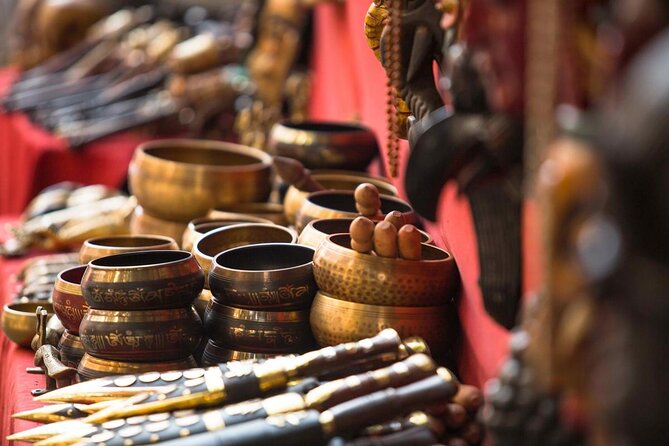
- Indra Chowk market energy: an old Kathmandu market zone, known for spices and souvenir shopping
- Temple-and-alley sight stops: you’ll pass courtyards, traditional houses, and hidden lanes between tastings
- Many tastings for the price: plan on a full meal’s worth of food and drinks
- Guides with strong storytelling: you may tour with guides like Swoyam, Jivraj, Namata, or Namrata, who explain what you’re eating
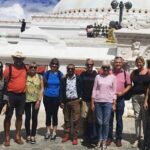
- Max group size 15: small enough to ask questions and actually talk during stops
- Weather matters: the experience requires good weather, with a different date or refund if conditions cancel it
A 3-hour Kathmandu food walk that actually helps you orient
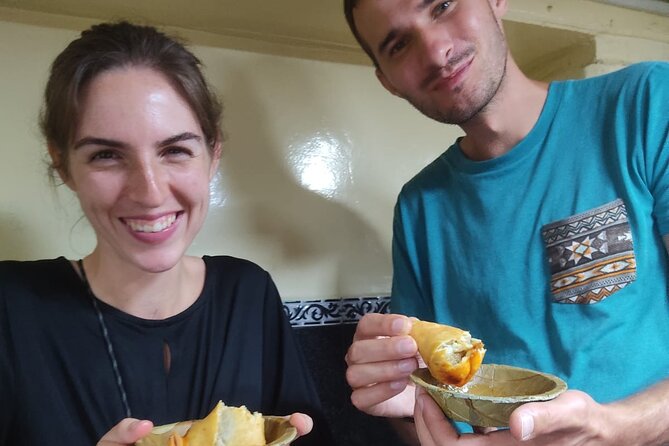
This tour is built for people who want to get their bearings fast without doing a full day of sightseeing. In about 3 hours, you’ll move between several eating stops while also seeing parts of the old city and key neighborhoods, not just standing outside restaurants waiting for photos.
The group stays small, with a maximum of 15 travelers, which matters in Kathmandu. Smaller groups tend to keep the energy moving, and it’s easier to ask your guide questions about what you’re eating and where it fits into everyday life.
If you like food tours where the guide leads you to the places locals use, this one fits that style. If you’re expecting an air-conditioned ride where you barely walk, read on.
You can also read our reviews of more food & drink experiences in Kathmandu

Meeting point, pickup, and how the tour flows
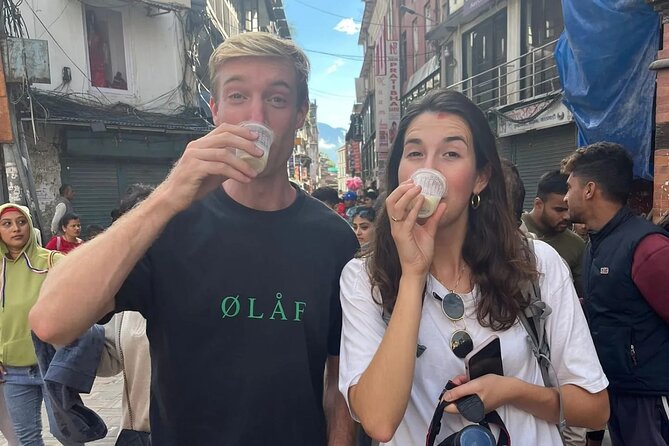
Your start point is the Purple Haze Rock Bar on Paryatan Marg, Kathmandu 44600. The tour ends back at the same meeting location, so you’re not trying to re-navigate the city at the end when you’re full.
Pickup is offered, and the tour uses a mobile ticket, so you’ll want to have your phone ready. It also runs close to public transportation, which is useful if you’re building a day around other plans.
One small practical note: some people get pre-tour communication through WhatsApp to help with timing and meeting details. Even if you don’t need it, it’s a nice bonus for reducing stress when you’re in an unfamiliar city.
And yes—there’s no promise of an air-conditioned vehicle. This is a walking-and-tasting experience, so dress for the outdoors.
Indra Chowk: spices, souvenirs, and an older side of Kathmandu
Indra Chowk is the opening scene, and it’s more than a quick stop. This is one of Kathmandu’s older market areas, and the vibe is very much about everyday shopping—especially the spice trade and the surrounding souvenir lanes.
What I like about starting here is that the market sets the tone. You’re not just sampling snacks; you’re walking through the types of places that supply the flavors you’ll taste later. The guide can point out how market life shapes what ends up on plates at home.
If you’re the type who enjoys looking closely—baskets, spice displays, shop fronts, and side lanes—Indra Chowk is where your attention will turn on. If you’re shopping-minded, you’ll also see enough around you to keep your hands from getting itchy.
The main consideration: markets can be crowded and active. Bring patience, keep your phone secured, and don’t plan on getting every detail in one pass—let the food stops keep the tour moving.
Old market lanes, temples, courtyards, and traditional house views
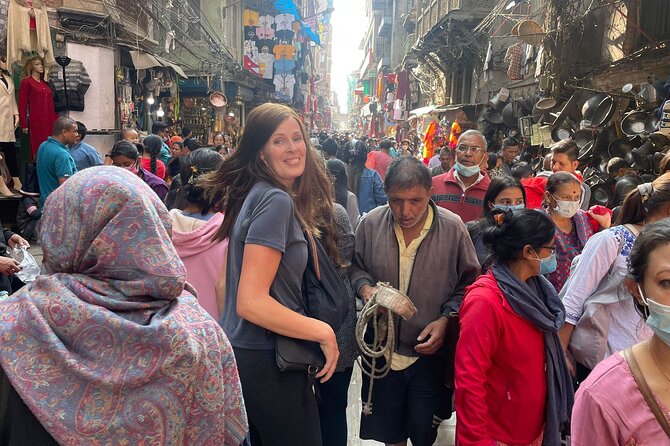
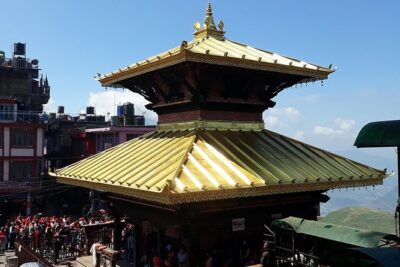
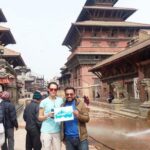
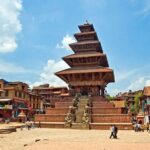
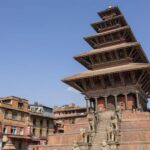
After the market start, the tour shifts into sightseeing that’s tied to the food neighborhood. You’ll see old and existing market areas, plus beautiful temples, traditional houses, hidden alleys, and courtyard spaces.
This matters because Kathmandu food culture isn’t separate from the city’s daily rhythm. Temples and neighborhood lanes aren’t just backdrops; they’re part of how people live and gather, including how they shop and eat.
A key thing to understand: some of the alley stops are not polished. One of the more honest bits from real experiences is that certain hidden spots can look a bit dirty, which can make some people nervous about getting sick. If that’s you, take it seriously. Bring hand wipes, stick to food and water practices your guide recommends, and don’t feel like you must push past your comfort level just to prove a point.
The upside is that these are exactly the lanes you’d miss on your own. You get to walk where food is part of normal life, not a staged tourist stop.
Thamel: the tourist hub that still works for local tastes
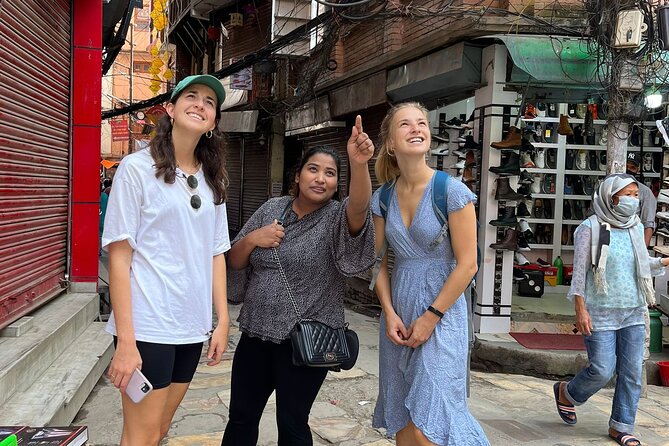
Then you head toward Thamel, which is Kathmandu’s central shopping zone and a major tourist area. Here you’ll notice the mix of handicraft, jewelry, clothing, and all the familiar market-style retail.
So why include Thamel on a “secret” food tour? Because it helps you connect two Kathmandu realities: the busy tourist corridor and the local eating patterns your guide is tracking. It’s not only about sightseeing; it’s about making sense of where the city’s visitors end up—and how you can still find local food within that flow.
If you like browsing after you eat, Thamel gives you that option at the end of your tour experience. If you’re tired and ready to stop walking, you’ll still likely have a clearer sense of where you are and how to navigate back to your guesthouse or next plan.
You can also read our reviews of more tours and experiences in Kathmandu

What you’ll eat: coffee, local drinks, and 14+ tastings
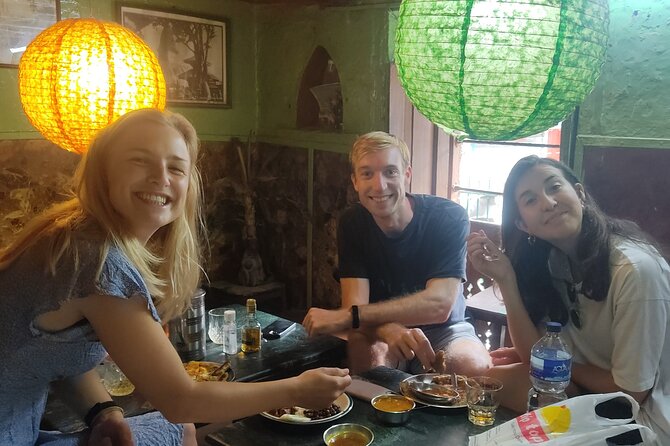
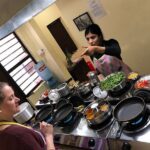
The tour is designed so you won’t leave hungry. You’ll get coffee and/or tea, plus multiple types of local food and drinks across the stops. The big message from real experiences is consistent: come with an empty stomach.
You’re likely to encounter popular Nepalese favorites along the way, including momos and possibly snacks like pani puri. But the point isn’t just to eat the usual. The tour is meant to take you into places where the food options are driven by what locals order, not what’s easiest to find on a search page.
Because the exact menu can vary by day, the smartest mindset is flexibility. If you’re adventurous with new textures and spices, you’ll get more out of it. If you’re very picky, you can still participate, but you’ll want to communicate your limits to your guide before it becomes too late in the tastings.
Also, plan your timing. A tour like this can easily eat up an entire meal slot, and you may not feel like seeking dinner right after.
Why the $35 price feels fair (and where you should think twice)
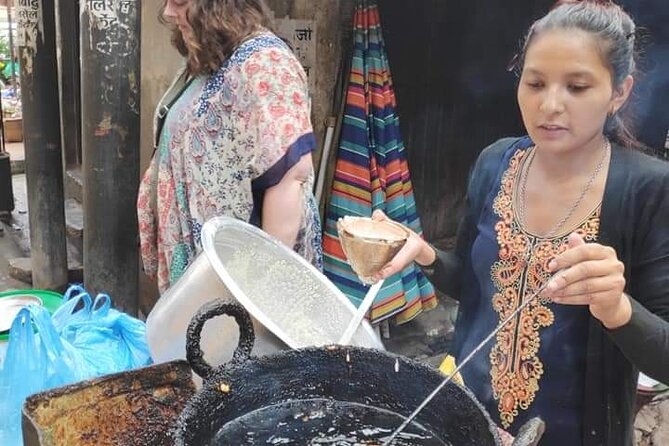
At $35 per person for about 3 hours with pickup options and lots of tastings, this is strong value for Kathmandu. The real cost-saving isn’t just the food—it’s the access. You’re paying for a guide who can point you toward food spots you’d probably never find alone, especially ones tucked into back lanes.
You’re also getting a sight component built in: market areas, temples, traditional houses, and the Thamel shopping district. That means you’re not paying extra for separate guided sightseeing in the same timeframe.
Where you should think twice is the “comfort trade.” No air-conditioned vehicle is included, you’ll walk between stops, and some of the environment around hidden eating locations may not look spotless. If you need a very controlled, clean, polished experience, this one may feel like work rather than fun.
If you want authentic everyday eating, though, the price makes a lot of sense.
Practical tips that make this tour smoother
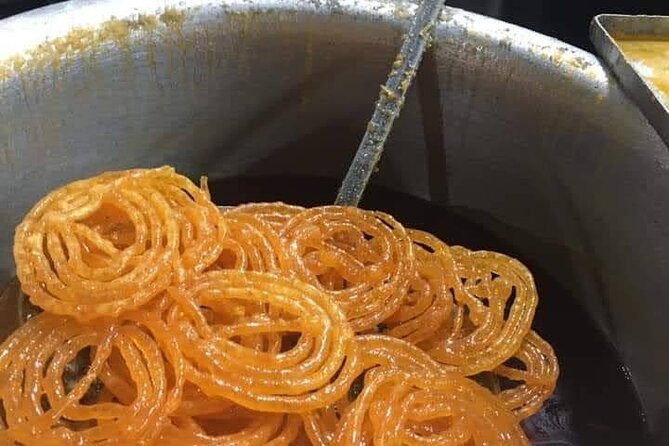
I’d treat this like an active food mission, not a sit-and-sip stroll.
- Come with an empty stomach. People consistently say you eat a lot, and that’s the whole point of the tastings.
- Bring hand wipes. This helps when you’re eating from street-style setups and markets.
- Wear comfortable shoes. You’re walking through market lanes and alleys where you won’t want to worry about foot fatigue.
- If you have diet limits, say something early. The tour is paced around tastings, so last-minute switches can be harder.
- Expect a more hands-on city vibe. Markets are active, lanes can be narrow, and you’ll be moving through real neighborhood life.
If you’re traveling with service animals, this experience allows them. And most travelers can participate, as long as you’re comfortable with walking and new foods.
Who should book this, and who should skip it
This is a great fit if you’re:
- A first-timer who wants an easy start to Kathmandu that still feels local
- A food-focused traveler who likes eating where locals eat
- Someone who enjoys markets, back streets, temples, and old-city architecture more than museum-style routes
- A traveler who likes guides who can explain what you’re eating and why it matters
You might skip it if you:
- Want an air-conditioned, minimal-walking tour
- Are very sensitive to cleanliness in small alley food areas
- Hate trying new things and need a strictly familiar menu
Also, bring a calm sense of humor. Kathmandu is not an “order and repeat” city. The best food moments often happen in the places that don’t look perfect.
Should you book this Secret Food Tour?
If you want a value-packed, small-group way to taste Kathmandu while learning your way around, I think it’s an easy yes. The standout strength is the combo of 14+ tastings with real neighborhood sights—especially the Indra Chowk market start and the old-lane walking that you’d rarely do on your own.
Book it if you can handle walking, you’re open to new foods, and you’ll come prepared with hand wipes and a clean stomach mindset. Skip it only if you need a very controlled environment or you’re uncomfortable with the look of some backstreet food areas.
If your goal is to leave Kathmandu feeling like you understand its food culture a lot better than when you arrived, this tour is built for exactly that.
FAQ
How long is the Secret Food Tour in Kathmandu?
It runs for about 3 hours.
What does the tour cost?
The price is $35.00 per person.
How many food tastings should I expect?
The tour is described as Secret Food Tour – Food Bites and Sights Kathmandu 14+ Testings, so you should expect 14 or more tastings.
What’s included in the price?
Coffee and/or tea are included, along with different types of local food and drinks.
Is air-conditioned transportation included?
No. An air-conditioned vehicle is not included.
Where does the tour start and end?
It starts at Purple Haze Rock Bar (Paryatan Marg, Kathmandu 44600) and ends back at the same meeting point.
Is pickup available?
Pickup is offered.
How big are the groups?
The tour has a maximum of 15 travelers.
What happens if the weather is bad?
The experience requires good weather. If it’s canceled due to poor weather, you’ll be offered a different date or a full refund.