REVIEW · FOOD
Kathmandu Food Crawl & Market Tour
Book on GetYourGuide →Operated by Santosh Pandey · Bookable on GetYourGuide
Food walks in Kathmandu can change your week. This 2-hour crawl is built around the oldest market in the city and a guide who connects what you eat to what you see on the streets. I like the focus on Newari cuisine staples like Yomari and Samay Baji, and I like how the stops lean into local markets instead of serving you the same tourist menu. One thing to consider: it’s a tasting walk with multiple spicy, hands-on foods, so if you have sensitive taste buds (or allergies), you’ll want to plan carefully.
You also get a real market-style experience: craft and tradition from the Newar community and other local cultures, plus chances to observe everyday life up close. The pacing is simple—meet, walk, taste, return—so you spend your time eating and asking questions, not figuring out where to go.
With pricing at $28 per person for a short, guided food outing, the value comes from what’s included: an English-speaking guide, taxes/official fees, and at least five tastings with drinks. For many people, that’s the difference between “a snack” and leaving the market with a full stomach.
In This Review
- Key points worth circling
- Ason Bazar: the oldest market stop where food and culture meet
- Chhaya Devi Complex meetup and what the 2-hour format changes
- Santosh Pandey’s English guide style, and why it helps you eat smarter
- Newari cuisine tastings: Yomari and Samay Baji without the guessing
- Street-food favorites in one walk: momo, chatamari, and laphing
- Crafts, traditions, and everyday market life you can actually see
- Price and value: $28 for a guided tasting with drinks
- Practical tips so you enjoy the spicy, messy, fun side
- Who should book this Kathmandu food crawl (and who might not)
- Should you book the Kathmandu Food Crawl & Market Tour?
- FAQ
- How long is the Kathmandu Food Crawl & Market Tour?
- Where does the tour start and where do you return?
- What does the tour cost?
- What’s included in the price?
- What’s not included?
- What food will I get to try?
- Is the tour guided in English?
- Can I cancel for a refund?
- What’s the main market you visit?
Key points worth circling
- Ason Bazar first: start where Kathmandu’s market life has been going for generations
- Newari dishes with context: you taste Yomari and Samay Baji and learn what’s in them
- Street-food variety, not just one street: momo, chatamari, and laphing show up along the way
- Crafts and traditions in the route: the walk isn’t only about food, it’s also about Newar life and trade
- Guide-led ingredient talk in English: Santosh Pandey explains what you’re eating and why locals order it
Ason Bazar: the oldest market stop where food and culture meet
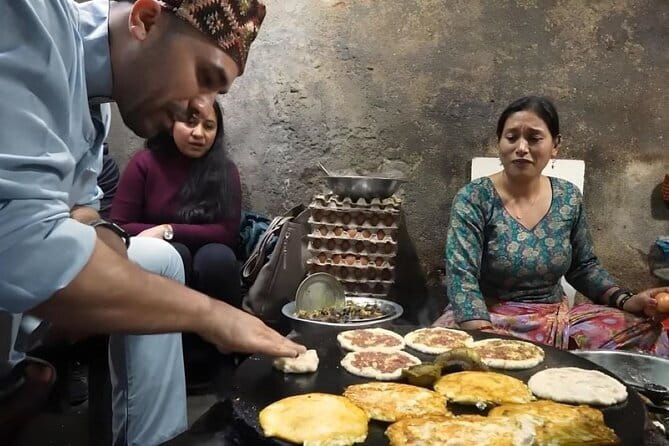
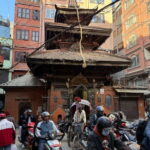
If you want Kathmandu food to make sense fast, you start with the market that locals treat like a daily hub. Here, the anchor is Ason Bazar, described as the oldest local market in Kathmandu. That matters because markets in Nepal aren’t just places to buy food. They’re where you see trades, everyday routines, and the cultural mix that shapes what ends up on a plate.
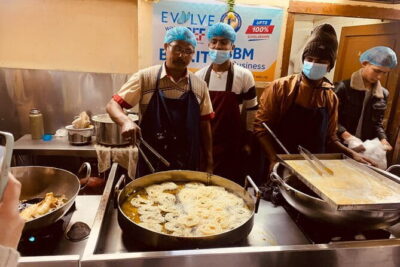
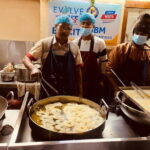
On this kind of market walk, you’ll notice the rhythm right away: stalls clustered along narrow lanes, people chatting while they shop, and food sellers who cook in ways built for speed and consistency. That’s why a guided approach helps—your guide can point out what’s worth trying and how it connects to the Newar food world.
It also gives you a better sense of the city beyond a single dish. The tour is designed so you’re tasting as you move through the market ecosystem—so the food feels like part of life, not a “performance.”
You can also read our reviews of more food & drink experiences in Kathmandu
Chhaya Devi Complex meetup and what the 2-hour format changes
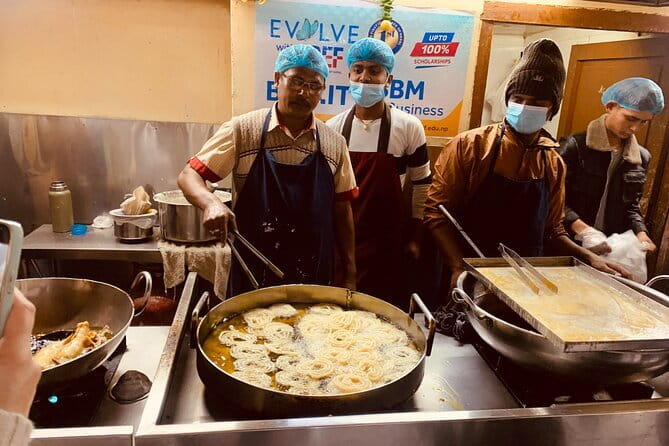
The meeting point is the main gate of Chhaya Devi Complex (often referenced as Chhaya Center). From there, you’re in the city market zone for about 2 hours of guided food stops.
A 2-hour window is a smart choice if you’re short on time but still want more than one meal. You’ll get enough stops to try multiple tastes—especially Newari classics and a few street-food favorites—without turning the outing into an all-afternoon event.
The other format win is the “walk + taste” structure. You’re not just waiting around for a table and then ordering. You’re moving with the guide, seeing the market, and trying food while everything is fresh and current. If you like active travel—short distances, frequent moments of interest—that timing works well.
Santosh Pandey’s English guide style, and why it helps you eat smarter
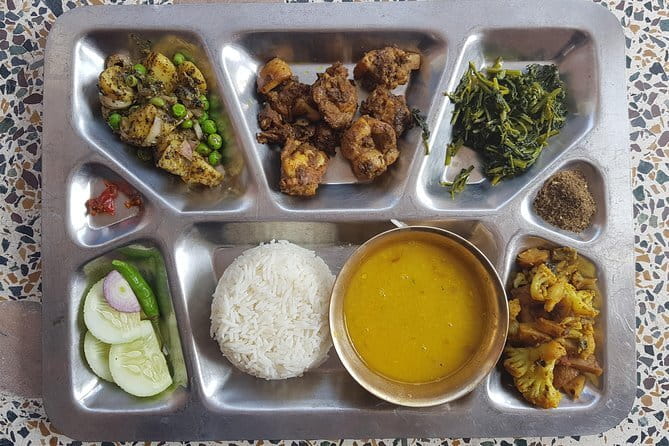
The tour is led by Santosh Pandey, and the experience is guided in English. The biggest practical benefit of a guide here isn’t only pointing you to good stalls—it’s translating the food into something you can actually order or recognize later.
You can expect Santosh to add context as you go: history and cultural notes tied to what’s on offer, plus ingredient explanations that help you understand the flavors. That matters most with dishes that don’t translate cleanly by name alone. When someone explains what’s inside Yomari or what makes Samay Baji a ceremonial platter, you’re tasting with awareness instead of rolling the dice.
It also changes how safe and comfortable the tour feels. You’re not wandering into a market with no plan. You’ve got a real person to help you navigate what to try and how to approach it.
Newari cuisine tastings: Yomari and Samay Baji without the guessing
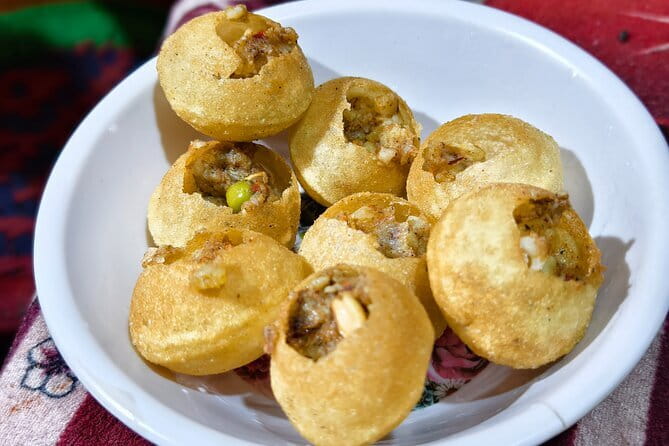
The heart of this crawl is Newari cuisine, tied to the indigenous Newar community. On the route, you’ll get tastings of dishes that show up in local food culture in very specific ways, not just as random street snacks.
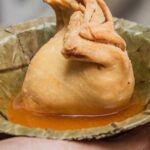
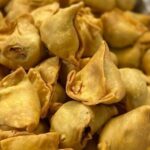
One of the featured sweets is Yomari: a steamed dumpling filled with molasses and sesame seeds. What I like about this choice is that it’s unusual enough to feel memorable, but familiar enough in texture that most people can handle it even if they’re not used to Nepali sweets.
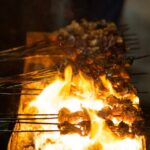
Another featured dish is Samay Baji, described as a ceremonial platter. You can expect beaten rice, spiced buffalo meat, and a variety of pickles as part of what’s served. Even if you’ve never heard of the platter before, the components make sense once you taste them together: the beaten rice provides a base, the spiced buffalo brings heat and depth, and the pickles cut through with sharp, salty tang.
The value here is that you’re not reading a menu later and hoping you guessed correctly. You’re tasting, learning what each component does, and getting a clearer sense of how Newari flavors balance sweet, savory, sour, and spicy.
Street-food favorites in one walk: momo, chatamari, and laphing
Newari dishes anchor the tour, but the street-food side is what makes it fun day-to-day eating. You’ll encounter multiple favorites, and the tour is built to let you compare variations rather than only sampling one version.
Momo is one of the key street-food items on the menu. It’s a dumpling dish with many variations, and in Kathmandu it’s a go-to comfort food. During a guided crawl, you’re tasting it in a local market setting—so you get the flavors as they’re commonly made, not watered down.
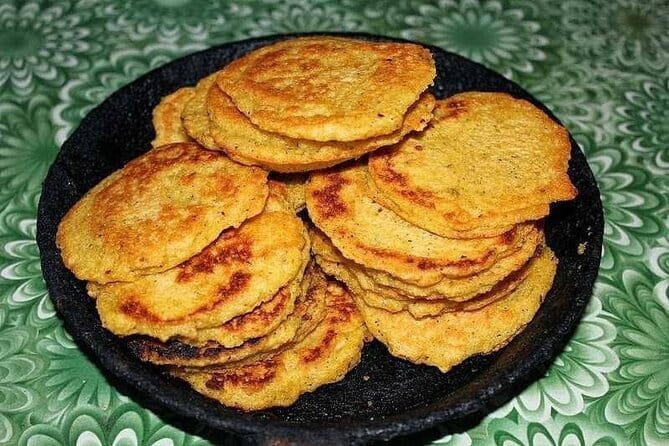
Another standout is Chatamari, often described as Newari pizza. That comparison helps you understand the idea quickly: it’s a flat, dough-like base topped and served in a way that feels like street food you can eat on the move. The “pizza” label is helpful, but the Newari identity matters here, because it comes from the same culinary tradition as the dumplings and ceremonial platters.
Then there’s Laphing: a cold, spicy mung bean noodle dish, popular with locals. This is the kind of item that can surprise you—in a good way—because it changes the temperature and texture profile from the dumpling world. If you’re heat-tolerant, it’s a great contrast stop that keeps the tour from becoming repetitive.
Because the tour includes foods and beverages (minimum five items with drinks), you’re not just tasting dry bites. You’ll have some form of refreshment while you sample multiple dishes.
You can also read our reviews of more tours and experiences in Kathmandu
Crafts, traditions, and everyday market life you can actually see
One of the tour’s strengths is that it’s not only about eating. It includes exploration of crafts and traditions of the Newars and other unique cultures. That’s a big deal in Kathmandu because the market environment shapes more than shopping. It shapes what’s cooked, how it’s sold, and how people live around it.
As you walk, you’ll have chances to touch base with locals and their lifestyle, culture, and traditions. Even when your interactions are brief, that’s the difference between a food tour and a food experience. You’re learning how food is tied to daily movement—who sells what, how people talk about taste, and how traditions show up in real life.
This part also helps you be a better eater. When you understand that certain dishes come from specific communities and occasions, you stop treating each bite like a random snack and start noticing how the flavors fit together.
Price and value: $28 for a guided tasting with drinks
At $28 per person for a 2-hour experience, the real question is: what are you buying besides a “walk to some food stalls”?
Here’s what the price covers:
- an experienced English-speaking guide
- government taxes and official expenses
- all foods and beverages, with a minimum of five items plus drinks
That package matters. If you try to copy this on your own, you’d likely spend time figuring out where to go, then pay for each meal component separately—often leaving you short on tasting variety. This tour is set up to solve that problem.
Also, the structure is designed for real sampling, not tiny “one bite” portions. The tastings are generous enough that many people feel like they’ve had a proper meal over the course of the walk. In other words, you’re not paying for the privilege of skipping dinner later.
One more value angle: guidance. Food quality in markets can vary by stall and time. Having Santosh Pandey help you choose keeps the odds in your favor.
Practical tips so you enjoy the spicy, messy, fun side
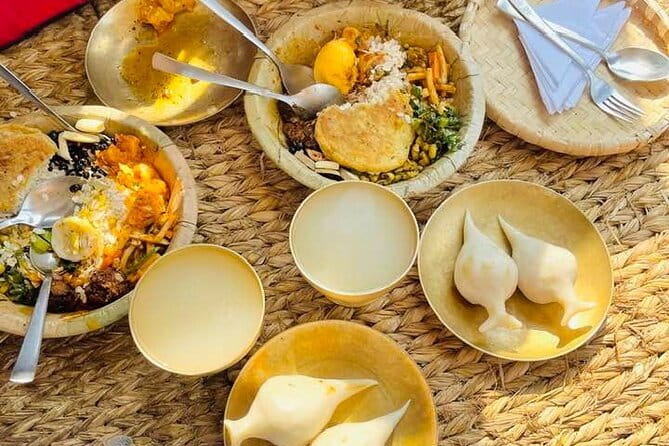
This tour includes multiple street-food and Newari dishes, and some of them are described as spicy or served with spicy components. So I’d plan like this:
- Wear comfortable shoes: it’s a market walk, and you’ll want your feet to forgive you.
- Bring an appetite for variety: dumplings, dumpling-adjacent street plates, ceremonial-style food, and cold noodles show up in one outing.
- Go easy if you’re sensitive to spice: laphing is specifically called cold and spicy, and many market foods include heat.
- Use the guide: ask what you’re tasting and how it’s supposed to be eaten. Santosh’s explanations are part of the value.
- Expect local drinks with tastings: the tour includes drinks with the food items, so you won’t be hunting for refreshments mid-walk.
Who should book this Kathmandu food crawl (and who might not)
You’ll likely love this if:
- you want to understand Kathmandu through Newari cuisine and market food culture
- you like walking through neighborhoods and learning as you go
- you want an English-speaking guide who explains ingredients and context
- you’re excited by street-food staples like momo and chatamari, plus a cold noodle dish like laphing
You might skip it if:
- you can’t handle spicy foods or you have serious dietary restrictions that aren’t addressed in the basic tour description
- you prefer seated restaurant dining over market walking
- you want a long, slow meal. This is two hours and you’ll taste more than you linger
Should you book the Kathmandu Food Crawl & Market Tour?
If you’re eating in Kathmandu for only a couple of days, this is one of the smartest ways to get variety fast. The combination of Ason Bazar, Newari favorites like Yomari and Samay Baji, and street-food staples like momo, chatamari, and laphing gives you a clear “flavor map” of what Kathmandu markets are about.
My advice: book it if you want guided tasting, cultural context, and a satisfying amount of food for the time. Skip it if you want a quiet, sit-down meal or you know you can’t handle spicy street dishes.
FAQ
How long is the Kathmandu Food Crawl & Market Tour?
The tour lasts 2 hours.
Where does the tour start and where do you return?
You meet at the main gate of Chhaya Devi Complex (Chhaya Center) and return back to Chhaya Center.
What does the tour cost?
It costs $28 per person.
What’s included in the price?
An English-speaking tour guide is included, along with government taxes and official expenses. All foods and beverages are included, with a minimum of five items with drinks.
What’s not included?
Personal expenses are not included.
What food will I get to try?
The tour focuses on Newari cuisine and Kathmandu street food. Items mentioned include Yomari, Samay Baji, momo, chatamari, and laphing.
Is the tour guided in English?
Yes, the tour includes a live English-speaking guide.
Can I cancel for a refund?
Yes. Free cancellation is available up to 24 hours in advance for a full refund.
What’s the main market you visit?
You visit Ason Bazar, described as the oldest local market in Kathmandu.