REVIEW · FOOD
Kathmandu: Food and Drink Walking Tour
Book on GetYourGuide →Operated by Maha Nepal Trips Pvt. Ltd. · Bookable on GetYourGuide
Hungry in Kathmandu, start here. In just 3 hours, I love that you get 9 samplings and a full-meal vibe, plus a local guide who explains what you’re eating as you eat it. The only real drawback: come with an empty stomach, because you’ll leave properly stuffed.
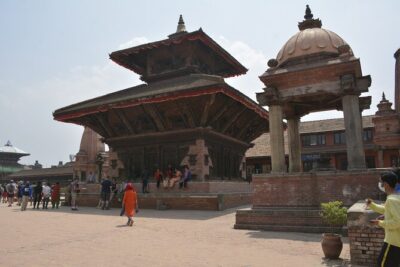
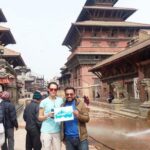
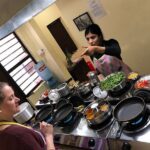
You’ll meet your local foodie guide in central Kathmandu and head into carefully chosen, clean spots—think real local restaurants and stalls, not random tourist counters. The pace is social and easygoing, with short walks between tastings and enough breaks for conversation (and photos of temples and street scenes).
If you want a simple, low-stress way to understand Nepali and Newari food culture fast, this works. And if you’re picky about spice or texture, just tell your guide early so the choices fit you.
In This Review
- Key things to love about this Kathmandu food walk
- Why Kathmandu’s food walk is a fast lesson in Newari and Nepali flavors
- Price and value: $28 that’s really a meal (with bonus stories)
- Meeting at Kaiser Library and how the 3-hour walking rhythm feels
- The lineup: noodles with soup, momos, pancakes, cookies, donuts, and tea/coffee
- Noodles with soup
- Nepali momos
- Pancake and the sweet trend shift
- Cookies and donuts
- Tea/coffee and the mid-tour reset
- Coffee and tea stops: why the drink break matters in Kathmandu
- How the guide makes “safe” feel normal, not scary
- What you learn beyond the food: dish stories and local phrases
- Social and solo-friendly: why this works even if you travel alone
- Small watch-outs: spice, seating, and planning your meal
- Who should book this Kathmandu food and drink walking tour?
- Should you book it? My practical take
- FAQ
- How long is the Kathmandu Food and Drink Walking Tour?
- How many tastings are included?
- Where do pickup and drop-off happen?
- What food and drinks are included?
- What languages does the guide speak?
- Is there a cancellation policy?
Key things to love about this Kathmandu food walk
- 9 samplings that add up to dinner-level portions in 3 hours
- Dish stories as you eat, so flavors connect to culture and context
- Clean, safe restaurants and a short safety briefing before you start
- Tea/coffee time built into the route so the walk doesn’t feel nonstop
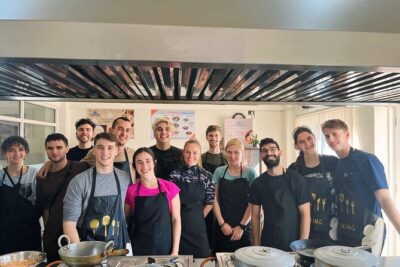
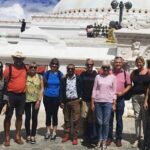
- Solo-friendly, social energy—you’ll talk with your guide and the group
- Central Thamel walking that helps you learn your way around fast
Why Kathmandu’s food walk is a fast lesson in Newari and Nepali flavors
Kathmandu food isn’t one single cuisine. It’s layers—Nepali staples, Newari traditions, and the way both show up in markets, courtyards, and neighborhood eateries. This tour is a smart way to experience that mix without needing a map, a glossary, or the confidence to pick the “right” stall.
What I like most is the balance: you’re not just chewing random snacks. You’re tasting a sequence that makes sense—savory items first, then the sweet and drink side—so the day doesn’t feel like chaos. And the guide’s explanations turn the flavors into something you can remember, not just something you ate.
You also get a street-level view of Kathmandu life. Even if your sightseeing time is short, this kind of food walk helps you understand what people actually eat, what they serve with what, and how restaurants operate in everyday neighborhoods.
You can also read our reviews of more walking tours in Kathmandu
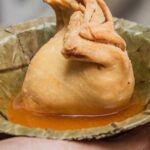
Price and value: $28 that’s really a meal (with bonus stories)
At $28 per person, this is priced like a budget tour, but it behaves like a small food experience. The big value is the combination of quantity and context: 9 samplings plus tea/coffee, and multiple traditional items—not just one “main” dish.
Here’s what makes the math work for you:
- You’re getting multiple food categories (savory snacks, dumplings, soup/noodles, sweets, plus drinks).
- The guide handles ordering and timing, so you don’t waste time figuring out menus.
- You’re tasting across different places, which is hard to do solo in a new city.
If you’re the type who usually spends money on dinners anyway, you can think of this as a “pre-loaded dinner” plus cultural orientation. Many people also like doing it early in the trip, because it helps you return later and know what to order.
Meeting at Kaiser Library and how the 3-hour walking rhythm feels
Pickup and drop-off are tied to Kaiser Library in Kathmandu. If you’re arriving on your own schedule, plan to show up a few minutes early so you can get the safety briefing and settle in before the first tasting.
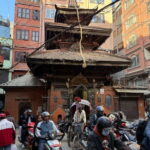
The duration is 3 hours, and that’s a sweet spot. It’s long enough to include real variety, but short enough that you don’t need to plan the rest of your day around it. The walking between stops is part of the fun: you see streets, storefront life, and the rhythm of the Thamel area where many visitors spend time.
One practical note: transportation to and from the meeting point isn’t included, so you’ll want to handle your own ride to Kaiser Library. Once you’re at the meeting point, the tour experience itself is set up to keep things smooth.
Also look for the separate-entrance setup. That’s often the difference between “wasting time” and “getting to eat on time.”
The lineup: noodles with soup, momos, pancakes, cookies, donuts, and tea/coffee
The included tastings are built around classic Nepalese bites and crowd-pleasers. You can expect at least these:
- Noodles with soup
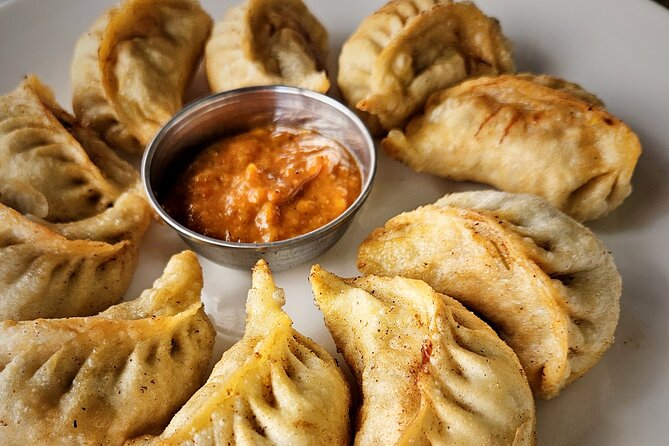
- Nepali momos (savory dumplings)
- Pancake
- Cookies
- Donut
- Tea/coffee, plus snacks and drinks
- Desserts across the route
Here’s what each one typically does for your taste experience.
Noodles with soup
This is your warm-up. Soup noodles in Nepalese style usually give you comfort and a quick read on spice, garlic/onion depth, and broth style. It’s also a good “baseline” flavor before you move into dumplings and snacks.
You can also read our reviews of more food & drink experiences in Kathmandu

Nepali momos
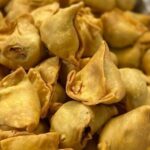
Momos are the big identity marker for a lot of Nepalese food culture. On a tour like this, you’ll likely get a few dumpling moments—so you can compare textures and fillings rather than just eat one standard plate.
Pancake and the sweet trend shift
After the savory start, the pancake tasting marks a turn toward snack-food energy. It’s usually where you notice how Nepalese cooking handles dough, griddle heat, and sweet vs. savory balance.
Cookies and donuts
These tastings keep the tour fun and approachable. They’re also a good option if you’re tired of spice after the earlier dishes. If you like coffee with a dessert bite, this is where you’ll start craving the drink pairing.
Tea/coffee and the mid-tour reset
Tea and coffee aren’t just included—they’re scheduled for a reason. A good drink break helps you slow down, talk, and digest. It also keeps the tour from feeling like a sprint from table to table.
Coffee and tea stops: why the drink break matters in Kathmandu
Kathmandu is a city of heat, dust, and big sensory input. A structured tea/coffee stop is more than a perk—it’s a pressure release valve. You’ll usually get the chance to sit, sip, and reset your palate so the next tasting hits well.
The tour includes tea/coffee time and can include a tea ceremony moment, plus coffee tasting. If you’re a coffee drinker, this is a chance to learn what people actually order in everyday life, not just what’s on a café menu back home.
What to do practically:
- Bring a tiny appetite strategy: save your strongest hunger for the next savory stop.
- If you’re sensitive to caffeine, tell the guide right away so you can balance tea vs. coffee.
- If you want to ask questions, tea and coffee time is the best window—people are calmer and menus are easier to explain.
Even if your goal is food, this drink pacing is what keeps the walk enjoyable instead of exhausting.
How the guide makes “safe” feel normal, not scary
The tour is built around clean and safe eating, with restaurants carefully chosen. That matters in Kathmandu because food options range from ultra-local to tourist-heavy, and your first day in town is when you want help the most.
You’ll also get a safety briefing before you start. That doesn’t mean you need to worry—just that you can relax and focus on tasting. The tour style is very much “eat with confidence,” because the guide handles selection and timing.
One more helpful thing: the guide’s role isn’t just food. The walking route itself teaches you where to go next. After this tour, you’ll likely feel more confident entering small shops or ordering without standing there like you’re missing the menu decode.
What you learn beyond the food: dish stories and local phrases
Food tours often tell you what you ate. This one tries to connect the dots between food and life in Kathmandu.
You’ll hear stories about each dish—where it comes from, how it’s served, and what it means locally. That kind of explanation is what turns a dumpling into a memory. You also get conversation time with your guide, who’s a local and can explain the culture through the food lens.
One small detail that can make you feel like an insider: guides may teach simple local phrases so you can chat and show effort. For example, you might pick up phrases like Mitho Chha and Irma Tasty to describe tasty food. It’s not required, but it’s a fun way to add personality to your visit.
And because this is a walking tour in central areas, you’ll also learn how neighborhoods work—how restaurants fit into the street, what people do between meals, and how a meal fits into the day.
Social and solo-friendly: why this works even if you travel alone
This tour is built to be fun with other people. You’ll walk, taste, and talk in a way that feels more like a shared night out than a checklist.
It’s especially useful if you’re solo in Kathmandu and worried about navigating busy streets. The guide leads the route, helps with ordering, and keeps the group moving at a comfortable pace. Plus, you get chances to meet both local-minded travelers and people who are new to Nepal—so conversation tends to start naturally.
The reviews also point to a consistent theme: the guide’s communication makes a big difference. With language options across English, Nepali, Chinese, Hindi, French, Japanese, Russian, German, Korean, and Spanish, you’re far less likely to feel stuck.
Small watch-outs: spice, seating, and planning your meal
This is a “come hungry” tour. It’s not subtle about it. You’ll get multiple savory tastings plus sweets and drinks, so plan your day like you’re already eating.
Here’s how to prep so nothing catches you off guard:
- Eat lightly before the tour, or skip your prior meal if you normally have a big appetite.
- If you dislike spice, tell your guide early so your tastings match your comfort level.
- Wear shoes that handle walking on uneven streets.
- Expect to be full. The end of the tour is often the point where people realize they truly ate a lot.
Also, you’ll be moving between locations on foot. If you have any mobility concerns, it’s listed as wheelchair accessible, but you should still ask what the route involves for your specific situation.
Who should book this Kathmandu food and drink walking tour?
This is a great fit if:
- You’re in Kathmandu for a short time and want quick, high-value food learning.
- You love trying dumplings, soup noodles, and Nepalese snack-food culture.
- You want a guide to handle ordering and keep you in clean, safe places.
- You want an evening-style social experience in central Kathmandu.
It’s also a strong first-day activity, because food sets the tone for everything else you’ll notice in the city. After you know what’s good and why, you’ll be more confident ordering later.
If you hate walking, don’t like trying new foods, or insist on strict dietary limits with no flexibility, you might find the “variety” part of the tour challenging. But if you communicate clearly, the guide can usually help make the tastings work.
Should you book it? My practical take
Book this tour if you want a simple way to taste Kathmandu without wasting time. For $28, you’re getting a structured, guided meal experience with 9 samplings, tea/coffee, and dish stories that make your food choices stick in your memory.
Skip it (or at least consider alternatives) if you already planned a heavy dinner, because this tour is designed to feed you. Also, if you’re extremely picky, tell the guide upfront so you’re not stuck at stops that don’t match your preferences.
If you’re curious about Nepalese and Newari food, this is one of the most efficient ways to go from curious to confident—one bite at a time.
FAQ
How long is the Kathmandu Food and Drink Walking Tour?
It runs for 3 hours.
How many tastings are included?
The tour includes 9 samplings.
Where do pickup and drop-off happen?
Pickup and drop-off are available at Kathmandu, Kaiser Library.
What food and drinks are included?
Included items are noodles with soup, Nepali momo (dumplings), pancake, cookies, donut, snacks, drinks, desserts, and tea/coffee.
What languages does the guide speak?
The guide offers interpretation in English, Nepali, Chinese, Hindi, French, Japanese, Russian, German, Korean, and Spanish.
Is there a cancellation policy?
Yes. You can cancel up to 24 hours in advance for a full refund.