REVIEW · MARDI HIMAL & PEAK CLIMBING
Mera Peak Climbing
Book on Viator →Operated by Nepal Guide Treks and Expedition P. Ltd. · Bookable on Viator
Mera Peak is big drama in a good way. This 18-day climb pairs highest permitted trekking-peak status with wide-open views of multiple 8000m giants, plus trekking through the quieter Hongu and Hinku valleys. I like that Nepal Guide Treks and Expeditions bakes in the heavy lifting—permits, an experienced guide, and necessary climbing gear—so you spend less time playing logistics roulette.
My second favorite part is the human support vibe that comes through in how the team handles chaos: snow shut down a planned pass for one group, and the plan got adjusted without feeling unsafe. The main drawback to think about is that you’re still signing up for serious altitude work, so you’ll need to take acclimatization and illness signals seriously—especially with weather and route changes possible in peak season.
In This Review
- Key things that make this climb worth your attention
- Mera Peak’s view game: why this climb feels special
- Price and what you actually get for $3,000
- Kathmandu prep: the 4 nights that can make or break your comfort
- Trekking through Hongu and Hinku: a quieter route with real wilderness vibes
- Sherpa culture at elevation: why it matters beyond photos
- The summit push: acclimatization rules you should actually follow
- Weather reality: route changes happen, and you want a team that can pivot
- Logistics that matter: group size, pickup, and time on the ground
- Gear: what’s included vs. what you still need to bring
- Who should book this Mera Peak climb
- Should you book Mera Peak with Nepal Guide Treks and Expeditions?
- FAQ
- How long is the Mera Peak climbing experience?
- Where does the trip start?
- Is pickup offered?
- What’s included in the price?
- What is not included?
- How much does it cost?
- What group size should I expect?
- What are the minimum age requirements?
- Do I need my own climbing gear?
- Can I cancel for a full refund?
Key things that make this climb worth your attention
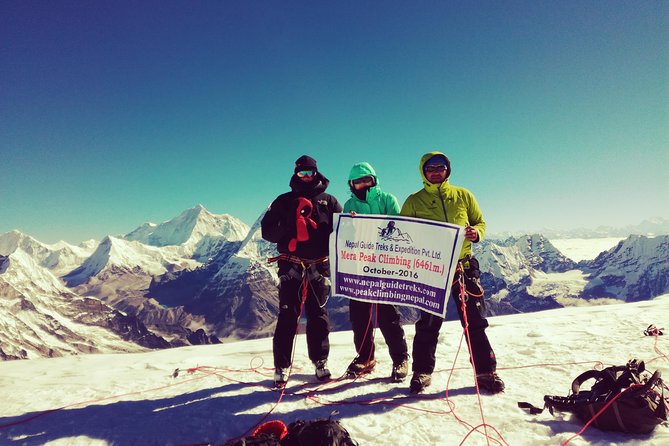
- Mera Peak status: officially the highest of Nepal’s permitted trekking peaks rising south of Everest
- Big 8000m view payoff: Everest, Cho Oyu, Makalu, Kanchenjunga, Lhotse plus more
- Wild valley trekking: Hongu and Hinku valleys with uninhabited stretches
- Support that adapts: route changes when passes close from heavy snow
- Guides and Sherpa expertise: names like Sonam Sherpa, Gelchen Sherpa, and Ming-ma show up in successful trips
- Safety-minded altitude gear guidance: ask about items like a Gamow bag if altitude emergencies come up
Mera Peak’s view game: why this climb feels special
Mera Peak (often described as the highest permitted trekking peak) sits in the Everest-region orbit without being a technical Everest-style climb. That’s the sweet spot. You get altitude goals and big mountaineering moments, but with a route plan that typically lets you focus on acclimatization, steady movement, and good decision-making.
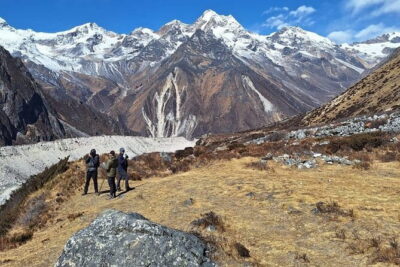
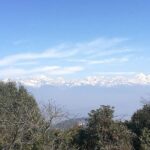
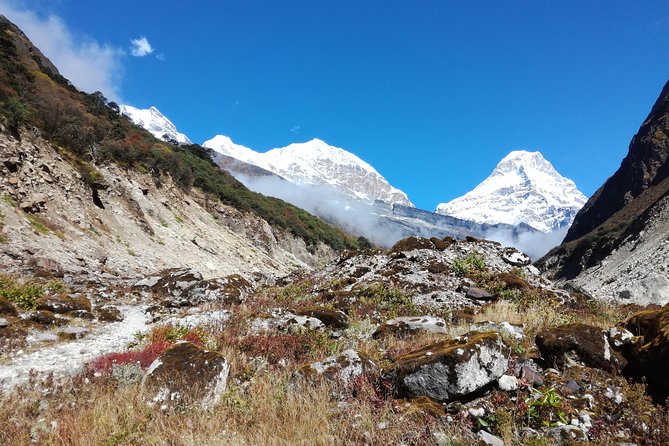
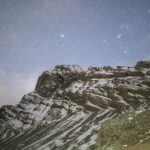
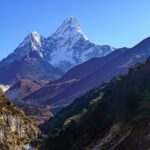
What really sells it is the view list. In clear weather, you’re looking at Everest (8848m), Cho Oyu (8201m), Makalu (8485m), Kanchenjunga (8586m), Lhotse (8516m), and other peaks inside the broader Everest region. Even if clouds ruin one panorama (they happen), the ridge-and-glacier scenery around the climb area usually gives you plenty of “how is this real?” moments.
And then there’s the off-the-beaten-path feel of the valleys. The Hongu and Hinku areas are described as wild, uninhabited, and beautiful. That matters. It’s not only about the summit photo. It’s also about walking through places that feel less “theme park Nepal” and more remote Himalaya.
You can also read our reviews of more tours and experiences in Kathmandu.
Price and what you actually get for $3,000
At $3,000 per person, this isn’t a cheap add-on. But altitude climbing is expensive in ways most base-fare comparisons miss: permits, climbing staff, and the logistics of operating at elevation.
Here’s what the package covers:
- 4 nights in Kathmandu (bed & breakfast)
- Mera Peak climbing permits
- Tea house + camping style during the trek (with combined food and accommodation)
- An experienced trekking & climbing guide
- All necessary climbing gears (plus you’re reminded to bring personal climbing gears separately)
Not included (so you don’t get surprised later):
- International airfares and departure tax
- Personal climbing gears
- Personal expenses
- Tips for guides/porters
So the value question becomes: are you buying fewer headaches, not just fewer items? In this case, yes. You’re paying for a working plan, experienced leadership, and the gear support needed to climb Mera Peak. For many people, that’s the difference between feeling prepared and feeling behind.
One thing to keep in mind: “all necessary climbing gears” is great language, but you should still do a quick gear checklist conversation. The climb also includes altitude-emergency advice (like a Gamow bag), so it’s smart to ask what’s provided and what’s on you.
Kathmandu prep: the 4 nights that can make or break your comfort
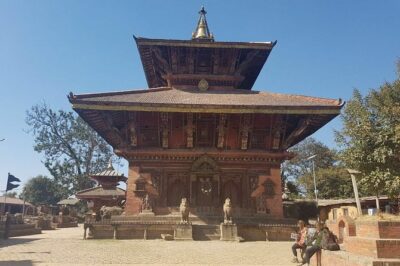
Your trip starts in Kathmandu, with 4 nights at a bed-and-breakfast setup. That’s more than a formality. Kathmandu is where you handle the practical stuff: final confirmations, buying or packing any personal items you didn’t plan for, and getting your body ready for a rhythm of trekking days.
The meeting point is Tribhuvan Airport in Kathmandu. Pickup is offered, which helps if you land with bags, jet lag, and zero energy for city navigation. The tour also notes mobile ticketing, which is convenient if you like having key info in your phone instead of in three different paper folders.
Near public transportation is listed as well, which can matter if you need a pharmacy run or want a low-stress way to move around between pre-trek tasks.
If you’re prone to stomach issues or you get anxious when plans shift, Kathmandu time is also your buffer. Altitude success loves calm logistics.
Trekking through Hongu and Hinku: a quieter route with real wilderness vibes
The climb isn’t only a summit push. It includes trekking that explores Hongu and Hinku valleys, described as wild, uninhabited, and beautiful. That’s an important part of the trip’s character.
This trekking phase uses a tea house + camping combination, with food and accommodation handled as part of the plan. Tea houses usually mean fewer gear headaches at night. Camping usually means you get access to routes where staying in villages isn’t an option. In real life, that mix often gives you the best of both worlds: human contact and basic warmth in tea houses, plus the sense of being truly out there when the route calls for camp.
Also, this isn’t positioned as a casual stroll. You should have strong fitness, and the trip is set for a maximum group size of 15 travelers. Smaller groups often move more smoothly at altitude—less waiting, fewer bottlenecks, easier communication with your guide.
Where this trekking phase shines for value: it’s doing acclimatization work while you’re also getting scenery and cultural exposure. You’re not just “hiking to the next line on a map.”
Sherpa culture at elevation: why it matters beyond photos
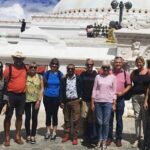
This program calls out experience around highland Sherpa tribe communities and traditions. You’ll likely feel this most in the daily rhythm: how people greet you, how they manage tea house life, and how Sherpa staff support climbers with both expertise and steadiness.
In practice, culture is more than a dance performance. It’s the everyday systems that keep you moving safely in mountain conditions. The team’s emphasis on Sherpa guidance shows up in the named guide and Sherpa support you’ll see associated with successful summit days—people like Sonam Sherpa, Gelchen Sherpa, and Sherpa Ming-ma appear in documented experiences tied to safe, summit-reaching outcomes.
I like that the trip frames Sherpa communities as part of the journey, not just an optional stop. If you want a climb where people live alongside the mountain rather than just pass through it, this is the right direction.
The summit push: acclimatization rules you should actually follow
Altitude is where trips are won or lost. The guidance here is straightforward and worth treating like a checklist:
Hydration
- Drink enough water. The plan notes lukewarm water, 2–3 liters per day.
- Don’t wait until you feel thirsty.
Avoid the altitude killers
- Avoid alcohol and smoking.
- They can worsen dehydration and sleep quality, and at altitude, sleep is oxygen’s best friend.
Food strategy
- Eat light food that’s high in calories.
- Add ginger and garlic if that agrees with you.
- I’m not saying this is magic, but it can help with appetite and comfort when your stomach gets touchy.
If altitude sickness shows up
- If symptoms are mild: stay where you are, don’t panic, sleep enough, and keep drinking water.
- If it doesn’t improve even after acclimatizing: start descending.
- If it’s serious: descend immediately.
- The notes also mention Diamox pills for serious cases.
- It further points to using a Gamow bag (a high-pressure inflatable bag) to restore oxygen level and air pressure—but it urges you to confirm with the organizer whether all altitude gear is provided.
That last point is key. You don’t want to find out at 5,000m that a critical emergency tool is missing. Ask early. Put it in writing if you can. You don’t need fear to be prepared.
Also, the plan suggests travel to lower altitude if possible, and to consult a doctor if available. In other words: treat medical decisions as part of the climb, not an interruption.
Weather reality: route changes happen, and you want a team that can pivot
Mountains don’t care about your calendar. One documented experience tied to this operator included a planned route involving Mera Peak plus a pass that became impossible due to heavy snowstorms at the end of October. The important part wasn’t the setback—it was how the team responded: the plan got adjusted smoothly and the climbers felt safe.
That’s exactly what you should look for when booking any peak climb:
- Can the guide make smart calls when the mountain changes the rules?
- Do they communicate quickly?
- Do they have named local climbing support who can guide real-time decisions?
The operator’s communication style is also part of the story. In at least one example, the owner Prakash Devkota was noted as responsive beforehand through WhatsApp, with clear advice. During disruptions like weather delays, the value of fast, practical communication goes way beyond “nice customer service.” It directly affects safety, pacing, and how you handle expectations.
Logistics that matter: group size, pickup, and time on the ground
This is listed as 18 days (approx.), which is a good sign. For altitude, time matters. More time usually means more chance to acclimatize and recover between effort days.
Group size max is 15 travelers. That’s not a huge crowd, and it often helps with:
- moving as a unit,
- getting consistent instructions from the guide,
- reducing waits at turning points, and
- making it easier for staff to notice who’s struggling.
Pickup is offered from Kathmandu, and the start point is Tribhuvan Airport. Those details sound basic until you realize how many climbing trips collapse into confusion the moment someone lands late or misses a connection.
One practical note: the itinerary you’ll run may shift based on weather, pass conditions, and your acclimatization. If you’re the type who wants rigid timelines, you’ll probably get frustrated. If you’re okay with flexible mountain pacing, you’ll likely enjoy the trip more.
Gear: what’s included vs. what you still need to bring
The trip says all necessary climbing gears are included, and it also notes “don’t forget to see if your organizer provides all altitude gears or not” when discussing a Gamow bag.
At the same time, it explicitly lists personal climbing gears as not included. That means you should plan to carry your own core items. The safest way to avoid guessing is to request the exact gear list in advance, then match it to what you plan to bring.
Bring the basics you’ll use every day:
- clothing layers for cold and exertion changes,
- gloves and headwear,
- a sleeping setup you’re comfortable with,
- and any personal medical items you know you rely on.
And then ask specifically about altitude emergency items. If your trip is remote enough that things are hard to source, you want to know what’s already in the system.
Who should book this Mera Peak climb
This is a good fit if you:
- have strong physical fitness and you want a serious high-altitude objective,
- want the summit goal plus meaningful trekking through Hongu and Hinku,
- prefer a guided operation where permits, guides, and core gear are handled,
- and you’re okay with weather-driven changes as long as the team responds wisely.
It may not be the best fit if you:
- hate uncertain schedules,
- aren’t able to follow acclimatization discipline,
- or you don’t want to do the work of planning and bringing your own personal climbing gear.
If you’re going solo (including solo women), the operator’s success records include cases where safety and logistics planning were a major reason for booking. The maximum group size helps too.
Should you book Mera Peak with Nepal Guide Treks and Expeditions?
I’d book this kind of trip if your goal is a serious but well-managed climb with big Everest-region payoff and a team that has shown it can adapt when snow or pass conditions shut plans down. The value case is strongest when you want the structure: Kathmandu prep, permits, guide-led trek and climb support, and the gear pieces you shouldn’t have to scramble for last minute.
Before you commit, do three quick checks:
1) Confirm exactly what’s meant by all necessary climbing gears and what counts as personal climbing gears for you.
2) Ask what altitude emergency gear is actually provided (the notes highlight a Gamow bag).
3) Be honest about your acclimatization plan—drink water, skip alcohol/smoking, and follow the advice about descending if symptoms don’t improve.
If you handle those points, this is the kind of climb that can feel like more than a summit. It’s a full mountain education: valleys, Sherpa-guided culture, and a very real shot at big 8000m views.
FAQ
How long is the Mera Peak climbing experience?
It runs for about 18 days (listed as 18 days 2 hours 5 minutes approx.).
Where does the trip start?
The meeting point is Tribhuvan Airport, Kathmandu, Nepal.
Is pickup offered?
Yes. Pickup is offered.
What’s included in the price?
Included are 4 nights in Kathmandu (BB), Mera Peak climbing permits, and tea house + camping combined food and accommodation during the trek, plus an experienced trekking & climbing guide and all necessary climbing gears.
What is not included?
Not included are international airfares and departure tax, personal climbing gears, personal expenses, and tips for guides/porters.
How much does it cost?
The price is $3,000.00 per person.
What group size should I expect?
The tour lists a maximum of 15 travelers.
What are the minimum age requirements?
The minimum age is 18 years.
Do I need my own climbing gear?
Yes. Personal climbing gears are listed as not included, even though the operator includes necessary climbing gears.
Can I cancel for a full refund?
Yes. Free cancellation is offered if you cancel at least 24 hours before the experience starts. If you cancel less than 24 hours before, the amount you paid is not refunded.