REVIEW · HIKING & TREKKING
Mardi Himal Trek Nepal
Book on Viator →Operated by Magic Himalaya Treks · Bookable on Viator
One early-morning trek that pays off fast. The Mardi Himal Trek gives you a quieter Annapurna experience with big views of Mount Machapuchare (Fishtail) and Annapurna peaks, plus the simple comfort of tea houses as the trail has developed. I like that the route stays varied, moving from forest paths into alpine scenery, then up to camp and viewpoint days. I also like that Magic Himalaya Treks handles the moving parts, from Kathmandu-to-Pokhara transport to permits and a team that stays involved. One consideration: you will be hiking a lot on uneven paths, including a long day with steep, narrow trail.
You’ll spend your time on foot, yes, but the design of this trek matters. It’s built for people who want a rewarding 9-day adventure without the crowds you might expect on bigger Annapurna routes, and it includes the practical comforts that help you focus on the scenery instead of logistics. If you’re the type who enjoys steady, manageable climbing and doesn’t mind cold early mornings, this works well.
In This Review
- Key things that make this Mardi Himal trek different
- Why Mardi Himal feels calmer (and more rewarding) than the big-name Annapurna treks
- Price and logistics: what $750 really buys you in Nepal
- From Kathmandu to Pokhara: the pre-trek rhythm you should expect
- Day-by-day on the trail: camps, viewpoints, and where the hard parts show up
- Day 3: Kande to Deurali, plus lunch at Australian Camp
- Day 4: forest walking to Low Camp, with strong range views
- Day 5: the tree line thins on the way to High Camp
- Day 6: steep, narrow trail to the upper viewpoint, then payoff views
- Day 7: a different route to Shiding Village, then jeep back to Pokhara
- Day 8 to Day 9: Pokhara back to Kathmandu, then airport drop-off
- Tea houses, meals, and the comfort level you can realistically expect
- Guide support, porters, and why Nabin’s team matters on this kind of trek
- Who should book this Mardi Himal trek, and who should reconsider
- Should you book the Mardi Himal Trek with Magic Himalaya Treks?
- FAQ
- How long is the Mardi Himal Trek?
- What does the price include for $750 per person?
- What are the main pickup and transfer points?
- What time does the trip start?
- Is travel insurance required for this trek?
- Does the trek include meals and lodging?
- Can I cancel for a full refund?
Key things that make this Mardi Himal trek different
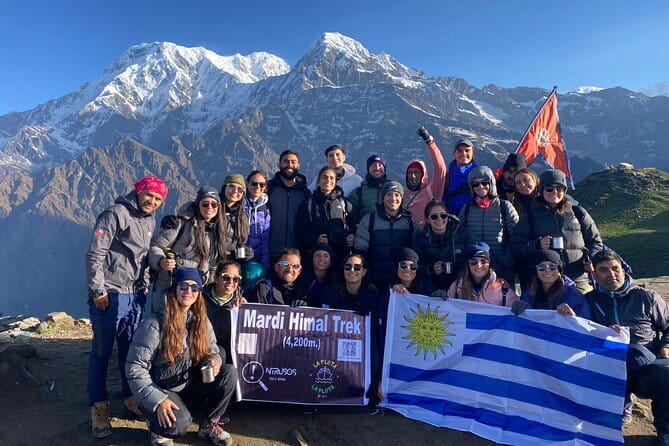
- Quieter Annapurna route: a calmer alternative to the more famous trails
- Tea-house style comfort: lodges along the way rather than only camping
- Iconic views: Machapuchare (Fishtail) and Annapurna-area panoramas
- Guided, supported hiking: guide plus porter support and a team that checks in
- A varied itinerary: forests, camps, a viewpoint day, and a different return route via Shiding Village
Why Mardi Himal feels calmer (and more rewarding) than the big-name Annapurna treks
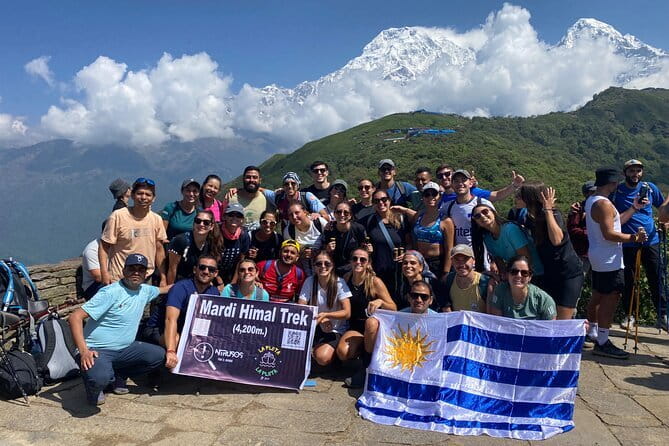
The Mardi Himal area sits in the Annapurna Himalaya region, but the vibe is more “go at your own pace” than “everyone funneling down the same trail.” The trek is relatively short for a Himalayan experience, yet it still stacks in the classic ingredients: forest walking, open alpine zones, and camp days that make the mountain views feel earned rather than instantly handed to you.
The best part is the way the scenery changes. You’re not doing one long, repetitive climb. One day can feel like you’re in a shaded green corridor, and the next can open up to higher, colder air and wide perspectives. That variety is exactly what keeps the days interesting when you’re spending most of the time with your own breathing and foot placement.
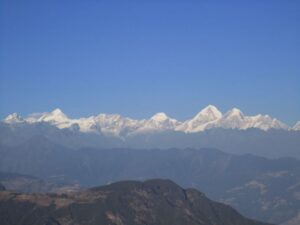
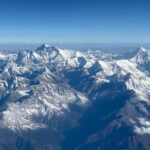
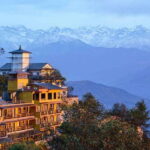
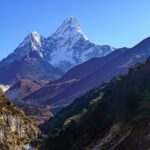
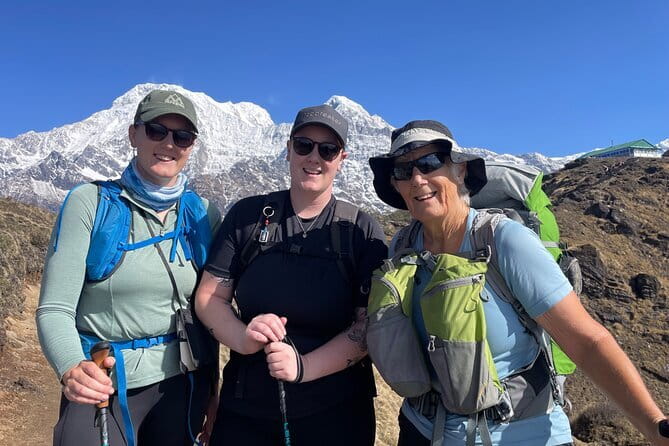
Also, this route is known for views of Mount Machapuchare (Fishtail) and surrounding Annapurna peaks like Annapurna South and Hiunchuli. When the clouds clear, you tend to get those postcard moments from the upper viewpoint day and from the camp approach. And because the trail has shifted from older camping-style trekking into a tea-house trek with hotels and lodges along the route, the whole experience feels smoother and more comfortable than older-school trekking.
One more practical point: a maximum group size of 16 travelers usually means you’re not stuck waiting around forever. You’re likely to move with less crowd friction, which matters on narrower trail sections.
You can also read our reviews of more hiking tours in Kathmandu
Price and logistics: what $750 really buys you in Nepal
Let’s talk value, because trekking pricing can be confusing. At $750 per person, you’re paying for far more than just “someone to walk with you.” This trip includes Kathmandu–Pokhara round-trip transportation, plus private drives to get you started near Kande and a jeep drive back from Shiding Village to Pokhara. You’re also covered for permits through the Annapurna conservation process, and you’ll receive a trekking map plus a duffel bag for the porter.
On top of that, the trek includes a guide and porter (with salary and equipment covered), and it lists insurance as part of the included support. You’ll also get a medical kit box and required medicine. That last part might sound small, but on a trek where you’re changing altitude day by day, having basic medical preparedness is a real comfort.
Meal coverage is also meaningful. The inclusions list 8 breakfasts, 5 lunches, and 5 dinners. That reduces your daily decisions and helps you keep energy steady. What’s not included is equally important: lunch and dinner in Kathmandu and Pokhara, plus all personal expenses like bar bills and alcohol. You also need your own trekking clothes and gear.
Finally, details like pickup offered in Kathmandu and mobile ticket show up in the real-world experience: less standing around, fewer confusion moments, and easier transitions between bus, hotel, and trek start points.
From Kathmandu to Pokhara: the pre-trek rhythm you should expect
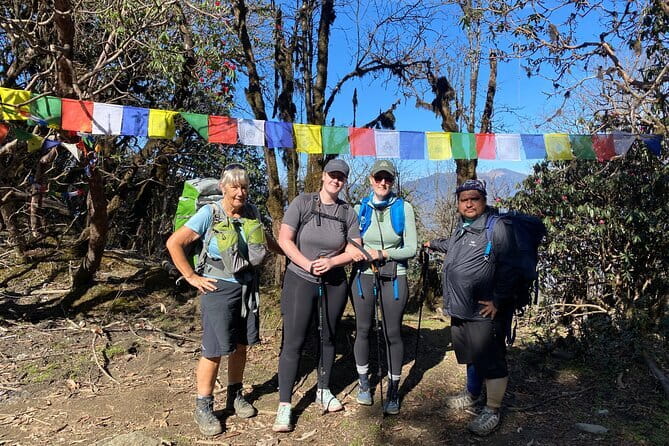
This trek doesn’t start with you immediately lacing boots in the city. Day 1 centers on Kathmandu, with an airport pickup and a transfer to a hotel in Thamel. In the evening, you’ll visit the Magic Himalaya Treks office for briefing and preparation. That matters more than people think, because a trekking briefing helps you understand the flow of days and what to expect in terms of hiking effort and daily timing.
Day 2 moves you to Pokhara by tourist bus, and it’s a longish travel day at about 7 hours. Pokhara is where you settle in and get ready for the trek proper. You’re not rushing on foot yet, but you are switching from city life to the rhythm of mountain days: earlier planning, less browsing, and more sleep.
Then Day 3 begins with transportation toward the trek start area near Kande, followed by trekking toward Deurali. When you travel this much in the first two days, you’ll feel the altitude and exertion hit harder once walking starts. Build the habit early: simple meals, early bed, and hydration.
One more note: the meeting point lists a 1:15 am start time. That’s a big early morning. Even if your exact pickup timing depends on your schedule, you should plan for the reality of an early day so you don’t lose time or get stressed.
Day-by-day on the trail: camps, viewpoints, and where the hard parts show up
The core of the Mardi Himal experience happens over four hiking days, then a return day with a twist. Here’s what each segment feels like and what to watch for.
Day 3: Kande to Deurali, plus lunch at Australian Camp
After the transfer from Kande, you begin trekking toward Deurali. The itinerary notes you’ll probably have lunch at Australian Camp, which is described as a good viewpoint. That’s a classic trekking move: you get a scenic pause mid-day, then keep climbing toward where you’ll sleep.
Deurali villa is your first night on the route. The advantage here is that you’re not only hiking hard on Day 3. You’re also learning the pace of the trek—how quickly you warm up, when you need breaks, and how to manage gear because you won’t be carrying everything yourself (porters handle porter loads via the company provided setup).
Day 4: forest walking to Low Camp, with strong range views
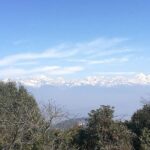
Day 4 is your forest-to-highness transition. You continue through forest until you reach Low Camp for the night. The itinerary calls out “outstanding Himalayan ranges” from Low Camp, and that’s exactly the kind of reward you want on a day that can still feel greener than you expect.
This is where you can get a good first sense of the Annapurna region scale. If the weather is clear, the views can make your effort feel instantly worth it. If clouds sit in, treat it as a training day for patience. Either way, the day sets up your arrival into higher terrain.
Day 5: the tree line thins on the way to High Camp
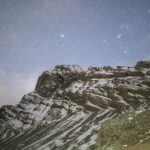
Day 5 is shorter in hours than Day 6, but it’s the kind of day that makes you feel the thinning tree line. The itinerary notes that as you go higher, the tree line gets thinner and thinner, and it even mentions the possibility of seeing Danphe (Nepal’s national bird, also known as the Impeyan pheasant).
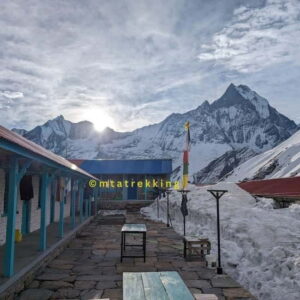
Your destination is High Camp, described as the final destination of the day. High Camp is also where the environment feels more alpine: colder air, less shelter, and a stronger need for smart layering. This is the day you should move carefully on your footing. Uneven ground is normal, and rushing usually leads to sore legs later.
Day 6: steep, narrow trail to the upper viewpoint, then payoff views
Day 6 is the long one on the calendar at about 10 hours. You’ll ascend, descend, and spend time on a steep and narrow trail. The itinerary also notes a trail that passes through pastures and a narrow ride of trail leading to the upper viewpoint.
This is the day where you should respect the trail. Narrow sections can be mentally tiring because you have less room for mistakes. If you tend to push too hard early, this is the day to pace yourself. I like to think of it as “controlled effort.” Save your legs for the last stretch when the view finally starts to show itself properly.
If the sky cooperates, the upper viewpoint is your biggest scenery moment for Machapuchare (Fishtail) perspectives and the surrounding Annapurna peaks. Even when it’s cloudy, you’ll still feel the high-mountain atmosphere.
Day 7: a different route to Shiding Village, then jeep back to Pokhara
Instead of looping back the same way, Day 7 takes a different route. You trek to Shiding Village, then drive back to Pokhara for an overnight stay.
This change matters. Re-walking the same trail can get monotonous, and the different route adds variety. It also gives you a sense of the region beyond just the main camp-to-camp path. The jeep drive back to Pokhara is a welcome relief after hours on foot, and it turns the day into a reset rather than another grinding climb.
The itinerary also keeps the day to about 5 hours of trek time, which is a smart move after Day 6’s intensity.
Day 8 to Day 9: Pokhara back to Kathmandu, then airport drop-off
Day 8 brings a bus ride back to Kathmandu, listed at about 6–7 hours. You’ll have breakfast in your Pokhara hotel, then take a short walk or drive to the tourist bus park. It’s one of those days where you’re done hiking, but your body still has travel energy to manage.
Day 9 is straightforward: breakfast is taken care of the day before, and then you get picked up from your Kathmandu hotel and transferred to the airport for departure. This gives the trek a clean ending, which is useful if your flights are time-sensitive.
Tea houses, meals, and the comfort level you can realistically expect
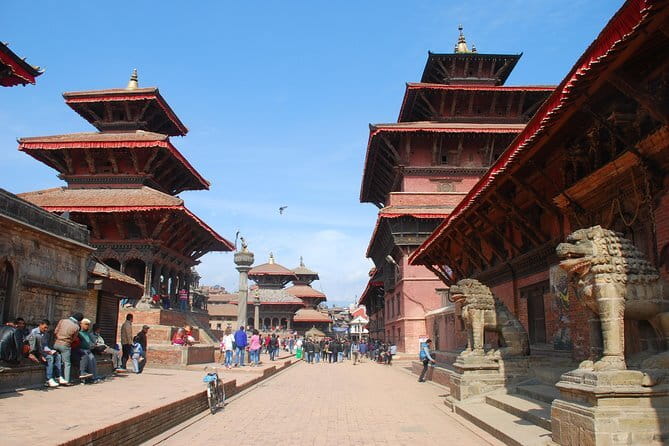
This route is known as a tea-house trek now, thanks to hotels and lodges along the trail. That means you’re usually sleeping in proper structures rather than carrying a full camping setup. The itinerary still uses camp names like Low Camp and High Camp, and it also mentions accommodations like Deurali villa, so expect simple lodging that matches the altitude and remoteness.
Food is included for most of the trek days. You’ll have breakfast almost every morning, plus select lunches and dinners while on trek. What that means for you: you can focus on hiking rather than hunting for meals at each stop. It’s also easier to manage hunger if you know you’ll get food without negotiating it.
Still, don’t treat it like a restaurant tour. Higher areas can mean more basic menus and simpler dining. Plan on a practical approach: eat what’s offered, drink water carefully, and save your energy for the trail.
Guide support, porters, and why Nabin’s team matters on this kind of trek
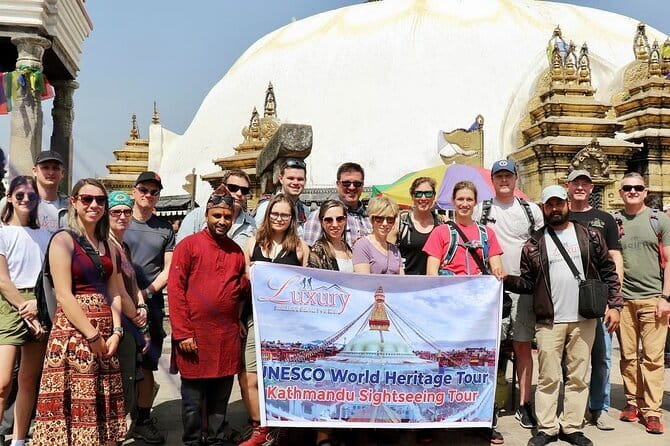
A good trek guide is more than navigation. The supplied experience feedback strongly points to Magic Himalaya’s team being attentive and helpful. One standout name that comes up is Nabin, the owner, who was described as checking in and staying involved. That kind of oversight often shows up in small ways: timing, responsiveness, and keeping the day running smoothly when conditions change.
Because this is a trek with early mornings, changing altitude, and some steep narrow trail, support matters. The trip includes guide and porter salaries, plus porter equipment and a company-duffel setup, which reduces your carry load. You still have to hike your own legs, but logistics and heavy burdens are handled.
With a maximum group size of 16 travelers, your guide can manage pacing more personally. That matters on the longer day with steep, narrow trail because group movement can become a bottleneck. A responsive team helps you avoid getting stuck behind slowdowns or rushing in unsafe spots.
Who should book this Mardi Himal trek, and who should reconsider

This trek fits best if you want a solid Himalayan experience in about 9 days, focusing on views and a calmer Annapurna feel. You’ll appreciate it if you’re comfortable hiking multiple days, including a longer one, and you can handle cold mornings.
It also suits people who like clear structure. The itinerary is organized with transport, lodging, permits, and most meals taken care of. If you prefer to travel with guidance and not build every detail yourself, you’ll likely feel the benefit quickly.
Consider skipping or at least ask more questions first if you’re expecting a gentle stroll the whole way. Day 6 includes steep, narrow trail, and that can be mentally and physically demanding. Also, this experience assumes moderate fitness, so be honest about your current walking strength.
Finally, because trekking gear isn’t included, make sure you’re ready with the essentials you personally need. This isn’t the kind of trip where you can show up with just good intentions.
Should you book the Mardi Himal Trek with Magic Himalaya Treks?
If you want Machapuchare views, a quiet Annapurna experience, and a team that keeps things running smoothly from Kathmandu to the airport drop-off, this is a strong choice. The included transport, permits, guide and porter support, and the mix of tea-house style lodging and meals make the whole trek easier to manage than doing it totally independently.
I’d book it if your goal is a well-supported trek where you can spend your time on the trail and the scenery instead of logistics. I’d pause if you’re not comfortable with early starts and a long steep day, or if your packing plan is weak because gear is on you. If those two points are under control, you’re set up for a memorable Himalayan week without the big-crowd chaos.
FAQ
How long is the Mardi Himal Trek?
The itinerary is listed as 9 days (approx.).
What does the price include for $750 per person?
The tour includes transport between Kathmandu and Pokhara, private transportation to the trek start area, guide and porter support, Annapurna conservation permits, meals during the trek (8 breakfasts, 5 lunches, 5 dinners), a trekking map, a duffel bag for the porter, and a medical kit. It also includes a farewell dinner and celebrations.
What are the main pickup and transfer points?
You get an airport pickup in Kathmandu, a transfer to a hotel in Thamel, and a final hotel pickup in Kathmandu for your airport drop-off. The trek also includes transportation from Kathmandu to Pokhara and back.
What time does the trip start?
The meeting point lists a start time of 1:15 am.
Is travel insurance required for this trek?
The additional information specifically says you should have travel insurance for Nepal trek.
Does the trek include meals and lodging?
Yes. Lodging is included for the trek days, and meals are included in the counts listed (breakfast, selected lunches, and dinners). Meals in Kathmandu and Pokhara are not included.
Can I cancel for a full refund?
Yes. The policy says free cancellation is available, with a full refund if you cancel up to 24 hours in advance of the experience’s start time.