REVIEW · LALITPUR NEPAL
Kathmandu: Private Patan and Bhaktapur Sightseeing Tour
Book on GetYourGuide →Operated by Himalayan Social Journey · Bookable on GetYourGuide
First-time Kathmandu visitors often worry they’ll miss the best details. This private tour is a clean way to see two UNESCO sites in one smooth day, with a guide who helps the Newari architecture make sense, and enough time to wander the squares you’ll keep thinking about later. I like how the day is built around “you-can’t-miss” stops like Patan Durbar Square, plus the craft-focused moments that show how heritage still gets made today.
I also like the pacing of the plan: you get guided time at the major monuments, then short walks and shopping windows so you’re not just standing in front of stone. One thing to plan for: entrance fees and food aren’t included, so you’ll want Nepalese rupees ready and budget a bit extra beyond the tour price—plus you do walk inside heritage sites.
In This Review
- Key highlights worth getting excited about
- Patan and Bhaktapur in One Day: How the 6-hour private flow works
- Patan Durbar Square: Where the stonework tells its own story
- The Patan Museum stop: Context before you hit more temples
- Krishna Temple, Kumbheshwor, and the Golden Temple area: A focused temple trail
- Bhaktapur Durbar Square: The 55-Window Palace and the craft-rich atmosphere
- Taumadhi Square to Pottery Square: Where you see how heritage gets made
- Dattatraya Temple: A calm finish before your return
- Price and value at $39 per person: What you truly pay for
- Practical tips that prevent Kathmandu headaches
- Who this tour suits best
- Should you book it?
- FAQ
- How long is the Patan and Bhaktapur sightseeing tour?
- Is this a private tour?
- What’s included in the price?
- Are entrance fees included?
- Is food included?
- What language is the tour guide?
- Do I need any ID?
- Where does the tour start and where do I end up?
- What’s the cancellation policy?
Key highlights worth getting excited about
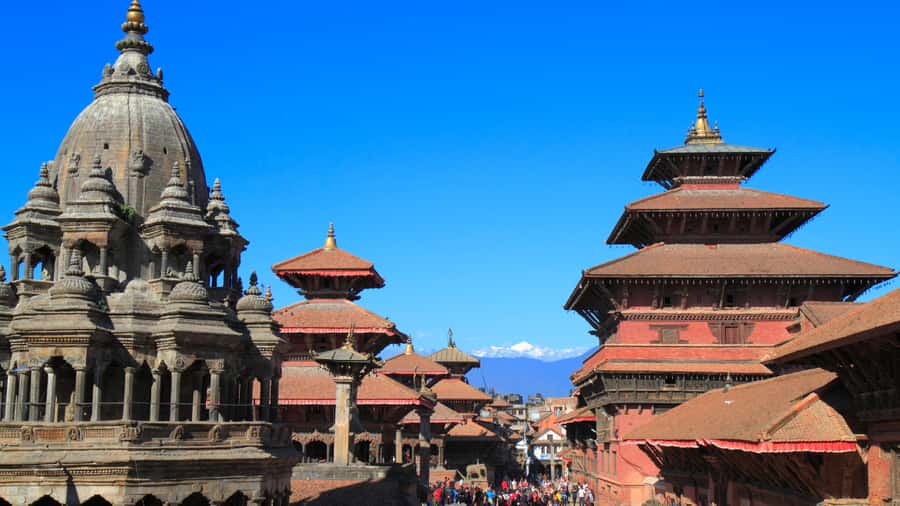
- Two UNESCO stops in one day: Patan Durbar Square and Bhaktapur Durbar Square
- Newari craftsmanship in action, from metal and temple architecture to pottery-focused lanes
- Temple variety, not temple overload: Krishna, Kumbheshwor, and the Golden Temple area
- Bhaktapur’s signature landmarks, including the 55-Window Palace and nearby historic temple cluster
- Private vehicle + professional English guide, so you’re not relying on guesswork or group schedules
Patan and Bhaktapur in One Day: How the 6-hour private flow works
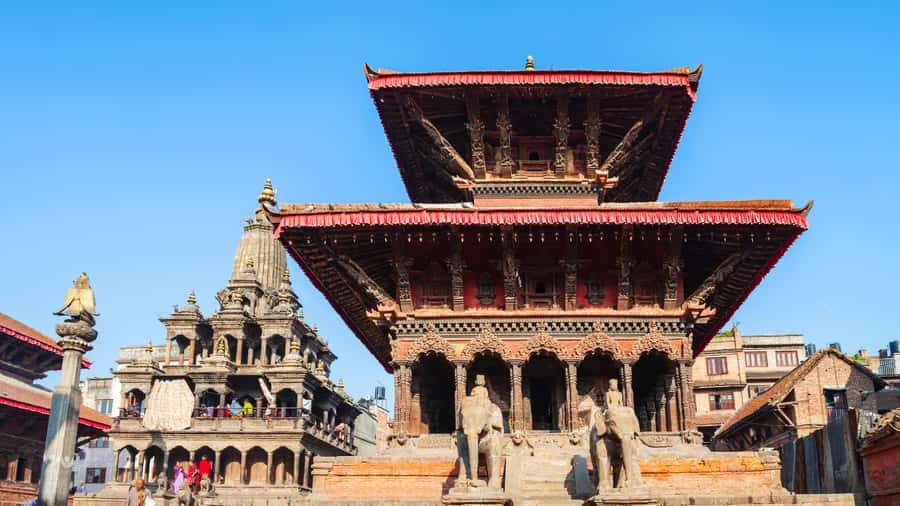
This is a 6-hour private sightseeing tour that starts with pickup from your hotel (or your selected starting option) and ends with drop-off back in the Kathmandu area. The big value here is that you’re not stitching together separate tickets, guides, and transport for Patan and Bhaktapur. You get a driver, a professional English-speaking guide, and a route that keeps the day focused.
The itinerary is designed like a “heritage walk with context.” Some stops are short (10–15 minutes), but they’re the kind that work best with a guide’s explanation first—then you look around with better understanding. There’s also a lunch break between the two durbar squares, which helps the day feel doable rather than rushed.
The tradeoff is time. You’re not touring at a slow museum pace. If you love lingering, taking photos for 30 minutes of the same doorway, or you want deep study of every inscription, you may wish the schedule had more breathing room.
You can also read our reviews of more tours and experiences in Lalitpur Nepal.
Patan Durbar Square: Where the stonework tells its own story
Patan Durbar Square is the heart of Lalitpur’s historic core, and it’s the first major stop on your guided route. Expect temples, palace structures, and courtyards packed close together. Even in the brief time you have, the place makes you look up and notice details—rooflines, carved windows, and the way spaces were designed for public and ceremonial life.
This portion of the tour also includes shopping and walking, which matters. Patan’s lanes can be confusing if you’re on your own, but with a guide you can focus on what you actually want to see and buy. If you’re interested in Newari arts, this is where you’ll start to recognize the “look” of the city: craftsmanship that feels built into everyday architecture.
A practical note: Patan Durbar Square time is listed around 30 minutes. That’s enough to see the big pieces and get oriented, but it’s not enough for exhaustive wandering. If you want to shop, have a quick plan—what you’re hoping to find (metalwork, pottery, textiles) and how much you’d like to spend—so you don’t lose your momentum.
The Patan Museum stop: Context before you hit more temples
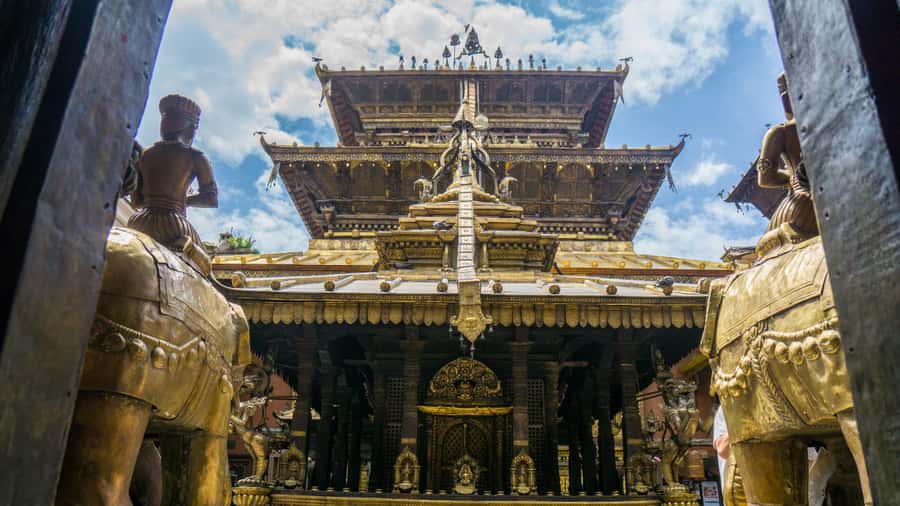
After Patan Durbar Square, the schedule adds time at the Patan Museum (about 45 minutes). This is one of the smartest blocks in the itinerary because it helps you connect what you saw outside with what you learn inside: symbols, styles, and the way religious and royal life shaped the art.
If you’re the kind of traveler who likes architecture more than shopping, the museum is a great reset. Instead of just collecting impressions from the street, you can put a few pieces into your mental filing system before continuing to the temple cluster.
If you’re short on patience for museums, don’t worry. The rest of the day is still very much about walking and seeing. The museum time just gives you a higher-quality lens for everything that comes after.
Krishna Temple, Kumbheshwor, and the Golden Temple area: A focused temple trail
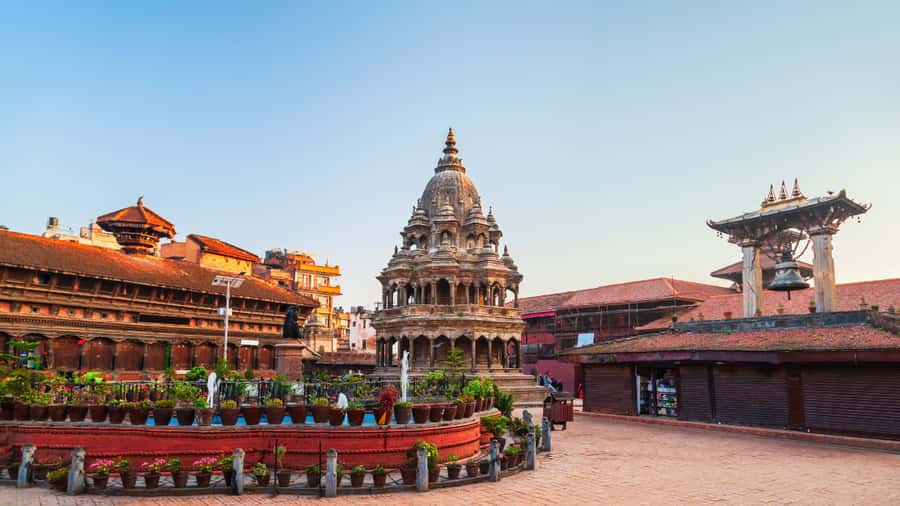
Patan’s middle stretch is short but nicely varied, with multiple guided temple visits designed to avoid “temple fatigue.”
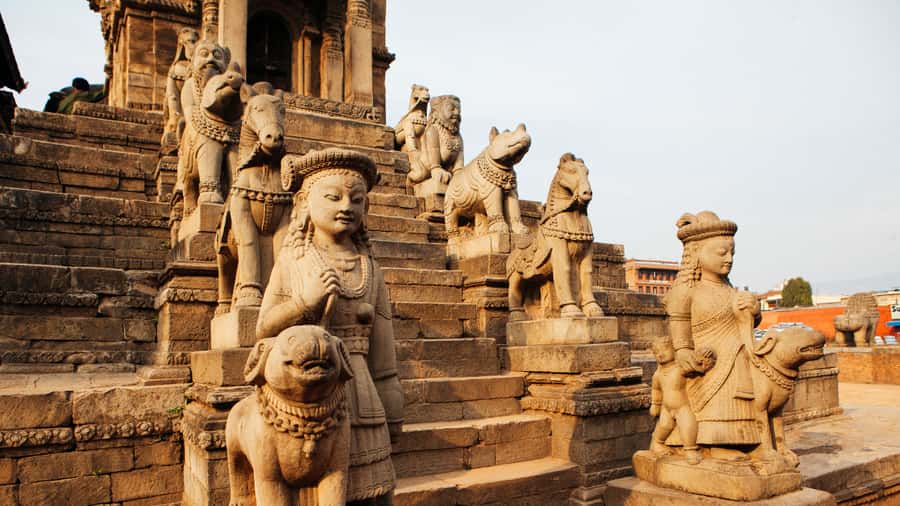
- Krishna Temple (Krishna Mandir): The itinerary includes a guided stop of about 10 minutes. This is known for standout stone architecture dedicated to Lord Krishna, so even a brief visit can feel purposeful when you know what to look for.
- Kumbheshwor Temple: Another guided stop (around 15 minutes). The value here is that your guide helps you understand why specific design elements matter, not just that they’re old.
- Hiranya Varna Mahavihar (Golden Temple area): This one gets about 30 minutes and is tied to exquisite metalwork. If you like details—like you enjoy studying how something is crafted more than simply recognizing that it’s decorative—this stop is worth your attention.
Because these stops are spaced through the day, you get a variety of textures: stone carvings, spiritual design, and then metalwork emphasis. The result is a temple sequence that feels like a story, not a random list of buildings.
One caution: several stops are guided but brief. If you tend to ask a lot of questions, it helps to save the most “deep inquiry” ones for your guide’s best moments—when you’re not already halfway through a packed schedule.
Bhaktapur Durbar Square: The 55-Window Palace and the craft-rich atmosphere
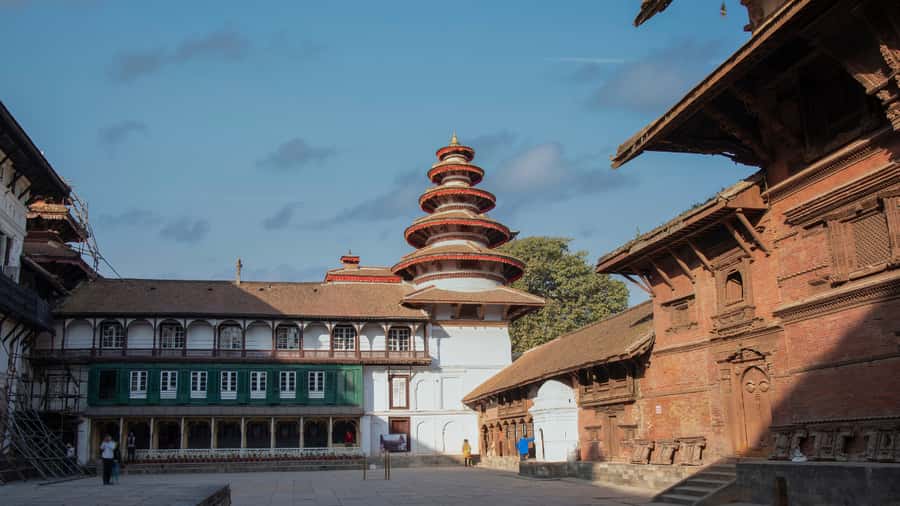
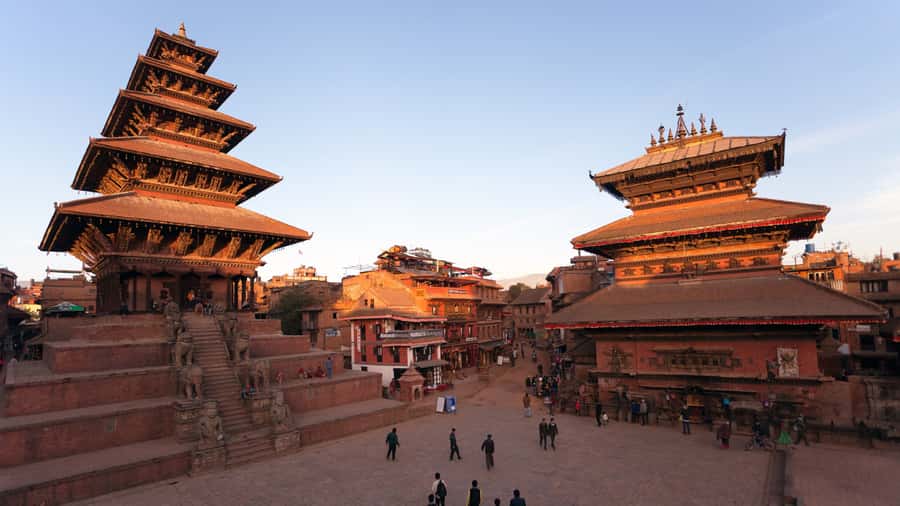
After lunch, you head to Bhaktapur Durbar Square, with about 45 minutes of guided time plus walking and photo stops. This is where Bhaktapur earns its nickname as the City of Devotee, because the square feels built around ongoing religious and civic life.
Your highlights here include:
- the 55-Window Palace
- the Nyatapola Temple
- the Peacock Window area (near the palace complex)
- extra time for photos and shopping in the surrounding lanes
What I like about this segment is the blend of big-picture landmark viewing and street-level wandering. Bhaktapur’s details reward slow looking, and while the time is limited, you still get a guided entry that helps you understand why these specific structures are iconic.
Photo-wise, plan to do a quick sweep first (so you don’t miss the obvious shapes), then come back to specific carvings or windows while your guide explains what they represent. The “walk” component matters because Bhaktapur is a place where meaning is often in the approach—arches, courtyards, and the way people move through space.
Taumadhi Square to Pottery Square: Where you see how heritage gets made
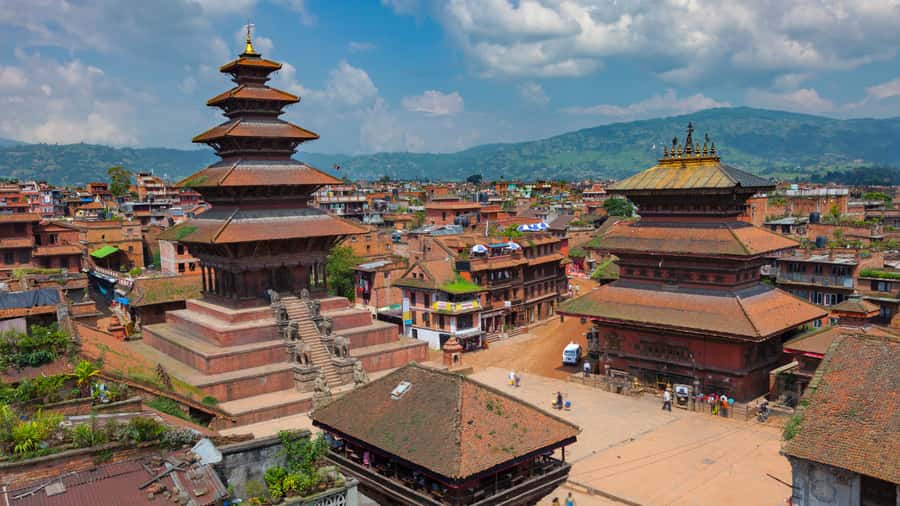
Once you’ve done the big durbar square landmarks, the itinerary shifts into “everyday craft” territory. This is one of the best parts of the tour if you like Newari culture beyond monuments.
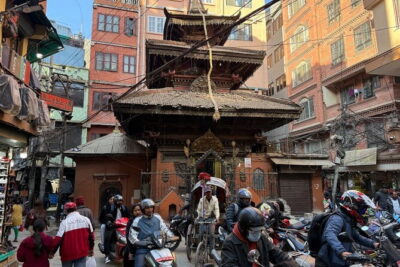
- Taumadhi Square (about 30 minutes, guided): This is a strong stop for atmosphere and architecture at street level, helping you connect the palace complexes to the daily rhythm of the city.
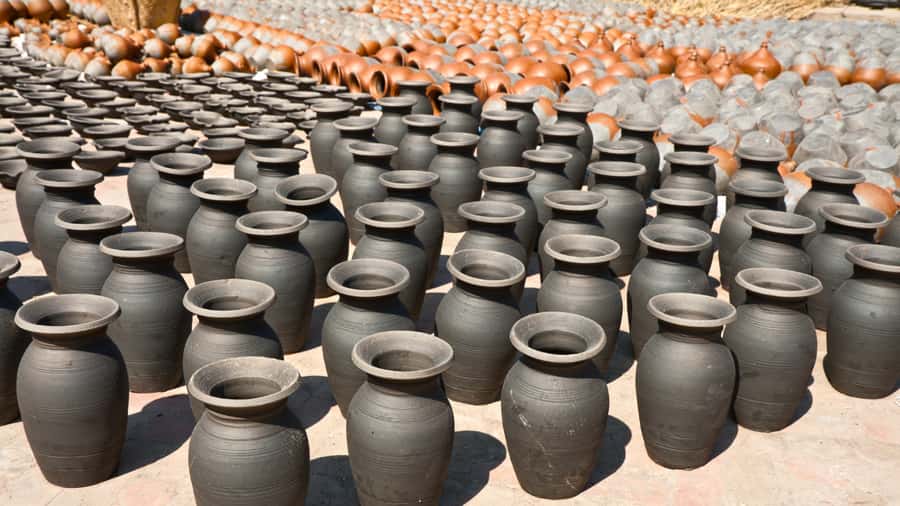
- Pottery Square (कुम्हः त्वः) (about 30 minutes, guided + walking): This is where you can actually watch artisans at work. The itinerary is explicit that you’ll witness craft, and that’s a meaningful difference from just shopping for souvenirs. Even if you don’t buy, seeing the process gives you a better respect for the objects you might take home.
If your interests skew toward handicrafts—metalwork, pottery, weaving—this is the part that turns the day from “sightseeing” into “living culture.”
Dattatraya Temple: A calm finish before your return
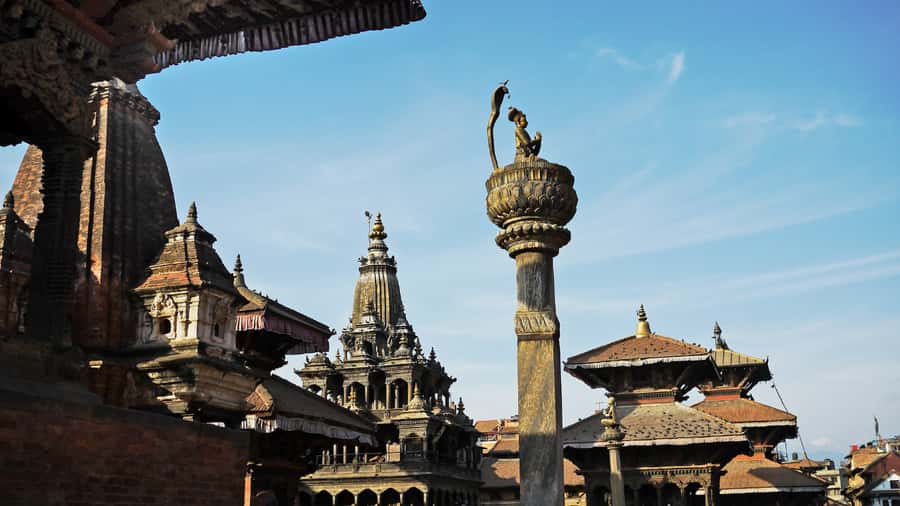
The last guided cultural stop is Dattatraya Temple, listed at about 30 minutes with visit, guided tour, and sightseeing. This is a gentle landing after the denser durbar square segments. You get more explanation than you would on your own, which is useful because temple spaces can feel similar until someone points out the specific spiritual or architectural logic.
At the end, you’ll be escorted to your hotel in the late afternoon. The activity also notes drop-off locations that include Himalayan Social Journey, Kathmandu, so your final point may vary based on your pickup option and where you’re headed.
Price and value at $39 per person: What you truly pay for
At $39 per person for a 6-hour private tour, the price is aiming at good value through three main things: private transport, an English-speaking guide, and hotel pickup/drop-off. For many independent travelers, those components are exactly what blow up costs—especially if you try to arrange two heritage days back-to-back.
What’s not included is also clear: entrance fees and food and drinks. That means you shouldn’t think of $39 as “all-in.” It’s more like the ticket price for guided coordination and getting you to the right places on time, with a local speaking guide.
To keep the day smooth, I’d budget for:
- entrance fees (paid on site, in Nepalese currency)
- lunch or snacks during the day (the tour includes a lunch break, but doesn’t include food)
- any shopping you want to do in the heritage lanes
If you want the easiest day possible in the Kathmandu Valley without doing logistics yourself, this pricing structure can make sense fast.
Practical tips that prevent Kathmandu headaches
This tour involves walking inside heritage sites, so comfort matters.
Bring:
- Passport or ID card
- comfortable shoes
- sunglasses and a sunhat (sun can be strong)
- Nepalese currency for entrance fees
Dress in a way that helps you move easily. Heritage stone floors can be uneven, and temple areas can require you to pause, look up, and sometimes adjust how you’re carrying bags.
Also, keep expectations realistic: you’re seeing a lot of landmark-type destinations in a few hours. Your best results come when you accept “short guided stop, then look around” as the rhythm.
Who this tour suits best
This private Patan and Bhaktapur plan is a strong fit if you:
- want UNESCO heritage highlights without building your own day from scratch
- care about Newari culture and the craft behind the buildings
- prefer an English guide so you’re not stuck guessing what you’re looking at
- like a mix of major landmarks and smaller lane-level craft stops
It may feel too fast if you’re the type who needs hours inside museums, wants lengthy shopping time in each square, or is sensitive to lots of walking.
Should you book it?
Book this tour if you want a well-organized heritage day that hits Patan and Bhaktapur’s signature sights, with enough guided time to understand what matters and enough walking to feel the cities for yourself. The price is hard to beat for a private setup that includes hotel pickup, transport, and an English-speaking guide, as long as you’re ready to handle entrance fees and meals.
Skip it (or consider a longer alternative) if you know you’ll get frustrated by tight time windows, or if you’d rather choose one city and linger for a deeper, slower pace.
FAQ
How long is the Patan and Bhaktapur sightseeing tour?
The tour duration is listed as 6 hours.
Is this a private tour?
Yes, it’s a private tour with transportation in a private vehicle.
What’s included in the price?
Included services are hotel pick-up and drop-off, private transportation, and a professional English-speaking tour guide.
Are entrance fees included?
No. Entrance fees are not included, and you’re asked to carry Nepalese currency.
Is food included?
No. Food and drinks aren’t included, though there is a lunch break between the Patan and Bhaktapur parts of the day.
What language is the tour guide?
The tour guide is provided in English.
Do I need any ID?
Yes. You should carry a passport or ID card.
Where does the tour start and where do I end up?
Pickup depends on the selected option. At the end, you’ll be escorted back to your hotel in the late afternoon, and the activity notes drop-off locations that include Himalayan Social Journey, Kathmandu.
What’s the cancellation policy?
Free cancellation is available up to 24 hours in advance for a full refund.