REVIEW · 5-DAY EXPERIENCES
Pokhara: 5-Day Annapurna Base Camp (ABC) Trek
Book on GetYourGuide →Operated by MTA Trekking Pvt. Ltd. · Bookable on GetYourGuide
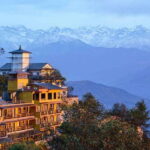
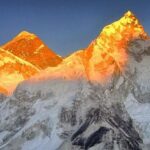
Pokhara to Annapurna Base Camp is a short trek with big-mountain payoff. I like that this route reaches Annapurna Base Camp at 4,130 m (13,550 ft) while still giving you time to enjoy the villages and trails along the way. You’ll also get a classic detour toward Machhapuchhre Base Camp, with views of the famous Fishtail Peak when conditions cooperate.
What I like most is the overall setup: tea house accommodation with full-board meals and a guide who keeps the days moving at a pace that makes sense. The other big win is the people side—English-guided private trekking, and guides like Santosh, Prabit, and Ramit getting real praise for being kind, informative, and careful with timing and rest. The main consideration is fitness and altitude: even though altitude sickness is said to be rarely an issue, the final altitude is real, and the trek can test you if your cardio is weak.
In This Review
- Key highlights worth knowing
- Why this 5-day ABC route makes sense from Pokhara
- Getting to the trail: the Pokhara to Siwai drive
- Day 1: Pokhara to Lower Sinuwa via Jhinu (about 5 hours)
- Day 2: Deurali (about 6 hours) and the altitude rhythm
- Day 3: The Machhapuchhre Base Camp detour and the push to 4,130 m
- Day 4: Explore base camp, then descend to Bamboo (2,400 m)
- Day 5: Bamboo back to Pokhara, with Jhinu hot springs as an option
- Guides, tea houses, and meals: where the value really shows
- Altitude, monsoon rain, and leeches: your practical risk checklist
- Gear and fitness: what to pack and what to test before you go
- Who should book this trek—and who should not
- Price and logistics: what $136 really includes
- Should you book this Annapurna Base Camp trek?
- FAQ
- What altitude do we reach on this trek?
- How long is the trek and how many nights?
- Are meals included?
- Is the hot spring visit included?
- What kind of guide do I get?
- How do I get to the trailhead from Pokhara?
- Do I need to pay extra for a porter?
- What should I bring for the trek?
Key highlights worth knowing
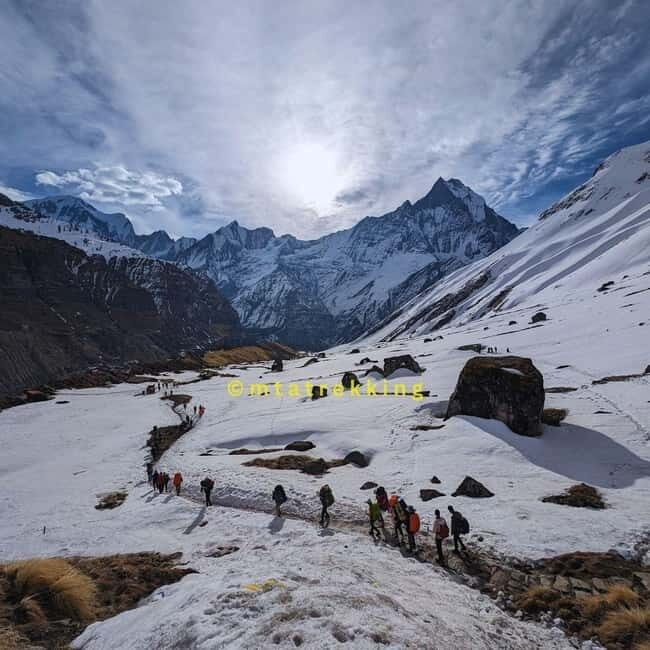
- Machhapuchhre Base Camp detour for a first look at Fishtail Peak before you hit Annapurna Base Camp
- Private English guide with active trip management and pace adjustments
- Tea house nights plus full-board meal coverage for less decision-making on the trail
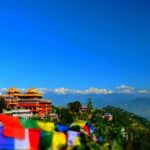
- Cultural trail through Gurung village life as you pass through traditional settlements
- Jhinu hot springs option on the way back, plus hot springs are a known stop area from Pokhara
- Permits included (ACAP, TIMS, taxes) so you’re not scrambling on paperwork
Why this 5-day ABC route makes sense from Pokhara
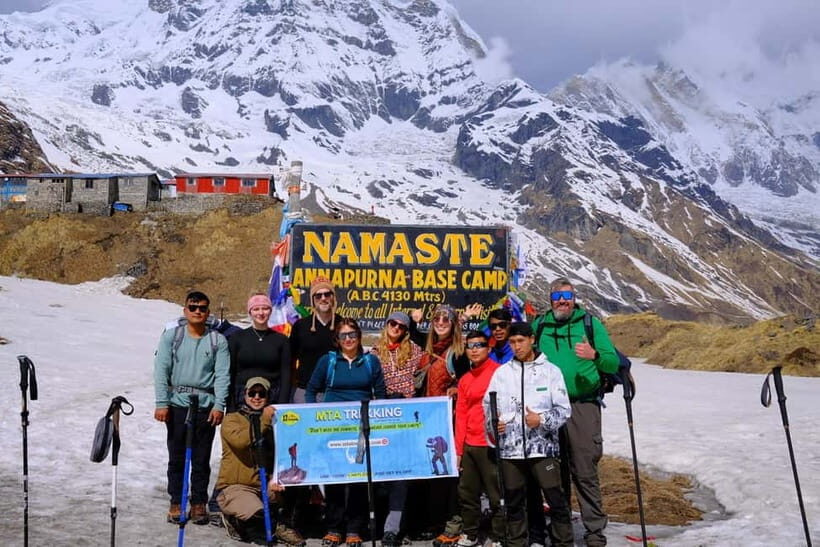
This is a 4-night / 5-day version of the Annapurna Base Camp trek. The key word here is “manageable.” You’ll still hike uphill days, but the schedule is built to fit a real walking rhythm without turning every day into a forced march.
Starting from Pokhara is also a practical advantage. Pokhara is where you can sleep well, eat normally, and get your gear together before the mountains take over. Then, once you’re on the trail, you move from terraced fields and village paths into denser forest and higher Himalayan terrain—step by step, not all at once.
The vibe you’re aiming for is not a race. You’re there for the final base camp moment, but you’ll get more out of it if you treat the climb as a sequence of good days rather than one big “event.”
You can also read our reviews of more hiking tours in Kathmandu
Getting to the trail: the Pokhara to Siwai drive
Your trekking starts after a private vehicle transfer. You’ll be picked up from any hotel in Lakeside Pokhara or from Pokhara International Airport, then travel by jeep/SUV for about 3 hours to the last road area (Siwai) before the hiking begins.
Why this matters: those 3 hours help compress the logistics and keep you from spending precious daylight walking roads. You’ll arrive at the start point ready to move on trails, not still mentally adjusting to the journey.
Also, because this is a private group format, the schedule tends to be simpler. Your guide can coordinate timing with your start and daily pacing without waiting on a big mixed group.
Day 1: Pokhara to Lower Sinuwa via Jhinu (about 5 hours)
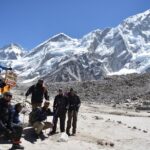
Day 1 starts with a scenic drive, and then you begin hiking toward Lower Sinuwa at around 2,300 m. The route runs through Jhinu, a village area known for its natural hot springs.
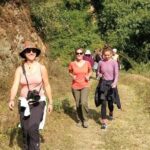
This day is your transition day. Expect plenty of photo stops, a first taste of mountain village life, and enough walking to feel like you’re truly “on trek” without blowing yourself up for day two.
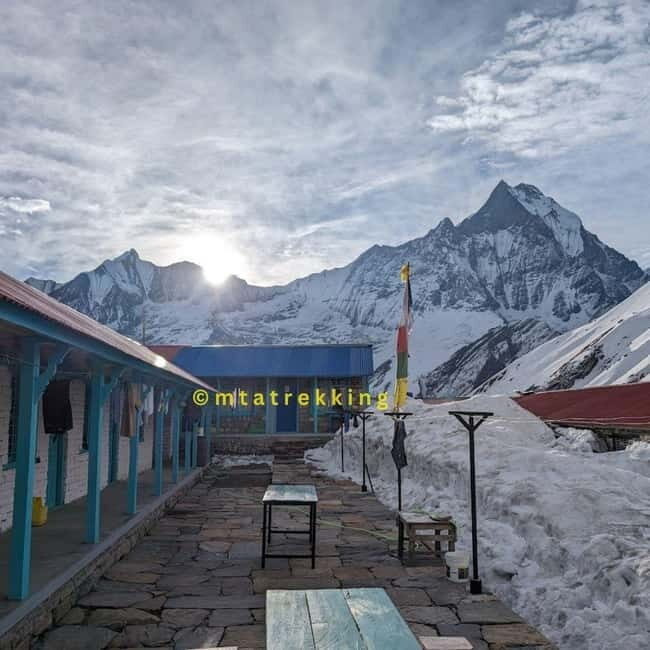
A practical note: Lower Sinuwa is where you’ll settle for the night in a tea house. Tea houses on this route are basic, but you’ll appreciate staying there instead of pushing farther just to reach a higher altitude too quickly.
Day 2: Deurali (about 6 hours) and the altitude rhythm
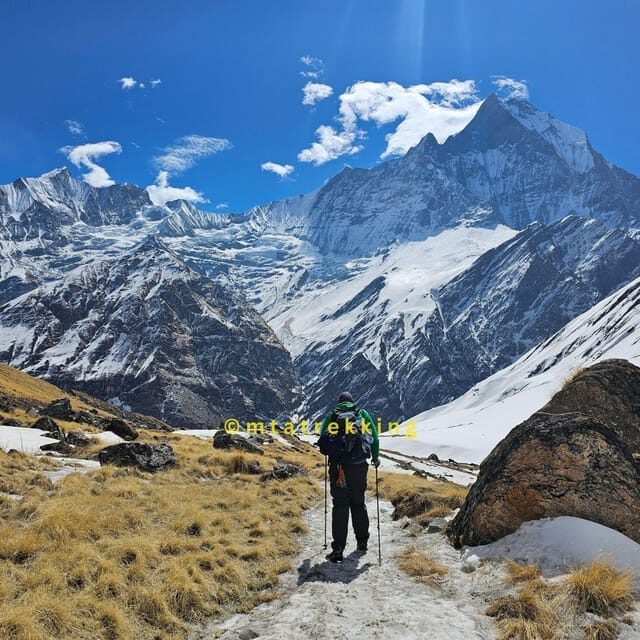
On day two, you climb toward Deurali at about 3,200 m. The hike takes around 6 hours, and you’ll see the terrain change as the day goes on—less farmland and more forested and steeper mountain trail.
This is where good trip management shows up. The strongest guidance on this kind of trek is pacing: steady steps, planned rest, and enough hydration to keep your body working. In the feedback you provided, guides are praised for precisely that kind of care, including adjustments to help prevent overexertion.
Also, Deurali is a useful altitude stop. It’s high enough to feel the Himalaya, but it’s not the final jump to base camp height.
Day 3: The Machhapuchhre Base Camp detour and the push to 4,130 m
Day three is the headline day: Deurali to Annapurna Base Camp is about 4 hours. That sounds short, and it is compared to other treks, but the altitude is real—so you still need to walk like today is about finishing strong, not sprinting.
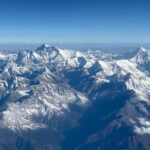
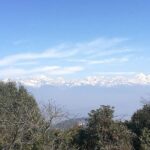
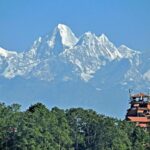
Before you arrive, you take a detour toward Machhapuchhre Base Camp for views of Fishtail Peak. Even when weather isn’t crystal-clear, this detour often gives you the moment that makes the whole trek feel worthwhile.
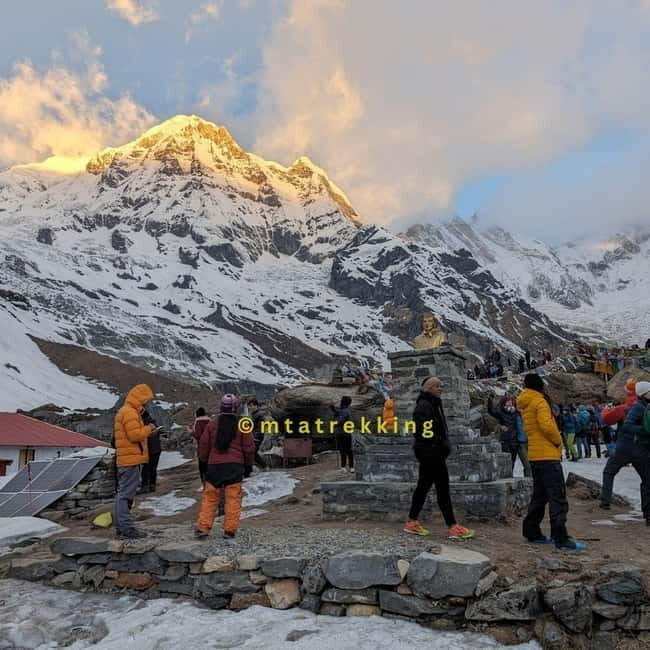
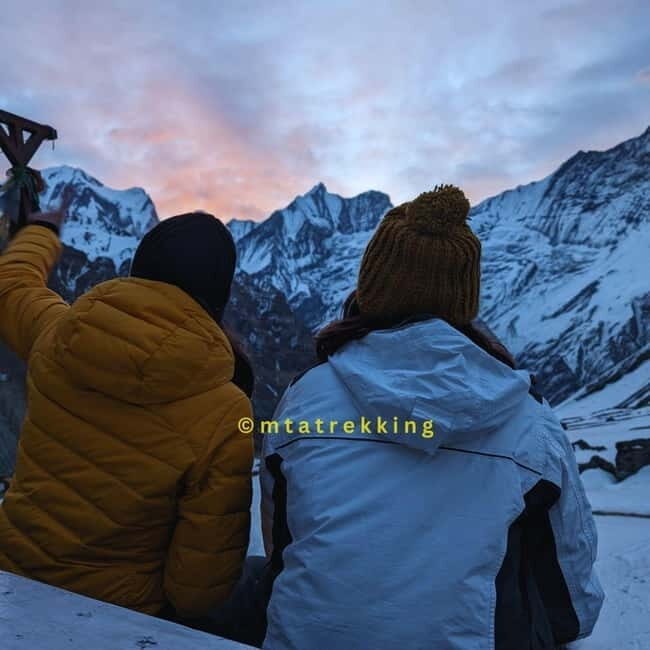
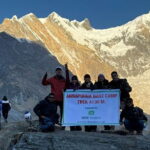
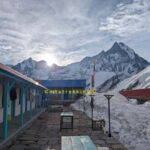
Then comes the arrival at Annapurna Base Camp at 4,130 m (13,550 ft). This is the part people remember: the feeling of reaching the iconic base camp in the middle of the Annapurna massif peaks. One of the most emotional moments noted in the feedback is the sunrise at base camp, described as unforgettable in front of the south face of Annapurna—so if clear skies happen, wake up early and don’t miss it.
You can also read our reviews of more tours and experiences in Kathmandu
Day 4: Explore base camp, then descend to Bamboo (2,400 m)
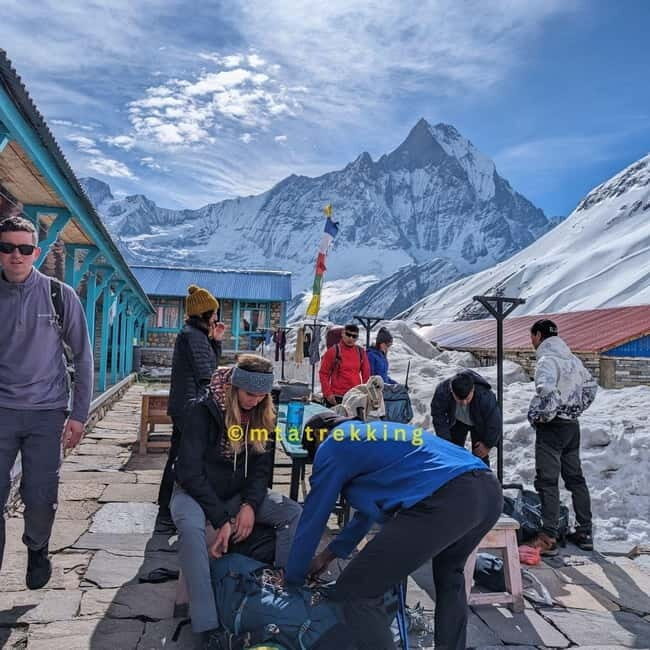
Day four starts with time at the base camp area. You’ll have a chance for photos and a slow, watch-the-mountains day—exactly the kind of break that makes the trek feel less like “hike, hike, hike” and more like you’re actually being there.
After that, you descend to Bamboo at about 2,400 m. Descending is physically easier than climbing, but it still takes steady footing. If your knees get cranky, bring trekking poles and use them early rather than waiting until you’re already sore.
The big value of day four is recovery. A good tea house night in Bamboo helps you reset for day five’s return.
Day 5: Bamboo back to Pokhara, with Jhinu hot springs as an option
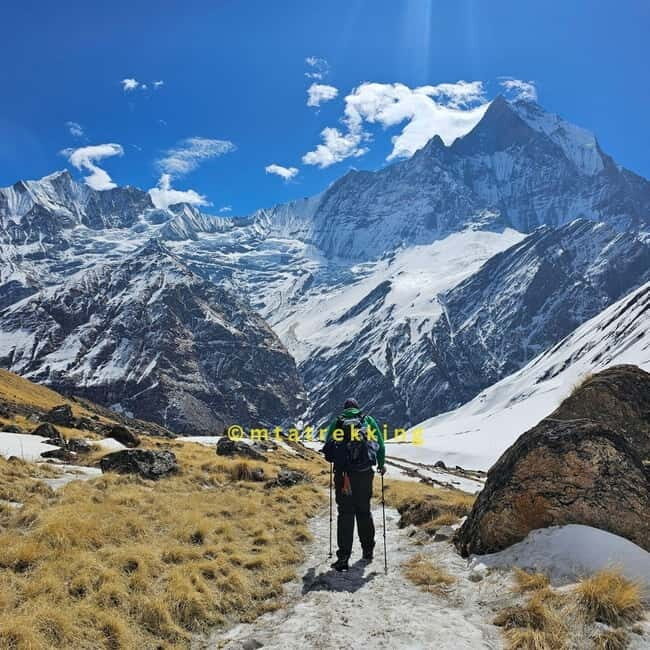
On day five, you return via Jhinu. The hot springs here are optional, but they’re a solid way to reward yourself after days of mountain walking—especially if your legs feel like they want one more day of rest.
After your trek segment, you’ll drive back to Pokhara by jeep/SUV for about 3 hours, finishing at the Lakeside area.
This final day is a relief valve. You go from higher trail effort back into lakeside comfort, where you can eat a real meal, shower if you choose, and recap the trip with the guide who helped make it all work.
Guides, tea houses, and meals: where the value really shows
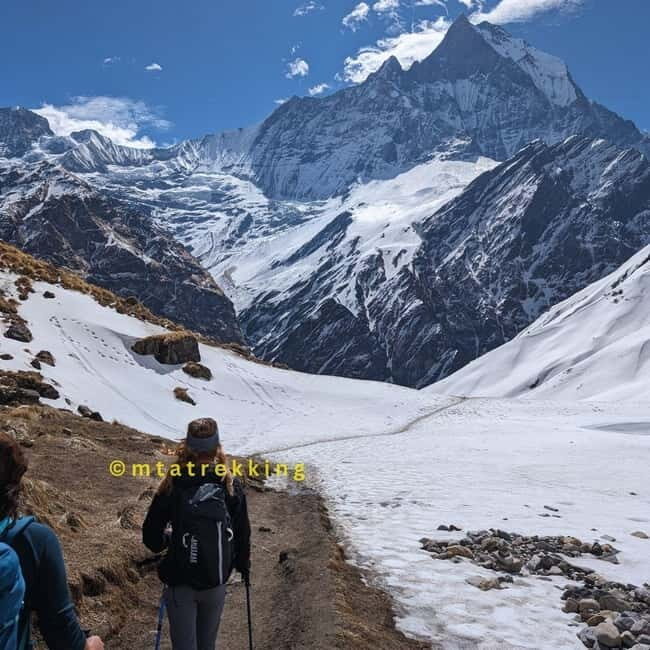
This trek is private, guided, and intentionally organized. You’ll have a live English guide, and the company includes a set of core items: tea house stays and meals (with a recommendation to choose the full board option), plus permits.
In the feedback you shared, guides are repeatedly praised for being kind, helpful, and genuinely interested in explaining mountains and culture. Names that came up include Santosh, Prabit, and Ramit. More importantly, they’re not just doing logistics—they’re also managing effort. That’s huge on a trek like this, where the line between “fine” and “too much” can be thin.
The tea house piece matters too. You’re not carrying a cooking plan or searching for food at the end of each day. You’ll eat what’s available at that elevation, but you can usually count on getting consistent meals that help you keep moving.
One thing to plan for: the trek includes hot springs as an optional add-on experience, but extra comforts like hot showers and wifi are listed as personal expenses.
Altitude, monsoon rain, and leeches: your practical risk checklist
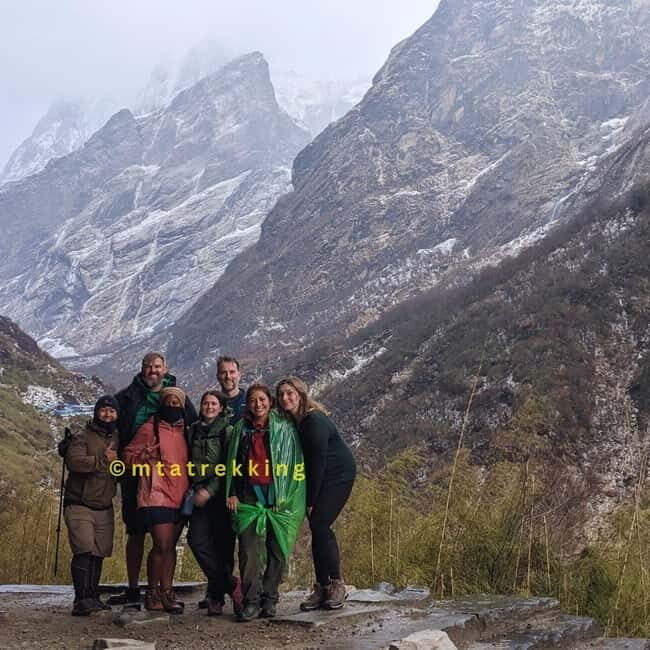
Annapurna Base Camp sits at 4,130 m, and the guide info states altitude sickness is possible even if it’s rarely an issue. Here’s the practical takeaway: don’t treat altitude like a trivia fact. Take it seriously enough to follow pacing advice, drink water regularly, and report any symptoms early.
Weather is another factor you should not ignore. During monsoon season (June–August), the weather can be erratic with heavy rainfall. If you trek then, you’ll want to bring the right gear and listen carefully to the guide’s calls.
Then there are leeches, especially during the monsoon season on lower trails. The recommended approach is simple but effective: wear long pants tucked into gaiters and use insect repellent.
This is why having a guide you trust matters. A guide can help you adapt on the fly—slower where needed, changes in timing if conditions worsen, and practical clothing advice.
Gear and fitness: what to pack and what to test before you go
Your packing list is straightforward:
- Comfortable shoes
- Comfortable clothes and change of clothes
- Cash
- Passport or ID card (a copy is accepted)
The trekking footwear is non-negotiable. If your shoes are not broken in, you’ll pay for it on descents. If you don’t have sturdy shoes, this trek becomes more about pain management than enjoying the views.
Fitness-wise, you do not need to be an Olympian, but you should be ready for daily uphill walking and a final altitude day. The feedback highlights that your fitness matters: people can do the 5-day version, but the climb can still test you. If you haven’t hiked regularly, start training now—long walks on inclines, plus practice carrying a day pack.
Also, think about how you’ll handle cold mornings at altitude. Even when the day warms up, early trekking and base camp sunrise can feel sharp.
Who should book this trek—and who should not
This route is listed as not suitable for:
- pregnant women
- people with mobility impairments
- wheelchair users
- visually impaired people
- people with altitude sickness
- people over 70 years
That’s not being dramatic. It’s about safety and accessibility to steep, uneven terrain and altitude demands.
If you’re generally healthy, have basic stamina, and can handle moderate hikes between tea house stops, this is a good fit—especially if you want a guided, organized trip rather than self-planning permits and overnight logistics.
Price and logistics: what $136 really includes
The price you shared is $136 per person for 5 days. That number only feels “cheap” if you understand what’s included:
- Tea house accommodation
- Meals via full board option
- Hotel pickup and drop-off within Lakeside Pokhara / airport
- Private transport from Pokhara to Siwai and back
- Annapurna Conservation Area (ACAP) permit
- Government permits, TIMS, and taxes covered
- Professional registered trekking guide
- First aid kit on the trek
- Luggage storage facility on Pokhara during trekking
What’s not included is equally important:
- Personal expenses like hot shower, wifi, drinks, mineral water, laundry
- Porter service at $20 per day
- Rescue and insurance
My value read: the money is mostly paying for organization and safety-related items—permits, guide, transport, and lodging/food structure. If you need a porter to protect your knees and energy, budget the extra $20 per day early so you can decide comfortably.
Should you book this Annapurna Base Camp trek?
Book it if you want:
- A realistic 5-day ABC plan with a guided English setup
- A route that includes a meaningful viewpoint detour toward Machhapuchhre Base Camp
- A chance at base camp sunrise if skies allow
- Built-in permits and transport so you can focus on the hike
Skip it (or choose a different plan) if you:
- Have altitude-related concerns or are outside the listed suitability limits
- Know you’ll struggle with steady uphill walking and uneven paths
- Are set on heavy creature comforts like wifi and frequent hot showers (those are personal expenses)
If you do go, do two things well: show up with decent fitness and respect the altitude pacing. If weather turns, stay flexible and trust the guide’s calls. Done right, this trek is one of those rare trips where the final destination feels hard-earned, and the journey there is still satisfying—not just a long warm-up.
FAQ
What altitude do we reach on this trek?
Annapurna Base Camp reaches 4,130 meters (13,550 feet). Altitude sickness is described as rarely happening, but it is still possible, so pacing and attention to symptoms matter.
How long is the trek and how many nights?
The trek is 5 days with 4 nights in tea houses.
Are meals included?
Yes. Accommodation is in tea houses, and meals are included if you choose the full board option.
Is the hot spring visit included?
The Jhinu hot springs on the way back are described as optional. You’ll also pass through the Jhinu area earlier on the route.
What kind of guide do I get?
You’ll have a live English tour guide, and the group type is private.
How do I get to the trailhead from Pokhara?
You’ll be picked up from hotels in the Lakeside area (or Pokhara International Airport) and travel by jeep/SUV for about 3 hours to the trail start area (Siwai).
Do I need to pay extra for a porter?
Porter service is not included. The listed cost is $20 per day.
What should I bring for the trek?
Bring comfortable shoes, change of clothes, comfortable clothes, cash, and a passport or ID card (a copy is accepted). Long pants and protection for insects can also help, especially in monsoon season.