REVIEW · BHAKTAPUR & PATAN DAY TRIPS
Bhaktapur Durbar Square and Boudhanath Stupa
Book on GetYourGuide →Operated by Enticing Himalayas Travels Private Limited · Bookable on GetYourGuide
Two sacred stops, one guided afternoon. On this 5-hour Bhaktapur and Boudhanath day trip, you trade Kathmandu traffic for UNESCO-listed streets in Bhaktapur and the prayer-wheel loop at Boudhanath, guided in English by people like Prakriti or Bijay who know what to point out.
I like the stop-by-stop pacing: photo time, free wandering, and a private car with hotel pickup and drop-off so you can keep your plans flexible. The one downside is that heritage site tickets are not included, so your final cost may be a bit higher once you arrive.
In This Review
- Key Highlights You’ll Actually Feel
- From Kathmandu to Boudhanath: Prayer Wheels and Quiet Focus
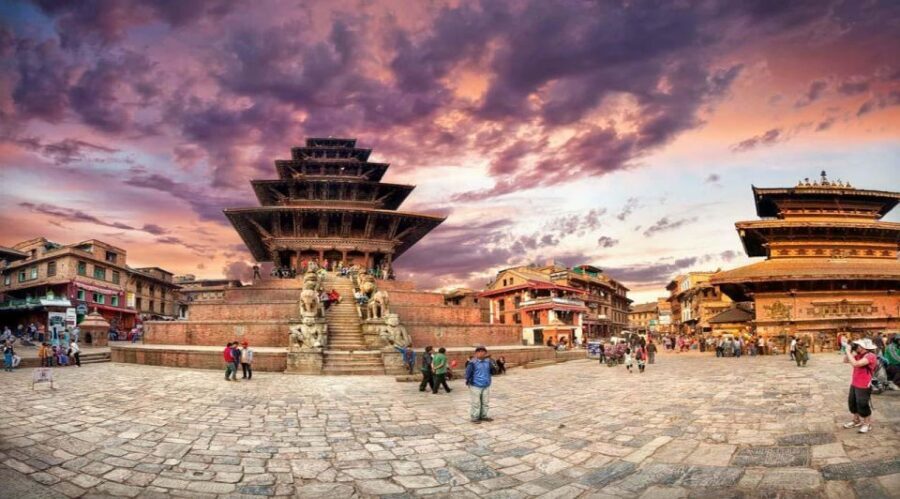
- Bhaktapur Durbar Square: Pagodas, Palaces, and Streets You Can Read
- A Private Licensed Guide Makes the Difference
- Timing, Walking, and Where You Might Want to Slow Down
- Value and Price: What $60 Gets You (and What It Doesn’t)
- Respectful Basics at Boudhanath and Bhaktapur
- Who This Tour Fits Best
- Should You Book This Bhaktapur and Boudhanath Tour?
- FAQ
- How long is the tour?
- Where is pickup included?
- Is this a private tour?
- What language is the tour guide?
- Are heritage site tickets included?
- What’s included in the price?
- Can I cancel and get a refund?
- Is the tour wheelchair accessible?
Key Highlights You’ll Actually Feel
- Bhaktapur Durbar Square on foot: close-up views of pagodas, palaces, and carved details
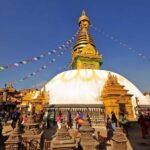
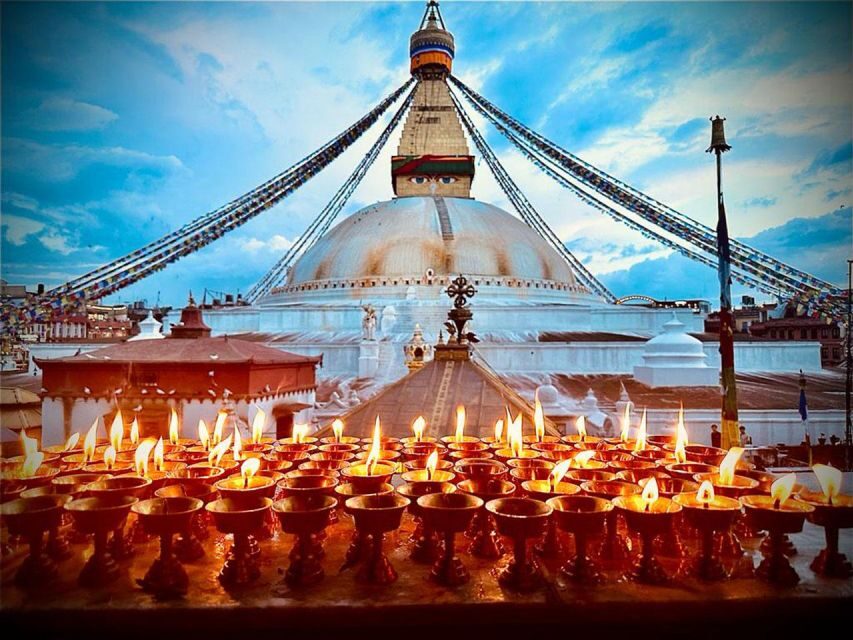
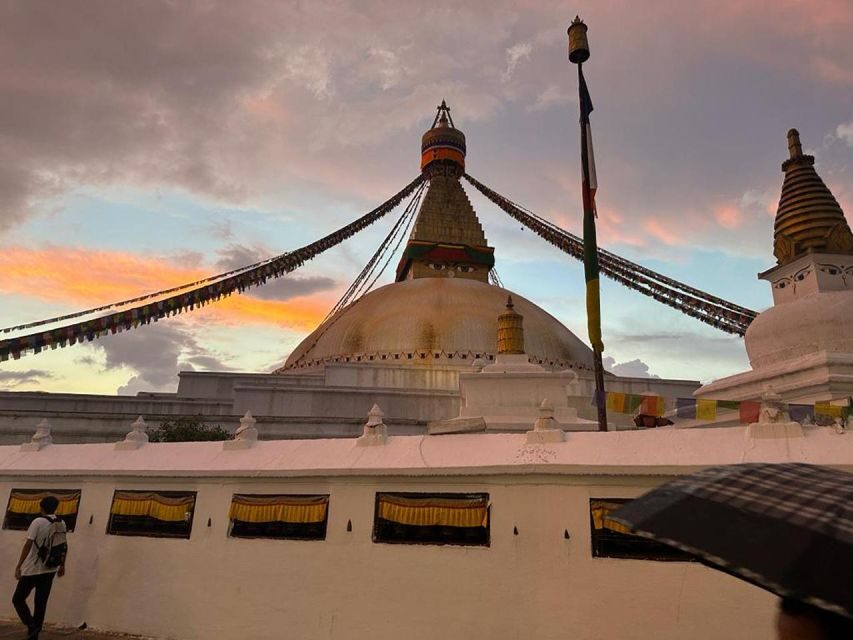
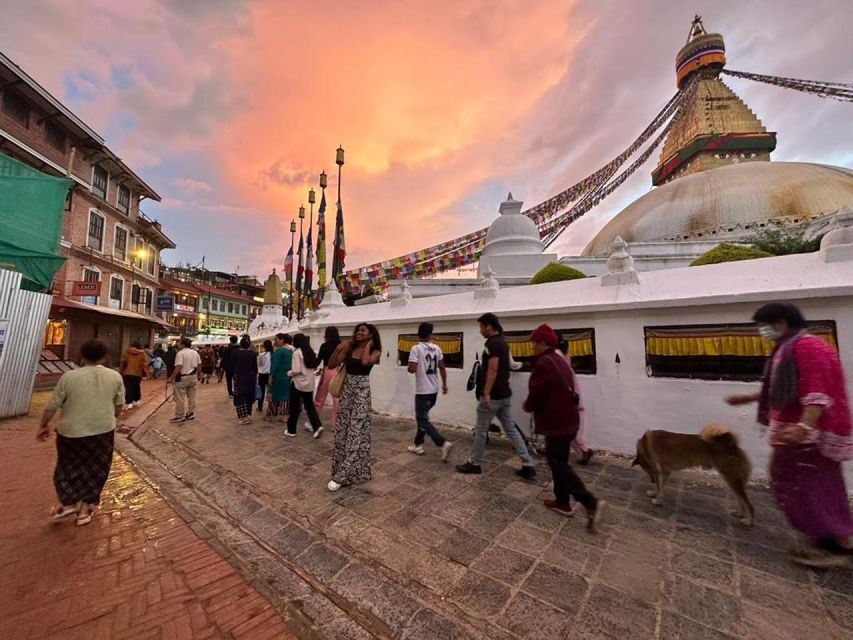
- Boudhanath’s kora rhythm: watch pilgrims circle the stupa and spin prayer wheels
- Tibetan culture around Boudha: monastery atmosphere plus a market for incense and thangka art
- A licensed private guide: English commentary that helps you spot what most people miss
- Photo-focused guidance: your guide works with you on the best angles and group shots
From Kathmandu to Boudhanath: Prayer Wheels and Quiet Focus
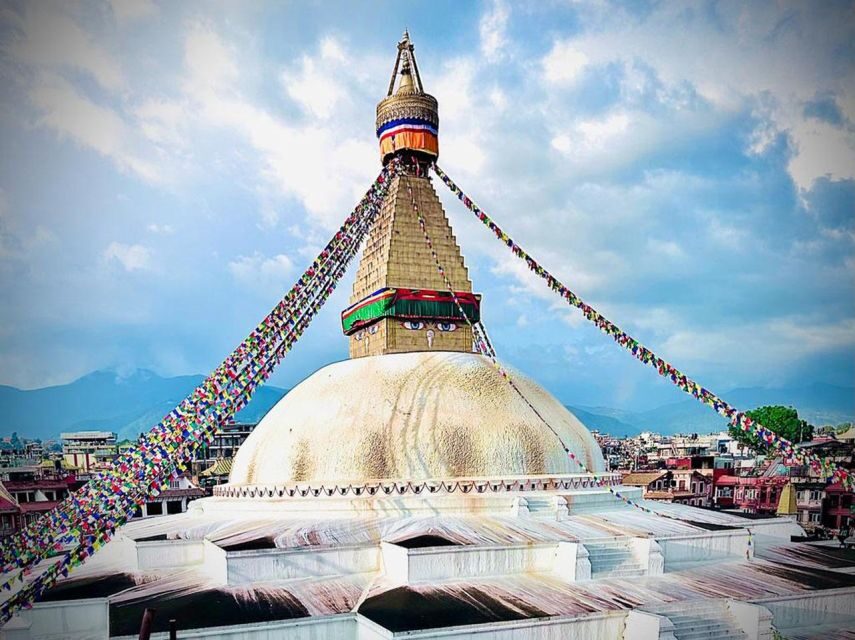
Most trips start by picking you up in Kathmandu, then heading straight for Boudhanath. It’s a smart move. You arrive while the stupa still feels like the main event, not just another stop on a long day.
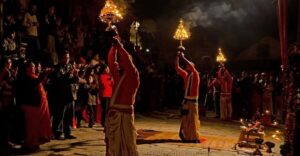
You’ll get an easy mix of photo time, a guided walk, and time to simply stand back and watch. Around the giant stupa, people move in practiced loops during their kora, often with prayer wheels and chanting in the background. You don’t need to be a scholar to feel what’s going on. The repetition alone does the job. It slows your head down and makes your attention more specific.
One thing I really liked is the guide factor here. Guides like Prakriti and Bijay have a knack for explaining the sight lines and the meaning behind what you’re seeing, without turning it into a lecture. If you’ve ever felt lost at a major religious site, this kind of guidance helps you get your bearings fast.
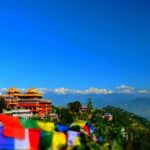
You’ll also have chances to look around the Tibetan community nearby. You can expect monastery atmosphere, prayer flags, and local life in and around the market areas. If shopping is part of your goal, you’ll find options for things like incense and thangka paintings—and the guide can steer you toward places that feel more authentic than rushed souvenir stalls.
Practical note: this stop is scheduled for about 80 minutes. That’s enough to do a proper look and still keep energy for Bhaktapur.
You can also read our reviews of more tours and experiences in Kathmandu.
Bhaktapur Durbar Square: Pagodas, Palaces, and Streets You Can Read
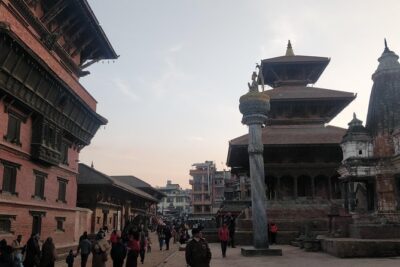
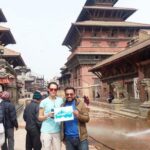
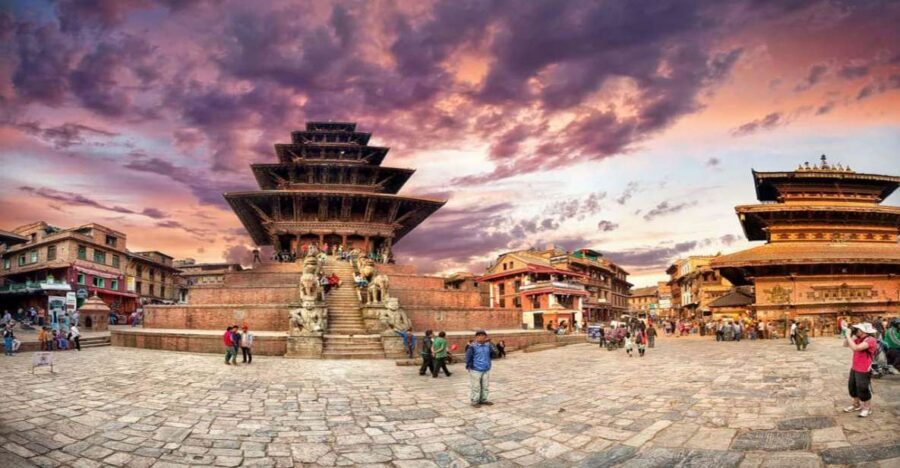
Then the trip shifts gears into Bhaktapur Durbar Square, where the stonework does the talking. Bhaktapur is famous for staying detailed and intact. You don’t just see monuments—you see a whole city shape its identity around them.
At Durbar Square you’ll get a guided visit plus free time to wander. This is where I think the private format matters. You can pause where you want, walk slower through lanes that look like a pattern book, and take photos without feeling like you’re constantly being moved along.
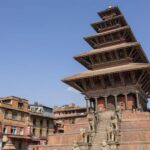
You’ll see hallmark pieces of Bhaktapur’s architecture, including pagoda temples and palace structures. The feel is different from modern sites: it’s older, closer, and more human scale. Instead of viewing from one angle, you notice edges, layers, and the way buildings sit next to each other like they belong to the same story.
This is also where guides can turn “I see a square” into “I understand why it looks like this.” The Malla dynasty’s role in art, architecture, and trade comes up naturally when you walk through the spaces. It helps you connect what you’re seeing—workmanship, layout, and function—with the historical reason it exists.
Your time may include extra stops that go beyond the main monuments. In practice, guides may take you past workshops for crafts such as pottery, woodworking, or paper making, and in some cases you might also be shown a private home with antiques. That kind of add-on is exactly why a good guide is worth paying for.
There’s also shopping time. Bhaktapur is a place where browsing isn’t just busywork—it can be part of understanding the city. If you want carved wood items, craft pieces, or local sweets, you’ll have room to work that into your walk.
The Bhaktapur portion is about 1.5 hours, including guided elements and time to move on your own.
A Private Licensed Guide Makes the Difference
This tour is built around a professional licensed private guide, and it shows. In a place like Nepal, where details matter, the guide isn’t decoration. They’re your translator for what you’re looking at.
From the guides’ names that come up often—Prakriti, Parkriti (a variation you may see), Bijay, and Karma—I’d expect a similar approach: clear explanations in English, quick help with photos, and hands-on guidance for what to prioritize.
Two specific guide strengths stand out:
- Spotting the best photo angles. If you care about getting pictures that look like you were actually paying attention, your guide will help you frame them and even take group shots.
- Turning crafts into context. When you see workshops or craft details, you don’t just watch. You learn what you’re seeing and why it matters.
One small but memorable detail from this kind of tour experience: guides have been known to guide people to good snacks and even offer local treats like yogurt-style surprises. Those are the moments that make the day feel less like a checklist.
If you want the day to feel flexible, choose this private style. You’re not trapped in a marching line, and you can spend a few extra minutes where the stonework or craft process catches your eye.
Timing, Walking, and Where You Might Want to Slow Down
This whole experience is about 5 hours, with a straightforward flow: pickup in Kathmandu, Boudhanath first, then Bhaktapur, then back to Kathmandu.
You should expect walking. The day includes a guided walk at Boudhanath (about 80 minutes) and time walking around Bhaktapur’s square and streets (about 1.5 hours). That’s manageable for most people, but it’s not a sit-and-watch museum day.
The good news: it’s marked wheelchair accessible, and since it’s a private tour, your guide can usually help shape a route that works for your needs. Still, you may want to plan for uneven ground and steps in older areas.
If you’re someone who likes structure, the photo stops and guided blocks provide it. If you’re someone who hates being rushed, the free time segments let you slow down. That balance is the best version of a “day tour”: enough guidance to make it meaningful, enough freedom to make it yours.
Also, don’t underestimate the value of the simple rhythm here. Boudhanath gives you calm focus. Bhaktapur gives you architecture and streetscapes. Switching between them keeps the day from feeling heavy.
Value and Price: What $60 Gets You (and What It Doesn’t)
The price listed is $60 per person, and for Nepal, that’s a solid value when you factor in what’s included.
You generally get:
- Hotel pickup and drop-off
- A free vehicle (car)
- A professional licensed private guide
- Guided time at both major sites
- Skip the ticket line (useful once you reach heritage sites)
- Flexible drop-off to a central spot or back at your hotel
What’s not included is important:
- Food and personal expenses
- Tickets to heritage sites
So the true cost depends on your choices once you arrive. If you’re budgeting, plan for tickets separately and keep some cash for snacks, drinks, and any shopping you decide to do.
When I look at value for a tour like this, I don’t judge only by the base price. I judge by how much decision-making you avoid. Here, you avoid figuring out transport, guide coordination, and the flow between Boudhanath and Bhaktapur. You’re paying to have a day that makes sense.
Also, the private format changes the math. You’re not paying for a “cheap group.” You’re paying for dedicated attention, smoother timing, and less chaos. If you’ve traveled in crowded places before, you already know how much energy that saves.
Respectful Basics at Boudhanath and Bhaktapur
These sites welcome visitors, but the cultural rules are real. You don’t need to worry about getting every detail right. Just keep a few basics in mind.
At Boudhanath:
- Watch how people perform kora. Follow the flow. Don’t cut through groups mid-circulation.
- Keep your voice calm and your movements deliberate, especially close to prayer activity and prayer wheel areas.
- Take photos thoughtfully. If people seem focused on ritual, give them space.
At Bhaktapur:
- You’re walking through old spaces that still feel lived-in. Look, don’t rush.
- If you stop for shopping or crafts, treat shopkeepers like real people, not obstacles to your next photo.
A good private guide helps here too. They’ll point out where your attention is most useful and where you should slow down.
Who This Tour Fits Best
This is a great option if you want a short Nepal culture day without turning it into a stress marathon.
It fits especially well if you:
- Have only a few hours in Kathmandu and want both Bhaktapur and Boudhanath
- Want a private experience with pickup and drop-off handled for you
- Prefer guided context instead of wandering alone and guessing
- Care about photos but don’t want to spend the day fighting for the right angle
It might be less ideal if you:
- Want a very long, slow exploration of just one place
- Don’t like walking around historic squares and streets
- Have no interest in religious sites or craft markets
If your priority is checking off landmarks, you’ll still enjoy it. But if your priority is understanding what you’re seeing, this setup gives you a strong edge.
Should You Book This Bhaktapur and Boudhanath Tour?
Yes, you should book it if you want a day that feels guided, not scripted, and you like the mix of spirituality and architecture.
Book it when:
- You want pickup in Kathmandu and a car so you can relax
- You value English commentary and practical guidance
- You’d like time to wander and shop without feeling rushed
Consider another option if:
- You hate walking in older areas
- You’re trying to keep costs ultra-low after adding heritage tickets
- You want a full-day deep cultural immersion instead of a 5-hour circuit
My best advice: go into it ready to look closely. The charm of Bhaktapur isn’t one photo—it’s the details you notice as you walk. And the calm at Boudhanath isn’t a single viewpoint—it’s the steady motion of people doing their ritual.
FAQ
How long is the tour?
The duration is about 5 hours.
Where is pickup included?
Pickup is included in Kathmandu, and the driver or guide will call and confirm and pick you up at your designated location.
Is this a private tour?
Yes, it’s a private group.
What language is the tour guide?
The live tour guide is available in English.
Are heritage site tickets included?
No. Tickets to heritage sites are not included, even though you may skip the ticket line.
What’s included in the price?
Hotel pickup and drop-off, a free car, a professional licensed private tour guide, and free booking and cancellation are included.
Can I cancel and get a refund?
Yes. You can cancel up to 24 hours in advance for a full refund.
Is the tour wheelchair accessible?
The tour is marked as wheelchair accessible.