REVIEW · ANNAPURNA CIRCUIT TREKS
Annapurna Circuit Trek in Nepal (9 Days)
Book on Viator →Operated by Recreation Holidays Pvt. Ltd. · Bookable on Viator
Fresh air, big views, and real mountain villages.
This 9-day Annapurna Circuit trek in Nepal is built around the rhythm you actually want: get to the trail smoothly, climb at a smart pace, and still have time to enjoy the people and scenery along the way. Two things I really like here are the licensed English-speaking guidance and the way meals, permits, and trekking support are handled up front so you can focus on the hike, not the paperwork.
The main drawback to know is altitude. You’ll be doing long, high-elevation days with an early push for Thorong La (5,416m), so you need realistic fitness and patience with slow steps.
In This Review
- Key things that matter before you go
- Why the Annapurna Circuit feels like more than a hiking checklist
- Price and what you really get for $880
- Day 1 in Nepal: an early start that sets the whole tone
- Trek Day 2 to Chame: Tibetan villages and apple-orchard country
- Trek Day 3 to Paungda Danda: forests, bridges, and big curved rock views
- Day 4 to Manang: a highlight day with panoramic payoff
- Day 5 in Manang: acclimatization day that protects your legs and your lungs
- Day 6 to Yak Kharka: steady climb, cultivated farmlands, and rhythm
- Day 7 to Thorong Phedi: the approach to the pass
- Day 8: Thorong La crossing at 5,416m and then Muktinath
- Day 9 to Pokhara: the descent back into comfort
- Guides, safety, and the quiet details that make it feel well run
- Who this trek suits best (and who should be cautious)
- Should you book this Annapurna Circuit trek?
- FAQ
- What time does the trek start?
- How many days and nights are included for trekking?
- What meals are included?
- Is a guide included?
- Do I need a porter?
- How do I get back to Pokhara?
Key things that matter before you go
- Kathmandu pickup and a fast start: you’re picked up early (around 6/7 AM, with a 6:15 am start time listed).
- Included permits and a real trekking safety setup: permits, first-aid kit, and emergency evacuation support are part of the package.
- Manang acclimatization built in: you get a dedicated day to adjust before going higher.
- Thorong La timing is aggressive on purpose: you’ll start around 3 AM to cross the pass.
- Tea-house trekking with twin-share stays: 8 nights during the trek, included in the price.
- Porters are optional, not required: porter service is available for an extra fee.
Why the Annapurna Circuit feels like more than a hiking checklist
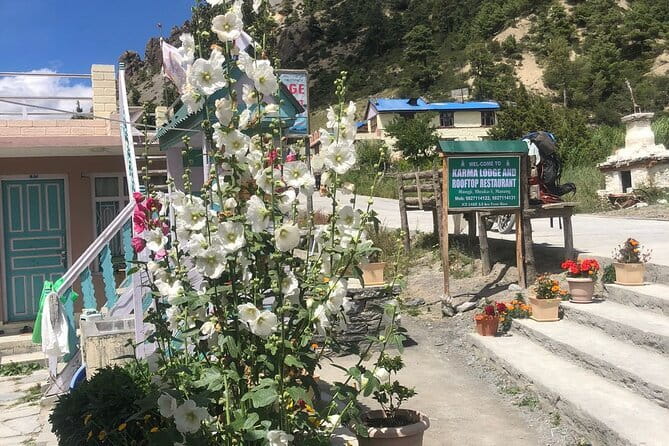
The Annapurna Circuit is famous for a reason: you’re not just climbing into thin air. You’re moving through different elevations and cultures in a way that feels gradual, even when the legs complain. This plan takes you from lower settlements into alpine country, then up to the pass, then down toward temple country at Muktinath before rolling into Pokhara.
What makes this specific 9-day version appealing is the pacing. You get real trekking days, but you’re also given time to breathe—especially in Manang, where your itinerary includes acclimatization rather than rushing higher the next day. That’s the difference between a trip that feels managed and one that feels like a scramble.
You can also read our reviews of more hiking tours in Kathmandu
Price and what you really get for $880
At $880 per person, this trek can be good value if you want the trip to run like a system. The big included items are what usually add up when you book separately: licensed guidance, permits, daily meals, and trekking logistics between Kathmandu and the trail.
Here’s what’s included that matters most:
- 8 nights tea house accommodation (twin sharing)
- Licensed English-speaking guide, plus an assistant guide for groups of 8+
- All necessary trekking permits
- First-aid medical kit
- Emergency evacuation support (not the same as insurance coverage—you still need travel insurance)
- Meals during the trek: 8 breakfasts, 8 dinners, and 9 lunches
- Local transport: Kathmandu to Dharapani and Muktinath to Pokhara
- Luggage storage during the trek (so you’re not hauling everything back and forth)
What’s not included (and you should plan for it now):
- Private transportation
- Porters: available for $240 per porter (not automatic), with a guideline of 1 porter for every 2 trekkers
- Nepal entry visa
- International airfare
- Accommodation in Kathmandu/Pokhara
- Travel and medical insurance
- Extra baggage charges
If you’re already the kind of traveler who likes to hike with fewer decisions, this package-style approach is where the value is. You pay once, and then you operate inside a schedule.
Day 1 in Nepal: an early start that sets the whole tone
You start the day with pickup in Kathmandu around 6/7 AM. The itinerary then uses road transport first, with a scenic bus ride to Bhulbhule via Besisahar, and then a shared jeep after you reach Bhulbhule.
This matters more than it sounds. On trek days, you’ll be watching your energy and your altitude. So getting the “get there” portion handled the first day helps you show up for the hike the next day without spending your best morning figuring out transport.
You’ll be meeting at/near Tribhuvan Airport in Kathmandu, and the listed start time is 6:15 am. The early departure is typical for this kind of route, but it’s still worth preparing for: sleep early, hydrate, and keep your morning routine simple.
Trek Day 2 to Chame: Tibetan villages and apple-orchard country
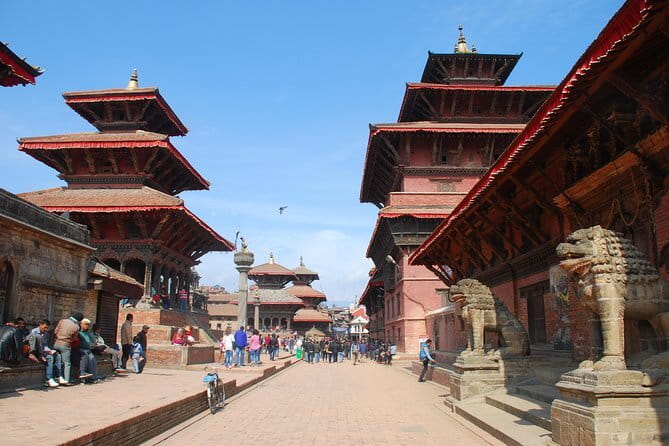
Day 2 starts by leaving Dharapani, then moves you into cooler alpine terrain. This is the kind of day where the work builds slowly, and the payoff shows in the details: walking through Tibetan villages like Bagarchhap and Danakyu, with apple orchards appearing along the way.
Then comes Chame. Chame is a practical trekking stop—one of those places where you can settle into tea-house life, get warm, and prepare for higher altitudes ahead. The key thing I’d take from a day like this is mindset: it’s not a sprint. You’re building a base.
Potential drawback: the early days can still feel long if you start too fast. If you want to cross the pass later, it’s smart to keep today’s pace steady.
Trek Day 3 to Paungda Danda: forests, bridges, and big curved rock views
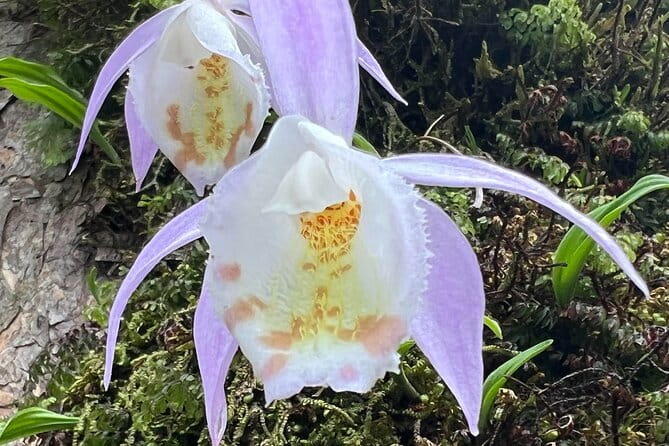
Day 3 moves you through dense rhododendron and pine forests, then across multiple suspension bridges before arriving at Paungda Danda, described as a majestic curved rock face.
This is the day I’d call “variety with purpose.” Forest sections help you stay mentally fresh because you’re not staring at the same view for hours. The bridges add texture to the walk, and Paungda Danda gives you a memorable visual marker that you’re moving into more dramatic terrain.
One practical note: forest days often make you feel warmer and slower, which can trick you into hiking harder than you think. Keep checking your effort. Later days are where you’ll feel the cost of burning out early.
Day 4 to Manang: a highlight day with panoramic payoff
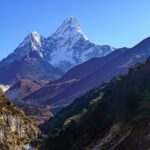
On Day 4, you trek toward Manang, which is one of the major hubs on the circuit. The itinerary describes an initial stretch of flatter terrain, followed by a gradual ascent to Humde—plus panoramic views of Annapurna II, III, and I.
You’ll reach Manang by the end of the trekking day. The reason Manang is a highlight isn’t just the mountains. It’s also the feeling of being somewhere that’s built for high-altitude trekkers: more travelers, more services, and more chances to learn what altitude does to you.
Possible consideration: the views can tempt you to stop constantly. That’s not bad, but keep your total time and breathing under control so you don’t pay for it later.
Day 5 in Manang: acclimatization day that protects your legs and your lungs
Day 5 is reserved for acclimatization. This day is valuable because altitude doesn’t care about your enthusiasm. The itinerary gives you options, including:
- exploring Manang village
- hiking up to glacial lakes at the base of Gangapurna
- visiting local monasteries
I like acclimatization days because they reduce the odds you’ll feel wiped out before the real push. Instead of forcing your body higher, you give it a chance to adjust while still moving enough to feel like you’re on an adventure, not stuck.
If you like planning-your-effort, this is where you do it. Keep your altitude day calm. Go easy on the steep parts. Your reward comes later at higher elevations.
Day 6 to Yak Kharka: steady climb, cultivated farmlands, and rhythm
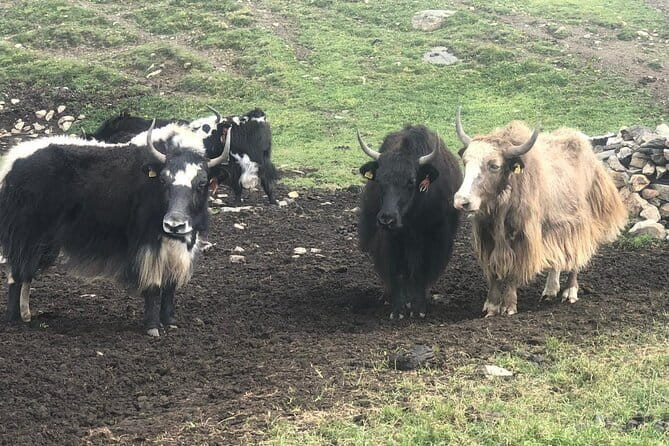
Day 6 takes you to Yak Kharka. The route passes through local settlements and cultivated farmlands, then continues with a steady but moderate ascent that’s meant to keep acclimatization in mind.
The itinerary also includes crossing a suspension bridge before you reach your next tea-house area. This is classic circuit pacing: you don’t just grind upward. You walk through human-scale landscapes—fields, homes, and trails used by locals.
Practical takeaway: days like this are where you learn your “pass pace.” Keep your breathing easy enough that you can talk in short sentences. If you’re too winded, you’re likely going too fast for your goal of Thorong La.
Day 7 to Thorong Phedi: the approach to the pass
Day 7 is the hike toward Thorong Phedi, taking about 4–5 hours with a gradual incline. The altitude makes the pace slower, but the goal is simple: set yourself up for the pass day.
This is one of the most important days in the whole trek because it’s when you turn from sightseeing to logistics. You’ll want hydration, rest, and a calm body for the early morning start the next day.
If you’ve never done an altitude pass, here’s a helpful mindset: you’re not trying to win a race. You’re trying to arrive fresh enough to keep moving efficiently when cold and altitude hit.
Day 8: Thorong La crossing at 5,416m and then Muktinath
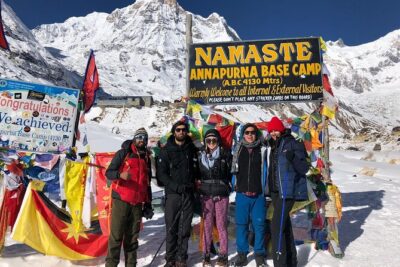
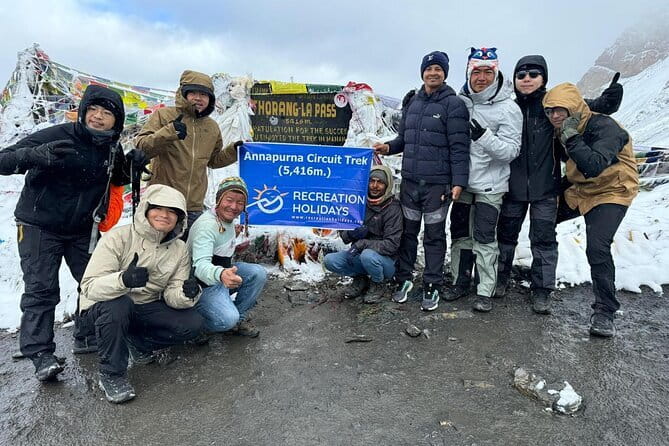
Day 8 starts early, around 3 AM, so you can cross Thorong La, the highest point on the Annapurna Circuit at 5,416 meters. This is described as the trek’s most thrilling day, with breathtaking panoramic views at the summit.
After the pass, you continue to Muktinath Temple. That’s a meaningful contrast: from harsh, high-altitude conditions to a place known for spiritual significance and the feeling of being in a different cultural world.
Important consideration: cold morning starts can feel harder than the number on the map. Dress for sudden temperature shifts and take it slow at the pass. Even if you feel strong on the trail, altitude can make normal walking feel steep.
Day 9 to Pokhara: the descent back into comfort
After a rest day won’t be possible in the middle of this itinerary, Day 9 becomes your recovery window. You travel from Muktinath to Pokhara by jeep or bus. The drive includes scenic views of the lower Mustang Valley as you descend, which helps turn your last day into a reward instead of just a transfer.
Pokhara is where the circuit ends and where you can finally let your body unclench. If your trip schedule allows, plan at least a few hours in town to shower, eat something you actually crave, and slowly process what you just did.
Guides, safety, and the quiet details that make it feel well run
This trek comes with real structure:
- a licensed English-speaking guide
- an optional assistant guide for larger groups (8+)
- an included first-aid medical kit
- emergency evacuation support tied to travel insurance
- luggage storage during the trek
- an achievement certificate available on request
Those last two are small, but they matter. Luggage storage keeps you from hauling extra weight and makes the Kathmandu rhythm and tea-house rhythm easier to handle. The certificate is the kind of touch that makes the hard days feel official.
Also, I appreciate that the itinerary includes planned meals rather than leaving you to hunt. When you’re climbing and breathing hard, being able to expect breakfast, lunch, and dinner keeps decision fatigue down.
Who this trek suits best (and who should be cautious)
This is listed as suitable for people with moderate physical fitness. That doesn’t mean it’s easy. It means the plan is realistic for hikers who can handle several hours on trails, steep days, and altitude.
You’ll likely enjoy this itinerary most if you:
- want a guided trek with permits handled
- like culture plus mountain walking, not just one or the other
- prefer a pace that includes Manang acclimatization
- can handle early mornings and cold conditions
Think twice (or ask questions before booking) if you’re dealing with health constraints that altitude can worsen. Since travel and medical insurance is not included, you should also make sure you’re covered and understand how evacuation support works with your policy.
Should you book this Annapurna Circuit trek?
I’d book this itinerary if you want the Annapurna Circuit experience with a strong support layer: licensed guidance, permits, planned meals, tea-house accommodation, and a thoughtful acclimatization day in Manang. The early 3 AM pass crossing is a big commitment, but it’s part of how the route is designed to make Thorong La achievable.
Skip it if you want maximum independence or luxury comforts. Tea houses are simple by nature, and the schedule has long days and high-altitude pressure. But if you’re the type who likes hiking with good people, clear organization, and unforgettable mountain moments, this is a solid way to do the circuit.
FAQ
What time does the trek start?
The listed start time is 6:15 am, with pickup in Kathmandu around 6/7 AM.
How many days and nights are included for trekking?
It’s an approx. 9-day trek, with 8 nights of tea house accommodation during the trek.
What meals are included?
You get 8 breakfasts, 8 dinners, and 9 lunches during the trek.
Is a guide included?
Yes. The tour includes a licensed, English-speaking guide. An assistant guide is included for groups of 8+.
Do I need a porter?
Porter service is optional and costs $240 per porter. The guideline provided is 1 porter for every 2 trekkers.
How do I get back to Pokhara?
After Muktinath, you travel to Pokhara by jeep or bus. Local transport from Muktinath to Pokhara is included.