REVIEW · ANNAPURNA CIRCUIT TREKS
10 Days Annapurna Circuit Trek
Book on Viator →Operated by Himalayan Trekking · Bookable on Viator
The 10 Days Annapurna Circuit Trek is the kind of trip where the scenery changes day by day, from Kathmandu-side temple time to the high-point drama at Thorung La (5,416m). I like the small-group pace (up to 15 people) and the human touch, with guides like Babu and friendly porters such as Rojit helping the days run smoothly. One thing to plan for: this route is genuinely steep and high, so you’ll want solid fitness and a calm, altitude-aware attitude.
What makes this package practical is what’s included. You get your guide and porters (1 porter assigned for 2 people), a sleeping bag, coffee or tea, private transportation, meals across the trek, and the domestic flight from Jomsom to Pokhara—so you can focus on walking, eating, and enjoying the mountain rhythm without constant logistics.
In This Review
- Key Things I’d Highlight Before You Go
- Why the 10 Days Annapurna Circuit Trek Feels Like a Real Nepal Route
- How the Trek Ramps Up: Altitude, Effort, and What to Expect
- Day 1: Manakamana Temple Time and the Road to Besisahar
- Days 2 to 4: Chame, Narrow Valleys, and the Manang View Build
- Day 5: Manang Village Life and Gangapurna Lake
- Days 6 to 7: Gunsang, Yak Kharka, and the Long Trail to Thorung Phedi
- Day 8: Thorung La Pass (5,416m) and Sacred Muktinath Temple
- Day 9 and 10: Kali Gandaki Descent, Flight to Pokhara, and Fewa Lake Time
- Price and What You’re Actually Getting for $1,430
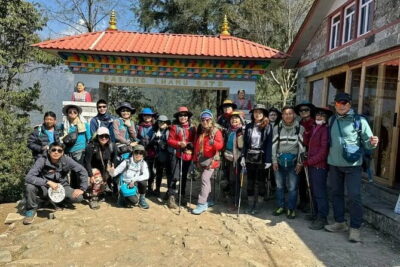
- The Guide-and-Porter Difference: How People Like Babu and Rojit Change the Trip
- Should You Book This Annapurna Circuit Trek?
- FAQ
- What is the price of the 10 Days Annapurna Circuit Trek?
- How long is the trek?
- Where does the trek start and when?
- What is the end of the trek?
- Is a flight included?
- What meals are included?
- Are coffee or tea included?
- Is a sleeping bag provided?
- How many porters are assigned?
- What costs are not included?
- FAQ
- Is there free cancellation?
- What is the maximum group size?
- What fitness level is recommended?
Key Things I’d Highlight Before You Go
Small-group trek (max 15) for a calmer pace
Guides and porters are part of the value, not an add-on
Thorung La Pass is the big altitude headline at 5,416m
Manang days stack in mountain views and local life
Kali Gandaki descent leads into a flight and Pokhara recovery time
Meals and coffee/tea are included, but bottled water and alcohol aren’t
Why the 10 Days Annapurna Circuit Trek Feels Like a Real Nepal Route
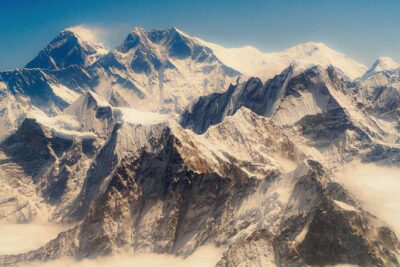
This trek covers about 160–230 kilometers (100–145 miles) around the Annapurna Massif. That range matters, because it signals variety: forests, river crossings, Tibetan-style villages, big arid sections, and then high alpine country near the pass.
The best part is that the trip doesn’t treat the mountains like a postcard. It keeps pulling you into mountain culture and day-to-day travel: village stops, a lake visit in Manang, and the sacred stop at Muktinath. If you like your trekking to feel like movement through real places (not just a single scenic “viewpoint day”), this itinerary makes sense.
There’s also a smart pacing structure. You spend early days climbing and settling in, then later hit Thorung La as the payoff. You’re not meant to rush; you’re meant to keep going.
You can also read our reviews of more hiking tours in Kathmandu
How the Trek Ramps Up: Altitude, Effort, and What to Expect
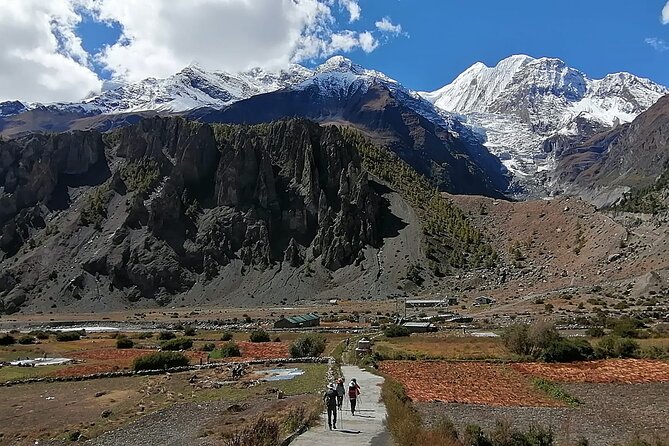
You’ll want moderate physical fitness for this trek, and the days are not all equal. Some sections are straightforward uphill trail. Others are narrower and can feel unstable—especially around the stretch toward Thorung Phedi.
Altitude is the other reality check. The route takes you to 5,416m at Thorung La, so your attitude matters: slow steps, steady breathing, and listening to your guide if you feel off. In past trips with this company, reviewers specifically called out how the team handled altitude trouble by staying focused on safety and support. That doesn’t mean you can ignore altitude, but it does mean you’re not left on your own if the air thins.
Timing also matters. This trek includes long travel days between walking, like the opening Kathmandu-to-Besisahar drive, and the final flight reset to Pokhara. Think of those as parts of the journey, not interruptions.
Day 1: Manakamana Temple Time and the Road to Besisahar
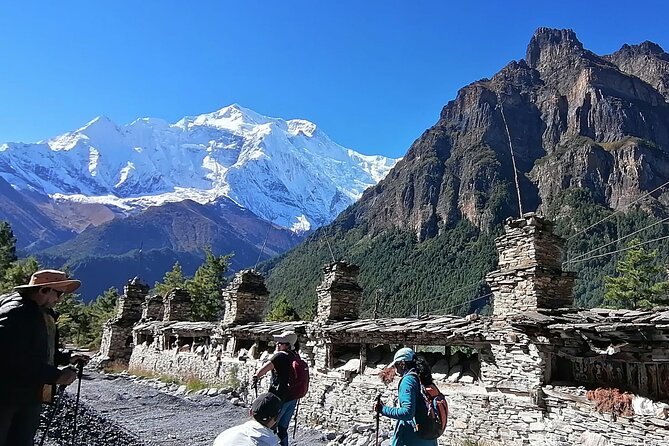
You start with a morning pick-up. The tour notes a 7:15am start time at Himalayan Trekking and Tours in Kathmandu, and the trek staff arrives early (7am is mentioned for pickup). Then you head out by road toward Besisahar, the gateway area for many Annapurna routes.
Before the trekking rhythm begins, you’ll visit Manakamana Temple. It’s a very Nepal-flavored way to start: sacred, atmospheric, and a reminder that these mountain regions aren’t separate from everyday faith and tradition.
Practical note: it’s a long day that begins with time on the road. If you’re prone to feeling stiff after car rides, plan for a slow warm-up once you’re walking again.
Days 2 to 4: Chame, Narrow Valleys, and the Manang View Build
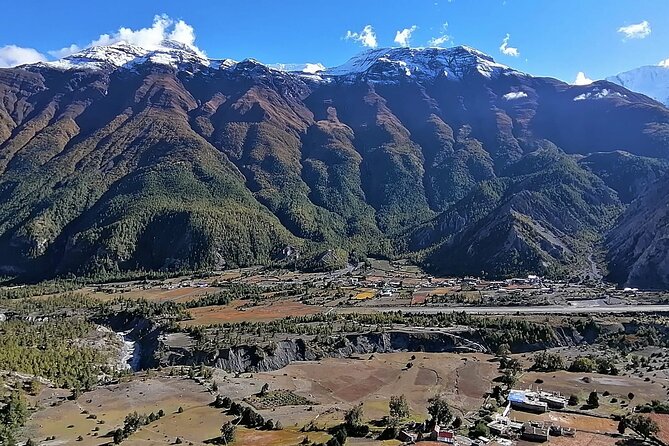
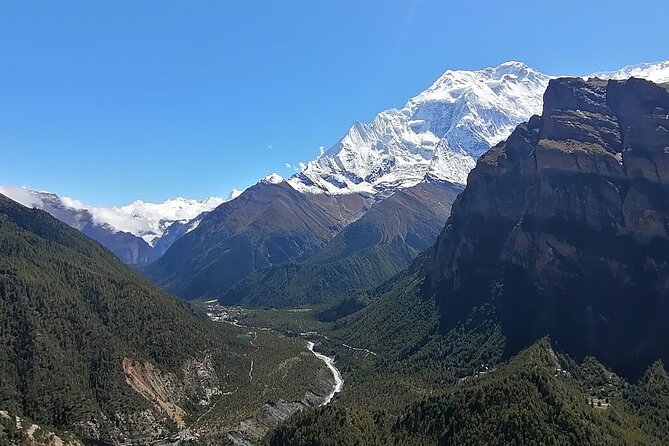
Day 2 steps you upward from around Tyanja (2,360m) toward Kopar (2,590m), then continues until Chame, the headquarters area of the Manang district. This is where the itinerary starts rewarding you with proper mountain sightlines, including views of Annapurna II.
Day 3 is all about the feel of the route: a deep forest, a steep and narrow valley, and multiple river crossings. The plan includes a long bridge crossing around 2,910m, then another crossing near 3,040m. Near that second bridge, the Paungda Danda rock face becomes a real visual moment—one of those scenes that makes you understand why trekkers keep coming back.
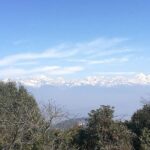
Day 4 shifts toward pine forests and then brings the Manang area close. Near Manang, you get close-up sightlines of several peaks: Gangapurna, Annapurna II and III, Tilicho, Chulu east, and Pisang Peak. This is the “views stacking” day, when you start to see the bigger Annapurna picture instead of single mountains at a time.
What you’ll like most here: the way the route gradually pulls you higher while building up your mountain awareness.
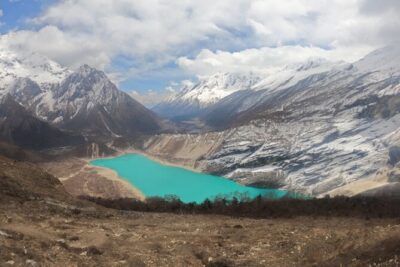
Day 5: Manang Village Life and Gangapurna Lake
Day 5 is a break from the pure climbing grind. You’ll explore Manang village for the real mountain-life feel—interacting with locals and seeing village routines that sit alongside the trekking world.
Then comes Gangapurna Lake, described as a highlight: you’ll spend time exploring the lake area as part of this day’s experience.
This is also one of the days that helps with altitude, because it gives you a chance to move, look around, and reset your energy. It’s not “easy,” but it’s more human-scale than the highest-altitude push.
If you like cultural moments that aren’t museum-like, this is where the trek softens and becomes more personal.
Days 6 to 7: Gunsang, Yak Kharka, and the Long Trail to Thorung Phedi
Day 6 leaves Manang behind and heads into the Marshyangdi valley. The day includes strenuous ascends and a progression through places like Gunsang village and Yak-Kharka, with Ledar reached before sunset.
This is classic Annapurna Circuit texture: a “keep moving” day where the reward is arriving at the next sleeping spot with enough daylight left to feel human again.
Day 7 is a tougher hiking profile. You’ll walk along the east bank of the Jorsang Khola, heading toward Thorung Phedi. The itinerary calls out that the trail can be tough: narrow paths and unstable slopes. Then you sleep in Thorung Phedi.
That overnight is important. It sets you up for the pass day, and it means you’ll likely wake up feeling tired-but-ready rather than fresh and naïve. For many people, that’s the right mental frame.
Day 8: Thorung La Pass (5,416m) and Sacred Muktinath Temple
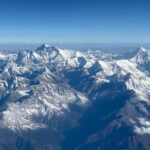
Day 8 is the payoff day. You start for Thorung La (5,416m), the highest point on the trek. The description emphasizes rocky ridges and the moment when you can spot the Dhaulagiri range from the elevated area.
This day also includes a stop at Muktinath Temple, tied to the Mustang region. It’s described as holy and powerful, and the timing suggests you’ll fit it in after the pass experience.
Two practical considerations:
- The itinerary notes admission tickets for Thorung La Pass and Muktinath Temple are not included. Budget for that if you’re the kind of traveler who hates surprises.
- This is high terrain. Even with a guide, you still need your own pacing discipline. If you’re breathing hard, slowing down is not weakness—it’s smart trekking.
Day 9 and 10: Kali Gandaki Descent, Flight to Pokhara, and Fewa Lake Time
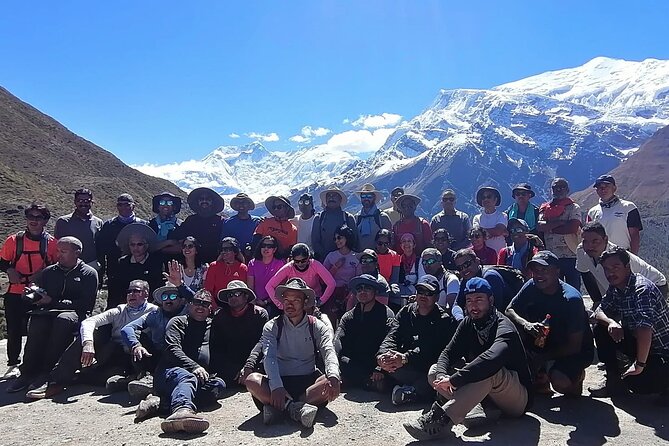
Day 9 descends through the Kali Gandaki Valley into arid landscapes. You’ll pass Jharkot and Khingar, described as typical Tibetan villages, and then follow the valley floor a lot of the way until you reach the town where your next steps connect.
This is the emotional balance day. After pass height, the descent can feel good for the legs, but it also demands focus—footing, stamina, and attention.
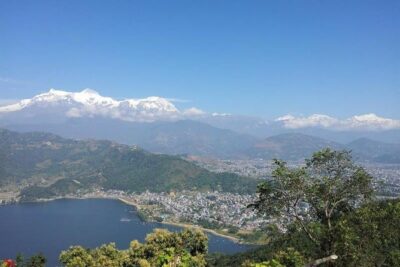
Day 10 begins with breakfast, then you catch the morning flight to Pokhara. The flight is highlighted as spectacular, offering views above the Kali Gandaki Gorge, plus Dhaulagiri and Annapurna ranges. Once you land, you’ll have free time around Pokhara, including boating at Fewa Lake.
That flight and lake time is not just entertainment. It’s recovery. It gives your body a chance to stop “being a trekking machine” and start being a body again.
Price and What You’re Actually Getting for $1,430
At $1,430 per person, you’re paying for more than a route. You’re paying for the setup that makes a high-altitude trek workable.
Here’s what’s included:
- Guide and porters, with a porter for 2 people
- Sleeping bag
- Private transportation and all fees and taxes
- Coffee and/or tea
- Meals: breakfast (11), lunch (10), dinner (10)
- Domestic flight: Jomsom to Pokhara
What’s not included:
- Bottled water
- Alcoholic beverages
- Air-conditioned vehicle
- Entrance admissions for Thorung La Pass and Muktinath Temple (not included)
Value-wise, this package makes sense if you want a guided experience with food taken care of and reduced friction. If you’re the type who likes planning every day’s meals and routes on your own, you might find the cost harder to justify. But if you’d rather spend your energy on the walking and the views, the included structure is the point.
Also, the review feedback that pops up consistently is about organization and food quality. People talk about accommodation that feels good at the end of the day, meals that hit the spot, and guides who keep things moving without chaos. That’s where your money turns into real comfort.
The Guide-and-Porter Difference: How People Like Babu and Rojit Change the Trip
This trek’s quality isn’t only about mountains. It’s about how the days run.
In the reviews connected to this company, the recurring themes are:
- Warm introductions to Nepal and strong local guidance from guides like Babu and Resham
- Friendly porter support, including Rojit, who helps make the long days feel lighter
- Organization that reduces stress when plans get tight or altitude starts to feel tricky
- A safety-first mindset when someone hits altitude trouble
That matters because Annapurna Circuit isn’t just about toughness. It’s about staying steady when conditions shift: weather changes, crowds vary by village, and fatigue stacks up.
With a maximum of 15 travelers, you also avoid that “big-group bottleneck” feeling. You still get people around you, but it’s not a packed tourist conveyor belt.
Should You Book This Annapurna Circuit Trek?
I’d book it if you want the classic Annapurna Circuit route with a guide team that takes organization seriously and supports you through the hard moments. The included meals, sleeping bag, porter setup, and the end-of-trek flight to Pokhara are all signs the package is designed to keep you moving rather than constantly negotiating logistics.
You should think twice if you know your altitude tolerance is low or you dislike steep hiking with narrow trail sections. This trek reaches 5,416m, and the Thorung Phedi to pass day is the kind of effort that asks for patience.
If you’re ready for a demanding trek with strong support, this one is a solid way to do it.
FAQ
What is the price of the 10 Days Annapurna Circuit Trek?
The price is $1,430.00 per person.
How long is the trek?
The duration is 10 days (approx.).
Where does the trek start and when?
It starts at Himalayan Trekking and Tours in Kathmandu, with a start time of 7:15am.
What is the end of the trek?
The activity ends back at the meeting point in Kathmandu, after your flight to Pokhara and local free time.
Is a flight included?
Yes. There is a domestic flight included from Jomsom to Pokhara (and the itinerary describes a morning flight on Day 10).
What meals are included?
Lunch (10), dinner (10), and breakfast (11) are included.
Are coffee or tea included?
Yes, coffee and/or tea is included.
Is a sleeping bag provided?
Yes, a sleeping bag is included.
How many porters are assigned?
The tour assigns 1 porter for every 2 people.
What costs are not included?
Bottled water, alcoholic beverages, air-conditioned vehicle, and admission tickets for Thorung La Pass and Muktinath Temple are not included.
FAQ
Is there free cancellation?
Yes, there is free cancellation up to 24 hours in advance for a full refund.
What is the maximum group size?
The maximum group size is 15 travelers.
What fitness level is recommended?
Travelers should have a moderate physical fitness level.