REVIEW · HIKING & TREKKING
16 Day Private Manaslu Circuit Trek from Kathmandu
Book on Viator →Operated by Himalaya Guide Nepal · Bookable on Viator
Manaslu Circuit has calm, serious beauty. This private trek makes it practical from day one, with the big stuff like permits handled for you so you can focus on the trail. I like that the package includes the legal paperwork you need for Manaslu—MCAP, the restricted-area permit, and ACAP—so you’re not scrambling last minute.
I also like the packing support: you’re provided a down jacket and a sleeping bag, and that’s a real value on a long trek. One drawback to factor in up front: Kathmandu lodging and drinks during the trek aren’t included, and tips are expected.
In This Review
- Why This Manaslu Circuit Trek Hits the Right Notes
- What You’re Really Paying For (And What It Covers)
- Kathmandu Warm-Up: UNESCO Vibes and Thamel Logistics
- Getting From the City to the Trail: Gorkha and the First Trek Days
- Jagat to Namrung: Checkpoint Realities and Village Texture
- First Real Manaslu Energy: Namrung, Manaslu Village, and Samagaun
- Base Camp and Monastery Time: Phungen, Birendra Lake, and Short-Day Relief
- Larkya Pass Day: The Long One at About 9 Hours
- Tilche and Tilche Gurung Village: Rhododendron Jungle Walk Days
- Back to Kathmandu: Public Transport, Then Hotel Drop
- Your Support Team and Included Gear (The Stuff That Actually Changes Comfort)
- What to Expect From Meals and Lodge Nights
- Packing Reality: What the Included Equipment Means for You
- Should You Book This 16-Day Private Manaslu Circuit?
- FAQ
- What’s included in the trek permits for the Manaslu region?
- Does the tour include a guide?
- Are lodge stays and meals included during the trek?
- What equipment is provided for the trek?
- What’s not included in the price?
- Is free cancellation available?
Why This Manaslu Circuit Trek Hits the Right Notes
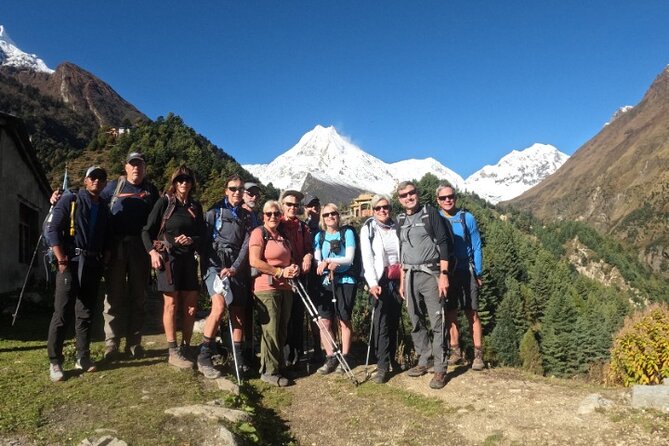
- Permits are part of the deal, including the Manaslu restricted-area paperwork, plus MCAP and ACAP.
- Gear is included, including a down jacket and sleeping bag, so you can travel lighter from Kathmandu.
- You get a licensed guide with real support, and the guide’s salary, insurance, lodging, and food are covered.
- Meals during the trek are planned, with 14 breakfasts, 14 lunches, and 14 dinners included.
- Medical gear is included, including a first-aid box with an oximeter.
- Classic high points are built in, including Larkya Pass day and lake/monastery time around Samagaun.
What You’re Really Paying For (And What It Covers)
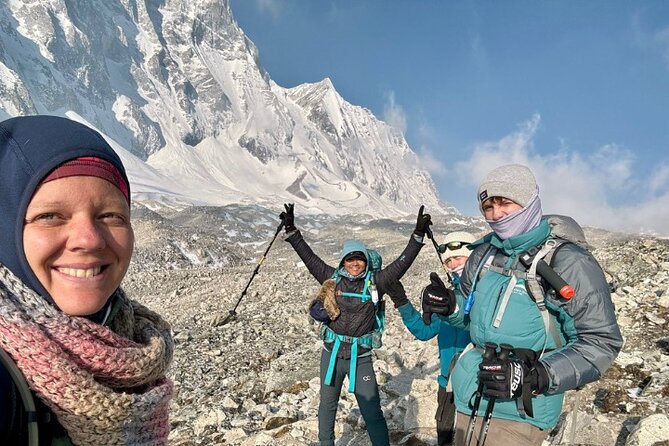
At $1,135 per person for about 16 days, this isn’t a “cheap and cheerful” bargain. It’s priced like a private, managed trek with the non-negotiables handled: transport segments, lodge accommodation during the trek, licensed guidance, and the required legal documents for the Manaslu region.
What makes the value feel more solid is how many costs are rolled into the base price. You don’t just get a guide on paper—you get a license-holder guide, plus first-aid support with an oximeter, and trekking equipment like a down jacket and sleeping bag. You also get a map package (city and trekking maps), a duffle option if you need it, and even some trail snacks like dry and fresh fruits.
The trade-off is that you still need to budget for a few real-life things outside the package: Kathmandu hotel nights and hot/cold drinks (water bottles, soda, beer, and similar) aren’t included. And at the end of the day, tips are expected, so keep that in your spending plan.
You can also read our reviews of more private tours in Kathmandu
Kathmandu Warm-Up: UNESCO Vibes and Thamel Logistics
Your trek doesn’t start with a bus and a frown. You get a proper Kathmandu setup day.
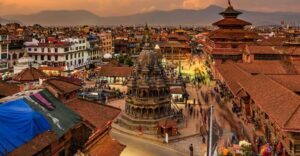
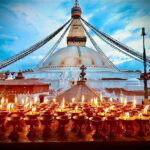
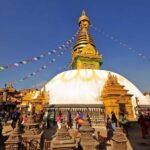
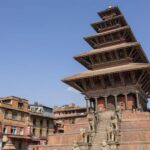
On Day 1, you’re in Kathmandu with time to take in the city’s world heritage sites and mix with local life. This matters more than it sounds. It gives you a chance to shake off travel stress, get comfortable with the pace, and meet your team without rushing.
Day 2 is about getting your feet under you in Thamel, the trekking hub. You’ll have around an hour here, which is useful for small adjustments—things like confirming last-minute gear needs, ATM runs, or picking up whatever you forgot. Just remember: since some equipment is included (like the sleeping bag and down jacket), you’re not arriving totally empty-handed.
Getting From the City to the Trail: Gorkha and the First Trek Days
Days 3 and 4 are where Nepal starts to feel real.
On Day 3, you travel from Kathmandu toward Sotikhola by public bus for roughly 6–7 hours. Long road days can be tiring, but they’re also part of the experience here—you’re watching the country change as you head into trekking territory.
Day 4 is your first walking day on the Manaslu Circuit, about 6 hours. You’re not going straight for a huge summit experience. Instead, it’s a structured way to get your body into rhythm.
One practical note: because the early days are a mix of driving and hiking, pack smart for comfort. You’ll be grateful for layers you can adjust, and for keeping essentials easy to reach during transport.
Jagat to Namrung: Checkpoint Realities and Village Texture
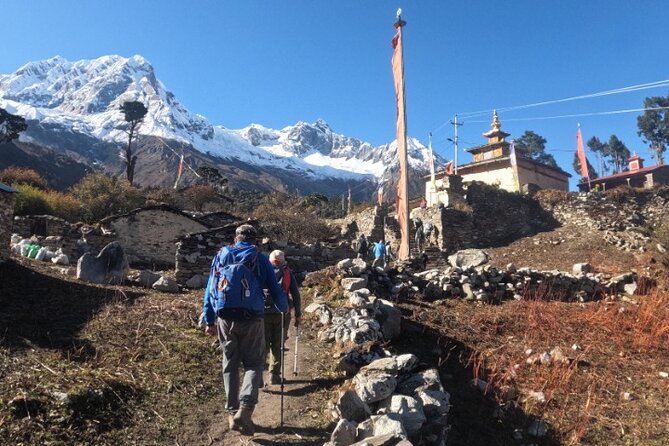
Day 5 takes you to Jagat, which is noted as a first trekking permit checkpoint. That detail is more than paperwork trivia. In trekking regions like this, the checkpoint rhythm helps keep the route regulated and structured—so your trek stays smoother and more predictable.
You’ll walk about 6 hours on Day 5. Lodges are used on trek nights, and you’re working toward the deeper village sections.
Day 6 includes a jungle walk (around 7 hours). Expect quieter stretches and a different feel than the more open view days. This is often when you start understanding how the trail is managed: less about photo stops, more about steady footwork.
Day 7 brings you to Namrung, a “nice village” stop on the route for about 7 hours of trekking. Village days like this are where the trek becomes more than scenery. You see how people live at altitude, how tea-drinking works when the air cools down, and how local hospitality looks when you arrive tired but curious.
First Real Manaslu Energy: Namrung, Manaslu Village, and Samagaun
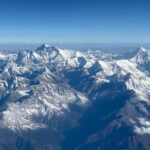
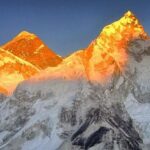
On Day 8, you reach Manaslu village and get your first meaningful view of Mount Manaslu. It’s about 6 hours of walking, and this is one of those days where motivation matters. Seeing the mountain after days of movement changes how you feel about the trek.
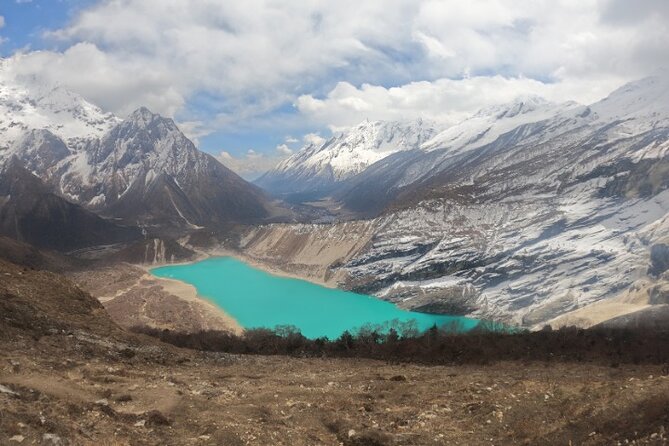
Day 9 is Samagaun, with about 4 hours walking time. Samagaun is described as one of the best places for trekkers, and for a reason: from here, you can see Mount Manaslu from your hotel and also enjoy Birendra Lake nearby. This is a huge “soft landing” day. You’re not forced into long hours, but you’re positioned for dramatic views.
I like days like this because they give you breathing room. You can slow your pace, take in the view, and mentally prepare for the big pass day later.
You can also read our reviews of more hiking tours in Kathmandu
Base Camp and Monastery Time: Phungen, Birendra Lake, and Short-Day Relief
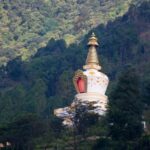
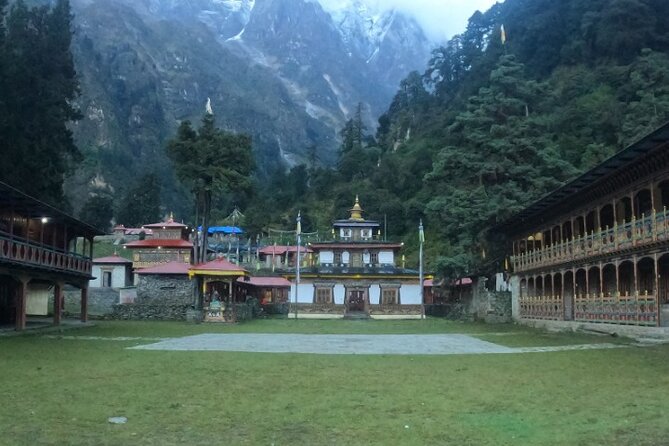
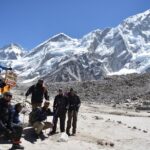
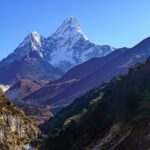
Day 10 adds altitude-minded effort while staying within a reasonable day length: roughly 4 hours. You hike toward Manaslu Base Camp and also visit Phungen monastery and Birendra Lake.
This is a strong combo day because it balances three different kinds of reward:
- physical achievement (base camp trek time),
- cultural depth (the monastery),
- and scenery (Birendra Lake).
Then Days 11 and 12 keep things calmer with short walking days of about 4 hours each, noted as having included components. That pattern is smart. It gives your body time to adapt while still keeping you in motion.
If you’re someone who wants the trek but doesn’t want every day to feel like punishment, these shorter days are a big plus. They also reduce the stress of day-to-day logistics, since lodges and meals are already structured.
A note from past experiences with Himalaya Guide Nepal: some departures include monastery highlights like Serung Gumpa on top of other spiritual stops. So if monasteries are a big part of your travel interest, it’s worth asking your guide which monastery stops are expected on your exact dates.
Larkya Pass Day: The Long One at About 9 Hours
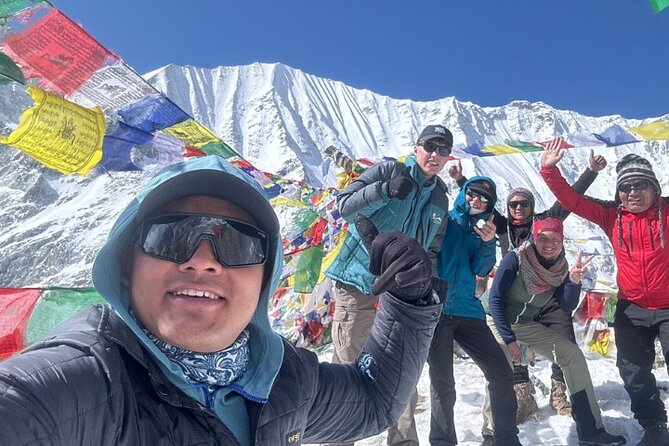
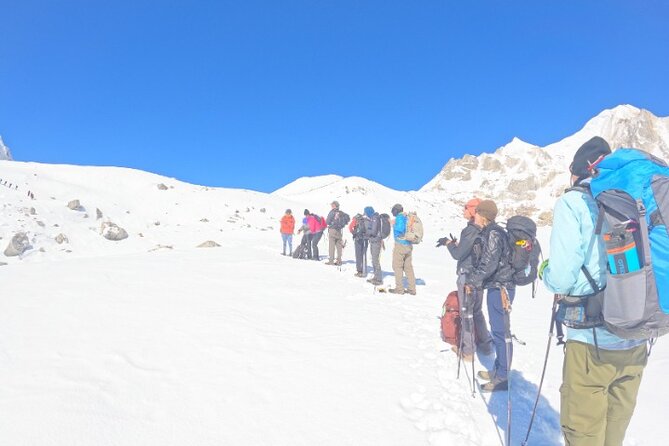
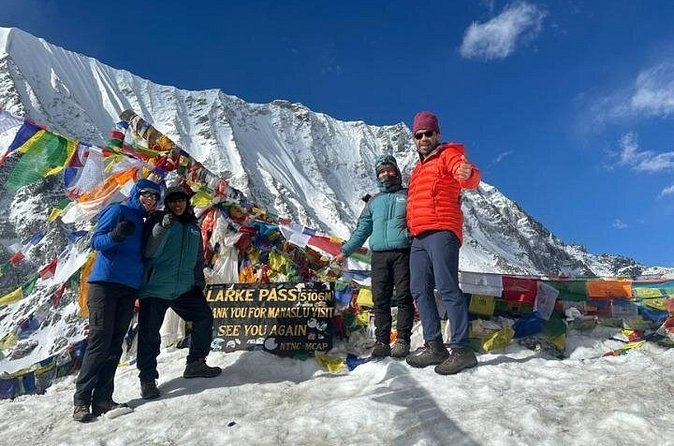
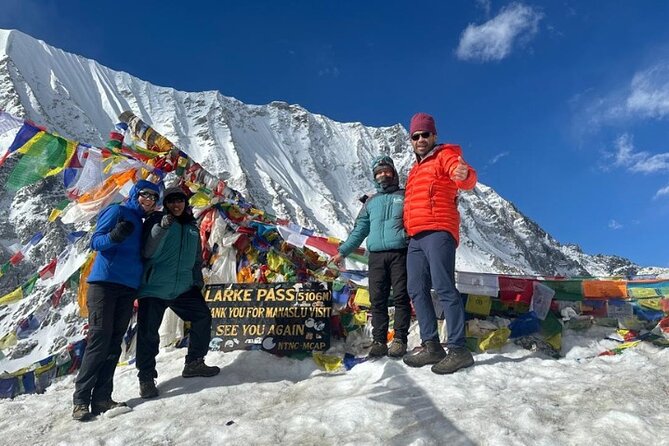
Day 13 is the Larkya Pass day at about 9 hours. This is the day most trekkers remember, not because it’s always the hardest part, but because it’s the day with the most pressure in a single stretch: long hiking time, cooler air, and the mental work of staying steady.
This is also where good guiding shows up. A licensed guide isn’t just there for navigation. They’re there to manage pacing, timing, and safety judgments when weather or fatigue becomes a factor. With an oximeter included in the first-aid kit, you have an extra tool for monitoring well-being on the trail.
I’d plan your effort on this day like you’re budgeting energy, not chasing speed. If you treat it as a long, controlled climb-and-descent day, you’ll likely enjoy it more.
Tilche and Tilche Gurung Village: Rhododendron Jungle Walk Days
On Day 14, you head to Tilche, including a rhododendron jungle walk to Tilche Gurung Village for about 7 hours. This is a different kind of trekking feel—more tree cover, more slow moving, and often cooler air under the canopy.
It’s a good day for hikers who like variety. You’re not just walking through views; you’re walking through habitat. If you’re prone to getting restless on repetitive terrain, jungle-style hiking can be a relief.
Day 15 begins your exit from the circuit. You walk about 1 hour and then drive toward Besisahar for roughly 4–5 hours. That combination helps you avoid an abrupt “stop walking, get on a bus” mood right away.
Back to Kathmandu: Public Transport, Then Hotel Drop
Day 16 brings you back to Kathmandu after about 6–7 hours by public bus. It ends back at the original meeting point area, with a drop at your Kathmandu hotel included.
This last day is where you’ll appreciate that the tour already handles the major transport pieces. Public transport can be a little unpredictable in timing, but you’re not left to figure out which vehicle to take or how to coordinate with drivers. The package is set up so you transition from trek mode to city mode without chaos.
Your Support Team and Included Gear (The Stuff That Actually Changes Comfort)
This trek is private, meaning it’s only your group. That matters on a trek because you get less waiting around and fewer “everyone must match my pace” moments.
Your support includes:
- a license-holder guide (with salary, equipment, insurance, lodging, and food covered),
- trekking equipment like a down jacket and sleeping bag,
- a first-aid kit with oximeter,
- lodge accommodation during the trek,
- and planned meals (14 breakfasts, 14 lunches, 14 dinners).
You might also be in the hands of guides and porters known for thoughtful organization. Past experiences with Himalaya Guide Nepal include guide names like Kumar and Bashu, and support staff including porters such as Hom, Salman, Binod, and Prabin, with trekking prep credited to someone like Chandra. Since staff can vary by date, you shouldn’t count on one person specifically—but the pattern in feedback is clear: good communication and preparation lead to a smoother trek.
That’s the quiet value of this kind of private setup. You’re spending your energy on walking and breathing, not on turning daily problems into emergencies.
What to Expect From Meals and Lodge Nights
Food on the trek is included as:
- 14 breakfasts
- 14 lunches
- 14 dinners
You’ll also have a farewell dinner with Nepali food and a few dry and fresh fruits along the way. This type of included meal plan is practical because it reduces decision fatigue. You’re already making enough choices in the mountains—gear layers, pace, rest breaks. Knowing meals are covered helps.
Lodge nights are included during the trek. You should still expect basic trekking-lodge standards (shared spaces, simple rooms), not hotel luxury. But the package focus is on consistent availability and a plan that keeps you moving from day to day without you micromanaging where you’ll sleep.
Packing Reality: What the Included Equipment Means for You
Because a down jacket and sleeping bag are included, you can cut down the weight you carry from Kathmandu. That’s especially helpful if you’re flying in with limited luggage.
Still, think like a trekker:
- You’ll want layers for day-to-day temperature changes since the trek includes a long pass day.
- You’ll want personal items for showers, laundry, battery charging, and boiled water.
- You should plan on extra costs for hot and cold drinks, since they’re listed as not included.
In short: the trek covers a lot of the heavy gear and the big logistics. You bring the personal comfort stuff, and you let the tour handle the mountain systems.
Should You Book This 16-Day Private Manaslu Circuit?
If you want a private trek with permits, meals, and key safety support handled, this is an easy yes. The best fit is someone with moderate physical fitness who’s comfortable with a mix of long drives and hiking days, and who prefers structure over improvising.
I’d especially recommend it if you:
- don’t want to manage permits on your own,
- like having a licensed guide and an oximeter in the support kit,
- want to travel lighter thanks to included gear,
- and enjoy a route that mixes village life with serious mountain moments like Larkya Pass.
If you hate the idea of budgeting beyond the package, note the practical gaps: Kathmandu lodging isn’t included, drinks aren’t included, and tips are expected. If those are deal-breakers, you might need a different package style.
Overall, this is a well-run way to do the Manaslu Circuit without turning your trip into a logistics project.
FAQ
What’s included in the trek permits for the Manaslu region?
The package includes legal documents for the Manaslu area: MCAP permit, Manaslu restricted area permit, and ACAP.
Does the tour include a guide?
Yes. You’ll have a license holder guide, and the guide’s salary, equipment, insurance, lodging, and food are included.
Are lodge stays and meals included during the trek?
Yes. Lodge accommodation is included during the trek, and meals are provided for 14 breakfasts, 14 lunches, and 14 dinners.
What equipment is provided for the trek?
You receive trekking equipment including a down jacket and a sleeping bag. A trekking duffle bag is also included if you need it.
What’s not included in the price?
Not included items are Kathmandu accommodation, travel insurance, hot and cold drinks (like soda, mineral water, and beer), and personal expenses such as laundry, phone use, extra helper, battery charging, shower items, and boiled water. Tips are expected.
Is free cancellation available?
Yes. You can cancel up to 24 hours in advance for a full refund. If you cancel less than 24 hours before the start time, the amount paid is not refunded.