Sanga to Panauti feels like a local shortcut. I love how the day starts with huge Shiva statue views and turns into an 8-hour walk through quieter countryside, all explained by an English-speaking guide like Ssyam. My favorite part is arriving in Panauti, a temple-filled Newar town with stories you won’t hear from a guidebook. The trade-off: you’ll face an early steep climb and some ridgeline sections with serious drop-offs, so sure footing matters.
I also like that this isn’t a cookie-cutter hike. You pass through villages where foreign tourists aren’t common, and your guide ties the route to Tamang culture along the way and Newari culture once you reach town.
With a max of 15 travelers, the group stays small and the pace feels human. Just know lunch and drinks are on you, and the walk is billed easy-moderate rather than stroll-level easy.
In This Review
- Key things to know before you go
- Sanga Hill Start: Shiva Statue Views and a Steep First Push
- A Trail Built Through Villages, Not Tourist Routes
- Culture Thread: Tamang Stories on the Trail, Newari Meaning at the Finish
- Panauti Arrival: A Temple Town with a Folklore Backstory
- Nepali Lunch in Panauti: Buy Local, Eat Well, Keep It Simple
- Timing and Effort: How a 10 km Easy-Moderate Hike Adds Up
- Price and Logistics: What You Get for $65 (and What Costs Extra)
- Royal Mountain Travel Meeting Point and a Full Day Schedule
- After the 2015 Earthquakes: Some Sites May Look Different
- Should You Book This Sanga to Panauti Day Hike?
- FAQ
- How long is the Sanga to Panauti day hike?
- Is the hike difficult?
- What time does the tour start?
- What does the $65 price include?
- Is lunch included?
- Where is the meeting point?
- Can I get a full refund if I cancel?
Key things to know before you go
- Small-group pace (max 15): easier questions, more guidance, fewer crowds on the trail
- Sanga’s first half-hour is the workout: expect a steep ascent before the route flattens
- Ridgelines with drop-offs: great views, but you need steady steps
- Village trail that’s still new for tourism: fewer foreign visitors, more everyday life
- Panauti finish in a temple town: Hindu and Buddhist sites plus Newar culture context
- Lunch is a buy-in moment: you can purchase Nepali food locally in Panauti
Sanga Hill Start: Shiva Statue Views and a Steep First Push
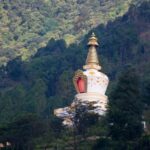
You begin near Sanga, just outside the eastern edge of Kathmandu Valley. Most people recognize this area for the towering Shiva statue that rises above the hill, and even before the hike really gets moving, it gives you a sense of place.
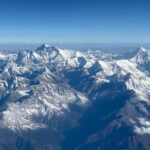
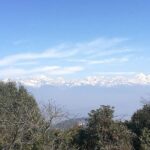
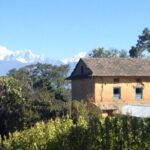
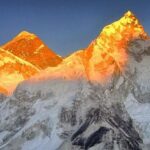
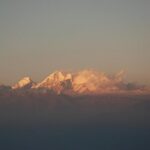
Then comes the first test: a steep ascent for about half an hour. After that, the route mostly flattens out and turns into a longer rhythm of ridgelines and paths with farmland and rice fields below. On clear days, you can get unobstructed Himalaya views, which is the kind of payoff that makes the effort feel worth it.
The practical takeaway: plan to start slowly up the initial climb. If you go hard at the beginning, the rest of the day can start to feel longer than the distance suggests.
You can also read our reviews of more hiking tours in Kathmandu
A Trail Built Through Villages, Not Tourist Routes
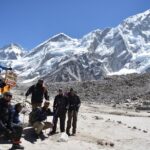
This hike follows an under-visited corridor that was developed only in recent years. That matters because you’re not just moving from viewpoint to viewpoint—you’re walking through villages where foreign tourists aren’t a daily sight.
I like that the route feels lived-in. You’re likely to see normal routines—fields, homes, and the edges of community life—rather than just scenic stops designed for day trippers. And because the trail is relatively new for outside visitors, having a guide isn’t just a comfort; it’s also a way to avoid getting lost.
One review highlight that lines up with what the route offers is the forest section. People remember it as a quiet change of pace, a break from open ridgeline views, and a moment that feels different from the usual Kathmandu-area day.
If you want a hike that feels like you’re moving with locals (not in a tourist parade), this is the kind of route that delivers.
Culture Thread: Tamang Stories on the Trail, Newari Meaning at the Finish
Your guide connects the walking route to culture, not just scenery. On the way, you’ll hear about Tamang culture in the places you trek through. When the hike ends, the focus shifts to Newari culture in Panauti, your destination town.
This is one of those details that quietly improves the whole day. Without context, a village looks like scenery. With context, it becomes a map of people, traditions, and why certain temples or community spaces matter.
Since your guide is English-speaking, you’re not stuck guessing. You can ask questions as you walk, especially during calmer stretches when you’re not concentrating on the path.
The best part is that this cultural storytelling doesn’t feel like a lecture. It’s tied to what you can actually see: the village setting on the trail and the religious landscape once you reach Panauti.
Panauti Arrival: A Temple Town with a Folklore Backstory
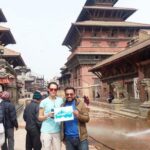
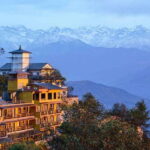
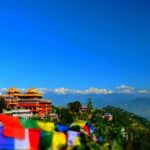
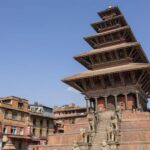
The hike concludes in Panauti, described as a small but beautiful Newar town surrounded by green hills and holy rivers. Think of it as a compact finish: you trade walking views for temple density and the feeling of arriving somewhere meaningful.
Panauti also has folklore attached to it. Local stories mention it was an offering from a King of Bhaktapur to his sister as a dowry gift. That kind of story isn’t just trivia—it gives you a lens for what you’re seeing once you’re there.
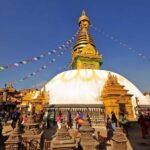
You’ll find a mix of Hindu and Buddhist temples throughout the town. So even if you’re not planning to do heavy sightseeing, simply walking into Panauti’s center gives you a real sense of spiritual life and local identity.
In short, this itinerary is nice because it doesn’t end on a bland logistics note. It ends in a place where people still use their heritage daily.
Nepali Lunch in Panauti: Buy Local, Eat Well, Keep It Simple
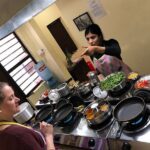
Lunch is one of the most practical choices on this tour. You’re given the chance to purchase a Nepali lunch with a local family in Panauti so you can refuel before heading back. The key detail here is that lunch itself isn’t included in the tour price, so you should budget for it.
I like this setup because it turns food into part of the experience rather than a generic restaurant stop. You’re eating locally with a connection to the community you just walked through.
There’s also a specific extra option if you want one more layer of local empowerment: Panauti Community Homestay, established by local women. You can enjoy lunch there on your own additional expense, and it’s pitched as a successful entrepreneurship story in Nepal.
If you’re trying to make the day feel more authentic, prioritize the family lunch moment first. Then, if you still have time and appetite, consider the homestay option for a second perspective on how people host and feed visitors.
Timing and Effort: How a 10 km Easy-Moderate Hike Adds Up
The walk is about 6.2 miles (10 kilometers) and runs around 8 hours total. That length is normal for a day hike that includes transfers and some time in communities, not just trail-to-trail walking.
The difficulty is described as easy-moderate. In real terms, expect the day to feel like this: the opening half-hour is steep, then you settle into flatter stretches along ridgelines. Still, you’re not on a level path the entire way, and some sections include steep drops below, which means you’ll want steady legs and a calm head.
I’d treat it as a solid activity day rather than a casual afternoon stroll. If you’re fine walking 8 hours on mixed terrain and you don’t mind a bit of climbing, you’ll likely find it rewarding.
Quick self-check before you go:
- Can you handle a short, steep uphill without stopping constantly?
- Are you comfortable walking near edges where footing matters?
- Do you want views that come partly from effort, not just walking on flat ground?
If yes, you’ll probably enjoy the whole arc of the day, from the Shiva hill start to the temple-town finish.
Price and Logistics: What You Get for $65 (and What Costs Extra)
At $65 per person, this tour is priced for more than just a marked trail. You’re paying for transportation between Kathmandu and the trail start/end, plus an English-speaking hiking guide, and the safety benefit of going with someone who knows the route.
What’s included:
- Transportation from Kathmandu to Sanga
- Transportation from Panauti back to Kathmandu
- English-speaking hiking guide
What’s not included:
- Hotel pickup and drop-off (you’ll be meeting at the listed meeting point)
- Lunch
- Alcoholic drinks
Why that matters for value: you don’t have to manage your own route finding or guide costs, and transfers are built in. Those two pieces alone often eat up a day of planning time.
Also, the group size cap of 15 keeps the experience from feeling crowded. That’s a real value point on a day hike, because the “off the trodden path” feeling comes from fewer people, not from marketing.
Royal Mountain Travel Meeting Point and a Full Day Schedule
The starting point is Royal Mountain Travel, at Lal Durbar Marg, Kathmandu 44601. The start time is 8:00 am, and the activity ends back at the meeting point, which keeps the day predictable.
Confirmation is received within 48 hours of booking, subject to availability, and the tour uses a mobile ticket. The meeting location is also described as near public transportation, which helps if you’re not staying right next to your pickup zone.
One more note to help you plan your morning: because hotel pickup isn’t included, you’ll want to be at the meeting point ready to go before the 8:00 am start. Arriving late can compress the morning and make that early climb feel harder.
After the 2015 Earthquakes: Some Sites May Look Different
The route includes places that were affected by earthquakes in April and May 2015. The tour notes significant damage to some sites visited, which can mean repairs, changes to access, or partially damaged areas you’ll see as you go.
This doesn’t have to ruin the day. If anything, it adds a layer of realism: Nepal’s recovery is part of the present. I’d simply go in with a respectful mindset, and avoid expecting every stop to look exactly like it did years ago.
If you’re the kind of traveler who likes context over perfection, this won’t bother you. If you need pristine, fully restored sites everywhere, you may feel less satisfied.
Should You Book This Sanga to Panauti Day Hike?
I’d book it if you want a guided hike that mixes views, village life, and culture explanations in one simple day. It’s especially a good match if you like routes that aren’t packed with tourists and you appreciate a finish in a real town full of temples and local meaning.
You should think twice if the idea of an early steep climb and ridgeline sections with drop-offs makes you nervous. This isn’t described as a technical hike, but it does require practical comfort with uneven terrain and careful steps.
For most people aiming for a memorable, authentic day outside Kathmandu, this is a strong option at $65, because the guide and transfers are built in and the day ends in Panauti, not just a return ride.
FAQ
How long is the Sanga to Panauti day hike?
The hike runs for about 8 hours (approx.) and covers roughly 6.2 miles (10 kilometers).
Is the hike difficult?
It’s described as easy-moderate. The route includes a steep ascent for about half an hour, and some ridgeline parts have steep drops, so moderate physical fitness and steady walking are important.
What time does the tour start?
The start time is 8:00 am at the meeting point.
What does the $65 price include?
The price includes transportation from Kathmandu to Sanga, transportation from Panauti to Kathmandu, and an English-speaking hiking guide.
Is lunch included?
Lunch is not included. You’ll have the chance to purchase Nepali lunch with a local family in Panauti, and alcoholic drinks are also not included.
Where is the meeting point?
The start point is Royal Mountain Travel on Lal Durbar Marg, Kathmandu 44601. The activity ends back at the meeting point.
Can I get a full refund if I cancel?
Yes. You can cancel up to 24 hours in advance of the experience for a full refund.