REVIEW · EVEREST BASE CAMP TREKS
Everest Base Camp Trek with Helicopter Return – 10 Days
Book on Viator →Operated by Breakfree Adventures Pvt. Ltd. · Bookable on Viator
Krakatoa-level scenery, but with trekking legs. This Everest Base Camp trek is built for speed and altitude sense, with classic stops like Namche and Tengboche—and then the big payoff: a helicopter ride back from the Kala Patthar area to Kathmandu. Two things I really like are the included tea-house comfort (with meals handled) and the small-group setup (max 15 travelers) that keeps the pace more human. The one drawback to consider is the whole plan depends on weather for the Lukla flights and your helicopter return, so you may need flexibility if conditions get rough.
I also appreciate that the logistics are tight: flights, guides, porters (1 porter for 2 trekkers), permits (including TIMS), and airport transfers are all pre-arranged. You’re not left piecing together details while you’re already dealing with thin air. The main trade-off is price: $3,400 is not a budget move, and you’re paying a premium for the helicopter shortcut and “all-in” structure.
In This Review
- Key things you’ll notice on this trip
- Why this 10-day Everest Base Camp route feels smarter than out-and-back
- Day 1 in Kathmandu: a real arrival day, not a forced cram
- Day 2: Lukla to Phakding—green trails and the start of the climb
- Day 3: Namche Bazaar and Sherpa culture—gateway to altitude
- Day 4: Acclimatization at Namche plus Everest View Hotel
- Day 5: Tengboche—monastery energy and the Khumbu feel
- Day 6: Pangboche and Dingboche—where the altitude gets real
- Day 7: toward Chola Lake and Duglha—big gains and high scenery
- Day 8: Everest Base Camp from Gorakshep—your main goal day
- Day 9: Kala Patthar for 360-degree views, then helicopter back to Kathmandu
- Day 10: Kathmandu departure—clean closeout
- Helicopter return: the premium you pay for and the trade-off you accept
- What’s included on the ground: tea houses, meals, permits, and the support system
- Group size, meeting time, and how the day rhythm usually feels
- Price: is $3,400 actually value for what you’re getting?
- Who this trek suits best
- What to pack (and what you can probably skip)
- Should you book this Everest Base Camp with helicopter return?
- FAQ
- What transportation is included for the trek?
- Are lodging and meals included?
- Does the tour include permits and trekking paperwork?
- Do I need to bring special gear?
- How big is the group?
- What fitness level do I need?
Key things you’ll notice on this trip
- Helicopter return instead of hiking back the same way, saving days and sore knees
- Tea house lodging + full trek meals included, so you can focus on walking and altitude
- Small group max 15, meaning fewer bottlenecks on trails and in lodges
- Acclimatization built in with a Namche day and an Everest View Hotel stop
- Long views payoff at Kala Patthar with 360-degree panorama time
- Guide and porter support with English-speaking guidance and duffle carry help
Why this 10-day Everest Base Camp route feels smarter than out-and-back
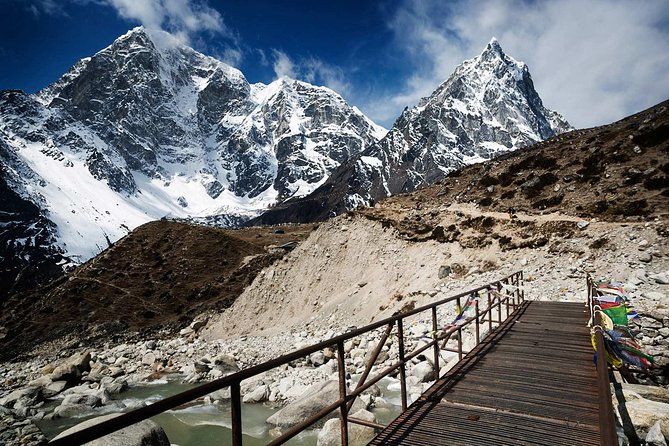
Traditional Everest Base Camp itineraries often turn into a slow echo—walk up, then walk back down the same trail. This one keeps the core Everest experience while cutting the major backtrack headache with a helicopter return after your viewpoint day.
That matters because your body needs two things on Everest treks: time to adjust to altitude and time to recover. The schedule is still active, but it’s organized around altitude logic—staying in the region through key towns, adding an acclimatization day, and then moving to the base camp zone. You’ll feel the tempo, but it’s not chaos.
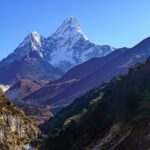
Also, the trek is described as going “via 4 of the highest mountains,” and along the route you’ll be passing through the Everest orbit: Namche (gateway), Tengboche (monastery and view area), Dingboche (high village acclimatization), and then the higher Khumbu zone toward Lobuche/Gorakshep and Everest Base Camp. In other words: you’re not just hiking to a dot on a map. You’re moving through the Everest region’s layers.
You can also read our reviews of more hiking tours in Kathmandu



Day 1 in Kathmandu: a real arrival day, not a forced cram
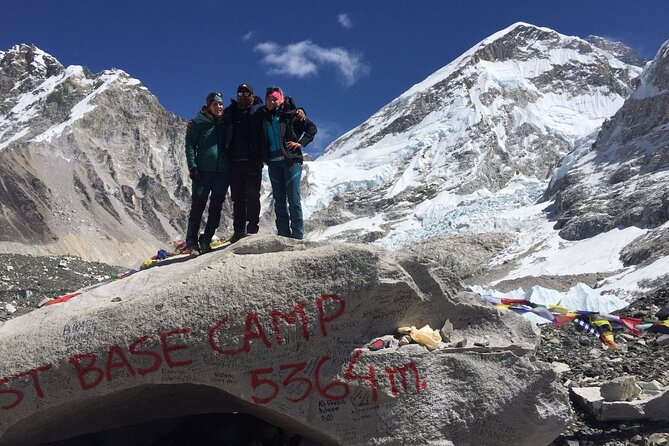
You arrive in Kathmandu and get picked up at the airport by private vehicle, then transferred to your hotel. After that, the rest of the day is yours—explore colorful Kathmandu or just rest.
This day is more important than it sounds. Kathmandu is where you handle small practical stuff that can otherwise steal energy later: settling in, confirming your documents, checking what you need for the next morning’s departure. If you’re arriving from long-haul flights, you’ll be grateful for an unstructured day.
Because meals in Kathmandu are only partially included (lunch and dinner in Kathmandu are not listed as included), it’s also a good chance to plan simple food and hydration routines without worrying about every cost.
Day 2: Lukla to Phakding—green trails and the start of the climb
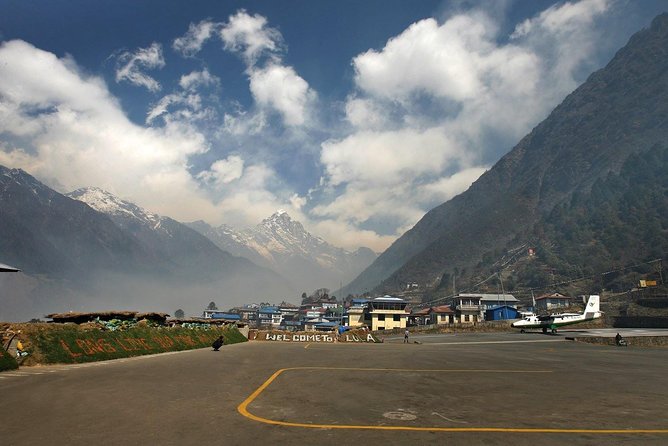
The day starts with a drive to the domestic airport for your flight to Lukla. Once you meet the trekking crew at Lukla, you begin trekking to Phakding.
This section is your on-ramp. It’s a classic mix of green scenery and big sky, with the route running alongside the Dudh Koshi River and featuring scenic views of Kusum Kangaru. You’ll also cross the Hillary suspension bridge—one of those moments that’s fun even if you’re already tired, because it feels like a line drawn into the Everest region.
A quick reality check: this day is long in the itinerary description, so take it as a steady effort day, not a speed day. It’s common to feel a little strange after your first flights and lower-altitude air, so slow and consistent beats pushing.
Day 3: Namche Bazaar and Sherpa culture—gateway to altitude
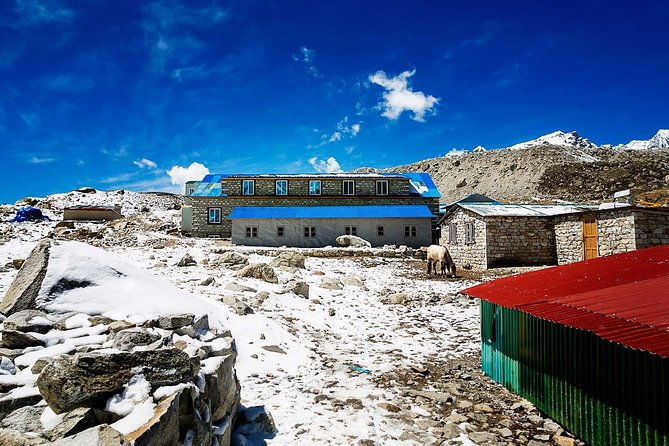
Today you trek onward to Namche Bazaar, described as the Sherpa capital and gateway to the Everest region. The route also takes you through the kind of places where you start to notice how the culture and the mountains have shaped each other: the trail comes with Sherpa life, not just scenery.
A highlight on this day is the Sherpa Museum stop in Namche, around a half hour. It’s not required for the trek to work, but it adds meaning fast. Even a short cultural stop helps you connect the dots: the Everest region isn’t just a hiking route—it’s a community with traditions that have supported climbers for generations.
Practical note: Namche is where many people feel the altitude. Even if you don’t fully feel it yet, take it easy—eat well, drink water, and don’t treat this like a casual stroll day.
Day 4: Acclimatization at Namche plus Everest View Hotel
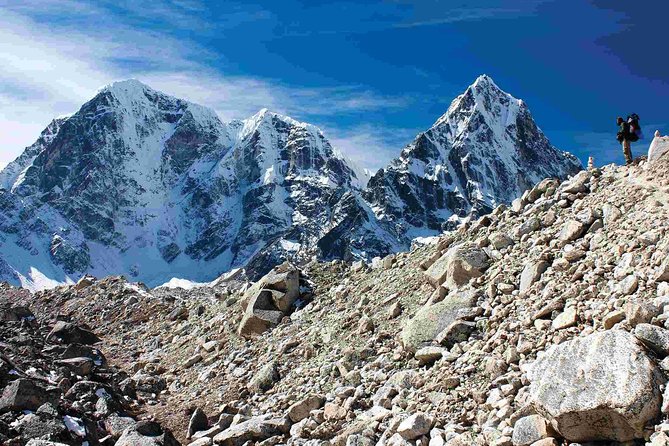
This day is set for acclimatizing. The plan includes a hike to Everest View Hotel for views of Mt. Everest.
That hotel name matters because it usually means you’ll be going to a viewpoint zone where the air feels crisp and the sightlines are wide. This is where Everest can look less like an idea and more like a physical presence.
Why this matters for your success: acclimatization days reduce the risk of altitude problems and make the rest of the trek more comfortable. You’re still walking, but you’re walking with a purpose—your body gets a chance to adapt while you enjoy some of the best early-stage views.
You can also read our reviews of more tours and experiences in Kathmandu

Day 5: Tengboche—monastery energy and the Khumbu feel
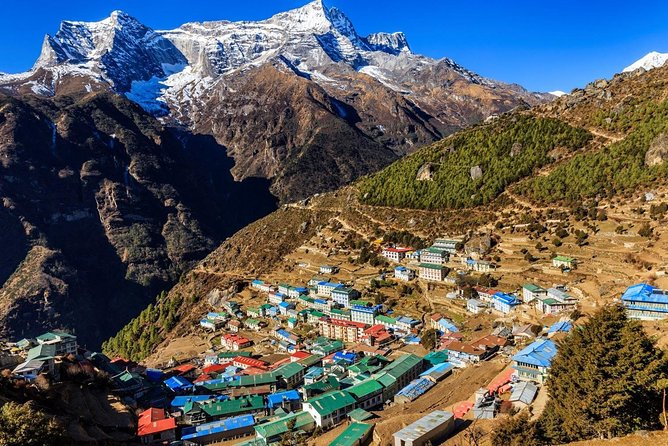
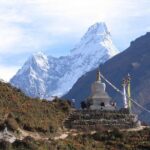
Today you head toward Tengboche, described as en-route the Everest Base Camp trail and home to the largest monastery in the Khumbu region.
Even if you’re not religious, monastery stops work on Everest treks because they’re calm pauses. You’ll likely notice people slowing down, the sound of chants if you’re around when they’re happening, and a general shift from “trail mode” to “you’re in the real place now” mode.
Trekking is also described as having a trail that’s more smooth with some ups and downs, passing Kayangjuma and Sanasa before crossing a Dudh Koshi bridge to reach Punki Tenga, then climbing to Tengboche. That means: expect a mix. Some easy stretches, then effort.
If you tend to sprint when the trail flattens, watch that habit. Everest doesn’t reward ego pace.
Day 6: Pangboche and Dingboche—where the altitude gets real
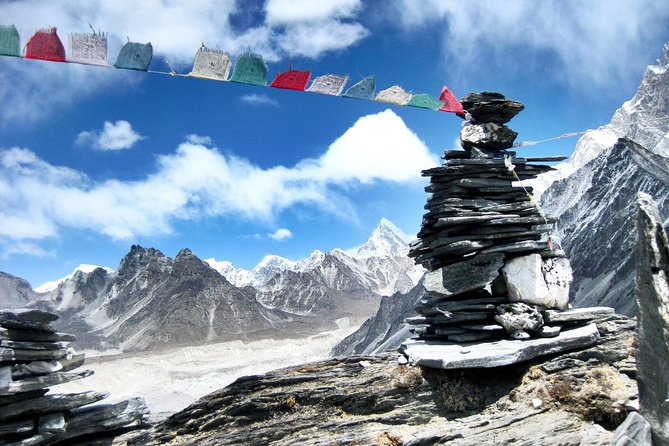
The trek continues to the upper trail passing chortens and mani walls, plus small villages. You’ll cross the Imja Khola and reach Pangboche village around 3,900 meters, then enter the Imja Valley.
The itinerary then descends to Lo… (the text is cut), but the key stop is Dingboche, described as a small village with one stop for acclimatization.
This day is about building tolerance. Dingboche is one of those places where you feel the change in the air even if your steps are steady. You’ll be at the higher villages where the infrastructure is for trekkers and where you’ll start to see more people being careful with hydration and breath.
A good strategy here is boring but effective: keep your pace controlled, and let the views come to you.
Day 7: toward Chola Lake and Duglha—big gains and high scenery
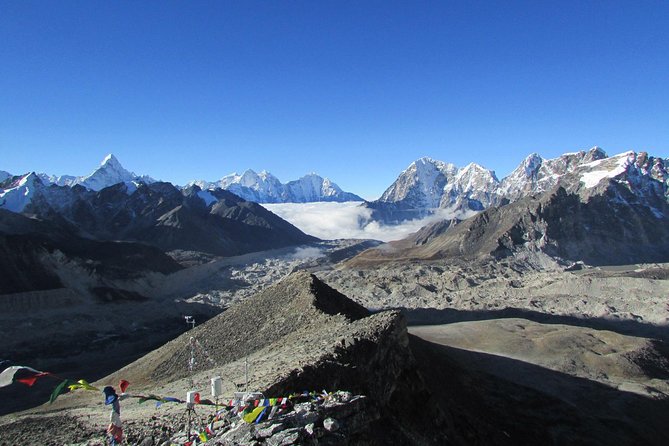
This is a climb day. The trail heads toward Duglha through the Khumbu Khola Valley, passing Dusa and Phulung Karpo, and reaching Chola Lake. After a bridge crossing, you ascend to Duglha.
The itinerary description also mentions the climb continues through high altitude terrain with many ups and downs, and that you reach the area of Lobuche peak lies closer to Khumbu Glacier with two peaks (east and west).
This is the kind of day that separates “I can do this” from “I might be in trouble.” Not because it’s impossible—just because altitude makes every step cost more.
So: pack your brain for steady walking. If you feel your breathing jump, don’t compensate by speeding up. Think in short, consistent steps.
Day 8: Everest Base Camp from Gorakshep—your main goal day
Today is your Everest Base Camp day. The route includes ups and downs and about 3 hours of hiking before you reach Everest Base Camp. From there, you’ll witness the Khumbu Glacier and icefall.
Then you return to Gorakshep.
This is the emotional core of the trip. Everest Base Camp is a specific place with a lot of history tied to exploration, expeditions, and the sheer effort needed to get there. Even if you’ve seen photos, the glacier and icefall context adds weight—you start to understand the scale.
Also, the itinerary includes a short listed visit time for Everest Base Camp (about 30 minutes) and again a trekking route stop description. You’ll want to use your limited time wisely: look around, take photos, drink something warm, and don’t linger so long that your return gets rushed.
Day 9: Kala Patthar for 360-degree views, then helicopter back to Kathmandu
This is a killer combo day: first hiking to Kalapathar (Kala Patthar), then flying back to Kathmandu on a group-sharing helicopter.
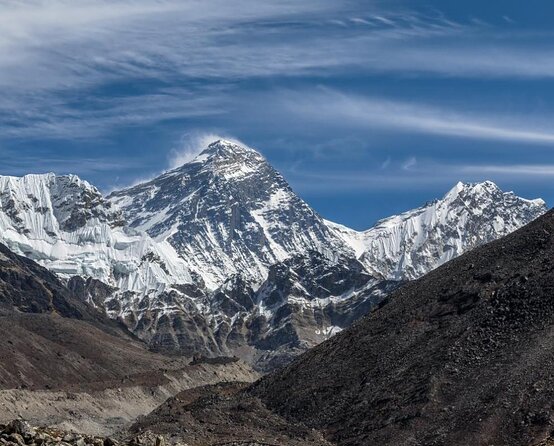
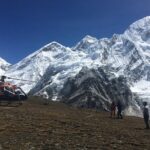
Kala Patthar is described as the popular Himalayan viewpoint with 360-degree panoramic views of the Khumbu mountains including Everest. The helicopter piece is the entire reason this trek is different. Instead of walking back down, you transition from viewpoint altitude to flight altitude and then straight to Kathmandu.
The value here is big. Your legs get a break at the moment they’ll be most tired. That means you can arrive back in Kathmandu with more energy to actually enjoy your final day rather than just survive it.
One consideration: helicopter rides depend on weather. Clear skies usually make the whole day better, but you should be prepared for conditions to affect schedules.
Day 10: Kathmandu departure—clean closeout
After breakfast, you transfer to the international airport for your return flight or onward connection.
This final day is straightforward, and that’s good. You’ll have enough done already—your goal was altitude and views. The trip doesn’t add extra tasks here.
Helicopter return: the premium you pay for and the trade-off you accept
Let’s talk money and body together. This tour charges $3,400 per person, which is high compared to classic EBC treks that require full return hikes. You’re paying for the helicopter shortcut. That shortcut can be life-changing if you don’t want to retrace steps for days.
But it comes with the weather reality of Nepal: flights and helicopters can be delayed or impacted. The tour is set up with the helicopter return as a highlight, but that also means the best version of the trip depends on conditions.
If you like control and predictability, consider that. If you like saving effort and getting to Kathmandu faster, that’s exactly what this route is built to do.
What’s included on the ground: tea houses, meals, permits, and the support system
Included is where this trek quietly wins. The plan lists:
- Tea house accommodation during the trek
- Meals (breakfast, lunch, dinner) during the trek
- Kathmandu accommodation including breakfast
- Airport transfers in Kathmandu by private vehicle
- Flights from Kathmandu to Lukla
- Helicopter from Gorekshep to Kathmandu on a group-sharing basis
- An experienced English-speaking trekking guide and porters (1 porter for 2 trekkers)
- Everest Trek permit and TIMS card
- Duffle bag, down jacket, sleeping bag, and walking pole
- Trekking map and trip achievement certificate
- Taxes, VAT, and office service charge
- Landing and facility fees
That means you’re not just buying scenic time. You’re buying a full operating system for the trek: beds, food, permission paperwork, and people who know how the region runs.
Two small but important items:
- You’re getting essential cold-weather gear listed (down jacket and sleeping bag). That reduces the pressure to pack bulky items.
- The porter ratio (1 porter for 2 trekkers) means you’ll likely carry less than you expect, which helps when fatigue stacks up.
Not included:
- Lunch and dinner in Kathmandu
- Nepal entry visa fee (you need accurate USD cash and two passport photographs, per the provided info)
- Personal expenses and drinks (tea/coffee, hot chocolate, boiled water, bottled water, and so on)
- Tips (expected but not mandatory)
So your day-to-day costs beyond the trek will mostly be in Kathmandu meals and small creature comforts like hot drinks and charging.
Group size, meeting time, and how the day rhythm usually feels
This runs as a small group tour with a maximum of 15 travelers. That’s not just a comfort perk—it affects how smoothly your trek flows. Fewer people can mean less time waiting in narrow places and less chaos at lodges.
The meeting point start time is listed as 6:15 am, so you’ll want your morning routine down. Think early start, steady walking, frequent breaks for breath and water.
Also, confirmation is received at booking time, and the trip is described as requiring moderate physical fitness.
Price: is $3,400 actually value for what you’re getting?
You’re paying for several bundled high-cost items: Lukla flights, permits, guide and porter support, and especially the helicopter return. On an EBC trek, the helicopter is the big line item that changes the entire experience.
If you compare it to options where you hike back down the same route, the value case is simple: you’re buying time and leg-saving recovery. For many people, that’s worth a lot. For others, it might feel too pricey if you’re also okay with a longer trek.
This is best value if:
- you want the Everest Base Camp experience but don’t want to turn the return into a second trek
- you want gear and logistics handled
- you’d prefer small-group pacing
It’s less ideal if:
- you’re strictly budget-focused
- you strongly dislike weather-dependent elements (because helicopter depends on conditions)
Who this trek suits best
This route fits you if you’re comfortable with a moderate-fitness trek that still climbs high and covers long travel days. The itinerary moves through major Everest-region hubs and includes acclimatization time, which helps.
It also suits you if you want structure: guide, permits, meals, lodging, and transportation are all handled. You can focus on the walking and the views, not logistics.
If you’re someone who hates early mornings and long travel days, you may find the pace demanding. But if you like a clear plan with big payoff days (Base Camp and Kala Patthar), you’ll likely enjoy it.
What to pack (and what you can probably skip)
The trip includes a down jacket, sleeping bag, and walking pole, plus a duffle bag. That’s a big deal. It means you can pack lighter on the essentials that are usually expensive or bulky.
You still should plan for:
- cold mornings and windy viewpoint times (especially around Kala Patthar)
- trekking clothing layers
- basic personal items and your preferred drinks/snacks for times when tea house options aren’t what you want
Because only some items are listed as provided, it’s smart to treat this as a gear checklist you can build around, rather than assuming everything is covered.
Should you book this Everest Base Camp with helicopter return?
Yes, if you want Everest Base Camp without the heavy backtrack grind, and you’re excited by the helicopter return from the Kala Patthar area. The included support—English-speaking guide, porter help, permits, tea houses, and trek meals—adds real value because it reduces decision fatigue at altitude.
No, if weather uncertainty would stress you out, or if the price feels too high for what is essentially a faster logistics-heavy version of a classic trek. In that case, you might prefer a traditional out-and-back itinerary that trades time for lower cost.
If you can handle early starts, steady climbs, and the reality of high-altitude hiking, this one is built for maximum payoff with less suffering on the way down.
FAQ
What transportation is included for the trek?
You get flights from Kathmandu to Lukla, then a group-sharing helicopter return to Kathmandu after the trek (the itinerary references helicopter flying back to Kathmandu from the Kalapathar area and also lists Gorekshep to Kathmandu by heli in the included section). Kathmandu also includes private airport transfers.
Are lodging and meals included?
Yes. You’ll stay in guest houses or lodges during the trek (tea house style), and trek meals are included: breakfast, lunch, and dinner. Kathmandu lodging with breakfast is also included, but lunch and dinner in Kathmandu are not.
Does the tour include permits and trekking paperwork?
Yes. Everest Trek permit and TIMS card are included.
Do I need to bring special gear?
The tour includes key gear listed as a duffle bag, down jacket, sleeping bag, and walking pole. You’ll still want your own clothing layers and personal items.
How big is the group?
This is a small group tour with a maximum of 15 travelers.
What fitness level do I need?
The information provided says travelers should have moderate physical fitness level.