REVIEW · EVEREST BASE CAMP TREKS
Everest Base Camp Trek with Helicopter Return from Gorakshep to Lukla
Book on Viator →Operated by Ace the Himalaya · Bookable on Viator
Helicopter return from Gorakshep changes everything. I like this plan because it strings together the classic Khumbu highlights on foot, then swaps the long grind back for a shared helicopter return that saves you real energy. I also appreciate the tight Ace the Himalaya support, from airport transfers and domestic flights to an English-speaking guide and porters who keep your trek day focused on walking, not logistics.
One key consideration: mountain flying is weather-dependent. If conditions don’t cooperate, the operator notes the experience can be canceled due to poor weather, with a different date or a full refund offered.
In This Review
- Key highlights at a glance
- The Gorakshep-to-Lukla helicopter: why it’s such good value
- Price and logistics: what $3,000 actually buys you
- Kathmandu Day 1: the calm before the high-altitude sprint
- Day 2: Kathmandu to Lukla, then Phakding’s first dose of Khumbu life
- Day 3: Phakding to Namche Bazaar through Dudh Koshi and bridge hopping
- Day 4: Everest View Point and a real acclimatization day
- Day 5: Tengboche’s monastery atmosphere and the climb to 3,860 m
- Day 6: Dingboche via Debuche and Pangboche terrain
- Day 7: Nangkartshang Peak acclimatization without going to Base Camp
- Day 8: Lobuche, Khumbu Glacier moraine, and memorials you can’t ignore
- Day 9: Everest Base Camp at 5,365 m (closest without mountaineering)
- Day 10: Kala Pattar’s demanding climb and the view payoff
- Day 11: Shared helicopter from Gorakshep to Lukla, then back to Kathmandu
- Day 12: departure from Tribhuvan International Airport
- Your guide and porter team: the human factor that people rave about
- What to pack and how to prepare (based on what’s included)
- Who this trek is best for (and who should think twice)
- Should you book Everest Base Camp with heli return from Gorakshep?
- FAQ
- How long is the Everest Base Camp trek with helicopter return?
- Where does the trek start and what time does it begin?
- What flights are included in the package?
- How long is the helicopter ride from Gorakshep to Lukla?
- Are meals included during the trek?
- What about permits and entry items for trekking?
- Is travel insurance included?
- Do I need a certain fitness level?
Key highlights at a glance
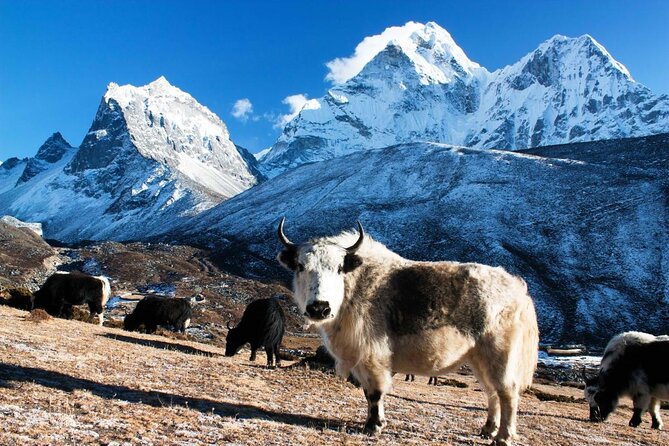
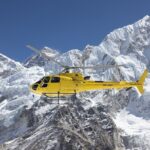
- Shared helicopter ride from Gorakshep to Lukla (about 20 minutes) so you skip the toughest return hiking days
- Acclimatization built into the schedule, including a day hike around Namche and a Nangkartshang Peak day
- Real high points without mountaineering gear: Everest Base Camp at 5,365 m and Kala Pattar at 5,555 m
- Support that lowers friction: an English-speaking licensed guide plus porters (one for every two guests)
- Practical safety tools included, like a first-aid kit and an oxymeter for measuring oxygen saturation
- Included meals and filtered water using a Katadyn Pocket Water Filter, which helps you travel lighter
The Gorakshep-to-Lukla helicopter: why it’s such good value
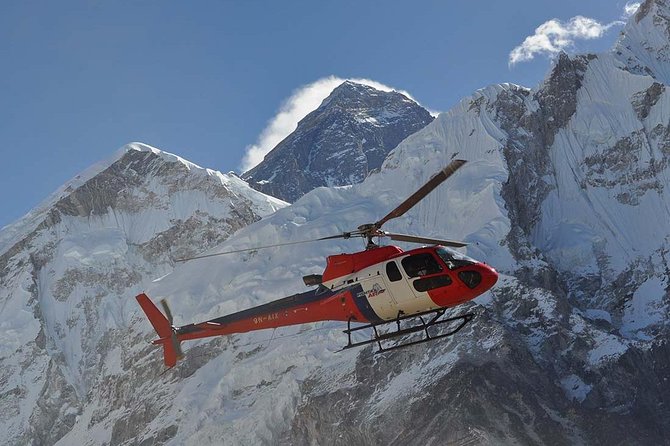
This is not just an Everest Base Camp trek with a fancy add-on. The helicopter return from Gorakshep to Lukla is what turns the whole experience into a smoother arc.
Most EBC itineraries require a long, slow return down the same trail you came up on. Here, you still climb to the big altitude moments, including Kala Pattar, then the plan lets you recover fast after reaching Gorakshep. In practical terms, it means you finish the trip feeling like you did the full adventure, without the extra days of sore legs and lower-mood backtracking that can come with a purely on-foot return.
Also, it’s shared. That matters because it keeps costs down, but it can also mean you go with the helicopter timing the group is given. If you’re the kind of traveler who hates surprises, keep a flexible mindset—Nepal is Nepal.
You can also read our reviews of more hiking tours in Kathmandu
Price and logistics: what $3,000 actually buys you
$3,000 per person is not pocket change. But compared to booking all the moving parts separately, this package is built to reduce the chaos.
Here’s what’s included that tends to cost extra when booked piecemeal:
- Airport and hotel transfers in Kathmandu by private tourist vehicle
- Twin-sharing Kathmandu hotel (3-star) with breakfast for 2 nights
- Lukla flight both ways (Kathmandu–Lukla–Kathmandu)
- Trek accommodations in Lukla, Phakding, and Namche, listed as guesthouses with attached toilets (at least for those stops)
- Guide and porter logistics (porter ratio is 1 porter for every two guests)
- Park and trekking permits (Everest National Park permits and TIMS)
- All standard trek meals (breakfast, lunch, dinner) plus a farewell dinner on the last night
- Filtered water support with a Katadyn Pocket Water Filter
- Safety gear support: first-aid kit and oxymeter for oxygen saturation checks
- A duffel/kit bag, trekking map, and sun hat (yours to keep)
The big value play is that the operator handles the daily rhythm: where you sleep, what you eat, and how you move between altitude steps. That’s why guides and porters matter so much on EBC treks. When logistics are smooth, your effort goes into the climb and the views.
What you should budget for outside the package:
- Travel insurance that covers rescue/evacuation
- Alcohol and drinks
- Tips for staff (tipping is expected)
- Your personal trekking gear
- Your Nepal entry visa and international airfare
Kathmandu Day 1: the calm before the high-altitude sprint
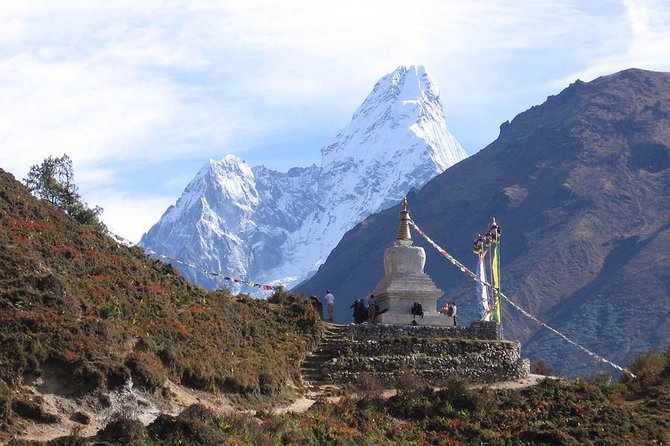
Your trip starts in Kathmandu with an airport greet and a private tourist vehicle transfer to a hotel. That first morning matters more than it sounds, because getting oriented in Nepal before a flight to Lukla helps you avoid last-minute scrambling.
You’ll also do a pre-trip meeting and meet your guide. This is where you get your bearings: what to pack, how your trek pace works, and what to expect from the support team. You’re not just buying a hike—you’re buying a system.
You stay in a three-star Kathmandu hotel in twin sharing for two nights, with breakfast included. It’s a good setup for rest and laundry time before the real mountain schedule starts.
Day 2: Kathmandu to Lukla, then Phakding’s first dose of Khumbu life
Day 2 is a classic transition day. You take a short domestic flight from Kathmandu to Lukla, landing at 2,804 m. The flight itself is part of the thrill and part of the reality check: once you arrive in Lukla, you’re in a different altitude world.
From there, the plan hikes toward Phakding. It’s early-stage trekking that helps you settle into foot rhythm and start feeling how the trail changes with elevation. This is usually where you learn your pacing: not too fast, but not creeping either.
Day 3: Phakding to Namche Bazaar through Dudh Koshi and bridge hopping
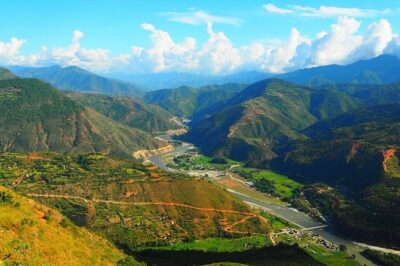
This is where the Khumbu personality shows up. The hike to Namche is described as around 6 hours, following the Dudh Koshi and crossing suspension bridges decorated with prayer flags.
Namche Bazaar is the hub for acclimatization. It’s also where you start seeing how the trek works as a system: your body asks for slower steps, but the trail keeps moving. The guide’s job here isn’t to push; it’s to keep you steady.
What you’ll like most on this day is the variety. You’re not just walking up. You’re crossing, turning, and watching river valleys open up and close again—a good mental break from pure stair-climbing.
You can also read our reviews of more tours and experiences in Kathmandu
Day 4: Everest View Point and a real acclimatization day
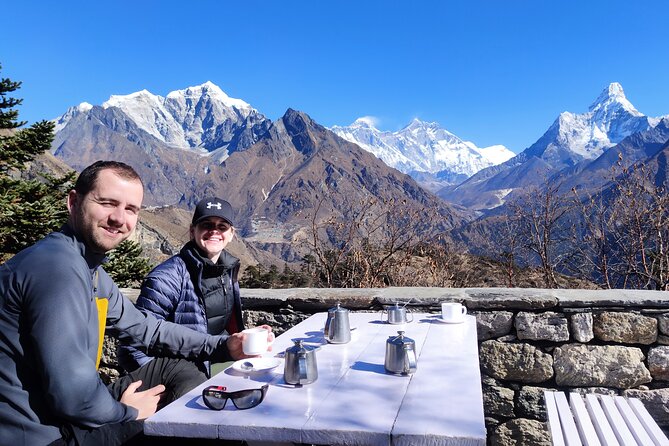
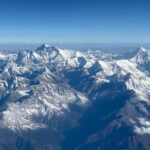
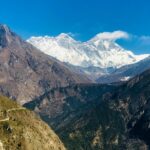
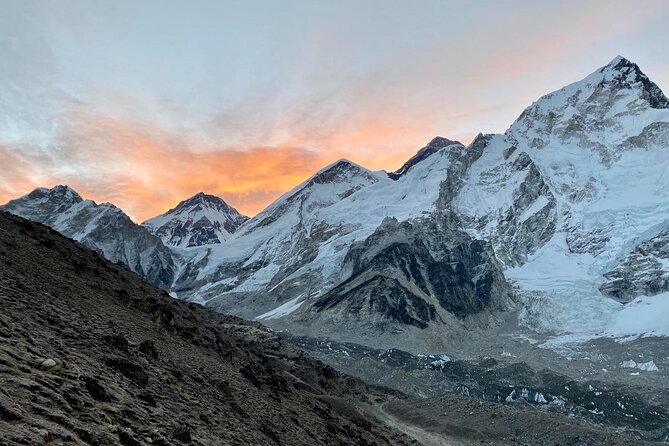
This is an acclimatization day, and it’s planned around the air thinning. You get a day to adjust with a short trek in and around Namche, plus time for rewarding Himalayan views and a sunrise angle from the Everest View Point area.
I like acclimatization days that feel purposeful instead of wasted. You’re not gaining altitude to chase numbers. You’re gaining altitude tolerance. That helps later when the climbs get harder and the air gets thinner.
Practical tip: on an acclimatization day, don’t treat it like a recovery day where you do nothing. Move gently, hydrate, and let the guide’s pacing guide you.
Day 5: Tengboche’s monastery atmosphere and the climb to 3,860 m
The trail continues along glacial waters and picks up into higher country. You reach 3,860 m when you arrive in Tengboche.
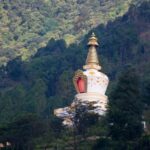
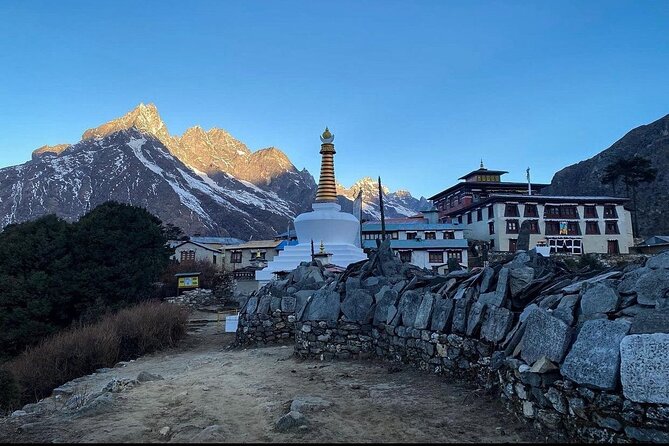
Tengboche is known for its monastery. The itinerary includes time there, and that cultural pause is important. After days of walking and air pressure changes, a quiet moment with a view can make the day feel complete.
Drawback to expect: Tengboche sits at a height where you might feel wind, colder air, and a faster heartbeat on uphill sections. This is normal. The win is keeping your breathing under control and staying patient.
Day 6: Dingboche via Debuche and Pangboche terrain
This day ties together several trail elements: you drop to Debuche, cross another suspension bridge over the Imja Khola, then climb through Pangboche among thousands of mani stones.
You end up in Dingboche. The pattern here is crucial: you’re learning how to move in the higher Khumbu zone without burning yourself out.
When you see mani stones, take a second. They’re a quick reminder that this trail isn’t just a tourist route. It’s lived-in country.
Day 7: Nangkartshang Peak acclimatization without going to Base Camp
Day 7 is a planned acclimatization day that avoids direct progress to Everest Base Camp. You hike to Nangkartshang Peak just above Dingboche for views—this is about adjusting, not pushing.
This is one of the smartest parts of the itinerary. Many tired EBC plans sacrifice acclimatization days to save time. Here, the schedule says you’ll do the hard parts later because you’ll prepare now.
If you want to keep the trip feeling like a victory instead of a punishment, trust days like this. Slow is strategic.
Day 8: Lobuche, Khumbu Glacier moraine, and memorials you can’t ignore
Today you head along the lateral moraine of the Khumbu Glacier. The trail also passes stone memorials for climbers who perished nearby.
This day can hit you emotionally. You’ve been chasing high altitude and big views, but these memorials pull you back into the reality of what Everest represents.
The route continues to Lobuche. It’s often a turning point day: after this, Base Camp and Kala Pattar feel closer—and the stakes feel higher.
Day 9: Everest Base Camp at 5,365 m (closest without mountaineering)
This is the big achievement day. You walk along the Khumbu Glacier up to Everest Base Camp at 5,365 m.
It’s described as a big and difficult day walk. That doesn’t mean you need to be an athlete. It means you should respect the time on your feet and the altitude pressure. Bring patience. Keep your steps even.
What you’ll likely love most is the feeling of proximity. This is as close as you get to Everest without mountaineering gear. You’re not climbing the mountain, but you’re standing in the zone that mountain climbers train for.
Day 10: Kala Pattar’s demanding climb and the view payoff
If you like your rewards loud and visual, Day 10 is your payoff. You climb Kala Pattar, a peak at 5,555 m, and it’s described as one of the most difficult yet rewarding days.
Plan for steep effort. The itinerary says most of the morning is spent climbing. You may not feel heroic. You’ll feel tired. Then the view shows up, and it changes your whole mood.
This is also the day where altitude makes itself known. That’s where having an oxymeter in the safety kit can add peace of mind for you and the guide team, even if it doesn’t make the mountain easier.
Day 11: Shared helicopter from Gorakshep to Lukla, then back to Kathmandu
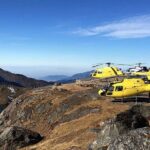
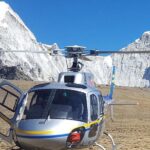
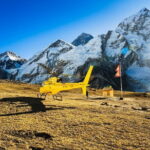
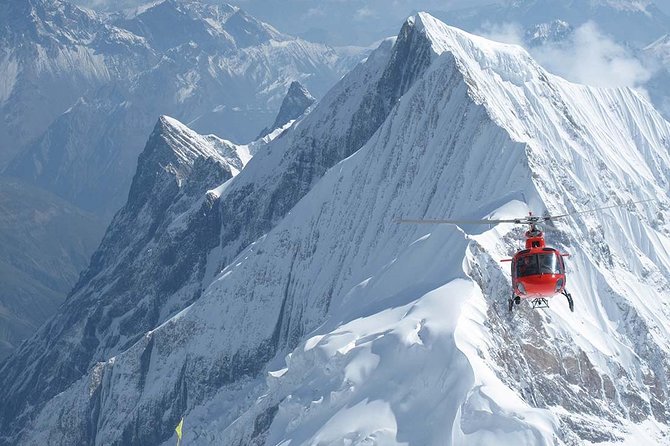
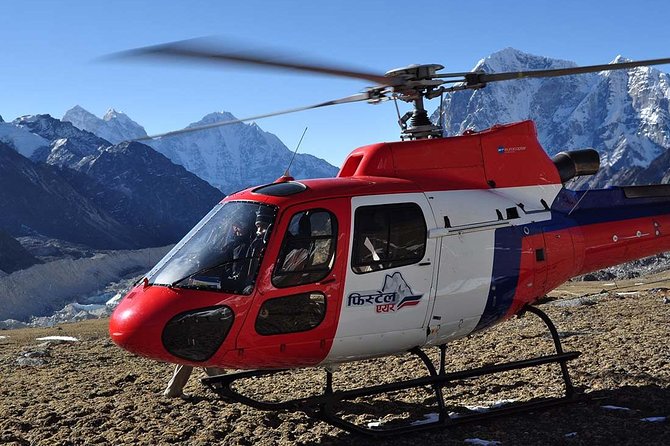
After your high point at Kala Pattar, the plan transfers you to Gorakshep and then takes the shared helicopter ride back to Lukla. The helicopter time is listed as about 20 minutes—short enough to feel like a surprise, long enough to noticeably cut your fatigue.
Then you fly from Lukla back to Kathmandu (35 minutes is listed for the flight segment). On arrival, you’re met and transferred back to your hotel.
This is the day that makes people love the trip after the fact. You get to finish with momentum, not with months-long leg stiffness.
Day 12: departure from Tribhuvan International Airport
Your final day is straightforward. You go to Tribhuvan International Airport, Nepal’s only international airport.
This is where it’s smart to keep your last-day energy calm. After EBC, you’ll want a stress-free end: pack early, keep documents handy, and don’t schedule anything complicated right after checkout.
Your guide and porter team: the human factor that people rave about
On paper, this trek looks like an itinerary. In practice, it’s a team sport.
In past departures, guides named Raj, Ram, and Madan show up in the support story, with themes of motivation and logistics staying under control. You might also work with porters named Bishal, Girija, and Pesal (names vary by departure), and that porter work is a big deal: it’s what lets you carry your focus instead of your pack.
The porter ratio is one porter for every two guests. That’s not just a comfort feature. It helps you keep energy for altitude steps and long days like Everest Base Camp and Kala Pattar.
One smart included safety piece: the first-aid kit plus an oxymeter for checking oxygen saturation. It’s not a magic wand, but it gives you something tangible to monitor during the harder breathing days.
What to pack and how to prepare (based on what’s included)
The operator covers many essentials: meals, filtered water support, and key safety items. That means your packing can focus on the things that keep you warm, dry, and able to walk for hours.
Since personal trekking gear isn’t included, make sure you have your own core kit before departure. The trip also includes a sun hat, map, and duffel/kit bag, which helps you avoid buying the wrong thing late.
Preparation checklist I’d follow:
- Pack for cold temperatures at high altitude (especially Kala Pattar day)
- Plan for multiple trekking layers you can adjust quickly
- Bring a water plan you’re comfortable with, then use the provided Katadyn filter on the trail
- Pace yourself for a moderate fitness level requirement
Who this trek is best for (and who should think twice)
This experience fits best if you want:
- The classic Everest Base Camp route and key viewpoints (Namche, Tengboche, Dingboche, Lobuche, Base Camp, Kala Pattar)
- A smarter finish thanks to the helicopter return instead of extra days of walking downhill
- A guided setup where permits, meals, accommodations, and transfers are handled
You should think twice if you:
- Hate weather-driven changes and want zero flexibility
- Are relying on the trip to include rescue or evacuation coverage (insurance isn’t included)
- Want full control over everything down to flight timing (the helicopter is shared)
Also, the maximum group size is listed as 14, and there’s a minimum of two people booking. That’s a good sign for comfort, not a guarantee you’ll be alone.
Should you book Everest Base Camp with heli return from Gorakshep?
If you’re aiming for a once-in-a-lifetime Everest Base Camp trek without the long slog back on foot, I think this one is worth serious consideration. The helicopter return is the heart of the value: you still earn the high points, then you avoid the extra suffering that can drain the final days.
I’d book it if:
- You’re comfortable with guided trekking and a moderate fitness plan
- You want the included support system (guide, porters, meals, filtered water, safety kit)
- You can travel with a flexible mindset for Nepal flight and weather conditions
If you’re deciding between a purely trekking return versus a heli return, this itinerary makes a strong case that saving your legs is part of having the best experience, not a shortcut.
FAQ
How long is the Everest Base Camp trek with helicopter return?
The duration is listed as about 12 days.
Where does the trek start and what time does it begin?
The meeting/start time is 8:00 am, with the itinerary beginning in Kathmandu.
What flights are included in the package?
Airfare is included for Kathmandu to Lukla and back to Kathmandu, with flights also tied to getting you to and from the trek.
How long is the helicopter ride from Gorakshep to Lukla?
The shared helicopter ride is about 20 minutes.
Are meals included during the trek?
Yes. The package includes all standard meals during the trek (breakfast, lunch, dinner) plus a farewell dinner on the last night.
What about permits and entry items for trekking?
Everest National Park permits and TIMS permit are included.
Is travel insurance included?
No. Travel insurance is not included, and the package notes it should cover emergency rescue and evacuation.
Do I need a certain fitness level?
The trip notes you should have a moderate physical fitness level.