REVIEW · FOOD
Kathmandu Food Crawl & Market Tour
Book on Viator →Operated by Mount Glory Treks & Expedition Pvt.Ltd. · Bookable on Viator
Street snacks are the shortcut to Kathmandu. This 2-hour crawl starts in Thamel and rolls into Ason Bazar, where you eat at local stalls while seeing temples and everyday market life up close.
I love the English-speaking guide who explains what you’re eating and why it fits Kathmandu’s food mix. I also love that you get all foods and beverages (minimum 5 items) plus taxes included in the $25 price.
One thing to consider: it’s a tight walk, so if spice and strong smells bother you, plan to ask for options and take small pauses.
In This Review
- Key highlights before you go
- Why Kathmandu Street Food Works as a First Activity
- Meeting at Chhaya Devi Complex (Chhaya Center) and How the Walk Runs
- Thamel Start to Ason Bazar: Local Markets Without the Guesswork
- What You Actually Eat: Minimum 5 Items, Drinks Included
- Drinks, Spice, and Being Comfortable on a Two-Hour Route
- The Guides Matter: Santosh, Namaste, and Manoj as Examples
- Price and Value: Why $25 Often Feels Like a Good Deal
- Who This Tour Suits Best (And Who Should Skip It)
- Practical Tips to Make Your Crawl Smoother
- Should You Book This Kathmandu Food Crawl?
- FAQ
- How long is the Kathmandu Food Crawl & Market Tour?
- How much does the tour cost?
- What food and drinks are included?
- Is a guide included, and what language do they speak?
- Where do I meet for the tour?
- How big is the group?
- Can I get a full refund if I cancel?
Key highlights before you go
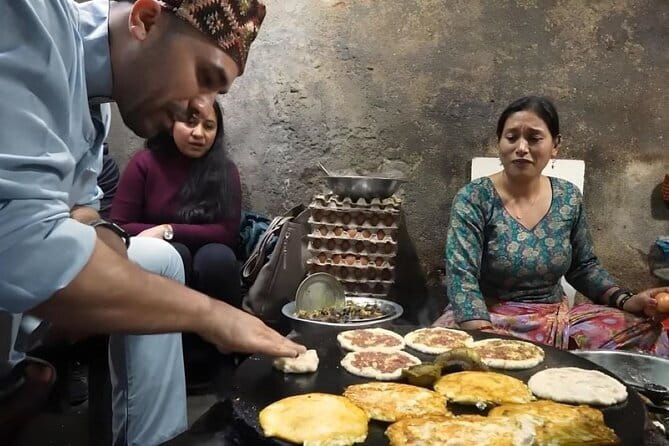
- Thamel to Ason Bazar: start at Chhaya Devi Complex and move into the older market side of Kathmandu
- Minimum 5 tastings with drinks: you’re not just walking; you’re eating through the route
- Small group size (max 20): easier pacing in narrow lanes and less jostling at stalls
- English-speaking, friendly guides: guides like Santosh, Namaste, and Manoj are mentioned in past groups
- Mobile ticket: simpler check-in before you start nibbling
- Food + culture stops: temples, stupas, and local shops are part of the route, not an afterthought
Why Kathmandu Street Food Works as a First Activity
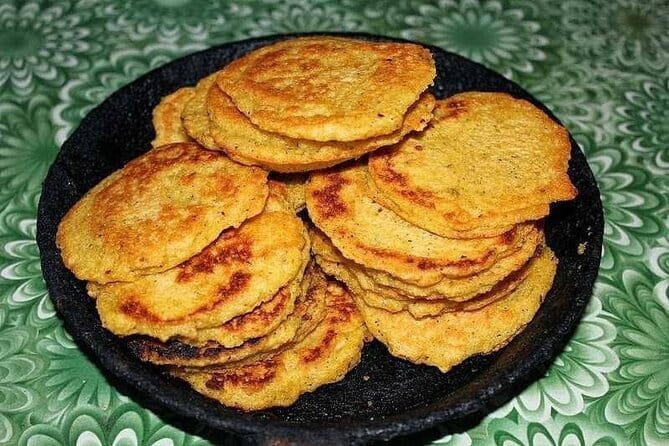
Kathmandu can feel like a sensory whirlwind when you land. A food crawl turns that chaos into something useful. You learn how locals actually eat, shop, and socialize, and you do it while tasting the most approachable entries into Nepal’s food world.
This walk also fits Kathmandu’s mix of influences. You’ll run into flavors tied to Nepali traditions, plus Tibetan and Indian connections you can taste in everyday snacks. It’s the kind of orientation that helps you wander later without feeling lost.
You’ll also get a quick hit of street-food classics—especially momo dumplings in different styles and chatamari, often called Newari pizza. Even if you’re not a hardcore foodie, those are friendly, recognizable ways to start.
You can also read our reviews of more food & drink experiences in Kathmandu

Meeting at Chhaya Devi Complex (Chhaya Center) and How the Walk Runs
The tour meets at Chhaya Center, Chhaya Devi Complex, Amrit Marg, Kathmandu 44600. You start there, and the experience ends back at the same meeting point, which is handy when you’re trying to plan the rest of your day.
It runs about 2 hours. That matters because you can schedule it early—before your body clock fully adapts—and still have the energy to explore the city after. Past first-day arrivals often like this format because it gets you grounded fast.
You’ll use a mobile ticket, and confirmation is handled at booking time. The operator also caps the group at 20 travelers, which keeps the pace more relaxed than big van tours and helps you stop for tastings without getting swallowed by the crowd.
Thamel Start to Ason Bazar: Local Markets Without the Guesswork
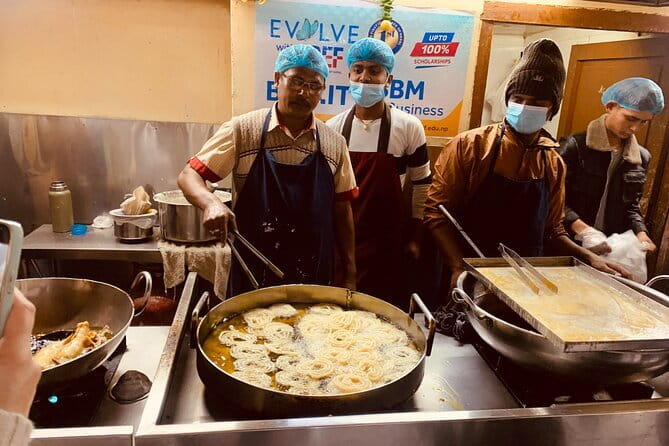
You begin in Thamel, then head into Ason Bazar, described as Kathmandu’s older local market area. This is where the tour earns its keep. Ason Bazar isn’t just shopping—it’s lived-in streets with local habits, small temples, and side lanes where everyday life plays out.
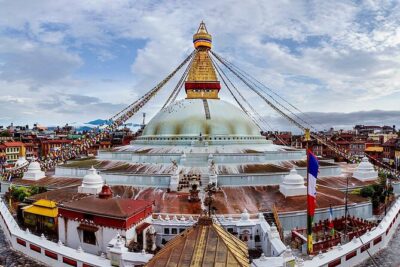
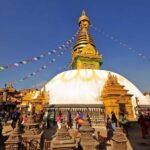
Along the way, you’ll pass unique shops and get a chance to notice temples and stupas as part of the neighborhood scene. That’s a big deal in Kathmandu. Religious sites aren’t separate from daily food and trade; they sit in the middle of it.
A practical win: with a guide, you don’t have to play detective on where to eat or what’s actually worth trying. The route is planned to connect market sights with real food stops, so your effort goes into tasting instead of searching.
The only “watch-outs” here are normal city-walking stuff. Expect tight lanes and lots of motion around you. Wear shoes you’re happy to scuff and plan for a steady pace rather than lingering.
What You Actually Eat: Minimum 5 Items, Drinks Included
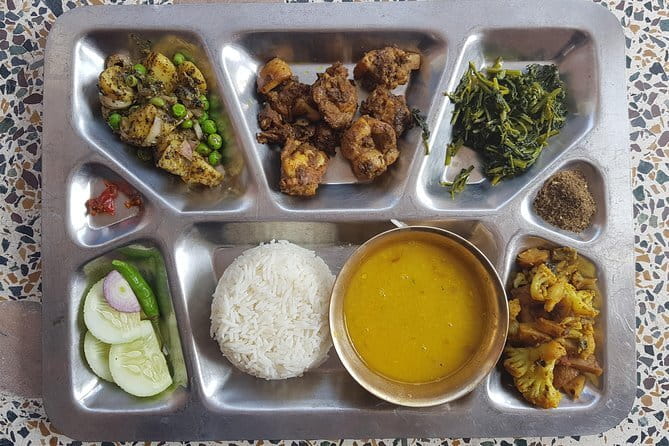
This is a tasting tour, not a long lecture. You’ll receive all foods and beverages, with a minimum of 5 items, and drinks are part of the package. That’s why the price feels fair: you’re paying for guided access to multiple stalls plus the actual food bill.
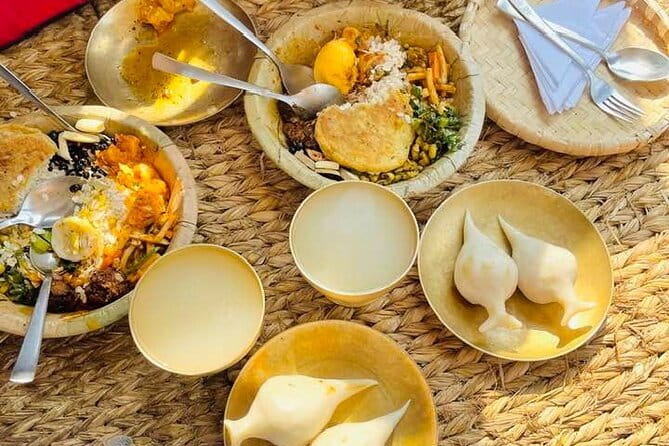
In practice, the tastings can span both savory and sweet. From examples shared by past groups, you may run into items such as chatamari, papadi chaat, panipuri, lalmohan, and laphing. You may also try snack-style bites and drinks that fit the market rhythm.
Momo shows up often in Kathmandu street-food tours, and the city serves it in many variations. Even if you’ve had dumplings before, Kathmandu’s street approach is different enough to be worth trying here. Look for the changes in fillings and spice level rather than expecting one fixed “momo taste.”
And sweets matter too. Lalmohan is a popular choice for finishing a street-food run, and it gives you a break from heat and crunch. That sweet savory balance is part of what makes this kind of crawl satisfying instead of exhausting.
Drinks, Spice, and Being Comfortable on a Two-Hour Route
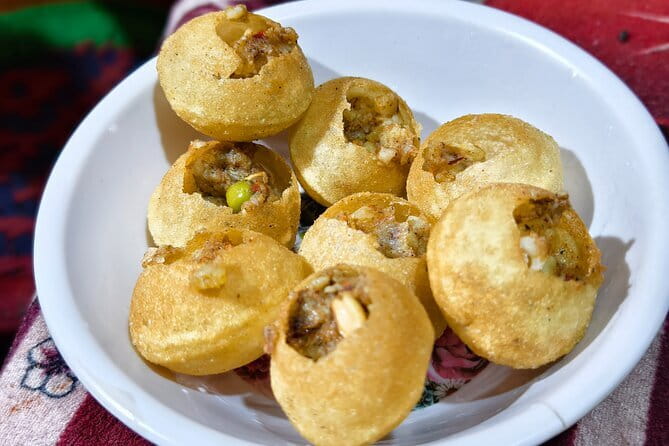
Because drinks are included with tastings, you don’t need to keep budgeting mid-tour. You also get a better sense of how Nepali street snacks pair with what locals sip alongside them.
Spice is common in Kathmandu food. Some dishes are mild-ish; others are not. Since you’re with an English-speaking guide, you can usually ask questions at each stop—what’s spicy, what’s new, what’s best for first-timers.
One practical trick I like on food walks: pace yourself with water and ask to try small portions if something looks intense. You’re aiming to enjoy the whole route, not power through one hot item and then feel stuck for the next 45 minutes.
Also, expect flavors to shift as you move between stalls. That’s part of the fun. Each place has its own rhythm and style, and the guide helps you notice the differences.
You can also read our reviews of more tours and experiences in Kathmandu
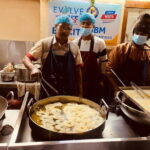
The Guides Matter: Santosh, Namaste, and Manoj as Examples
The tour is led by an experienced, helpful, English-speaking guide. That sounds standard until you realize what good guiding does here. The guide doesn’t only point at food—they connect it to Kathmandu’s social patterns and cultural background.
In past groups, guides like Santosh, Namaste, and Manoj have been highlighted for both friendliness and strong context. That combination matters when you’re eating fast in an active market. You want someone who can keep the walk moving while making sure you understand what you’re tasting.
A big plus: the conversation isn’t locked to food. Some guides bring in local history, culture, and even political and social context in a way that stays easy to follow while you’re walking and eating. It makes the tour feel like orientation, not just consumption.
If you like your travel stories with a side of dinner, this is your match.
Price and Value: Why $25 Often Feels Like a Good Deal
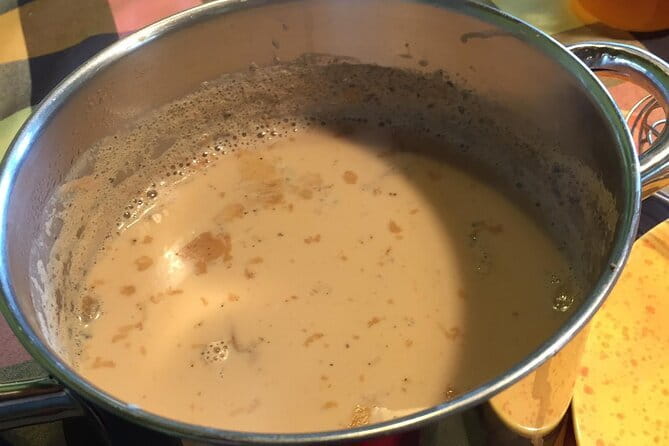
At $25 per person, you’re paying for a short, guided food-and-market experience that includes:
- a friendly English-speaking guide
- all foods and beverages (minimum 5 items)
- government taxes and official expenses
- and an included free admission ticket for the tour format
That combination is why the math tends to work out. Street food can be cheap on paper, but once you add guided navigation, multiple tastings, and drinks—especially in a location like Kathmandu where you might not know where to start—this price starts to make sense.
You also benefit from group discounts, and the operator is averaging bookings about 22 days in advance. If you want your dates, don’t wait until the last minute, especially for smaller groups that fill faster.
Who This Tour Suits Best (And Who Should Skip It)
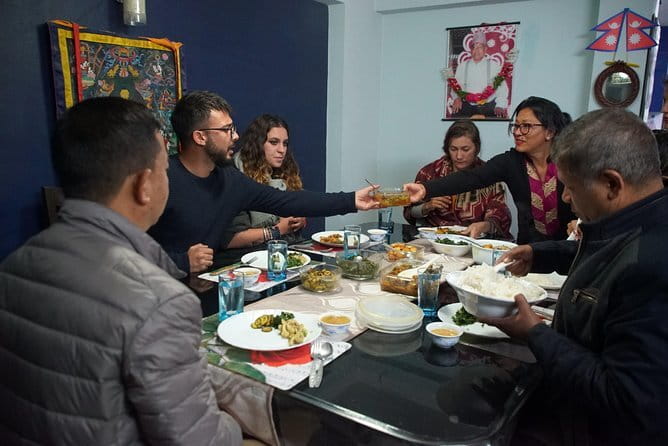
This tour fits you if you want a practical first taste of Kathmandu. It’s ideal for:
- first-time visitors who need quick orientation
- people who like markets and want local explanations alongside food
- anyone with limited time who still wants real tastings
You might want to look elsewhere if you:
- hate street food or prefer fully seated, plated meals
- want long lingering stops instead of a tight 2-hour flow
- need a strictly quiet, minimal-sensory experience
One more angle: the operator says most travelers can participate. That’s reassuring for a broad audience, but it’s still a walking tour, so comfortable footwear matters.
Practical Tips to Make Your Crawl Smoother
Bring your appetite, but also bring your realism. Two hours can go fast in a market, especially when you’re moving between stalls and weaving around other shoppers.
Here’s how to get the best experience without overthinking it:
- Eat slowly when you can: don’t treat tastings like a race.
- Ask about spice: if something looks hot, ask what’s milder.
- Wear grippy shoes: uneven pavement and busy sidewalks are common.
- Keep your phone accessible: you’ll need your mobile ticket at the start.
- Bring curiosity: the guide’s best stories happen when you ask follow-up questions.
If you’re planning other Kathmandu activities after, schedule something light right after the tour. You’ll likely be energized by the food and walking, but you’ll also have soaked up a lot of sensory input.
Should You Book This Kathmandu Food Crawl?
Yes—if you want an efficient, tasty way to understand Kathmandu. The biggest strength is the package: English-speaking guidance, minimum 5 tastings with drinks, taxes included, and a route that links market life with cultural sights like temples and stupas. For $25, it’s a solid use of a couple hours.
If you’re the type who likes to explore on your own, you might still book it as a way to get your bearings. After this, you’ll know what momo, chatamari, and other street snacks taste like in the Kathmandu style—and you’ll feel more confident wandering Ason Bazar later.
FAQ
How long is the Kathmandu Food Crawl & Market Tour?
It runs for about 2 hours.
How much does the tour cost?
The price is $25.00 per person.
What food and drinks are included?
All foods and beverages are included, with a minimum of 5 items and drinks.
Is a guide included, and what language do they speak?
Yes. You’ll have an experienced, helpful, English-speaking tour guide.
Where do I meet for the tour?
The meeting point is Chhaya Center, Chhaya Devi Complex, Amrit Marg, Kathmandu 44600, Nepal. The tour ends back at the same meeting point.
How big is the group?
The tour has a maximum of 20 travelers.
Can I get a full refund if I cancel?
Yes. You can cancel up to 24 hours in advance for a full refund.