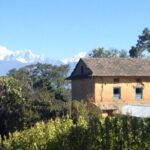
A big mountain trek, and your only job is walking. This Annapurna Base Camp trip turns a complex route into clear daily progress, with a guide handling logistics, permits, and meals. I especially like the small group feel (max 10), which keeps the pace human and questions easy to answer. I also like that airport pickup and drop-off are built in, so you are not scrambling on day one. One drawback to plan for: you still have to manage altitude and effort yourself, because nature sets the rules.
Here’s the appeal: you move from river valleys to hill villages, then to famous viewpoints like Poon Hill (3232 m), and finally into the base camp area with big Himalayan views. You also get a natural hot spring moment and passes through Gurung villages, plus sightseeing time in Kathmandu and Pokhara. The whole package is built for people with moderate fitness who want the experience without the paperwork headaches.
In This Review
- Key highlights at a glance
- Annapurna Base Camp: what this trek gets right from day one
- From Tribhuvan Airport to Pokhara: the drive that sets the mood
- First trekking days: Nayapul to Tikhedunga and the Ulleri climb
- Poon Hill sunrise day: your photo moment comes with a hike
- Ghorepani to Chhomrong: suspension bridge energy and sanctuary gates
- Base camp day at Annapurna: why you go all that way
- The return trail: Bamboo, rhododendron, and getting your legs home
- Kathmandu and Pokhara time: culture without derailing your trek
- Price and logistics: does $785.72 feel fair?
- Gear, altitude, and pacing: what to plan for in real life
- Who should book this Annapurna Base Camp trek
- Should you book this Annapurna Base Camp trek?
- FAQ
- What city does this Annapurna Base Camp trek start from?
- How many days is the trek?
- What is the group size?
- Is airport pickup and drop-off included?
- Does the trek include permits?
- Are meals and overnight stays included?
- Is trekking gear included?
- Do I need travel insurance?
- Is a porter available, and what does it cost?
- What about the Nepal entry visa and international flights?
Key highlights at a glance
- Max 10 travelers, so the trek feels guided, not crowded
- Meals and overnight stays included throughout the trek days
- Permits included: Annapurna Conservation Permits and TIMS
- Gear provided if needed: sleeping bag, down jacket, and a trekking map
- Poon Hill sunrise views over Dhaulagiri and several major peaks
- Base camp visit plus hot spring break, not just a one-way march
Annapurna Base Camp: what this trek gets right from day one
This trek is designed for people who want the real Annapurna payoff without playing logistics roulette. You get a guide, group support, and transport between Kathmandu and Pokhara, which matters a lot when you are juggling flights, bus timing, and permits. And because it’s small-group, you are more likely to get the kind of pacing tweaks that help on steep starts and cold nights.
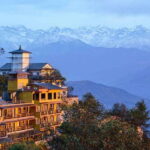
The other thing I like: the route is packed with variety. You will walk through village lanes in the Annapurna region, pass into denser forest as elevation changes, and then shift into the warmer-to-cold mountain rhythm where your body feels every step. The itinerary also keeps the day structure clear: drive, hike, viewpoint day, sanctuary approach, base camp day, then a steady return.
You can also read our reviews of more hiking tours in Kathmandu
From Tribhuvan Airport to Pokhara: the drive that sets the mood
You start at Tribhuvan International Airport in Kathmandu around 7:15 AM, and the plan includes airport pickup and drop-off. Day one is a long scenic drive toward Pokhara, running along the Trisuli and Marsyangdi River areas. Even if you are not a road-trip person, this segment helps you get oriented fast—mountain terrain, river valleys, and that first set of Himalayan views.
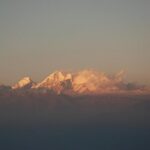
Along the way, you catch sight of Ganesh Himal and Manaslu peaks. If you have ever tried to plan this kind of trek alone, you know how easily day one turns into stress. Here, the transport is handled, so your brain is free to settle into the trip instead of fixing problems.
First trekking days: Nayapul to Tikhedunga and the Ulleri climb
On day two, you drive from Pokhara toward Nayapul (about an hour and a half), then begin hiking from the trailhead area toward Tikhedunga (1577 m) via Birethanti (1065 m). This is the classic entry rhythm: a gentle setup where you start warming up to the pace, with time for a few stop-and-look moments.
Day three is where you feel the trek get serious. The route ascends steeply for the first two hours, then you continue more gradually through Ulleri (2070 m) and Banthanti. I like this structure because it gives you a first taste of thigh-burning effort before the big viewpoint day later on. It also helps you figure out your hiking style—how fast you can go without gasping, how often you want breaks, and how much water you need.
Poon Hill sunrise day: your photo moment comes with a hike
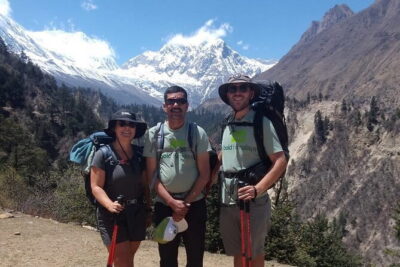
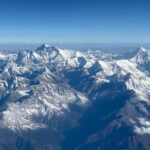
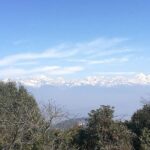
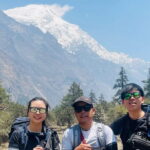
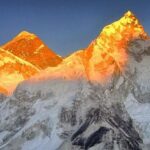
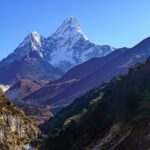
Poon Hill is the trek’s headline viewpoint, and this plan treats it like one. You head there (up to 3232 m) to enjoy sunrise views over giants like Dhaulagiri (8167 m) and Annapurna I (8091 m), plus peaks such as Nilgiri (6940 m), Tukuche Peak (6920 m), and others you can spot depending on weather.
This day works because it mixes effort with reward. You are not just climbing for climbing’s sake—you are chasing light over the high peaks. Expect cold early hours, the kind where you bundle up and move with purpose. Once you reach the viewpoint area, you get a strong sense of scale: Annapurna isn’t a name on a map here, it’s a wall of mountains in front of you.
After that, day five shifts the mood. You hike through rhododendron and oak forests and descend gently toward Ghorepani. This kind of forest walking is a relief from constant up-and-down rock steps, and it also gives your body a different muscle load.
Ghorepani to Chhomrong: suspension bridge energy and sanctuary gates
Day six brings a big change in trail feel. You start after breakfast and begin with a descent along stone stairways, then cross Chhomrong Khola on a suspension bridge before climbing out again. Bridges like this do more than cross a river—they add that extra mental checkpoint that keeps you focused, especially when you are tired.
Day seven continues the approach into the sanctuary feeling. As the valley widens, you get a clearer sense of arrival—there are gates to the sanctuary area from here. The route includes crossing two avalanche tunnels, which is a very real reminder that this region is shaped by heavy winter forces. It is not dramatic for the sake of drama; it just makes you walk with respect.
I also like that the route doesn’t rush you. The pace feels built for the group to keep moving, not sprinting. And if it’s your first time trekking at high altitude, having a steady guide rhythm matters even more.
Base camp day at Annapurna: why you go all that way
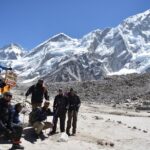
Day eight is the moment you plan for: you go to Annapurna Base Camp and take in the surrounding Himalayan views. Then you start trekking back to Dovan. Base camp days can feel strange in a good way—after days of incremental progress, suddenly you arrive at the destination and it doesn’t feel real until you’re standing there.
Also, your trip includes time for a dip in a natural hot spring (a welcome reset when your legs feel like they belong to someone else). That kind of recovery matters on return days, when the trail asks for steady endurance rather than bursts of strength.
One detail that stands out from the experience’s guide performance: a trek participant shared that their guide, Indra, was attentive and knowledgeable about route options, terrain, and weather conditions. If you hit cold snaps or low-visibility conditions, that guidance can help you keep your energy and your expectations lined up with what’s actually happening that day.
The return trail: Bamboo, rhododendron, and getting your legs home
Coming back is its own trek. Day nine takes you through rhododendron, oak, and bamboo plants, descending to Bamboo. Then the day adds a sharper element: after Bamboo, the trail climbs steeply for about an hour, and you continue onward from there.
Day ten continues the descent back toward the lower trails. The route drops at first, then moves through flatter sections until Birethati, where you stop for lunch. After that, you walk around 30 minutes to Nayapul, finishing the trekking portion and transitioning back toward civilization.
This is the part where you appreciate having the logistics handled. Your job becomes simple: keep moving safely, keep warm, and eat well. The trek doesn’t abandon you at the finish line either—it flows into the Kathmandu transfer the next day.
Kathmandu and Pokhara time: culture without derailing your trek
The experience is not just trail time. You also get sightseeing excursions in Pokhara and Kathmandu, and that matters because most people want a balanced trip: mountains during the day, and a few softer hours to reset at night.
Day one brings you to Pokhara, and by the end of the trekking you circle back through the lower route. On day eleven, you take a tourist bus at 7:00 AM after breakfast to drive to Kathmandu. It’s a long road day, but it’s also the easiest way to close the loop on a trek like this.
If you like your travel with a plan you can relax into, this structure is handy: you get the signature Annapurna highlights, then you get time to explore the cities rather than immediately rushing to the airport.
Price and logistics: does $785.72 feel fair?
At $785.72 per person, this trek price is really about what’s included. You are not just paying for the trek route—you are paying for a guide, transport between Kathmandu and Pokhara, 10 nights of accommodation, and the big essentials like permits (Annapurna Conservation Permits and TIMS). You also get meals layered in (breakfast most mornings, plus lunch and dinner across multiple trek days).
You also get trekking support items if you need them: a sleeping bag, a down jacket, and a trekking map (returned after the trek). That can reduce gear costs and makes the packing list easier, especially if you are traveling from somewhere else.
What’s not included is just as important for your budget: international flights, Nepal entry visa fee, travel insurance (compulsory), tips for the guide and driver, and personal expenses. If you want a porter, it’s $20 per day. Alcohol and non-alcohol drinks, plus dessert, are also not included.
So is it good value? For most people who do not want to manage permits, meal planning, gear logistics, and daily scheduling, yes. The biggest cost saver here is time and stress, not just money.
Gear, altitude, and pacing: what to plan for in real life
This trek is for travelers with moderate physical fitness. You will hike multiple days with periods of steep climbing and stone stair sections, plus a return trail that keeps endurance in the driver’s seat.
The trip provides a sleeping bag and down jacket if necessary. Still, you should think about layering and staying dry. In mountain trekking, the wrong layer choice can turn an evening unpleasant. Also, because you are at high elevation, plan hydration and slow effort. The best guide can’t erase altitude. What a good guide can do is help you stay sensible with pacing and weather calls.
The mention of guide Indra being attentive to route and weather is exactly the kind of support that helps when conditions change. If you are new to high altitude trekking, this kind of guidance is not a luxury—it’s part of staying comfortable enough to keep moving.
Who should book this Annapurna Base Camp trek
This experience fits best if you want:
- A guided, small-group trek (max 10) with a clear structure
- Meals, permits, and accommodations handled so you can focus on hiking
- Time in Kathmandu and Pokhara for sightseeing after the mountain work
It may not be your ideal choice if you want total independence, or if you love planning every permit and route detail yourself. You also should be realistic about physical demand. Annapurna Base Camp is not a walk in the park. It’s a hike with real altitude stakes.
Should you book this Annapurna Base Camp trek?
If you want the Annapurna Base Camp experience and you would rather spend your energy on breathing and views than on logistics, I think you should strongly consider it. The included permits, meals, accommodation, and guide support make the trek feel manageable. The small group size (up to 10) is a bonus for comfort and communication.
I’d also book sooner rather than later. The average booking lead time is about 86 days, which tells you these dates get snapped up. If you’re traveling in a popular window, waiting can cost you your preferred schedule.
My final advice: if you’re new to high altitude trekking, choose this kind of organized support. The trek will still challenge you, but it won’t challenge you while you are stuck solving problems.
FAQ
What city does this Annapurna Base Camp trek start from?
It starts in Kathmandu, Nepal. The meeting point is Tribhuvan Airport at 7:15 AM.
How many days is the trek?
The duration is 11 days (approx.).
What is the group size?
The trek has a maximum of 10 travelers.
Is airport pickup and drop-off included?
Yes. Airport pickup and drop-off are included.
Does the trek include permits?
Yes. Annapurna Conservation Permits and TIMS are included.
Are meals and overnight stays included?
Yes. All meals and overnights are included, with breakfasts, lunches, and dinners listed across the trek days.
Is trekking gear included?
You get a sleeping bag and down jacket if needed, plus a trekking map if necessary. Gear is returned after the trek.
Do I need travel insurance?
Yes. Travel insurance is compulsory and is not included.
Is a porter available, and what does it cost?
A trekking porter is available if you need one, at $20 per day (not included in the base price).
What about the Nepal entry visa and international flights?
International flights are not included. The Nepal entry visa fee is also not included, but you can issue the visa upon arrival in Kathmandu with 2 passport size photos.