REVIEW · ANNAPURNA BASE CAMP TREKS
Annapurna Base Camp Trek
Book on Viator →Operated by Nepal High Trek & Expedition Pvt. Ltd · Bookable on Viator
One step off the plane and you’re already planning the next sunrise. This Annapurna Base Camp trek packs big Himalayan views into a doable 7-day pace, with guided logistics, included permits, and the real pay-off of arriving at the base camp area for that early-light moment. I love that you’re not left figuring out the paperwork: the ACAP permit and TIMS card are handled, plus a government-licensed mountain guide. I also like that the trek is built around small village days and gradual changes in scenery, so you feel the region’s rhythm instead of just grinding uphill. A possible drawback: if you’re sensitive to long travel days or you hate early mornings, the schedule starts with a 4:45 am start and moves fast once the trek begins.
What you get for the money is real trail time plus “adulting” done for you—meals, basic accommodation, and ground transport. Still, this is a moderate trekking region, and your comfort will depend on your fitness and your willingness to walk 5–7-ish hours on many days (even when paths include ups and downs). If you’re expecting luxury hotels and easy access to showers, plan differently; some comfort items like hot water and extra services aren’t included.
In This Review
- Key Highlights You’ll Feel on This Trek
- Entering the Annapurna Base Camp Circuit with a 7-Day Plan
- Early Starts, Pickup, and the “Already Taken Care Of” Feeling
- Trail Day by Day: From Nayapul to Ghandruk
- Ghandruk to Chhomrong: Ridgelines, Forest Switchbacks, and Breaks
- Toward Annapurna South and Huin-Chuli: The Forest-to-High Transition
- Base Camp Day: Why the Sunrise Moment Feels Worth It
- Jhinu Danda Hot Spring and the Calm Return to Pokhara
- Price and Value: What $699.67 Includes (and What You Must Pay For)
- Guides, Porters, and How to Get the Best Team for Your Trip
- Pace, Fitness, and What “Moderate” Means in Practice
- Should You Book This Annapurna Base Camp Trek?
- FAQ
- What is the trek duration?
- Where does the trek start?
- What time does the experience start?
- Are meals included?
- Are permits included?
- Do I need to arrange a guide?
- Is pickup available?
- What is not included in the price?
Key Highlights You’ll Feel on This Trek
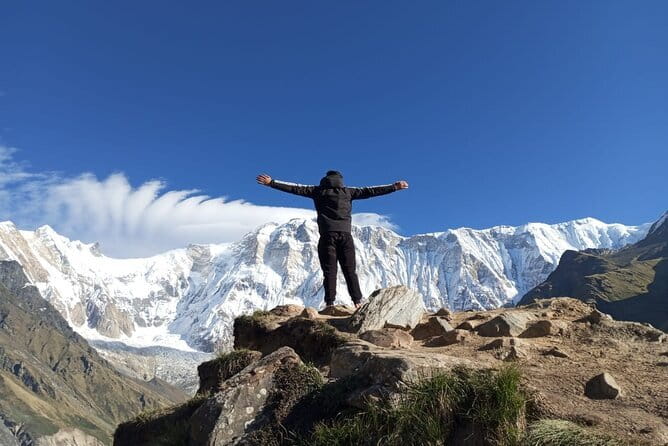
- Base camp sunrise vibe: The trek is timed so you can reach the base camp area and enjoy the early views.
- Village-to-peak progression: You walk from terraced fields and Gurung villages into higher forests and thinner air.
- Permits + guide included: ACAP permit and TIMS card are part of the package, with a government-licensed mountain guide.
- Guide names matter: Past groups praised guides like Suraj, Anos, and Laku for planning, meals, and staying on top of needs.
- Hot springs finish: Jhinu Danda hot spring is built into the route for a rewarding end-of-trek reset.
- Private setup: It’s private, with only your group participating—though you may still end up with a small total group size depending on how trips run.
Entering the Annapurna Base Camp Circuit with a 7-Day Plan
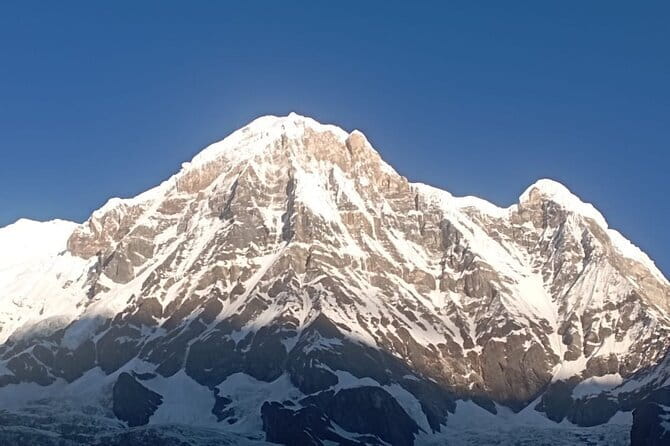
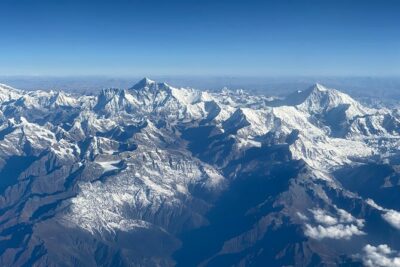
The Annapurna Base Camp trek is famous for a reason: the scenery feels close enough to touch, yet it’s still a serious trekking journey. This 7-day version keeps the core idea—terraces and villages up through forest and ridge country to the base camp zone—without turning it into a two-week endurance test.
I like the structure because it makes sense for real schedules. You start with warm-up walking through places like Ghandruk and Chhomrong, then spend the next days moving toward the Annapurna South and Hiunchuli area. By the time you reach base camp, you’ve earned it with steady climbing, not one huge shock of altitude right away.
And yes, the best part is the feeling when you arrive: you’re surrounded by towering peaks and glacier views, and sunrise makes the moment feel even bigger. If you’re the type who gets emotional at the top of a climb, this one will do that job.
You can also read our reviews of more hiking tours in Kathmandu
Early Starts, Pickup, and the “Already Taken Care Of” Feeling
This experience lists a start time of 4:45 am, and pickup is offered. That matters because early mornings aren’t just about being punctual—they help you make light and weather windows in the mountains.
Good news: the package includes the heavy logistics. You get ground transport connected to the trek route (Pokhara to Syauli Bazar and from Samrung Khola back to Pokhara), plus 7 nights accommodation on the trek. That means you’re not spending half your energy negotiating rides, swapping tickets, or hunting down the right entry point.
There’s also clear document handling. You’ll travel with the Annapurna permit (ACAP) and the TIMS card included. For many independent trekkers, that’s where planning can get stressful fast. Here, it’s handled before you’re on the trail.
One small consideration: the schedule assumes you can handle long days. Even when walking times vary, you’re moving in a system that’s designed to keep the trek progressing smoothly.
Trail Day by Day: From Nayapul to Ghandruk
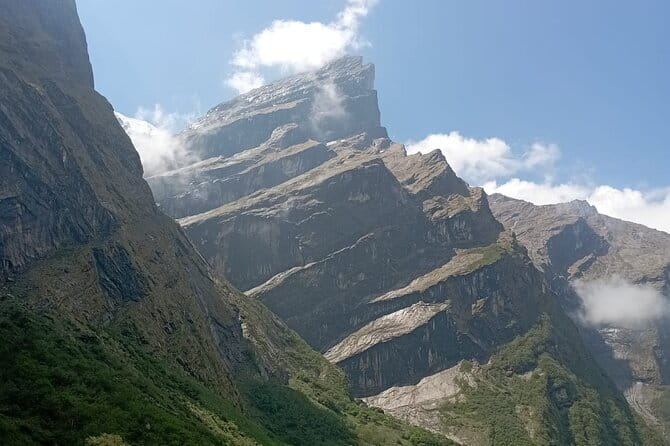
You begin near Nayapul and head toward Ghandruk, which is where the trek starts to feel real. The first walking day follows terraced fields and rhododendron forest, with Gurung villages along the way. These early sections are important. They let your body start working before you hit steeper ridges, and they help you learn the rhythm of the area: uphill effort, forest shade, then a village break.
Day 1 includes an overnight in Pokhara first, with views of the Annapurna Himalaya range and Machhapuchare (Fish Tail). Then you drive beyond Pokhara to start walking. That combination is smart. Pokhara gives you an easier first night before the trek, and it also sets expectations: you’re seeing the mountains before you start climbing toward them.
A practical tip from how groups have described their guides: ask your guide early how the day progression will work—where pace slows, where you’ll likely stop for breaks, and how meal timing fits into the walk. Guides like Suraj and Laku have been praised for planning meals and keeping the hike organized, which can make those early days feel smoother.
Ghandruk to Chhomrong: Ridgelines, Forest Switchbacks, and Breaks
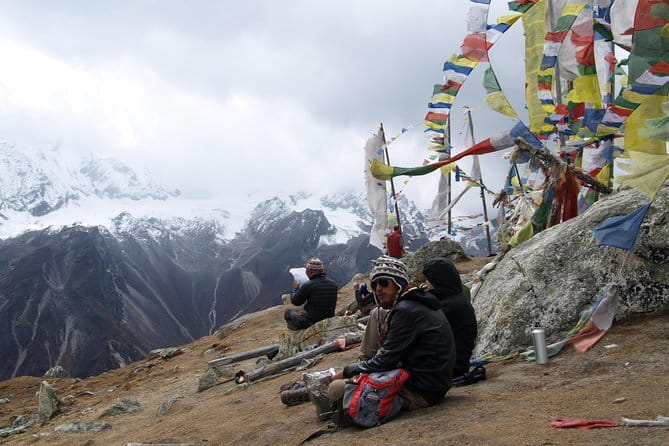
Day 2 focuses on the move from Ghandruk toward Chhomrong, passing through spots like Kimrong Danda (ridge) and then descending toward the Kimrong River and farm village areas. This is classic Annapurna rhythm: walk some, climb some, then catch your breath with a downhill segment and cooler forest trails.
Day 3 is another long day on foot, with routes described through forested areas and ridges, eventually reaching a place called bamboo along the Modi River gorge area. That specific “bamboo” stop matters because it signals you’re getting higher into a greener, more sheltered zone.
What I like about this section is how it blends effort with scenery variety. It’s not only views; you also get a sense of community life—farm villages, trails that follow water and ridge lines, and forests that feel cooler when the sun is up.
One caution: the days include both ups and downs. If you tend to overdo it early, you’ll feel it later. Keep your pace steady, and don’t treat every ridge as a sprint point.
Toward Annapurna South and Huin-Chuli: The Forest-to-High Transition

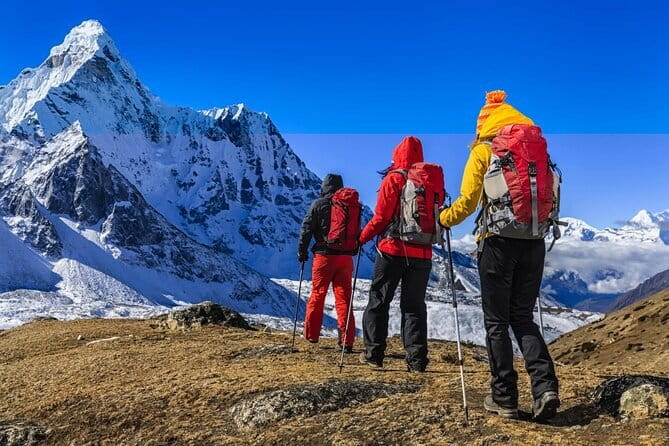
By Day 4, you’re walking toward the highlight country near the Annapurna South and Huin-Chuli peaks, including the area past Himalaya Hotel and close to a large Hinko cave. Then you continue with a route that brings you downhill in parts before moving toward the next stop area.
Day 4 is often the turning point psychologically. Earlier days make you think you’re trekking through villages and forests. This day starts reminding you that you’re approaching alpine terrain where the air can feel different and the weather matters more.
The good part: your body is already warmed up from earlier climbs, and the guide’s job is to pace you so you don’t run out of energy before base camp. In multiple accounts, guides such as Anos and Suraj were described as attentive to needs and thoughtful about planning accommodation and meals. When that’s done well, it shows up on your energy levels later.
Day 5 is where you reach the base camp zone. The schedule notes about six hours of walking for the base camp time, then a long downhill return with short ups to reach bamboo again and back into tall tree lines and lush vegetation. That “go up, see the goal, then come back down” shape is what makes this trek feel complete without turning into an exhausting back-and-forth climb.
Base Camp Day: Why the Sunrise Moment Feels Worth It
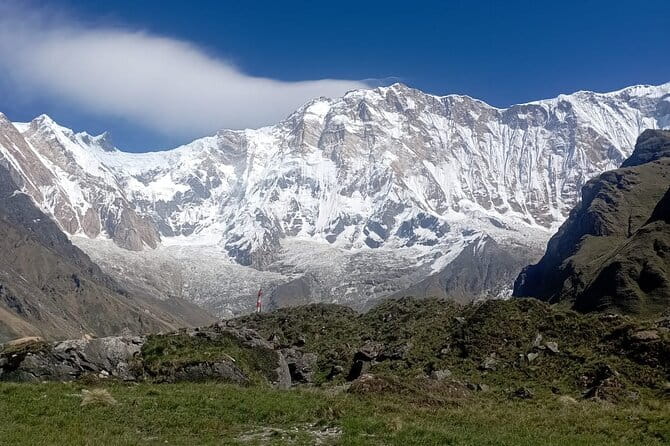
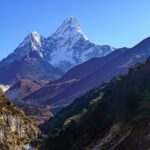
The base camp day is built around the core emotional payoff: being surrounded by towering peaks and glacier views, then enjoying the sunrise views from base camp. Sunrise is one of those things you either care about or you don’t—but it’s hard to ignore when you’re standing at the right place at the right time.
Here’s why it’s worth planning for: sunrise makes the mountains look sharper and your surroundings feel more dramatic, even if you’ve already seen plenty of views earlier. It’s also when the trek’s work fades and the achievement part takes over.
Practical reality check: getting up early for sunrise means you’ll want sleep the best you can the night before. If you’re the type who wakes easily, pack something simple like an eye mask (not listed, but it helps). Also, ask your guide what time breakfast is likely served so you’re not rushing.
Jhinu Danda Hot Spring and the Calm Return to Pokhara
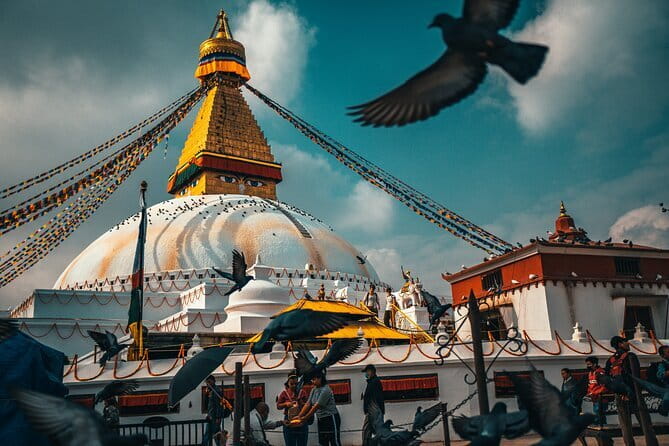
After base camp, you’re not finished—you’re just on the home stretch. Day 6 returns toward Chhomrong with ups and downhill trail, then diverts to a fresh trail toward Jhinu. The route ends in the hill village area at Jhinu Danda, with grand scenery noted in the route description.
Then Day 7 adds the reward you didn’t realize you needed until your legs ache: Jhinu hot spring. The trip also includes a final walk of about 4 hours to Siwai, then a drive back to Pokhara. The listing also mentions a stop with a Pokhara Museum in the final day segment.
That finish matters because it prevents the trek from ending with a travel headache. Instead, you get a decompression day where the walking feels lighter and the ride back to Pokhara gives you time to eat well and reset.
Price and Value: What $699.67 Includes (and What You Must Pay For)
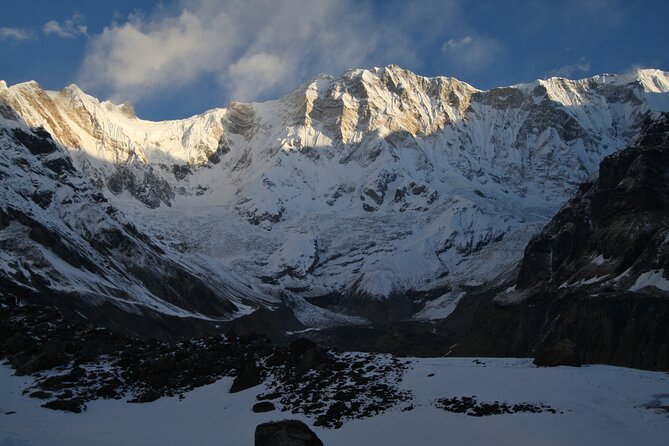
At $699.67 per person, this isn’t the cheapest way to do Annapurna Base Camp. But it also isn’t a bare-bones trek where you later pay for every little service.
What you do get:
- 7 nights accommodation on the trek
- Three meals a day during trekking (breakfast, lunch, dinner)
- Seasonal fruits during the trek
- A government license holder mountain guide
- Annapurna permit (ACAP) and TIMS card
- Ground transportation tied to the trek route
- Pickup offered
That’s the value. Permits, a licensed guide, and transport add up fast if you’re piecing things together yourself. Plus, the meal setup removes one of the biggest “hidden labor” tasks of trekking: deciding where to eat and what timing will work.
What you should expect to pay extra for:
- Travel and rescue insurance
- Phone calls, laundry, battery recharge
- Bottled water, hot water, and showers
- Tips for the guide
- Bar bills
So if you like predictable costs and a service that handles the practical side, the price starts to feel fair. If you plan to spend heavily on upgrades like showers and hot water, budget for that too.
Guides, Porters, and How to Get the Best Team for Your Trip
One of the strongest signals here is guide quality. Past groups singled out guides by name—Suraj, Anos, and Laku—and described them as friendly, attentive, and professional. They also credited guides with keeping planning smooth, including meals and accommodation choices.
For example:
- Suraj was praised for tending to the group’s best interest, especially planning around food and where you stay.
- Anos was described as considerate and dedicated.
- Laku came up with praise for being friendly, helpful, and supported by porters.
Porters were also named in the feedback: Sonam and Necha were specifically mentioned for taking care of people well. That’s not just nice. It can change your trek experience. When your team is organized, you waste less time and worry less about basics.
Also pay attention to communication. Anjan was mentioned as easy to reach before the trip, with email moving to WhatsApp for convenience. If you like fast answers and clear planning, that style matters.
My advice: when booking, ask in advance if you can request your preferred guide and porter. The feedback suggests that doing so during hiking season can be worth your effort.
Pace, Fitness, and What “Moderate” Means in Practice
The trek is described as a moderate trekking region and best suited if you have a moderate physical fitness level. “Moderate” doesn’t mean easy. It usually means steady effort over multiple days, with uphill and downhill walking and enough time between stops to recover.
A good way to think about it:
- You’ll walk most days.
- You’ll deal with both climbs and descents.
- Your biggest win will be consistency: short breaks, steady pace, and not burning matches too early.
If you’re worried about energy, you’ll want to follow your guide’s cues. The best groups aren’t the ones that move the fastest. They’re the ones that move well—enough to arrive and still enjoy sunrise and base camp.
Should You Book This Annapurna Base Camp Trek?
Book it if you want the classic Annapurna Base Camp experience with organized logistics and a licensed mountain guide, and you don’t want the stress of permits and daily planning. The combination of included meals, accommodation, transport, and the base camp sunrise goal makes this a strong value for many budgets.
Skip it or choose a different setup if:
- You dislike early starts (the 4:45 am start is real).
- You expect lots of included comforts like hot showers (not included).
- You’re not comfortable with moderate multi-day walking.
If you’re ready for a rewarding 7 days—villages, forest trails, ridge views, base camp sunrise, and Jhinu hot springs—you’ll likely feel like this trek was worth every step.
FAQ
What is the trek duration?
The Annapurna Base Camp trek is listed as 7 days (approximately).
Where does the trek start?
The trek starts from Nayapul.
What time does the experience start?
The start time is listed as 4:45 am.
Are meals included?
Yes. Meals are included during the trek (breakfast, lunch, and dinner are covered). Seasonal fruits are also included.
Are permits included?
Yes. The Annapurna permit (ACAP) and the TIMS card are included.
Do I need to arrange a guide?
No. A government license holder mountain guide is included.
Is pickup available?
Yes, pickup is offered.
What is not included in the price?
Travel and rescue insurance, tips for the guide, bar bills, phone call costs, laundry, battery recharge, bottled water, and hot water/shower costs are not included.