REVIEW · GUIDED
Explore Kathmandu with Local Guide
Book on Viator →Operated by Sabbatical Explore Nepal (Social Tourism Nepal) · Bookable on Viator
One guided walk, and Kathmandu makes sense faster. This private route nudges you past the usual big-name sights and into quieter details inside the UNESCO area—so you’re not just taking photos, you’re also picking up context. I like the stop-by-stop pacing (from a full hour at Swaymbhunath to short culture hits), and I especially like how the guide keeps things comfortable and flexible, including breaks when you need them. One thing to consider: it’s still a walking-style tour, so come ready for some steps and uneven surfaces, especially around temple areas.
You’ll cover key stops like Swaymbhunath (Monkey Temple) with admission included, then move through Kathmandu Durbar Square, Kumari Chowk, and Hanuman Dhoka (also with admission included). Price is $75 for a private group, and you get pickup, a mobile ticket, and a bottle of mineral water per person. The experience runs best with good weather since that can affect plans.
In This Review
- Key Highlights You’ll Feel Immediately
- Why This Kathmandu Walk Feels More Personal Than Usual
- The 3 to 4 Hour Structure: Just Enough Time, Not Too Much
- Swaymbhunath: Monkey Temple With Time to Look Around
- Kathmandu Durbar Square in 15 Minutes: The Quick Royal-Era Orientation
- Kumari Chowk: The Living Goddess Concept, Free and Fast
- Hanuman Dhoka: A Historical Museum Stop You Can Feel
- Local Market and Farmer’s Market Time: Real Kathmandu Rhythm
- Price and What $75 Really Buys
- Practical Notes to Make the Walk Easier
- Should You Book This Kathmandu With a Local Guide?
- FAQ
- How long is the Kathmandu local guide experience?
- Is this tour private or shared?
- Is pickup included?
- Are admission tickets included?
- What’s included in the tour price besides the guide?
- Is lunch included?
- What happens if the weather is bad?
Key Highlights You’ll Feel Immediately
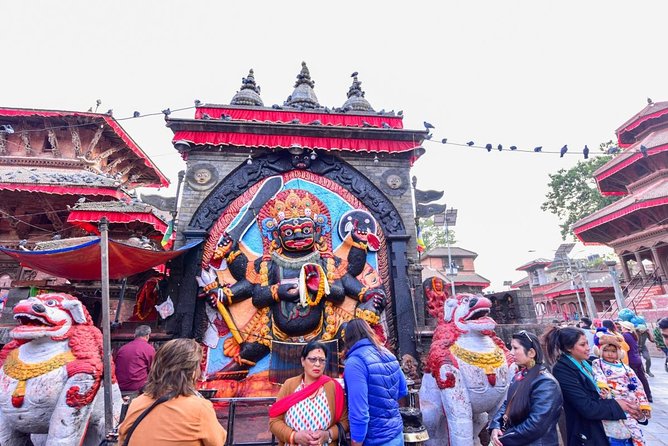
- A smart UNESCO-area route that focuses on the smaller, easy-to-miss spots inside the heritage zone
- Swaymbhunath plus Hanuman Dhoka both include admission, so you’re not constantly chasing tickets
- Short, high-impact stops at Kathmandu Durbar Square and Kumari Chowk fit well into a half-day
- Kumari Chowk is free and fast, which is great if you want the meaning without extra waiting
- Market time is included, including a farmer’s market feel for real local rhythm
- Shiva’s guidance style is flexible and kind, letting you rest without feeling rushed
Why This Kathmandu Walk Feels More Personal Than Usual
Kathmandu can overwhelm you fast: lanes twist, signs blend together, and every square seems to have a story. What makes this experience work is that it’s guided in a way that helps you see rather than just visit. You get a clear sequence, with enough time at the major religious sites, then quick cultural checkpoints that add meaning without dragging on.
This is also a private tour, so you’re not squeezed into a rigid group shuffle. If you want a slower moment, or you’d like to sit briefly and reset your legs, that’s built into the way the guide works. It’s the sort of tour that’s useful on day one, because it gives you a mental map of where you are and why places matter.
And yes, the basics are handled: pickup is offered, you get a mobile ticket, and there’s a water bottle per person. Those small comforts matter in Kathmandu, where heat, stairs, and crowds can stack up.
You can also read our reviews of more guided tours in Kathmandu
The 3 to 4 Hour Structure: Just Enough Time, Not Too Much
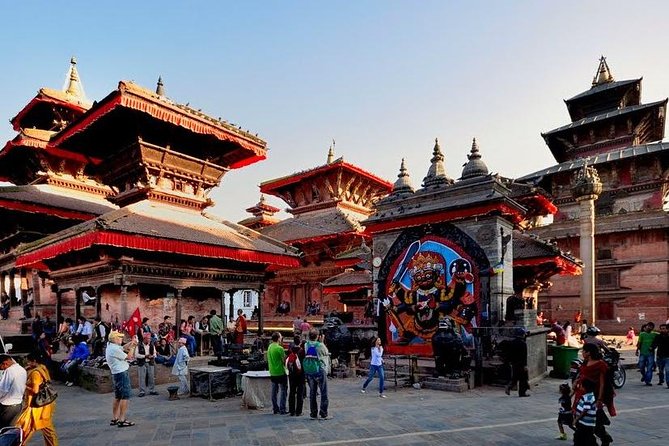
The total time is about 3 to 4 hours, which is a sweet spot for a heritage day. You can do a lot in half a day, but you’re not committing your entire morning or afternoon to one dense circuit.
Here’s how the timing works out in a practical way:
- Swaymbhunath (about 1 hour) gives you time to get oriented and see what you came for.
- Kathmandu Durbar Square (about 15 minutes) is a quick pass that still helps you understand the layout and the royal-era vibe.
- Kumari Chowk (about 15 minutes) is short by design, so you get the idea without turning it into a long sit.
- Hanuman Dhoka (about 1 hour) is the deeper historical stop, with admission included so you can see what’s inside.
That pacing means you won’t feel like you spent the whole time walking between gates and entry points. You’ll spend most of your energy actually looking.
Swaymbhunath: Monkey Temple With Time to Look Around
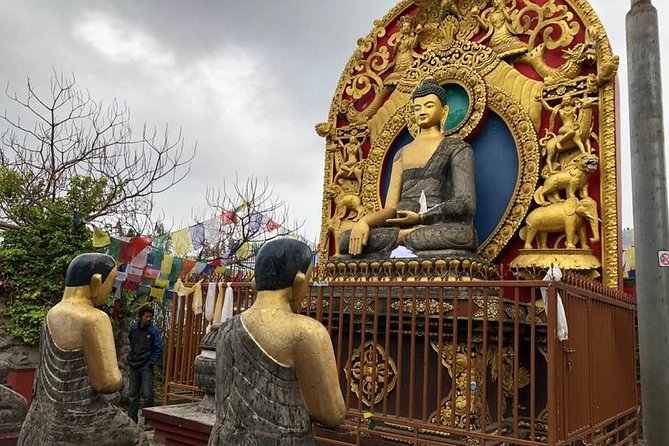
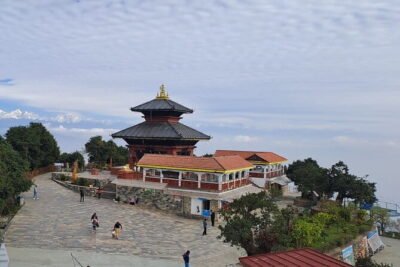
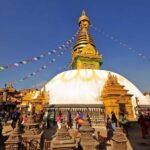
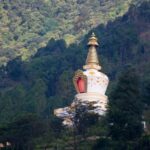
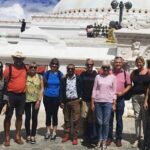
Swaymbhunath is the Kathmandu stop most people recognize—often called the Monkey Temple—and with good reason. The site has a mix of atmosphere and symbolism that makes it easy to understand why it’s famous, even before your guide explains the layers.
On this experience, you’ll spend about an hour here, and admission is included. That matters because it keeps the visit fluid. You can focus on the views, the temple zones, and the flow of visitors instead of losing time to ticket logistics.
What to expect:
- A religious site where temple structures and viewpoints pull your attention upward and outward.
- Lots of movement around entrances and viewpoints, so good shoes help.
- A lively presence of monkeys is part of the reputation, so keep aware of your surroundings and belongings.
A nice feature of doing Swaymbhunath as the first stop is that it sets your bearings. Once you’ve seen this area and understood how the site sits within the city’s larger heritage zone, the later stops feel less random.
Kathmandu Durbar Square in 15 Minutes: The Quick Royal-Era Orientation
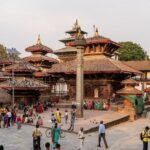
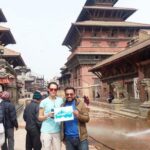
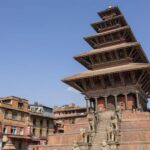
Next comes Kathmandu Durbar Square, also known as Bhadarkhal and Hanuman Dhoka Durbar. You’ll have only about 15 minutes, and there’s no admission ticket included for this specific portion.
So what’s the point of a short stop? It’s an orientation move. Durbar Squares are about royal power expressed through architecture, and even a quick walk with the right context can help you recognize what you’re looking at later—especially when you reach the Hanuman Dhoka area, which connects to the Malla kings and also the Shah dynasty era.
Practical expectations:
- You’ll see major palace-complex vibes and historical layout cues.
- Since time is tight, focus on the structures and the overall feel rather than trying to read every detail.
- It’s a good moment to ask your guide what connects this square to the next stop.
If you’re hoping for a long, slow museum-style tour at Durbar Square, this time window might feel brief. But if you want the backbone of the heritage story without eating your whole afternoon, it’s a smart trade.
Kumari Chowk: The Living Goddess Concept, Free and Fast
Then you’ll head to Kumari Chowk, with Kumari described as the living goddess in Kathmandu. The stop is about 15 minutes, and it’s free.
This kind of short, free stop is great when you’re curious but don’t want to overload your schedule. You get the cultural meaning and the key point of the tradition without spending a lot of time waiting or drifting.
What you’ll get out of it:
- A cultural checkpoint that adds a living-religion dimension to the more monumental temple stops.
- A chance to understand why Kathmandu’s sacred spaces aren’t only about the past.
Because the tour stays focused, you won’t feel trapped in the “stand and stare” mode. It’s meant to be informative and light on time pressure.
Hanuman Dhoka: A Historical Museum Stop You Can Feel
The final major heritage stop is Hanuman Dhoka, described as a historical museum connected to the royal palace complex of the Malla kings and the Shah dynasty, located in Kathmandu Durbar Square.
You’ll spend about an hour, and admission is included. This is the part of the tour where you slow down more, because the site has layered history and architectural presence.
Why it works as a finale:
- You’ve already seen Swaymbhunath and got a sense of sacred place in Kathmandu.
- You’ve also covered the square’s royal context.
- Now you can connect the meaning to the actual palace complex structures.
Expect:
- More time inside or at least in zones where historical interpretation matters.
- A higher chance to notice details like gate structures, palace layout, and museum-style explanations.
If you like history but don’t want a lecture that runs long, this is a strong balance. One hour is long enough to feel satisfied, short enough to keep the tour energetic.
Local Market and Farmer’s Market Time: Real Kathmandu Rhythm
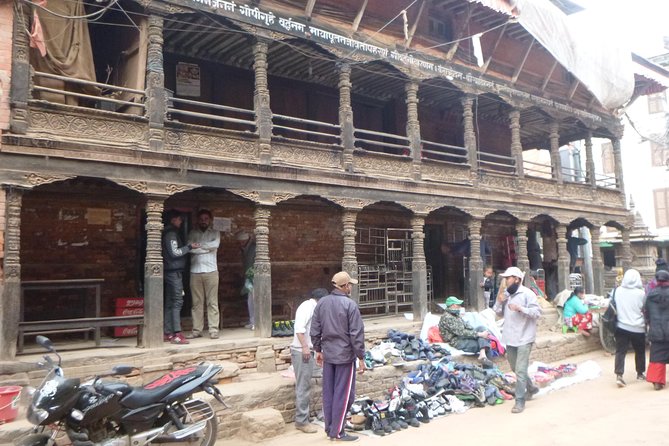
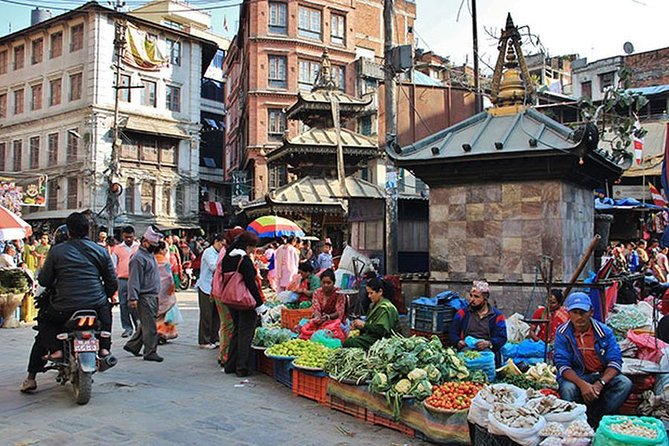
After the heritage core, you get local market and farmer’s market time, included in the experience. This is one of those add-ons that makes a tour feel less like a checklist.
Market time gives you something temples alone can’t: daily life. You’ll see how people move, what everyday commerce looks like, and how food culture and routine shape the city.
Even if you don’t buy much, it’s valuable because it changes your perspective. Temples show belief and history; markets show how people live right now.
Price and What $75 Really Buys
At $75 for a private tour, the value comes from two things: admission coverage and guided pacing. Swaymbhunath and Hanuman Dhoka both include admission tickets, which helps protect your budget and keeps the tour from turning into a patchwork of paid entry points.
Add to that:
- Pickup offered
- Mobile ticket
- Bottle of mineral water per person
- A guide who can adjust pacing so you don’t feel rushed
What’s not included is also worth knowing: accident insurance for sudden accidents, lunch, personal expenses, and tips to the driver and guide. The tour price covers the core guided route and included items, but you’ll still need to plan meals and bring a little extra for anything you want to buy.
If you’re comparing alternatives, this is often a better deal than doing multiple stops on your own with unpredictable entry fees. It’s also a good choice if you want context fast, without spending all day on logistics.
Practical Notes to Make the Walk Easier
This experience has a few practical advantages:
- Near public transportation, which is helpful if you’re arriving from elsewhere.
- Most travelers can participate, making it a friendly option for many visitors.
- It requires good weather, so if skies are poor, you might be offered a different date or a full refund.
Bring basics that keep the tour pleasant:
- Comfortable walking shoes.
- Sun protection (Kathmandu sun can be intense).
- A light layer, since temple areas can feel cooler or windy.
And don’t underestimate how much easier the day feels when you have water on hand. That bottle is included for you, which takes one worry off your list.
Should You Book This Kathmandu With a Local Guide?
Book it if:
- You want a first-impression Kathmandu route that still has meaning, not just photo stops.
- You like the idea of a private, flexible guide who can slow down when you need a break.
- You want key heritage highlights—Swaymbhunath and Hanuman Dhoka—with admission handled.
Skip it (or consider a longer option) if:
- You want a deep, spend-all-day museum-style exploration of Durbar Square and palace interiors.
- You don’t like walking at all, since the format includes temple walking and moving between zones.
If your goal is to get your bearings quickly and understand why Kathmandu’s sacred places fit together, this is a strong pick—and the 4.9 overall rating with a high recommendation rate matches what the tour is designed to do: get you oriented, informed, and comfortable in just a few hours.
FAQ
How long is the Kathmandu local guide experience?
It runs about 3 to 4 hours.
Is this tour private or shared?
It’s private, meaning only your group participates.
Is pickup included?
Pickup is offered, and you’ll also use a mobile ticket.
Are admission tickets included?
Yes for Swaymbhunath and Hanuman Dhoka, while Kathmandu Durbar Square is listed as admission not included. Kumari Chowk is free.
What’s included in the tour price besides the guide?
You get a bottle of mineral water per person.
Is lunch included?
No, lunch is not included.
What happens if the weather is bad?
The experience requires good weather. If it’s canceled due to poor weather, you’ll be offered a different date or a full refund.