REVIEW · EVEREST BASE CAMP TREKS
Kathmandu: 15-Day Everest Base Camp Trek with Guide
Book on GetYourGuide →Operated by Outshine Adventure Pvt Ltd · Bookable on GetYourGuide
Everest Base Camp starts with a short hop and turns into a long, rewarding walk. I like the small-group, tailored feel and the licensed English-speaking Sherpa guide who can explain what you’re seeing, not just point at it. The possible drawback: Lukla flights are weather-dependent, so cloud or delays can change plans near the start or end.
You also get a smart rhythm for high-altitude trekking: easier days to settle in, then gradual climbs, rest breaks, and a clear push toward the Everest area. If you want adventure plus real Sherpa culture stops along the way, this is built for you—just go in expecting thin air to be the main character.
In This Review
- Key Things I’d Focus On
- From Kathmandu Arrival to Trek-Ready: Day One and Two
- The Lukla Flight: The Start Gate to Sagarmatha National Park
- Namche Bazar: Where Acclimatization Turns the Trek from Hard to Smart
- Tengboche and Thyangboche Monastery: Big Views with Real Culture
- Dingboche and the Khumbu Rhythm: Villages, Glaciers, and Glacier-Edge Views
- Lobuche, Gorakshep, and the Frozen-Lake Start to Everest Base Camp Country
- Kalapathar: The Sunrise-View Payoff Day
- Returning Down: Namche, Lukla, and the Long Walk Home
- Price and Logistics: Does $675 Feel Like Value?
- Your Guide Makes the Trek: The Sherpa Difference You Can Feel
- Weather, Flights, and Backup Plans Near Lukla
- What to Pack (Based on the Essentials Included)
- Who This Everest Base Camp Trek Is Best For
- Should You Book This Everest Base Camp Trek?
- FAQ
- How long is the Everest Base Camp trek?
- What’s included for Kathmandu before the trek?
- Is there a guide during the trek?
- Are the park and trekking permits included?
- Are flights from Kathmandu (Ramechhap) to Lukla included?
- Are meals during the trek included?
- Is porter service included for luggage?
- Is trekking gear provided?
- What do I need to bring?
- Is the trek wheelchair accessible?
Key Things I’d Focus On
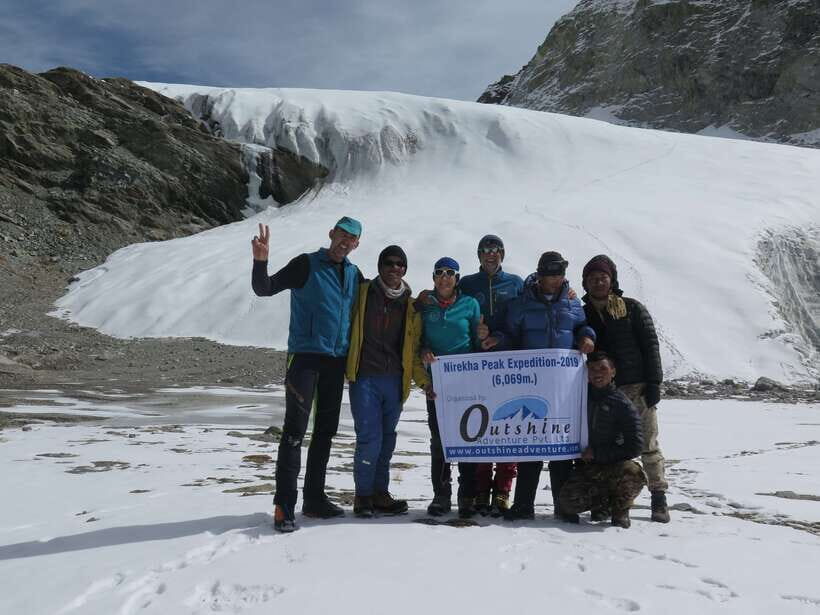
- Licensed English-speaking Sherpa guide: practical mountain know-how and on-the-ground cultural context
- Small-group pacing: easier to ask questions and keep the group moving steadily
- Acclimatization stops in places like Namche and during the Dingboche stage
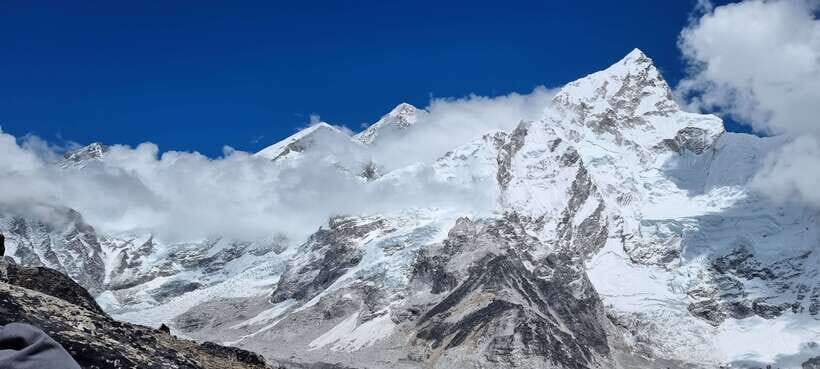
- Iconic viewpoint days like Everest View Hotel and Kalapathar for big-altitude payoff
- Guesthouse trekking comfort with standard accommodations during the route
- Permits included (TIMS and Everest National Park), so you’re not chasing paperwork mid-trip
From Kathmandu Arrival to Trek-Ready: Day One and Two
Your trip begins the way most good trekking trips should: not with stress, with logistics. On arrival at Kathmandu airport, you get a private transfer to a hotel, then your guide gives you the trek basics—what to expect, how the days will feel, and what matters most once altitude starts creeping up.
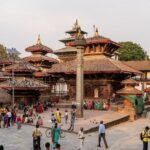
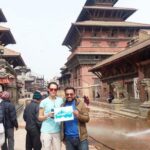
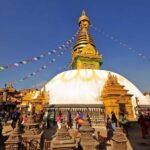
Then you get a private Kathmandu day tour by car. The classic stops here aren’t just sightseeing boxes. Kathmandu Durbar Square gives you the sense of older royal-city Nepal. Swayambhunath adds that hilltop view-and-vibe effect (and the feeling that this city has been watching pilgrims for centuries). Boudhanath is all about Tibetan Buddhist atmosphere, and Pashupatinath—the cremation temple—shows a side of Nepal that’s spiritually honest and culturally central. Even if you’re not a temple person, these stops help you understand the beliefs behind so many faces you’ll see later on the trekking route.
Practical tip: Kathmandu sits at a lower altitude than the Himalaya. That first day is your time to hydrate, sleep, and sort your gear. Don’t try to “prove fitness” by doing extra walking the day you land.
You can also read our reviews of more guided tours in Kathmandu
The Lukla Flight: The Start Gate to Sagarmatha National Park
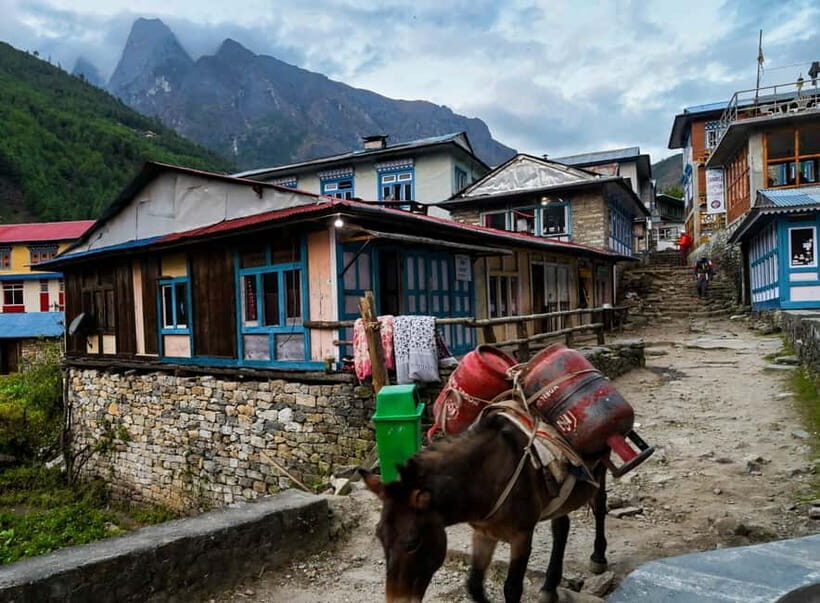
After Kathmandu, the big hinge moment is the flight to Lukla. That jump puts you straight into the Khumbu trekking world. From Lukla you begin with an easier trek into the Phakding area. Think “get your boots broken in” rather than “climb a mountain.” This part matters because you’ll learn quickly how your body reacts when the schedule changes from flat life to trekking life.
From here, the trek threads through Sagarmatha National Park, a UNESCO World Heritage Site. You’re not just hiking scenery. You’re moving through a protected landscape with monasteries and Sherpa villages that make the altitude feel human-sized. You’ll also see how Buddhist monasteries and prayer flags show up as constant wayfinding, like the trail has a soundtrack.
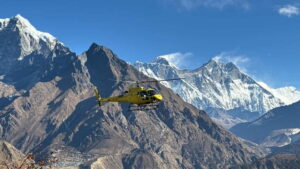
One consideration: the Lukla flight is a weather gamble. Clear days make everything smoother; cloudy days can slow things down. It’s not a reason to avoid the trek. It’s a reason to be mentally flexible about how the first and last travel days play out.
Namche Bazar: Where Acclimatization Turns the Trek from Hard to Smart
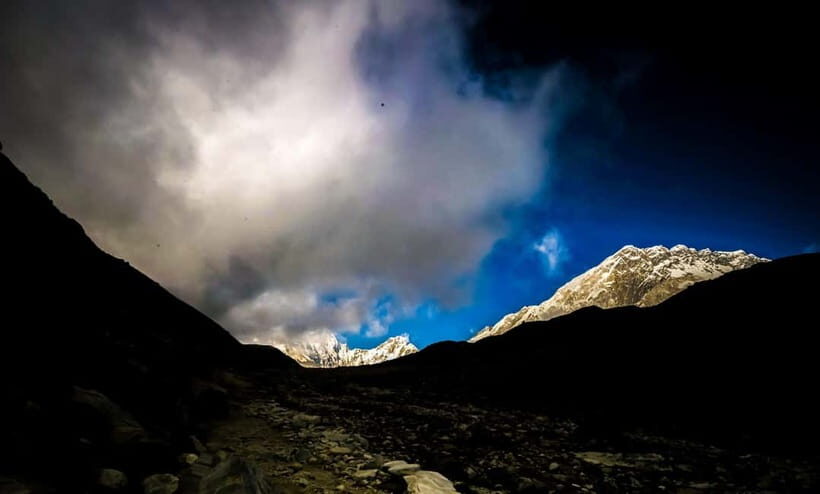
Namche Bazar is the altitude crossroads for Everest treks. You head there by following the Dudh Koshi valley, then climbing up into the Namche bowl. Along the way you get a mix of rhododendron forests and mountain views that feel like they keep widening as you climb.
Namche is also the best place to “learn your altitude” without overreaching. On the dedicated rest day, you hike up to Everest View Hotel at about 3850 meters. This is exactly what you want from an acclimatization day: climb to stimulate adaptation, then return down to sleep. It’s the classic strategy—go up, come down, repeat what your body can handle.
Why this stop is valuable: many first-time Everest-area trekkers make one mistake—trying to power through altitude too fast. Here, the plan builds in breathing time. That doesn’t make altitude easy, but it makes it survivable.
Small humor note: Namche can feel like a town with a mountain problem. You’ll see fellow trekkers comparing headaches and water strategies. Use that energy to help you stay consistent, not to panic.
Tengboche and Thyangboche Monastery: Big Views with Real Culture
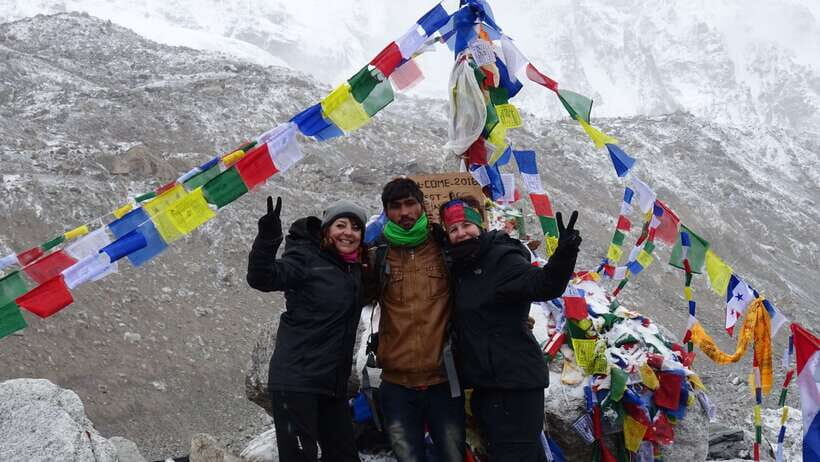
From Namche, the route climbs toward Tengboche (with the Thyangboche Monastery stop described around 3867 meters). This is one of the days where the itinerary turns from “trail effort” into “trail payoff.” You pass through high, chilly air and then reach the monastery on a ridge.
The monastery isn’t only a photo stop. It’s a spiritual anchor in the Khumbu region, and it gives you a clearer sense of how Sherpa communities live around the mountains rather than in spite of them. If you pay attention, you’ll see prayer wheels, religious practices, and the way locals guide visitors through respect and routine.
Drawback to know: at monastery altitude, weather can shift fast. Even when the route seems short on paper, your body is working harder than you think. Bring layers you can zip and unzip without turning into a human knot.
Dingboche and the Khumbu Rhythm: Villages, Glaciers, and Glacier-Edge Views
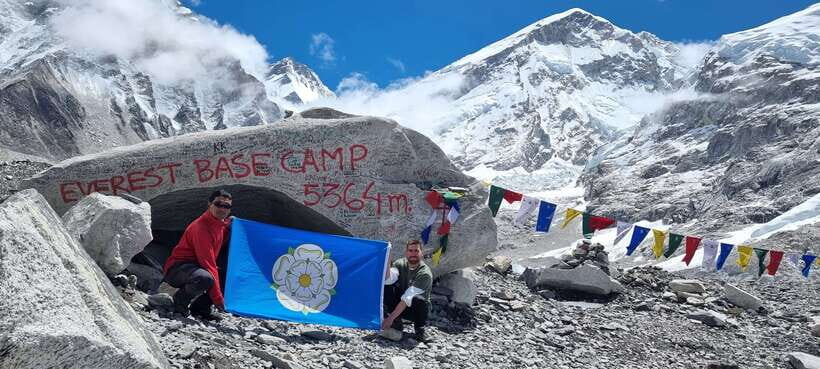
The trek from Tengboche to Dingboche is a longer “settle into the higher world” day. You continue through villages such as Imja Khola, Pangboche, and Pheriche. This is where Sherpa culture becomes more than a word on a brochure. You see daily life, local buildings, and how villages sit along the trail like stepping stones between altitude changes.
A notable feature of this itinerary is the mention of reaching the Khumbu glacier area during the day. When you arrive near glacier territory, the mountains start to feel less like distant peaks and more like a physical system—ice, rock, wind, and weather all shaping the trek.
Then come the Chhukung Valley day trip and return to Dingboche. Chhukung is described as one of the world’s best hikes, and the reason that kind of reputation matters is simple: you get views and variety without the full cost of another high-altitude relocation. It’s an “experience expansion” day, not a checkbox day.
Who this works for: if you want the Everest story but also want days that feel like you’re exploring—not just moving—you’ll appreciate the Chhukung detour.
You can also read our reviews of more hiking tours in Kathmandu
Lobuche, Gorakshep, and the Frozen-Lake Start to Everest Base Camp Country
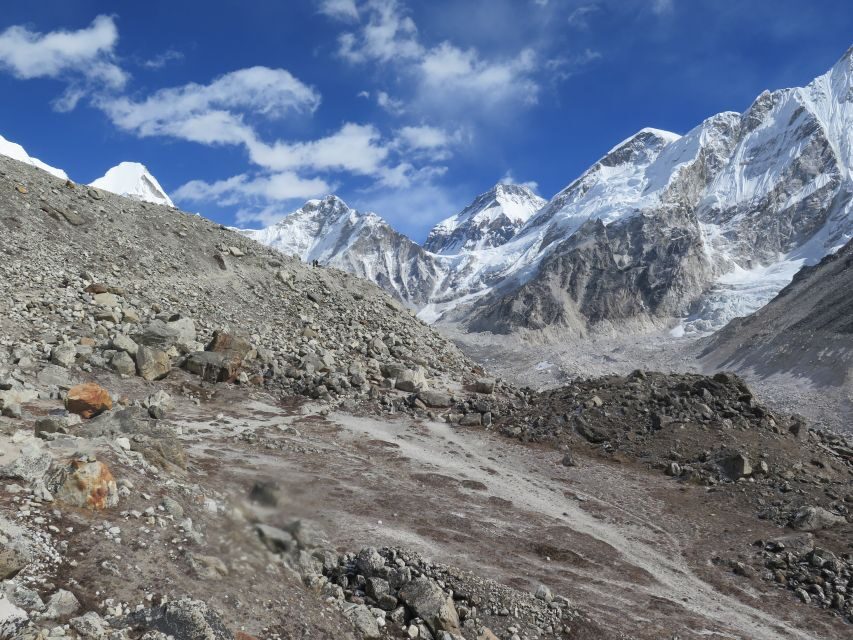
As you move toward Lobuche, the trek becomes more serious. Lobuche is a place where you can rest, catch your breath, and admire the sharp design of nature. This is also where trekking feels more exposed. Trees vanish. The air gets thinner. Your mind shifts from “Will I make it?” to “How do I manage effort?”
Day 10 takes you from Lobuche to Gorakshep, described as a small settlement on the shores of a frozen lake. This is the launchpad toward Everest Base Camp area, with an overnight before the classic push. Think of Gorakshep as the staging area where your body finally understands you’re in the high zone for real.
Practical reality: Gorakshep altitude can feel draining even when the distance doesn’t look huge. Keep your pace steady, drink water in small amounts, and avoid “hero walks” that spike your breath.
Kalapathar: The Sunrise-View Payoff Day
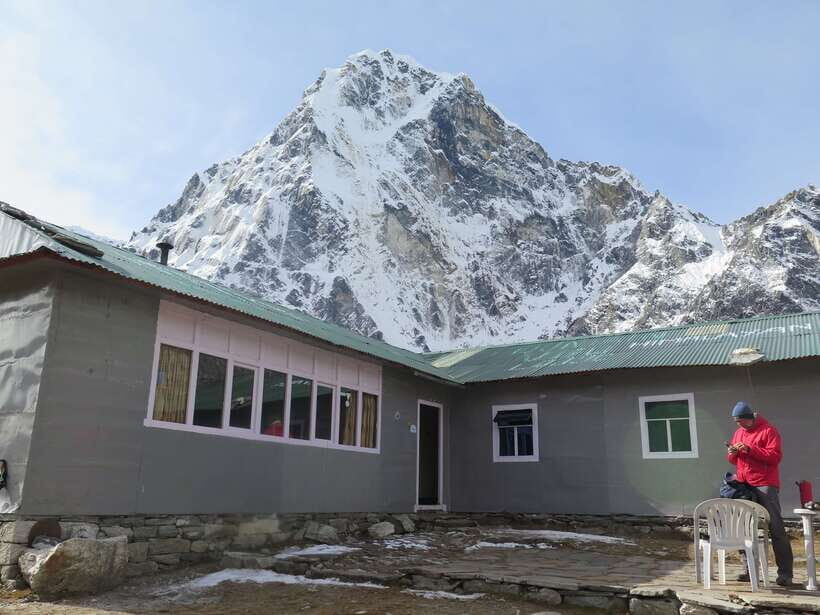
The big early morning plan is Kalapathar and Pheriche. Sunrise timing matters here because the Himalaya can turn theatrical when light hits the peaks. Kalapathar is the kind of viewpoint where you may not care about your phone camera anymore—you care about the sky clearing.
Then you head back toward Pheriche. This structure—early rise, viewpoint focus, then movement toward a place where you can settle—is exactly how to make a demanding altitude day feel more manageable.
One weather note to respect: cloud can hide the very views you planned for. That happened for at least one trek plan associated with Lukla scheduling. If your priority is maximum visibility, you’re still going to love the trek—but don’t assume every mountain moment will be perfectly clear.
Returning Down: Namche, Lukla, and the Long Walk Home
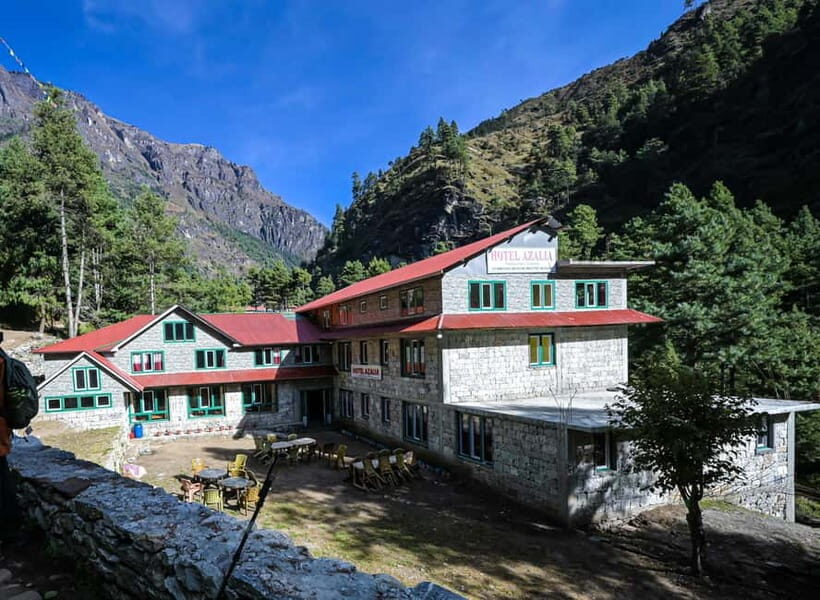
After the Everest-area stage, the descent begins with a trek back to Namche Bazaar. The plan includes another acclimatization stop in Namche. That matters, because descending too quickly can still leave you tired. It’s not only altitude going up—it’s fatigue coming down.
Next you trek back to Lukla for the flight. This is described as a long walk with the pleasure of completion. That phrasing is honest. You’ve done hard days. Now your legs do the final work and your mind catches up.
Finally you fly back to Kathmandu and spend an extra night in a Kathmandu hotel to recover. That’s a big value point. You don’t want to turn the flight straight into a travel-day marathon. Here, you get one recovery day before heading home.
Price and Logistics: Does $675 Feel Like Value?
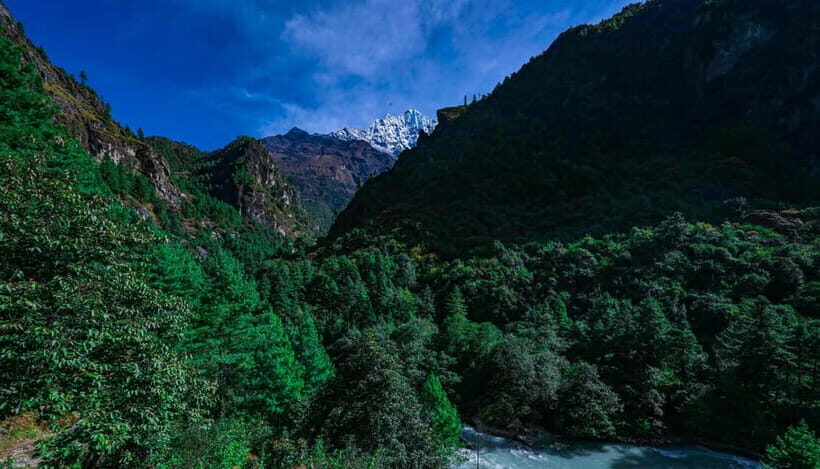
At $675 per person for 15 days, the headline price is fairly reasonable for an Everest-area package—especially because it includes permits, your licensed English-speaking Sherpa guide, and a Kathmandu hotel base (3 nights standard accommodation). It also covers many of the operational costs for staff and includes the basics of gear support like a down-filled jacket and sleeping bag if you need it.
But here’s the part you should read carefully before you decide: meals during the trek are not included (breakfast, lunch, dinner). That means your real cost depends on how you budget day-to-day. Also, airfare isn’t included for the Kathmandu (via Ramechhap)–Lukla–Kathmandu routing. Flights are often the most changeable expense in this region, since weather can affect timing.
So where is the value? It’s in the structure:
- You’re paying for the guide and permits (the stuff you can’t easily wing).
- You’re paying for accommodations along the trek.
- You’re not paying for porters by default (so you can choose how hands-on you want that support to be).
My honest take: if you handle meals and flight planning cleanly, the base price feels like a solid deal for a well-run trek. If you’re hoping meals are included, you’ll want to adjust expectations or plan a meal budget fast.
Your Guide Makes the Trek: The Sherpa Difference You Can Feel
The package includes an expert licensed English-speaking Sherpa guide. That’s not a minor detail. In the Everest region, “knowing the mountain” is how you get fewer wasted hours and better decision-making about pace and acclimatization.
The guides behind this operator have been cited by name in past experiences. Names like Kale Prakash and Dillisher Katuwal show up in successful treks, including situations where guides helped trekkers when they got sick and kept the plan safe and thoughtful. Other guide names mentioned include Kumar, Santos, and Kali (as a guide described as helpful and caring), with Gokul listed as part of the organizing team.
Even without knowing which guide you’ll get, the pattern matters: you’re not just hiring someone to lead you up a path. You’re hiring someone who explains what you’re walking through—villages, monasteries, and the way people live with these peaks in view.
Also, the small group approach helps here. In larger groups, communication gets sloppy. In a smaller group, you can ask the practical questions: How fast today? How will weather change? What’s the best way to hydrate at this altitude?
Weather, Flights, and Backup Plans Near Lukla
Everest treks have two weather bottlenecks: the higher-altitude days for visibility and, separately, flight availability around Lukla.
One account connected to this route described difficulty with Lukla flights due to weather, after multiple attempts, and then a route change offer as an alternative. That tells you something important: you should plan for the fact that you might not be in full control of the timing of flights.
What you can do: keep your schedule flexible around the trek dates, and understand that changing plans is not always failure. Sometimes it’s the only way to bring you back safely and finish the experience in a meaningful way.
Also, pack for cold and wind even if forecast says it will be fine. The trek description calls out chilly weather in higher segments, and that matches what you should expect around monasteries and ridge lines.
What to Pack (Based on the Essentials Included)
What you bring can make a bigger difference than people expect. The trek guidance here is simple: comfortable shoes and sunglasses.
You’ll also have support if you need it: down-filled jacket and sleeping bag if needed. That’s valuable because cold at altitude isn’t just about comfort—it’s about sleep, and sleep drives how well you acclimatize.
I’d treat this as a layering trip, not a single-gear trip. Even with included bedding support, you’ll want layers you can adjust quickly.
Who This Everest Base Camp Trek Is Best For
This trek is designed to accommodate various fitness levels. That doesn’t mean it’s easy. It means the pacing and acclimatization structure can work if you follow the plan and don’t sprint.
You’ll enjoy it most if:
- You want Everest-area trekking plus the culture side (monasteries and Sherpa villages).
- You like structured acclimatization days rather than “guesswork trekking.”
- You want a guide who can translate what you’re seeing into something you understand.
It’s not suitable for wheelchair users, based on the activity’s stated limitations.
If you’re the type who gets stressed by altitude uncertainty or flight delays, you’ll still go, but you’ll want a calm mindset. This is a mountains trip. The mountains don’t care about your timetable.
Should You Book This Everest Base Camp Trek?
I’d book it if you want a well-run 15-day Everest Base Camp trek with a licensed English-speaking Sherpa guide, included permits, and a plan that respects acclimatization. The itinerary choices—Namche rest with a climb back down, monastery day, Dingboche stage with a valley outing, then Kalapathar viewpoint morning—fit together into a coherent altitude story.
Don’t book yet if your budget assumes meals and flights are included. Also, if you can’t tolerate any schedule changes due to Lukla weather, this region requires a flexible attitude.
If you do decide to go: budget for trek meals, plan your flights with some buffer, and give your body permission to move at the pace your guide sets. That’s when this trip turns from a challenge into a genuine Himalayan memory.
FAQ
How long is the Everest Base Camp trek?
It runs for 15 days.
What’s included for Kathmandu before the trek?
You get airport pickup and drop-off in a private car, plus 3 nights of standard accommodation in Kathmandu and a guided city tour in a private car.
Is there a guide during the trek?
Yes. You’ll have an expert licensed English-speaking Sherpa guide.
Are the park and trekking permits included?
Yes. Everest National Park permits and TIMS (trekking permits) are included.
Are flights from Kathmandu (Ramechhap) to Lukla included?
No. Airfare from Kathmandu (Ramechhap) – Lukla – Kathmandu is not included, though optional services may reserve flights on request.
Are meals during the trek included?
No. Breakfast, lunch, and dinner during the trek are not included.
Is porter service included for luggage?
No. Porters to carry luggage are optional and can be added with an add-on service (shared with two people).
Is trekking gear provided?
Down-filled jacket and sleeping bag are provided if needed.
What do I need to bring?
Comfortable shoes and sunglasses are specifically listed.
Is the trek wheelchair accessible?
No, it is not suitable for wheelchair users.