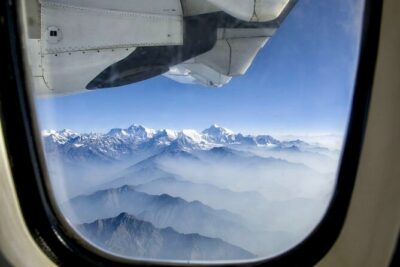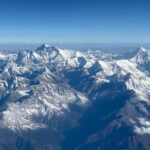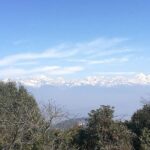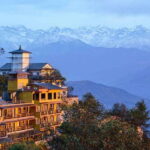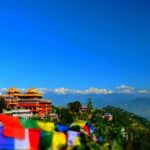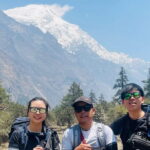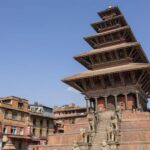
Remote views, with teahouses at every step. This 14-day Manaslu Circuit experience is built for people who want the feeling of an isolated trek without hauling tents—plus you get big-ticket moments like Larke-La Pass and Manaslu Base Camp. You follow the Budhi Gandaki valley system, cross check points, pass Tibetan-influenced villages, and stack mountain views that include Manaslu, Himalchuli, and Ganesh Himal II.
What I like most is how much you’re set up for success before you even reach the mountains: you travel with a government-licensed guide, and you’re not left scrambling for cold-weather gear. I also like that the trip is supported end-to-end with mountain teahouse lodging for 13 nights, plus a sleeping bag and down jacket included for the trek.
The main thing to consider is the physical grind. This trek asks for moderate physical fitness and it includes long hiking days and a high, sometimes windy pass day—so it’s not a casual walk in the hills.
In This Review
- Key highlights at a glance
- A Less-Crowded Circuit With Teahouses That Keep It Real
- Permits and Support: What the Price Really Covers
- How the Overland Route Shapes Your First and Last Days
- Day by Day: Working Through Valleys, Villages, and Checkpoints
- Day 1: Kathmandu → Gorkha zone → Machhakhola
- Day 2: Machhakhola area → Jagat (via Tatopani and river valleys)
- Day 3: Jagat checkpoint → Deng (waterfall views + a ridge climb)
- Day 4: Deng → Namrung (Budhi Gandaki valley work)
- Day 5: Namrung → Shyala (pine forest trekking + checkpost)
- Day 6: Shyala → Pung Gyen Gompa → Sama Gaon (sunrise and gompa side trip)
- Day 7: Sama Gaon → Manaslu Base Camp (steep climb moment) → back to Sama Gaon
- Day 8: Samagaun → Birendra Taal → Samdo (old monastery and Tibetan library stop)
- Day 9: Samdo → Layung La area (close views + approach to Larkya Bazar)
- Day 10: Layung La → Dharamsala / Larkya Base Camp (grassy terrain and river crossings)
- Day 11: Larke-La Pass → Bimthang (windy, rocky, and spectacular morning views)
- Day 12: Bhimthang → Tilche (a descent day with Manaslu views)
- Day 13: Tilche → Marsyangdi Valley → Dharapani → Besisahar
- Day 14: Besisahar → Kathmandu (minibus along Marsyangdi and Trishuli)
- The Big Moments: Sunrise at Pung Gyen Gompa and the Larke Peak Morning
- Teahouse Life, Meals, and Gear That Keeps You From Overpacking
- Group Size, Pace, and Who This Trek Fits Best
- Price and Value: Why $227 Can Work Here
- Should You Book This Manaslu Circuit Trek?
- FAQ
- How long is the Manaslu Circuit Trek?
- Where does the trek start and finish?
- Is pickup offered?
- What’s included in the trek price?
- What permits are part of this trek?
- What gear is provided?
- Is international airfare or visa covered?
Key highlights at a glance
- Larke-La Pass as the signature achievement on Day 11, with big morning views of Larke Peak
- Teahouses every step that make the trek more affordable and lighter than classic camping treks
- Manaslu Base Camp day with a climb that starts with flatter views, then turns steep
- Tibetan-influenced culture stops around Samagaun, including a side visit to Pung Gyen Gompa
- Small-group feel with a maximum of 25 travelers
A Less-Crowded Circuit With Teahouses That Keep It Real
Manaslu is the kind of trek that feels remote even when the trail is busy enough to stay practical. The big idea here is that the circuit stays isolated and un-domesticated in character, but you’re not carrying camp gear. Instead, you’ll sleep in teahouses at stop points, which is what helps this version of the circuit stay more accessible and budget-friendly than camping-only routes.
That matters because it changes how you travel. You spend more energy on the trail and the views, less on camp logistics. You’ll still get the slow, steady rhythm of mountain trekking—early starts, regular breaks, and evenings that revolve around a warm room and a simple meal—but without the extra weight and complexity of tents and cooking setups.
One more plus: the trailhead is reachable overland. So you’re saving yourself from flight schedules and airport bottlenecks just to start walking.
You can also read our reviews of more hiking tours in Kathmandu
Permits and Support: What the Price Really Covers
At $227 per person for about 14 days, the value mostly comes from what’s included that you’d otherwise have to pay for separately in Nepal.
Here’s the support backbone you’re paying for:
- 13 nights of accommodation in mountain teahouses
- A professional trekking guide (government license) for the full 14 days
- Manaslu & Annapurna conservation area permits
- A restricted area permit (this trek operates under those rules)
- Group logistics: local bus and transport segments (including Kathmandu to Sotikhola/Dharapani directions)
- First-aid kit support
- Coverage for guide/porter costs (food/salary/transport), plus guide/porter insurance
And then there’s the gear that’s genuinely useful: the package includes a sleeping bag and a down jacket. If you’re traveling from abroad and don’t want to buy trekking insulation in your home country, this is one of the smartest “hidden” values in the deal.
The meals setup is another big practical point: you have breakfast included every day (14 breakfasts), plus lunch (14 lunches) and 13 dinners. That means most of your daily food decisions are handled for you, which makes pacing easier when you’re climbing hard.
What’s not included is also clear: drinks on trek aren’t included, and all meals in Kathmandu are not included.
How the Overland Route Shapes Your First and Last Days
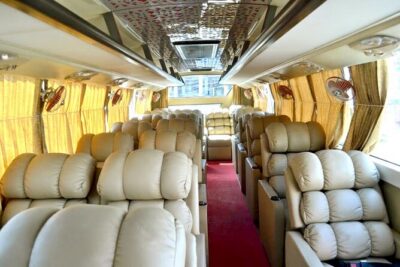
You start with a bus ride from Kathmandu toward Gorkha, then keep moving until you reach the trekking base area around Machhakhola. The route follows major highways for part of the way, including the Prithvi Highway along the Trisuli River. Expect a long travel day on Day 1 and don’t plan anything strenuous for that evening besides settling into your teahouse.
On the back end, you hop from Dharapani to Besisahar by shared jeep, then you finish with a sharing minibus to Kathmandu. This means your “trophy” moment is not only the mountains—it’s also getting the logistics done without waiting around for flights.
If you’re the kind of traveler who hates wasting time, this overland approach feels good. It’s less about juggling departure windows and more about steady movement from city to trail and back again.
Day by Day: Working Through Valleys, Villages, and Checkpoints
This trek has a clear progression: you start lower, build into the Budhi Gandaki valley, then move toward Samagaun and higher Tibetan-influenced areas, before pushing over Larke-La and down toward the Marsyangdi Valley.
Below is what each day feels like in plain terms.
Day 1: Kathmandu → Gorkha zone → Machhakhola
After breakfast in Kathmandu, you ride a local bus through the first scenic highway stretch. The drive includes the Prithvi Highway along the Trisuli River, and you’ll break up the route as you pass areas like Furke Khola and Dhadingbesi. You end in Machhakhola, ready for the next day’s trekking start.
What to know: it’s mostly riding—bring comfort snacks and plan for a long, bumpy sit.
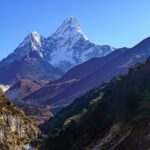
Day 2: Machhakhola area → Jagat (via Tatopani and river valleys)
You trek after breakfast toward Khorla Bensi, then you reach Tatopani and the trail starts its pattern: ups and downs, not constant flat. You finish at Jagat after about 7 hours.
Why this day matters: it’s your warm-up to the walking rhythm and altitude-feel.
Day 3: Jagat checkpoint → Deng (waterfall views + a ridge climb)
Breakfast is early at the teahouse. You cross the Jagat Checkpoint, then you get a classic trekking moment: waterfall scenery paired with a steep ridge climb, then a descent toward Deng. The walk is again about 7 hours.
Why you’ll remember it: it’s that mix of sudden views and sudden effort.
Day 4: Deng → Namrung (Budhi Gandaki valley work)
You cross the Budhi Gandaki and then hike west up the valley. The day is described as steep and impressive, with plenty of valley work over roughly 7 hours. You reach Namrung.
Consideration: expect your legs to notice the grade today.
Day 5: Namrung → Shyala (pine forest trekking + checkpost)
After breakfast you cross the Namrung Checkpost, then go via Bhanjam village through pine forest. There’s a steep climb for about an hour, then more trekking toward Shyala (around 7 hours).
Why it’s special: the forest section helps break up the monotony and keeps the hike interesting.
Day 6: Shyala → Pung Gyen Gompa → Sama Gaon (sunrise and gompa side trip)
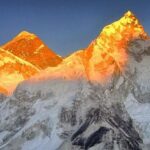
You start early, and sunrise from Shyala brings a famous reward: the top of Manaslu changing toward golden tones. After breakfast you head toward Pung Gyen Gompa (about 2 hours), then do a side trip. From there you walk down 2–3 hours to Samagaun, where you sleep in a teahouse.
Why this day is a high point: sunrise plus a gompa visit is exactly the kind of cultural-mountain combo that makes a trek feel more than just miles.
Day 7: Sama Gaon → Manaslu Base Camp (steep climb moment) → back to Sama Gaon
You go toward Manaslu Base Camp. The trek starts with about 1 hour of almost-flat walking with views of Manaslu Himal, then the climb gets steep. The climb is around 3 hours before you reach base camp. You spend time there, then head back down to Sama Gaon for lunch and a village visit to see Tibetan culture and day-to-day life.
What to expect: an intense “climb then payoff” day.
Day 8: Samagaun → Birendra Taal → Samdo (old monastery and Tibetan library stop)
You head to Birendra Lake via a very old monastery at Samagaun and a Tibetan cultural library. It’s about 2 hours to Birendra Lake, then you descend toward Samdo. On the way you’ll pass places like Kermo Kharka, noted for panoramic views of Manaslu and Pangpoche.
You sleep in Samdo.
Why it’s worth it: this is where the trek’s cultural side becomes as real as the mountain side.
Day 9: Samdo → Layung La area (close views + approach to Larkya Bazar)
The day starts with close views of Mount Samdo and Gyala Peak (5,973 m), plus scenery around Larkya Bazar. From here you ascend for about 4–5 hours toward Layung La (the day is set up as a “getting higher” push).
Practical tip: keep your pace steady; this is usually where people burn energy too fast.
Day 10: Layung La → Dharamsala / Larkya Base Camp (grassy terrain and river crossings)
You hike roughly 4–5 hours toward Dharamsala / Larkya B.C. Afterward you begin a descent past the northern valley and cross the Budhi Gandaki. The route follows grassy terrain with juniper above Syacha Kharka.
This is your “positioning” day—set up for the pass tomorrow.
Day 11: Larke-La Pass → Bimthang (windy, rocky, and spectacular morning views)
You start early and climb steep trails to Larkya La Pass. The trail is described as windy at times and rocky, but the morning views of Larke Peak (6,249 m) are called out as spectacular.
Then you descend to Bimthang. On the way down, you get views of Nimjung, Himlung, and Kanguru. This day can be long, about 9 hours total.
What to watch: if the wind kicks up, slow down and keep your footing. Pass days don’t reward rushing.
Day 12: Bhimthang → Tilche (a descent day with Manaslu views)
Breakfast is early with Mt. Manaslu views. You trek from Bhimthang to Tilche, around 6–7 hours, and it starts with descent shortly after leaving Bhimthang.
Why this day matters: it’s part recovery, part continuation.
Day 13: Tilche → Marsyangdi Valley → Dharapani → Besisahar
You hike through farmlands around Tilche, cross to the east bank of the river, then descend gradually toward the Marsyangdi Valley. After reaching Dharapani, you ride a sharing jeep to Besisahar (about 3–4 hours), passing waterfalls and lush scenery.
How it feels: a mix of countryside trekking and then a road reset.
Day 14: Besisahar → Kathmandu (minibus along Marsyangdi and Trishuli)
You ride back to Kathmandu by sharing regular minibus for around 6 hours, following the banks of the Marsyangdi and Trishuli rivers. The day ends in Kathmandu with views of hills and mountains on the drive.
Best use of the last day: keep it light. You’ll feel the trek in your body, even if you’re not sore.
The Big Moments: Sunrise at Pung Gyen Gompa and the Larke Peak Morning
Two moments are built into this trek so strongly that you can almost schedule your memory around them.
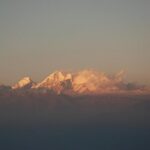
First is the sunrise from Shyala, where the top of Manaslu turns golden. It’s short, but it’s the kind of light change that makes photos look like they’re from a different place than the rest of the day.
Second is the Larke-La Pass morning. The trail can be windy and rocky, but the morning views of Larke Peak (6,249 m) are the payoff. This is the moment when the route stops being a plan and becomes an achievement.
And don’t forget Manaslu Base Camp. You get a structured climb: a flatter first hour, then a steep push for about three hours. When you reach base camp, you’re not just “there.” You’ve earned the perspective.
Teahouse Life, Meals, and Gear That Keeps You From Overpacking
This is one of the practical advantages of doing Manaslu with teahouses. You don’t need tents, and you’re not carrying all your food day-to-day. Each stop point has a teahouse, so you can plan around the basics: sleep, eat, and get ready for the next hike.
Meal coverage is helpful for budgeting and energy management:
- Breakfast included each trekking day (14 breakfasts)
- Lunch included (14 lunches)
- Dinner included for 13 evenings
- No meals included in Kathmandu
Drinks are not included, so if you like tea, soda, or anything stronger, you’ll want some spending money.
On gear: the trek includes a sleeping bag and down jacket. That’s a big deal if you’re trying to travel light. Even so, you should still plan for layered clothing based on cold mornings and the pass day being described as windy and rocky.
Group Size, Pace, and Who This Trek Fits Best
The trip runs with a maximum group size of 25. That’s big enough that you won’t feel like you’re on a private film set, but small enough that the guide can keep the group together on the trail.
Your pace is set by a simple reality: you hike early, usually after breakfast, and you move for 2 to 9 hours depending on the day. Some sections are short and scenic, and some are steep valley days. The circuit also includes checkpoints (like Jagat Checkpoint and Namrung Checkpost), which add small rhythm breaks.
This experience suits you best if:
- You have moderate physical fitness
- You’re comfortable with long days and at least one very challenging pass day
- You want a less-crowded feel without camping logistics
If you’re chasing pure luxury, you might find teahouse life basic. If you’re chasing authentic mountains with real support, this format makes a lot of sense.
Price and Value: Why $227 Can Work Here
Let’s talk value in a straight way.
For $227, you’re not only buying “a guide.” You’re buying:
- Permits for conservation areas plus a restricted area permit
- Teahouse lodging for 13 nights
- Full-time guide support for 14 days
- Major transport segments to and from the trek area
- Included sleeping bag and down jacket
That’s what turns the price from a number into a plan. If you tried to self-organize just the permits and staffing in Nepal, costs add up fast, and you’d also lose the built-in pacing and the reduced guesswork.
One more value factor: the operator’s reviews highlight professional guides and porters and mention flexibility if you want to change the plan. Your best-case scenario is getting a guide who knows how to manage the day-to-day details so you can focus on the trail.
Should You Book This Manaslu Circuit Trek?
I’d book this if you want:
- A teahouse trek that keeps things lighter and more affordable than tent camping
- The Manaslu Base Camp climb and the big pass day at Larke-La
- A supported trip with permits handled, transport arranged, and key gear included
- A realistic fit for moderate fitness, not an easy stroll
I’d pause if you:
- Don’t want long hike days or steep climbs
- Rely heavily on included drinks and full-board meals (the package doesn’t cover drinks, and Kathmandu meals are on you)
- Have limited flexibility for weather-driven changes on a windy pass day
If you’re the kind of traveler who packs light, moves steadily, and likes earning views the hard way, this trek checks a lot of boxes. And when you’re standing near Larke Peak after a windy morning, you’ll remember exactly why you chose this route.
FAQ
How long is the Manaslu Circuit Trek?
It runs for about 14 days.
Where does the trek start and finish?
It starts in Kathmandu and ends back in Kathmandu after the overland return.
Is pickup offered?
Yes, pickup is offered.
What’s included in the trek price?
Included are 13 nights of mountain teahouse accommodation, a government-licensed trekking guide for 14 days, permits (Manaslu and Annapurna conservation area plus restricted area), teahouse meals coverage (breakfast 14 times, lunch 14 times, dinner 13 times), some transport segments, and necessary equipment like a sleeping bag and down jacket.
What permits are part of this trek?
You’ll have the Manaslu and Annapurna conservation area permit plus a restricted area permit.
What gear is provided?
A sleeping bag and down jacket are included.
Is international airfare or visa covered?
No. International airfare, visa fee, and tax are not included.