REVIEW · EVEREST BASE CAMP TREKS
Everest Base Camp trek with Helicopter return 9 days
Book on Viator →Operated by Adventure Master Trek · Bookable on Viator
Everest Base Camp in nine days is a sprint. But it is still the real Khumbu: stone steps, big altitude, and a classic payoff at Kala Patthar. What makes this version especially interesting is the combo of trekking up and a helicopter return, so you get the Everest magic without turning it into a two-week ordeal.
I love that this route is built around sensible pacing. You do an acclimatization pause in Namche Bazaar, then keep climbing toward higher, steeper country once your body has had a few days to adjust.
The other thing I like is how “in the mountains” it feels without being chaotic. You walk with an expert guide, have porter support (one for two people), and there’s even an oximeter check twice a day. The main drawback to consider is simple: with the helicopter as your big return leg, you should be mentally ready for possible changes if mountain conditions affect flights.
4–6 highlights to know before you go
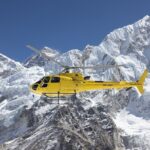
- Helicopter return from Gorak Shep cuts the long slog back down and saves real energy.
- Kala Patthar (5,644 m) is the signature viewpoint stop, with an early morning window for the best light.
- Namche Bazaar acclimatization includes a rest day plus a quick hop to the Everest View area above town.
- Guided by expert mountain guides, with an oximeter and a first-aid kit used to monitor altitude.
- Meals and permits are handled so you can focus on walking, breathing, and taking photos.
In This Review
- Why trek to Everest Base Camp, then fly back by helicopter?
- Price and logistics: what $3,888 actually buys you
- Day 1 in Kathmandu: a smooth start matters at altitude
- Flight day to Lukla: short ride, big feelings
- Phakding to Namche Bazaar: forests, bridges, and your first altitude lesson
- A Namche rest day plus Everest View Hotel: acclimatization with payoff
- Namche to Tengboche: sunrise hiking and monastery-country vibes
- Dingboche and the Khumbu Glacier zone: where the trail gets steeper
- Gorak Shep to Kala Patthar: the big push before the helicopter
- The helicopter return from Gorakshep to Lukla: what changes on the last day
- Guides, porters, and altitude checks that make the trek feel managed
- Tea houses, showers, charging, and the real cost beyond the package
- Who should book this 9-day Everest Base Camp with helicopter return
- Should you book it or choose another Everest style?
- FAQ
- How long is the Everest Base Camp trek with helicopter return?
- What is the difficulty level?
- Where does the trip start?
- Do I fly to Lukla?
- Where does the helicopter return happen?
- What is the highest point on this trek?
- Are meals included during the trek?
- What permits or fees are included?
- What costs are not included?
- Can I cancel for a full refund?
Why trek to Everest Base Camp, then fly back by helicopter?
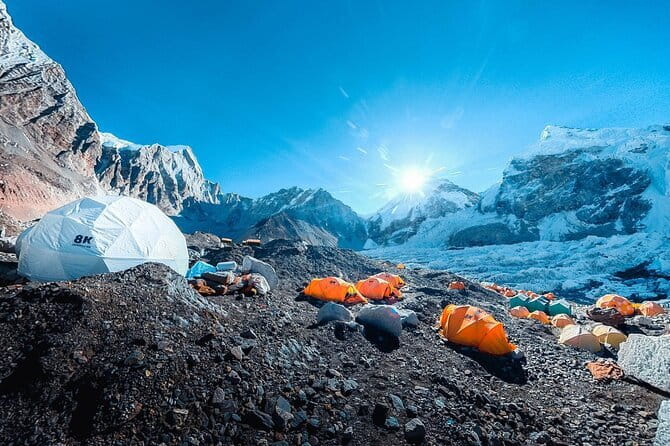
Everest is dramatic at any pace. But trekking for weeks is not for everyone. This 9-day plan keeps the soul of the classic route—Phakding-to-Namche-to-Khumbu glacier country—while shrinking the timeline with a helicopter return.
That helicopter piece matters because it changes how you experience the trek. Instead of spending your last days exhausted from altitude and downhill fatigue, you keep your energy for the high-view moments. It also shortens the time you’re exposed to colder, more unpredictable weather at the very top of the trek.
This is not a casual walk, though. You still spend about 7 full days in the mountains and go into higher elevation terrain. The difficulty is described as moderate, which usually means: strong effort, long days, and slow breathing—not technical climbing.
Price and logistics: what $3,888 actually buys you
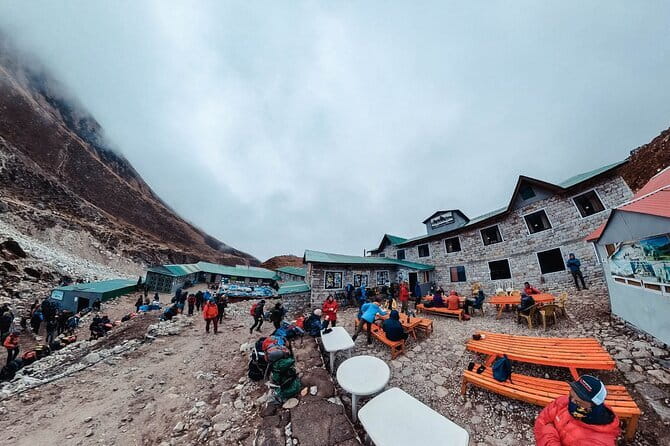
At $3,888 per person, this is not a budget trek. But you are paying for several costly parts that are often “extra” on cheaper packages: flights, a helicopter segment, guide leadership, and mountain logistics.
Here’s what’s covered in the core value:
- Private ground transport for getting between the airport and your hotel
- Flights to Lukla and back to Kathmandu
- One guided trekking team with salary, meals, lodging, transportation, and insurance covered for the guide
- Helicopter from Gorakshep to Lukla
- Permits and official fees
- Meals during the trekking portion (breakfast, lunch, dinner)
- Safety support: first-aid kit and an oximeter checked twice a day
- Porter support: one porter for two people
- A trip completion certificate
- Mobile ticket
What’s not included (and what you should budget for):
- Your visa and your own travel/medical insurance
- International airfare
- Meals in Kathmandu beyond trek days
- Personal expenses, plus extra costs in tea houses (like hot showers and charging, which can run about $2–$5)
- Tips to guide, porter, and driver (tipping is expected)
So the real question is not only “Is it expensive?” It is “Are you getting the expensive parts handled?” For a helicopter return trek, yes—you are.
You can also read our reviews of more hiking tours in Kathmandu
Day 1 in Kathmandu: a smooth start matters at altitude
Your trip begins with an airport team waiting for you at the international terminal. They help you check in and arrange bag handling, then you meet the core team after settling in.
This matters more than it sounds. For Everest trips, stress can derail sleep, and bad sleep makes altitude harder. Having private car pickup and an organized team setup helps you start calmer. It also gives you time to confirm gear readiness and ask questions before your flights.
Flight day to Lukla: short ride, big feelings
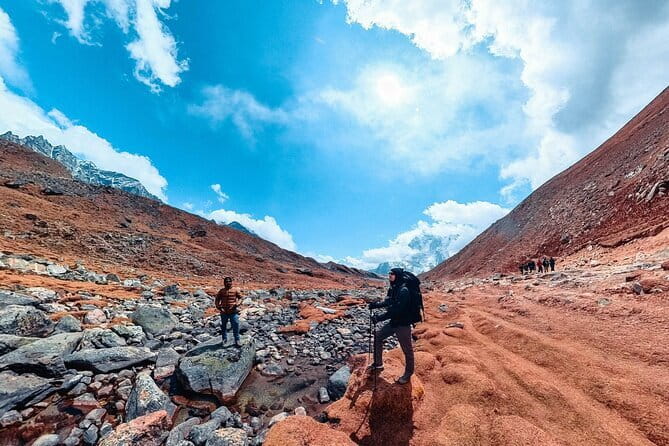
Next comes the early flight from Kathmandu to Lukla (Tenzing Hillary Airport). It’s short, but it’s one of those days where you feel the whole trip start to get real.
You land, and porters join in right away so you can shift from “city traveler mode” into “trekker mode.” The included support also keeps the transition efficient, which helps when your head is still processing your first day of altitude.
A practical tip: treat this day as a warm-up. Don’t burn energy on unnecessary activities after landing. You’ll hike soon enough.
Phakding to Namche Bazaar: forests, bridges, and your first altitude lesson
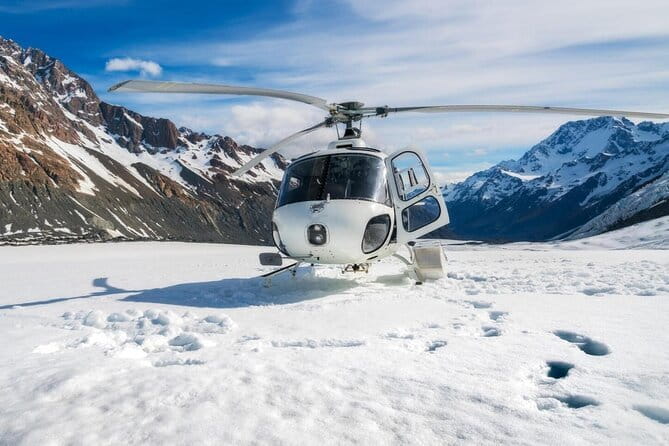
Your early days on the trail move from Lukla-area paths toward bigger villages and town centers. The route takes you through forests (rhododendron and magnolia are mentioned along the way) and involves crossing bridges as you work toward Monjo and then pushing onward.
Then comes Namche Bazaar, the main hub of the Khumbu. This is where the climb starts to feel more serious. You are walking uphill and gaining elevation steadily, and your body learns the new rhythm: slower steps, more pauses, and more focus on breathing.
What I like about this section is that it’s not all steep pressure. There are enough breaks and scenery changes that you can keep moving without feeling like you’re fighting the trail every minute.
The possible drawback: if you rush on the early days because you feel good, altitude will “collect the debt” later. This route does not reward speed.
A Namche rest day plus Everest View Hotel: acclimatization with payoff
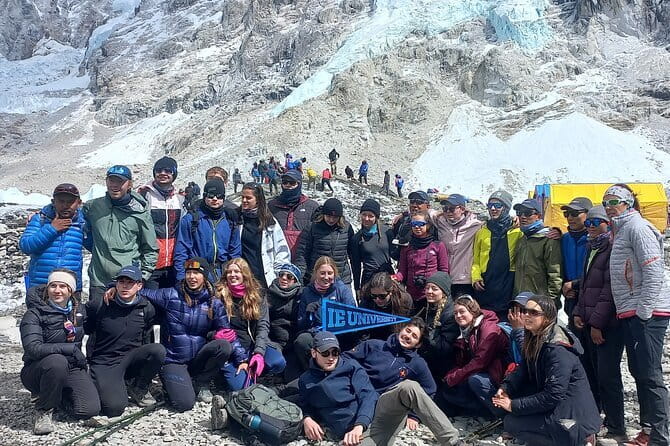
One full day in Namche Bazaar is included to let your body adapt. This is a smart choice because Everest-area trekking works on acclimatization. You cannot out-pace physiology.
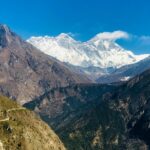
From there, you take a route up toward the Everest View Hotel area via the Syangboche Airstrip. It’s a day that gives you a taste of the high-country views without pretending you are already at Kala Patthar.
This is also the part of the trip that helps you avoid the most common mistake: pushing too hard too soon because you feel energized in town. If you follow the pacing, you’ll likely find the days above Dingboche feel more manageable later.
You can also read our reviews of more tours and experiences in Kathmandu
Namche to Tengboche: sunrise hiking and monastery-country vibes
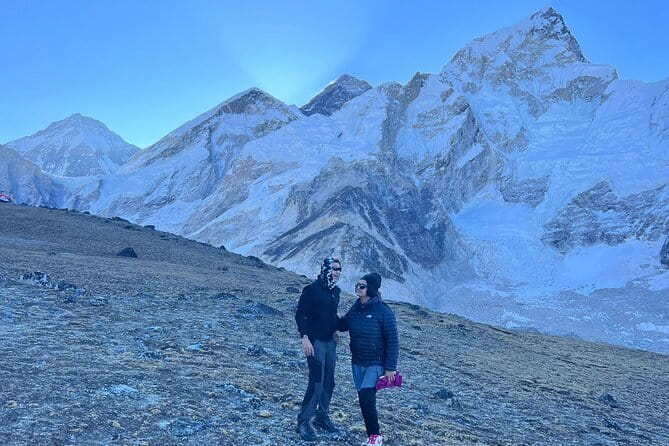
After your acclimatization day, you head toward higher villages. The trail goes up along foothills, then stretches toward Kyangjuma and onward.
Then comes Tengboche, with an early start for sunrise. You leave after breakfast and descend through rhododendron forest toward Deboche. Along the way, you might spot wildlife such as musk deer and blue sheep (and other mountain creatures in season), depending on conditions.
This day is often where people notice the emotional shift: the trail starts to feel more spiritual and more remote. You’re getting deeper into Khumbu culture and scenery.
Potential consideration: sunrise hikes mean cold mornings. Pack and layer well. If you’re under-dressed, you will lose time trying to warm up instead of enjoying the view.
Dingboche and the Khumbu Glacier zone: where the trail gets steeper
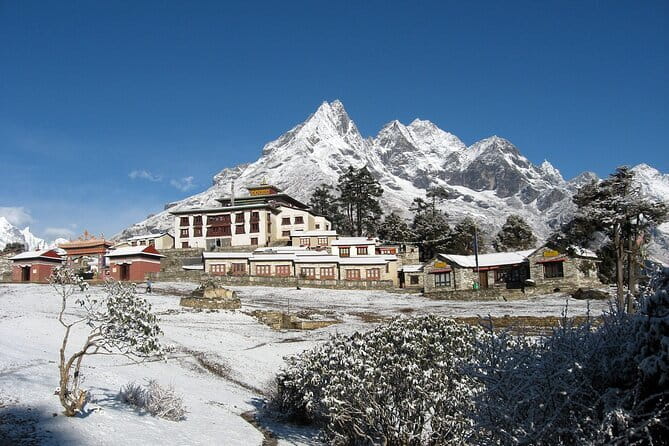
Your next big phase climbs away from the easier rhythm of lower villages. You leave Dingboche, and the route moves into more remote, steep terrain.
A highlight here is the walk along the Khumbu Glacier for much of the day. This is not just scenery; it changes how you walk. Surface conditions and wind exposure can make your effort feel higher. Your legs work, your breathing works, and your attention stays up because the path is more demanding.
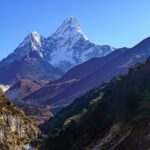
You’ll also see big peak neighbors like Cholatse and Tawache as referenced along the way. This is classic Everest geography—tight angles, wide ridgelines, and the sense that the mountains are much closer than they looked from town.
What to watch: this is a day where “I’m fine” can turn into “why is my breathing so hard?” fast. Stay patient, keep your steps short, and don’t use pride as a pace-maker.
Gorak Shep to Kala Patthar: the big push before the helicopter
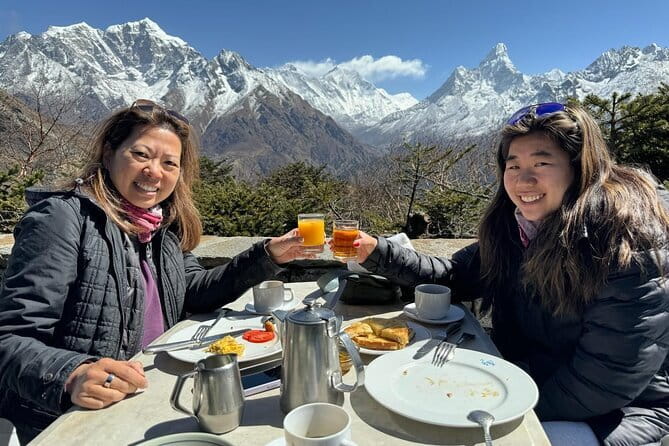
This is one of the trip’s most intense sections.
You leave Lobuche and follow a wide valley up to Gorak Shep. The day is longer, around 8 hours of walking time, and the trail slowly ramps up in steepness. It’s rocky and requires careful footing, especially as your energy gets used up.
Then you’re positioned for the signature early morning stop: Kala Patthar.
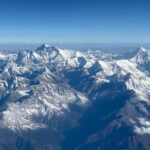
Kala Patthar is described as well-used but easy to follow—big relief if you’re not into technical route-finding. The payoff is the mountain view from above Gorakshep, including the kind of lighting that makes Everest look like a poster… until you remember you’re doing it at altitude.
This is also the coldest part of the trek for many people. Bring warm layers that actually work in sub-freezing wind, and assume your body will feel stiffer than you expect.
The helicopter return from Gorakshep to Lukla: what changes on the last day
Your return plan is simple on paper: walk to the viewpoint, then fly.
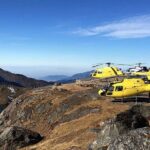
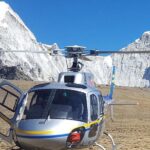
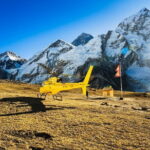
After Kala Patthar, you take the helicopter from Gorakshep to Lukla. From there, you complete the route back down to Kathmandu via flight. That’s a major difference from standard EBC treks, which often spend days descending slowly with tired legs.
Why it’s a win:
- You spend less time walking when your altitude fatigue is highest.
- You reduce the number of cold, late-day hours you spend in exposed terrain.
- You can end the trek feeling more like a journey got finished, not just survived.
Why it’s worth planning around:
- Helicopter flights depend on real-world conditions. You should treat the helicopter as a safety-first service and be ready for operational changes if the sky doesn’t cooperate.
Guides, porters, and altitude checks that make the trek feel managed
This trek is guided by expert mountain guides, and the included safety touches are not just paperwork.
You’ll also get:
- An oximeter check of pulse and oxygen saturation (twice a day)
- A first-aid kit
- One porter for two people, which helps keep loads reasonable
- A guided plan that includes acclimatization structure
The guide quality matters on Everest. In feedback about this operator’s Everest experiences, Raj is mentioned as making the process easier and more efficient, and Ramesh is highlighted for being fantastic and helpful on the trail.
Even if your specific guide is different, the pattern is clear: you want a leader who keeps the group moving safely and calmly, especially when altitude makes every decision feel heavier.
Tea houses, showers, charging, and the real cost beyond the package
Tea houses are part of the Everest Base Camp experience. You’re paying for basic comfort, not luxury.
The package covers your trek meals, but you should expect additional small costs on the trail:
- Hot showers and phone charging may cost about $2–$5
- Extra drinks and desserts are not included
- Personal expenses come out of your own pocket
Also remember tipping is expected for guide, porter, and driver. It’s normal here, and budgeting for it keeps the trip smooth.
A practical approach: pack a small amount of cash just for tea-house extras, and don’t assume prices are the same each day.
Who should book this 9-day Everest Base Camp with helicopter return
This trek fits best if:
- You want Everest Base Camp and the classic high-country experience
- You have limited time and want to avoid a longer return trek
- You can handle steady uphill days at altitude
- You prefer a plan with safety monitoring like oximeter checks
It may be less ideal if:
- You strongly prefer spending every day on foot for the full emotional arc of a long down-and-up journey
- You want a fully flexible, no-fixed-timing adventure style (this is guided and structured)
- You’re very sensitive to cold mornings, because sunrise and viewpoint days are part of the rhythm
If your goal is the “best hits” version of Everest—Namche, glaciers, and Kala Patthar, plus helicopter relief—this is a strong match.
Should you book it or choose another Everest style?
Book it if you want a high-quality Everest trek that finishes within nine days and returns by helicopter, without cutting the core experience. The included permits, meals, and altitude monitoring reduce headaches that can waste energy on top of altitude.
Hold off if you want maximum walking time, or if you hate the idea of aviation logistics playing a role in your schedule. Also, make sure your fitness is truly “moderate but consistent.” This is not a sit-and-stare vacation.
My rule of thumb: if you can handle a serious hike with early mornings and cold nights, and you value finishing strong rather than dragging home, this is one of the smartest ways to do Everest on a tighter timeline.
FAQ
How long is the Everest Base Camp trek with helicopter return?
The trek is about 9 days.
What is the difficulty level?
The trek is described as moderate with a moderate physical fitness level requirement.
Where does the trip start?
You start in Kathmandu, with airport pickup and private car transfer to your hotel.
Do I fly to Lukla?
Yes. You take a flight from Kathmandu to Lukla early on the trip.
Where does the helicopter return happen?
The helicopter flight is from Gorakshep to Lukla on the last day, after reaching the Everest area.
What is the highest point on this trek?
You go to Kala Patthar (5,644 m / 18,519 ft).
Are meals included during the trek?
Yes. Breakfast, lunch, and dinner are included for the trek portion.
What permits or fees are included?
The package includes the papers and permit fees you need for the trek area, along with taxes and official costs.
What costs are not included?
Not included are visa, your travel and medical insurance, international airfare, meals in Kathmandu for lunch and dinner, personal expenses, and optional tea house costs like hot showers and charging (about $2–$5). Tips are also expected.
Can I cancel for a full refund?
Yes. You can cancel up to 24 hours in advance for a full refund, and within 24 hours the amount paid is not refunded.