REVIEW · EVEREST BASE CAMP TREKS
Everest Base Camp Helicopter Tour with Hotel Everest View Landing
Book on Viator →Operated by Everest Experience and Assistance · Bookable on Viator
Everest Base Camp by helicopter is a shortcut with serious payoff. It’s built for people who want the big Everest panorama without two weeks of trekking, using quick hops and close viewing windows.
I love the small-group feel, plus the convenience of round-trip hotel transfers that keep the morning stress low. The main drawback to plan for is weather and timing, since visibility can change your exact flight path and you may wait on the ground.
In This Review
- Key things to know before you go
- Why a helicopter tour beats a two-week trek
- Kathmandu morning flow: pickups, early start, and what to expect
- Everest View Point breakfast at Hotel Everest View (and why it can shift)
- The helicopter routing: seeing Everest Base Camp area without landing on the pad
- Lukla refuel stop: a quick look at another Everest gateway
- Kala Patthar landing and close flyover timing: making the most of the window
- Timing, delays, and how to handle the day if the weather isn’t perfect
- Price and value: what $1,490 covers and what extra costs can appear
- Who should book this helicopter day trip
- Should you book Everest Base Camp by helicopter with Everest View landing?
- FAQ
- What time does the tour start?
- How long is the experience?
- What size is the group?
- What’s included in the price?
- Are there extra fees I should budget for?
- Where do you land relative to Everest Base Camp?
- Is there a weight limit?
Key things to know before you go
- Start early (6:15 am) so you catch the best chance of clear views.
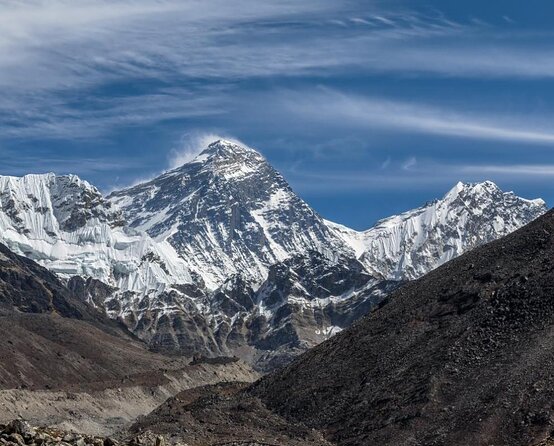
- Landing is closer than Base Camp itself: you’ll land at Kala Patthar for the nearest practical helicopter spot.
- Breakfast includes a real viewpoint at Hotel Everest View, and it can be adjusted if conditions are poor.
- You’ll get a refuel stop at Lukla (about 20 minutes) during the flight routing.
- Time for close windows: you may get roughly 15 minutes of the closest views near Everest Base Camp and Kalapatthar.
- Max 5 people means more personal attention from your guide and smoother logistics.
Why a helicopter tour beats a two-week trek
If you’re coming to Nepal with limited time, this is the clearest way to see the Everest region without paying the “two weeks of walking” price. You still get high-mountain scenery, villages, farmland, and the Everest skyline—just much faster.
The helicopter piece matters because it changes the whole vibe. On foot, you earn the view slowly. In the air, you get a fast hit of scale: ridgelines, glaciers, and the feeling of standing next to the biggest mountain on Earth, without the days of altitude grind.
Just remember that helicopter travel is weather-dependent. When cloud hangs in, you don’t get to force the mountain to cooperate—so the tour’s plan may shift.
You can also read our reviews of more tours and experiences in Kathmandu

Kathmandu morning flow: pickups, early start, and what to expect
This runs as an early start from Kathmandu, with pickup around 6:15 am and an overall duration of about 5 hours. That early timing isn’t a gimmick; it’s your best shot at clearer skies in the morning and safer flying windows.
You’ll be picked up and dropped back at your Kathmandu hotel, which is a big deal in a city where travel time can stretch. You’ll also have a mobile ticket, which helps you avoid last-minute paperwork confusion.
One practical note: you should plan around a strict schedule, and still keep your flexibility. A smooth day is normal, but delays can happen when weather affects flight operations.
Everest View Point breakfast at Hotel Everest View (and why it can shift)
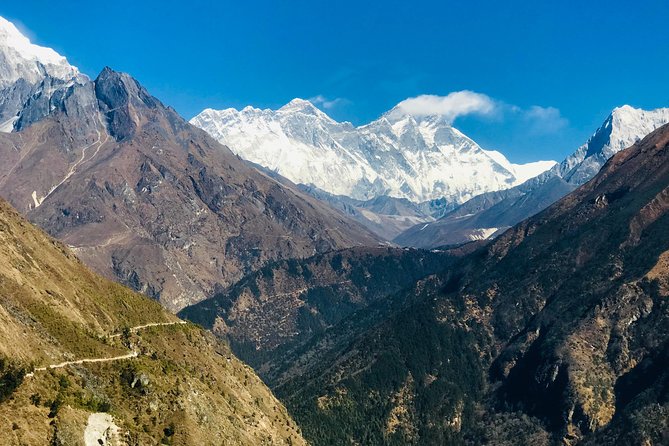
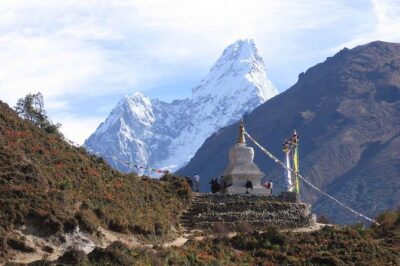
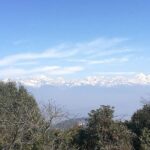
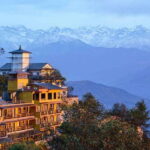
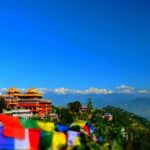
A highlight here is the breakfast stop at Hotel Everest View, timed for views of Mount Everest. You’ll typically have around 30 minutes at the hotel area, with the Everest view being a key part of why people choose this day tour.
In real life, mountain weather controls everything. If visibility isn’t good at that exact viewpoint, the operator may shift the location for breakfast to match what’s workable that day. The important takeaway for you: don’t assume every day will deliver the same exact hotel-view angle, even if the overall plan stays similar.
You’ll want to treat breakfast like part of the experience, not a separate task. Put your phone away for a minute, look outward, and let your brain catch up to what you’re seeing.
The helicopter routing: seeing Everest Base Camp area without landing on the pad
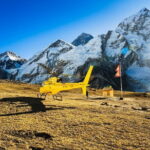
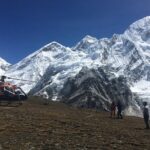
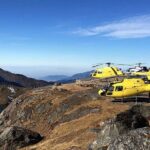
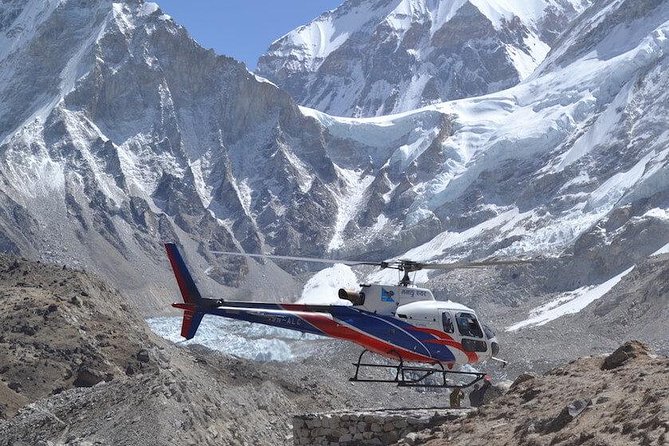
Here’s the big conceptual detail that will help you set expectations: there’s no helicopter pad at Everest Base Camp, so the closest feasible helicopter landing is at Kala Patthar. That’s why your day includes a landing near Kalapatthar rather than touchdown on the Base Camp grounds.
This approach makes sense. The Everest Base Camp area isn’t designed like an airport, and the helicopter can only land where it’s practically and safely possible. So instead of promising the impossible, this tour aims at the nearest “I can actually step outside and look” moment.
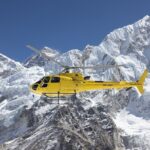
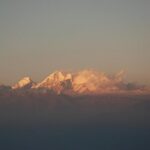
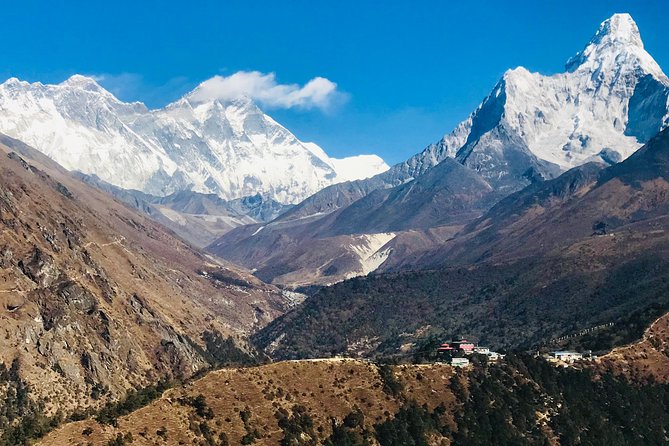
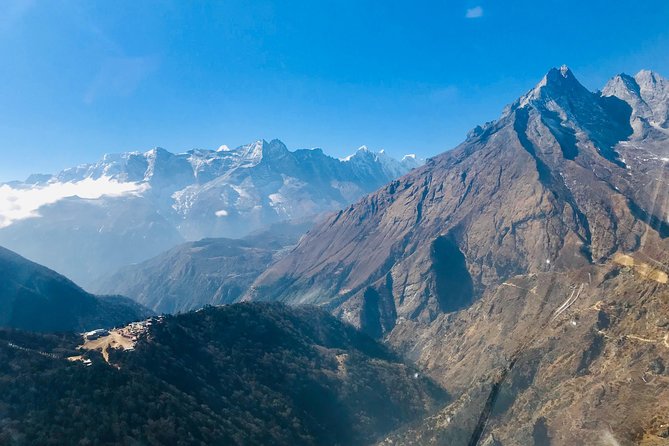
You’ll also fly including the Himalayan region, with the route designed to give you the best views of Mount Everest, plus flyovers around Kalapatthar and Everest Base Camp from the air. In other words: you may not land on Base Camp itself, but you still get the visual experience of being right in the Everest neighborhood.
Lukla refuel stop: a quick look at another Everest gateway
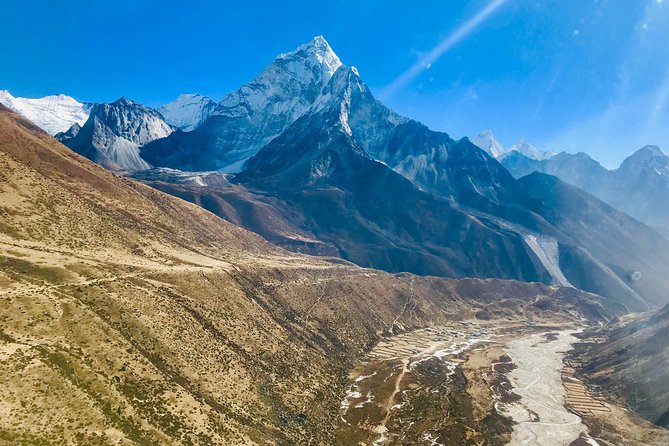
You’ll make a short stop around 20 minutes at Lukla, mainly for helicopter refueling. It’s not a full sightseeing stop, and you shouldn’t treat it like a cultural visit.
Still, it’s useful because it adds one more “this is the real system” reality check to your day. Lukla is one of the classic gateways used in the Everest region, and even a brief stop reinforces that your flight is part of the same aviation network people rely on for the Khumbu.
Bring your patience for the moment-to-moment changes that come with fuel stops and weather windows. Short pauses can feel long when you’re eager for photos, but they’re part of the operational rhythm.

Kala Patthar landing and close flyover timing: making the most of the window
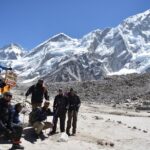
The core of your day centers on the closest views you can get from the air and on the landing area near Kala Patthar. Your day includes flying from the Phriche area toward the Everest Base Camp and Kalapatthar heights, with about 15 minutes that are specifically described as the closest, best stunning views.
That time is where you’ll want to be ready. Helicopter seating and window positions matter, so don’t spend those minutes fiddling with straps or asking a dozen questions. Do the quick checks before you leave—phone charged, camera accessible, and your lens cleaned.
You’ll also have the chance to take photos and videos from the window, which is a key reason people choose this format over a scenic flight that stays too far away. The view isn’t just “nice”—it’s close enough that you can actually follow the shape of ridges and the spread of the terrain.
Also, plan for the emotional swing: it can go from quiet awe to full-on excitement the instant you’re looking at Everest territory from a few minutes away. That’s normal.
Timing, delays, and how to handle the day if the weather isn’t perfect
This is an experience that runs only with good weather. If conditions are off, the operator may offer a different date or a full refund, depending on how the day unfolds.
Even with good weather, you might face waits. One part of the experience that can vary is the return timing if the helicopter operation gets delayed. In practice, that means you could spend extra time sitting at/near the landing area while waiting for the flight home.
If you’re the type who wants a perfectly clockwork day, this might feel a bit frustrating. If you’re okay with flexibility—and you treat this as a “best chance” expedition rather than a factory appointment—you’ll be happier.
A small group helps here too. With a maximum of 5 travelers, you’re not stuck with a huge queue of people, and your guide can usually explain what’s happening more directly.
Price and value: what $1,490 covers and what extra costs can appear
At $1,490 per person, this isn’t cheap. But it’s also not just a helicopter ride and a promise. You’re paying for a tightly managed operation: early start logistics, hotel pickup/drop-off, guide coordination, and the goal of getting you close to the Everest viewpoints in a single half-day.
What’s included:
- Hotel pickup and hotel drop-off
- Trip brokerage fee
- 10% live entertainment tax
- Breakfast admission ticket at the Everest View stop
- Lukla refuel stop is described as admission-free
What may add cost:
- Airport tax in Nepal (listed as 500 NRS, about 4 USD)
- National park fees if applicable (listed as 28 USD / 3000 NRS)
- Khumbu Village development tax (listed as 2000 NRS / 18 USD)
- An additional Khumbu-related fee described as $18 per person (Everest Experience and Assistance)
So here’s the value lens I’d use: if you want to compress “seeing Everest” into a short, high-impact day with minimal physical effort, the price buys you time and access. If you’re okay trekking—or if you’re already spending multiple days in the Khumbu—then you may prefer other options with lower overhead. But if time is your limiter, this price often starts to look reasonable.
Who should book this helicopter day trip
This tour is a strong fit if:
- You’re short on time and still want the Everest region without trekking for weeks.
- You have mobility limits or you simply don’t want to do the heavy hiking portion.
- You enjoy photos and want a realistic chance at close, window-view moments.
It’s also a good match if you’re traveling solo and appreciate feeling looked after during a fast-paced day. The small maximum group size can help you feel less lost in the shuffle.
You might think twice if:
- You’re very sensitive to schedule changes or you can’t tolerate waiting.
- You want a guarantee of perfect visibility and fixed stops every single minute (mountains don’t do guarantees).
- You’re uncomfortable with communication gaps. English is listed, but experiences can still vary in how smoothly details are explained in the moment—so keep your questions simple and be ready to go with the flow.
Should you book Everest Base Camp by helicopter with Everest View landing?
If your dream is Everest but you don’t want the full trekking commitment, I think this is a smart way to meet the mountain on your own timetable. The combination of early flying, a breakfast viewpoint at Hotel Everest View, and the Kala Patthar landing for the nearest practical helicopter spot makes the day feel intentional, not random.
Book it if you’re okay with weather-driven variability and you want maximum wow per hour. If you hate waiting, you might feel the friction when operations shift.
One extra tip: plan your day in Kathmandu so you’re not rushing to catch flights the same afternoon. Build in breathing room—this experience moves to the mountain’s rules, not yours.
FAQ
What time does the tour start?
The tour start time is 6:15 am in Kathmandu.
How long is the experience?
It runs for about 5 hours (approx.).
What size is the group?
The experience has a maximum of 5 travelers.
What’s included in the price?
Included are hotel pickup, hotel drop-off, Trip brokerage fee, and 10% live entertainment tax. The breakfast stop at the Everest View point includes an admission ticket, and the Lukla refuel stop is described as free.
Are there extra fees I should budget for?
Yes. The information lists possible extra costs for airport tax (500 NRS), national park fees if applicable (28 USD / 3000 NRS), Khumbu Village development tax (2000 NRS), and an additional $18 per person described as Khumbu-related fees (Everest Experience and Assistance).
Where do you land relative to Everest Base Camp?
There is no helicopter pad at Everest Base Camp, so you land at Kala Patthar, which is the nearest practical landing area.
Is there a weight limit?
Yes. The total weight per passenger limit listed is 265 lbs.