REVIEW · ANNAPURNA CIRCUIT TREKS
Kathmandu: 10-Day Adventurous Annapurna Circuit Trek
Book on GetYourGuide →Operated by Himalayan Nomad Treks Pvt. Ltd. · Bookable on GetYourGuide
One pass, ten days, and a big altitude lesson. This trek earns its reputation with a Thorong La Pass crossing at 5,416m, plus real village life as you work your way around the Annapurna region.
I love how the route blends high-mountain challenge with practical pacing, and how guides like Keshab (from English-speaking teams) are known for finding a good rhythm between conversation and quiet mountain time. You’ll also get a built-in buffer: an acclimatization day in Manang instead of forcing straight upward. The main thing to consider is that the Thorong La day is long and weather-dependent, so you should be ready for an early start, cold wind, and a long stretch on the trail.
In This Review
- Key things that make this trek worth your time
- Thorong La Pass at 5,416m: why this trek is the real deal
- Kathmandu to Dharapani: getting your legs ready (without wasting a day)
- Dharapani to Chame: forests, bridges, and the first real climb
- Chame to Upper Pisang and Manang: views start getting serious
- The Manang acclimatization day: turning altitude from enemy to math
- Manang to Yak Kharka to Thorong Phedi: the high-alpine quiet
- Thorong La Pass to Muktinath: the long day with a spiritual landing
- Muktinath to Jomsom: arid Mustang vibes and a noticeable climate shift
- Jomsom to Pokhara: mountains out, comfort in
- Guide and behind-the-scenes logistics: the small stuff that saves your energy
- Lodging and food: what comfort looks like on the Annapurna Circuit
- Gear and packing: your list is the difference between fine and miserable
- Price and value: what $467 buys, and what costs can still pop up
- Who this trek suits best (and who should skip it)
- Should you book this 10-day Annapurna Circuit trek?
- FAQ
- What is the highest altitude on this trek?
- How many days is the itinerary?
- Is there an acclimatization day?
- What kind of accommodation will I have during the trek?
- Are meals included?
- Will I have a guide, and will they speak English?
- Are trekking permits included?
- Is travel and rescue insurance included?
- Is this trek suitable for pregnant women?
Key things that make this trek worth your time
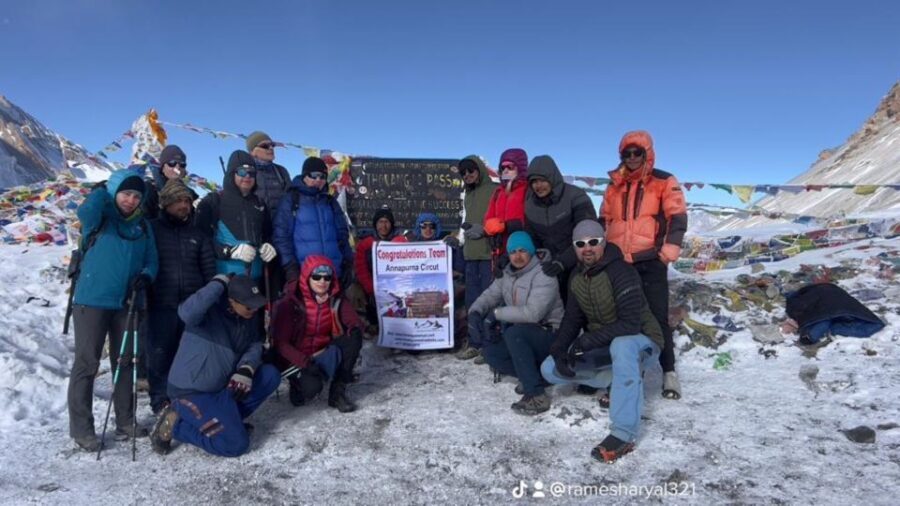
- Thorong La Pass at 5,416m gives you the classic Annapurna Circuit payoff
- Manang acclimatization day helps your body adjust before the high crossing
- Village-to-village travel keeps the days grounded in local culture and routines
- Tea house nights mean simpler comfort up high, not fancy hotel life
- Careful logistics (like organized transfers and luggage handling) keep you from sweating the small stuff
Thorong La Pass at 5,416m: why this trek is the real deal
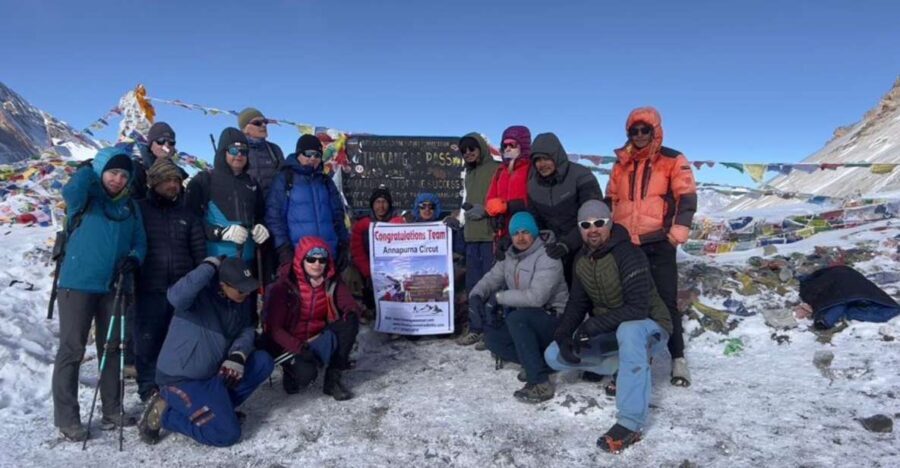
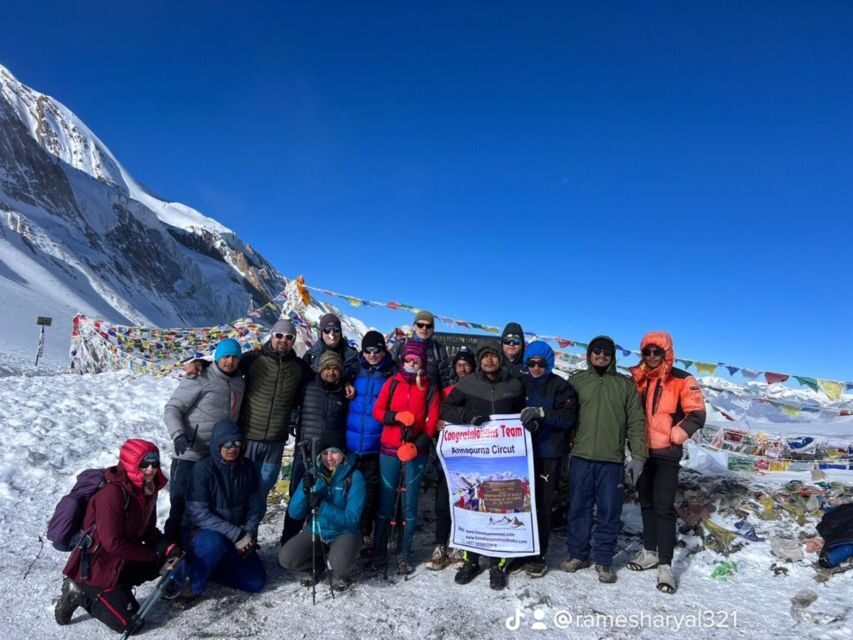
The Annapurna Circuit is often sold as a scenic loop. True. But the reason people remember this version is the Thorong La crossing. At 5,416m / 17,769 ft, it’s not just a checkbox. It’s a physical day, a weather lottery, and a mental moment all at once.
On the crossing day, you’ll start early from Thorong Phedi and push up to the pass before descending toward Muktinath. That early departure matters. In the mountains, light and visibility can change fast. The colder it gets, the more your layers matter. And when the wind shows up, it’s not polite.
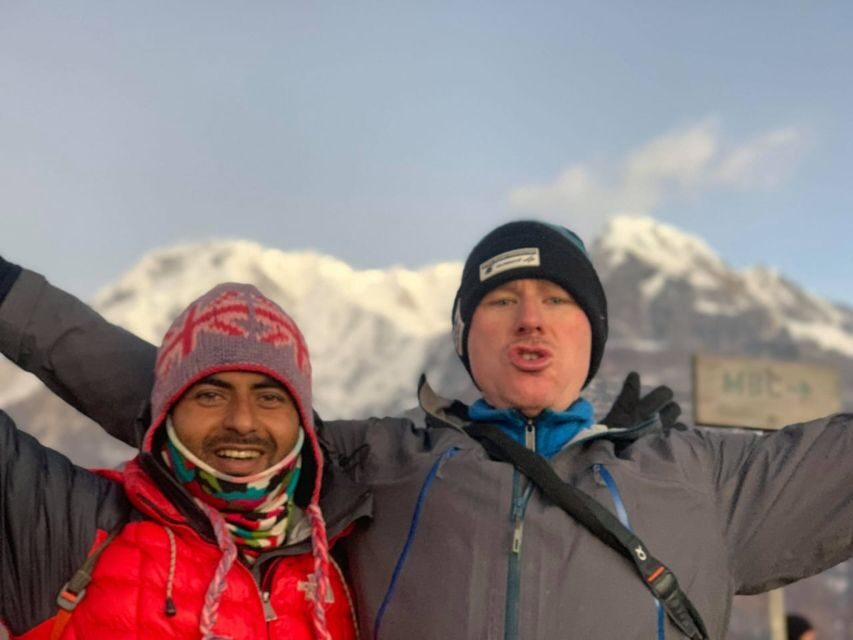
This is also where good guidance makes a real difference. In a mountain setting, the best guides don’t just point forward. They watch how you’re breathing, help you pace, and keep you calm when the altitude gets bossy. Guides mentioned with this operator style, like Mahesh, are specifically associated with altitude-sickness awareness and timing adjustments that help hikers take the crossing seriously without rushing.
You can also read our reviews of more hiking tours in Kathmandu
Kathmandu to Dharapani: getting your legs ready (without wasting a day)
Your trek starts with a transfer day, not a big hike. You’ll travel from Kathmandu to Besisahar by bus, then continue to Dharapani by shared Jeep. Expect a long day on the road, around 10 hours total, depending on conditions and stops.
Why this matters: it lets you ease into Nepal slowly. You’re not jumping straight into altitude on day one. Instead, you land at Dharapani (1,800m) and settle in for your first night before the walking begins.
This also helps logistics. Even if you’re eager to start, you’re better off arriving rested. And since luggage handling and storage are part of the setup, you won’t be dragging everything you own up and over the Himalaya.
Dharapani to Chame: forests, bridges, and the first real climb
Day 2 is a 6-hour trek from Dharapani to Chame at 2,670m. The route climbs through forests and includes suspension-bridge crossings. That’s a good first-week pattern: movement that feels varied, not monotonous.
Chame is where the trek begins to feel more distinctly Himalayan. You’ll notice the air changes. The villages start looking more “settled for trekkers,” with guesthouses and trail life baked into everyday rhythm. It’s a helpful transition from the road-world into the walking-world.
If you want to do well on this day, pace your breathing early. The climb is gradual, but you’re still going uphill for hours. Bring sunscreen. The sun reflects off the mountains even on days that don’t feel scorching.
Chame to Upper Pisang and Manang: views start getting serious
Day 3 takes you from Chame to Upper Pisang (3,300m). It’s another 6-hour trek that builds height while you move into a more open zone. Upper Pisang is described as a picturesque village, and it’s exactly that: a place where the mountains begin showing themselves with more drama, not just in the distance.
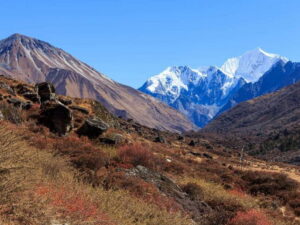
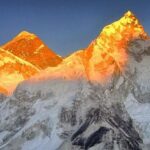
Day 4 continues to Manang (3,540m), about 6 hours. This is where the scenery gets big enough to distract you from your legs—Annapurna II, Annapurna III, and Gangapurna are part of the view picture here.
Manang is also your first “real” altitude checkpoint on this circuit. Even if you’re feeling fine, your body is working harder at higher elevation. That’s why this itinerary includes a full rest day.
The Manang acclimatization day: turning altitude from enemy to math
Day 5 is an acclimatization day in Manang. You rest, you explore the village, and you take in panoramic views while your body catches up.
This is one of the best values of this trek design. An acclimatization day doesn’t just add comfort—it lowers risk by giving your body time to adapt. In real terms, it means you’re more likely to arrive at higher camps feeling steady instead of flat.
What you should do on an acclimatization day:
- Walk a bit if you feel good, but don’t sprint for big gains.
- Hydrate and eat normally for altitude.
- Watch your sleep. If you sleep poorly, take it as a signal to slow down.
This is also a day where a great guide earns their keep. Experienced guides in this operator style are known for managing altitude carefully and adjusting plans when needed, which is exactly what you want before the high crossing.
Manang to Yak Kharka to Thorong Phedi: the high-alpine quiet
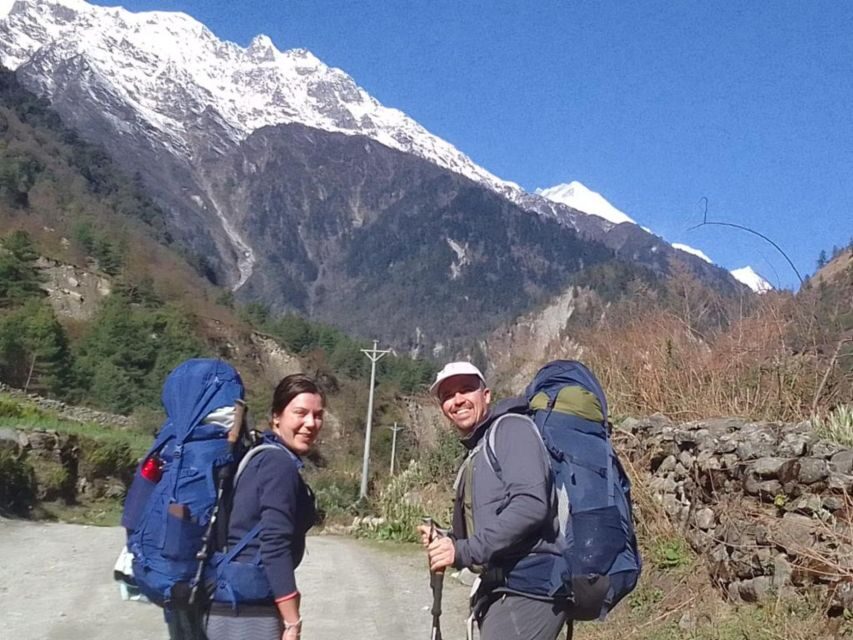
Day 6 runs from Manang to Yak Kharka (4,050m), around 6 hours. Yak Kharka is a grazing pasture surrounded by mountains. The feel changes again—less village energy, more open high-country stillness.
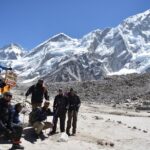
Day 7 goes from Yak Kharka to Thorong Phedi (4,450m) for another 6-hour trek. Thorong Phedi is your base before the pass. It’s where you stop “touring” and start preparing.
On these high days, trail conditions can also feel more serious. Wind can show up without warning. Temperatures drop quickly after sunset. This is where your packing list becomes real life: warm jacket, hat, sunglasses, flashlight/headlamp, and a reliable water plan.
Also: don’t assume that just because it’s quiet it’s easy. The air is thinner, and the terrain can feel harsher even when the trail looks straightforward on a map.
Thorong La Pass to Muktinath: the long day with a spiritual landing
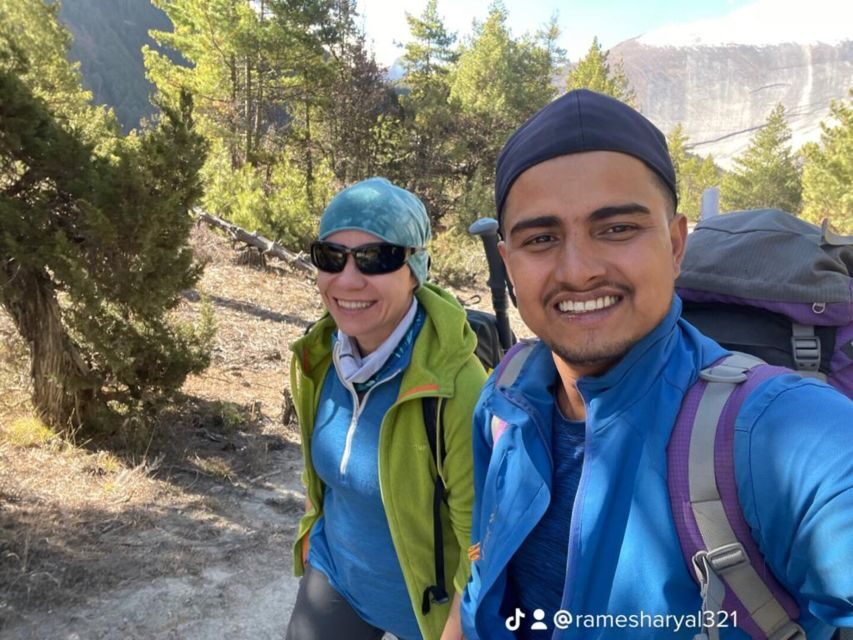
Day 8 is the big one: Thorong Phedi to Muktinath via Thorong La Pass (5,416m). The walk time can be around 12 hours. Yes, that’s long.
The structure is simple:
- Early ascent to the pass for the payoff views.
- A steep-feeling descent down to a lower elevation.
- Arrival at Muktinath (3,800m), where the trek ends for the day.
Why Muktinath matters: it’s a sacred pilgrimage site for Hindus and Buddhists, and that gives the place more meaning than a random stop. The atmosphere tends to feel focused and reverent, even for hikers who are just trying to warm up and eat.
If you’re worried about the long day, don’t be. Preparation is what reduces stress. You’ll want to start fast in the sense of being ready—layers on, gloves sorted, water strategy in place—then slow your pace to a steady rhythm. The goal is consistent movement, not drama.
Muktinath to Jomsom: arid Mustang vibes and a noticeable climate shift
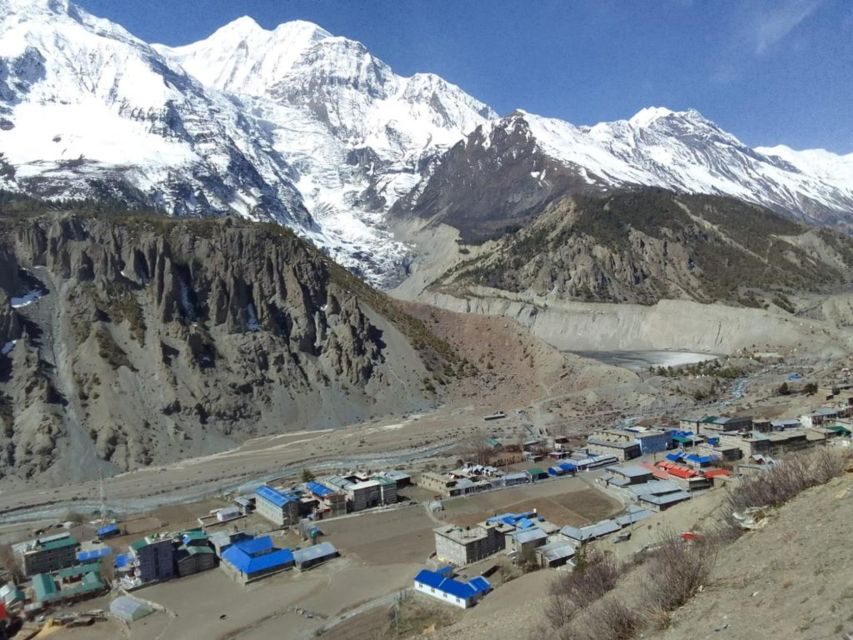
Day 9 brings you down to Jomsom (2,720m) in about 5 hours. The scenery changes again, and you’ll feel it immediately: you move into a more arid, desert-like terrain vibe typical of the Mustang region.
Jomsom is also a windy town. That’s not a minor detail. Wind is cold. Wind is also why your layers should be flexible: you want warmth without sweat chaos.
This day is a good moment for your body. You’re descending, you’re dropping altitude, and you can treat this as recovery time—eat well, drink, and get sleep early so day 10 feels easy.
Jomsom to Pokhara: mountains out, comfort in
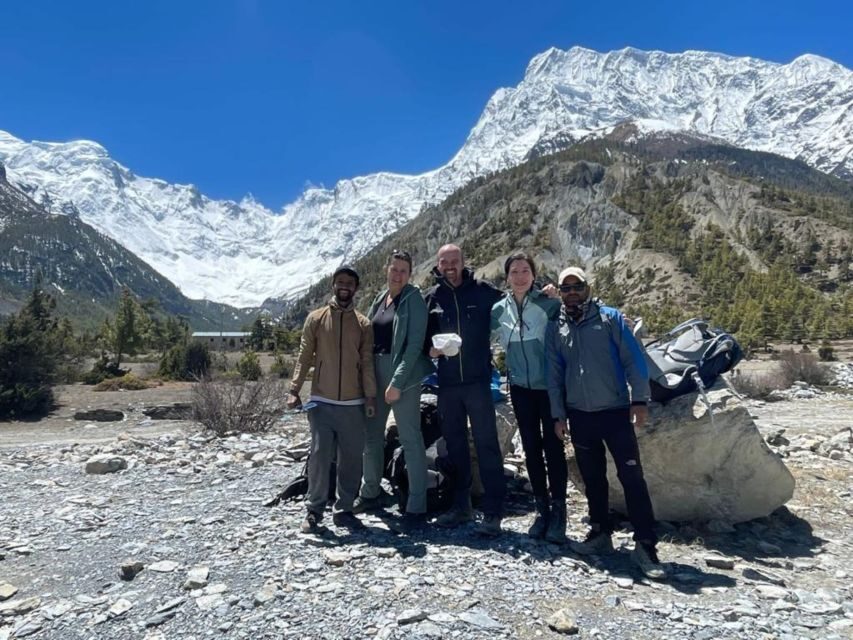
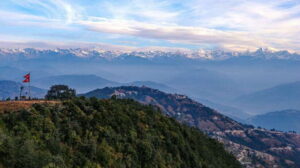
Day 10 is about 8 hours by bus from Jomsom to Pokhara. You’ll get mountain views along the way, then you land in a city made for relaxing after the trail.
Pokhara also gets a special nod in the included package: the last night is in a tourist-standard luxury hotel, Hotel Orchid, plus a farewell dinner in Lakeside Pokhara.
This is the part of the trek where you’ll notice what you’ve actually done. The air outside the mountains feels warmer. The pace feels slower. And you’ll be grateful for a bed that doesn’t require you to interpret every creak as weather.
Guide and behind-the-scenes logistics: the small stuff that saves your energy
A trek like this lives or dies on organization. You don’t want to spend your mental power tracking permits, finding guesthouses, or wondering where your extra items went.
This operator includes:
- An authorized English-speaking guide
- Trek permits and paperwork, including TIMS/Trekkers’ Information Management System fees
- All meals during the trek under the full package option
- Accommodation for 9 nights on the route
- Luggage storage facility
- Transportation as scheduled across Kathmandu, Besisahar, Dharapani, and back from Jomsom to Pokhara
- An included AC bus from Pokhara to Kathmandu (luxury sofa seater tourist AC)
From the guide styles associated with this team, what stands out is how they manage people. Keshab is described as knowing how to balance talking with giving you silence for nature time. Mahesh is associated with altitude-sickness risk awareness and helping hikers take it slower when needed. And the coordinator behind the scenes—often named Ramesh—is described as responsive and helpful when travel plans get complicated.
There’s also a practical detail that matters: one traveler shared that an extra bag was transported from Kathmandu to Pokhara while they were trekking. That’s the kind of behind-the-scenes problem-solving you don’t want to handle yourself while your brain is focused on altitude.
Lodging and food: what comfort looks like on the Annapurna Circuit
Up on the Annapurna Circuit, expect tea house / guesthouse basics for most nights. That’s part of the deal. The aim is clean sleeping space, warm enough rooms for the conditions, and food that keeps you moving.
Meals during the trek are included for the full package option. Local food like dal bhat (lentils and rice) is a common go-to because it’s steady fuel at altitude. Other options may be available depending on the village, but don’t count on restaurant-quality variety every day.
A balanced note: tea houses can vary. You’ll do better if you bring your own patience. You’re hiking, not dining. Still, guides with this operator style have been described as paying attention to food quality and safe preparation, which is exactly what you want when you’re earning elevation the hard way.
Gear and packing: your list is the difference between fine and miserable
You’ll need mountain basics, even if you think you’re a carry-light person. For this trek, plan on:
- Warm layers (jacket, hat)
- Sleeping bag
- Comfortable hiking shoes
- Socks (extra pairs help)
- Sunscreen and sunglasses
- Daypack
- Flashlight/headlamp
- Water (and a plan to keep it safe)
- First aid kit and basic trekking gear
- Camera (because Thorong La views make you stop being productive)
A practical tip: the cold can hit even when days look sunny. Layers are your best friend. And keep your essentials easy to grab when you’re starting early for the pass.
If you’re short on gear, some people arrange rentals in Kathmandu and then coordinate returns. One example in the guide network is someone who rented sleeping bags in Kathmandu and had them handled afterward, which is a nice reminder: your provider can help with small logistics if you ask.
Price and value: what $467 buys, and what costs can still pop up
The stated price is $467 per person for the 10-day experience. Here’s how to judge value without getting fooled by a single number.
You’re paying for:
- Transfers (bus and shared Jeep) across major route segments
- Permits and paperwork fees
- English-speaking guiding support
- 9 trek-night accommodations plus Hotel Orchid in Pokhara
- Luggage handling and storage
- Meals during the trek (for the full package option)
- An included farewell dinner in Lakeside Pokhara
What can add cost:
- Porter is mentioned as an extra charge (the guide is included)
- Travel and rescue insurance is not included
- Personal expenses (phone calls, laundry, bar bills, battery recharge, bottled/boiled water, showers)
- Soft and hard drinks
- Extra nights in Kathmandu or Pokhara outside the scheduled itinerary
- International flights and Nepal visa fee
So the value question is this: do you want your risk and planning stress taken off your plate? If yes, this package structure makes sense. If you’re the type who loves handling every detail yourself, you might compare item-by-item and find cheaper options, but you’ll be trading convenience for effort.
Who this trek suits best (and who should skip it)
This is best for hikers who:
- Want a real challenge with a pass at 5,416m
- Are comfortable with multi-day walking (including a possible 12-hour day on crossing)
- Like village stops and cultural routines, not just scenery for scenery’s sake
- Prefer guided logistics with an English-speaking team
It’s not suitable for pregnant women, based on the provided activity details.
Should you book this 10-day Annapurna Circuit trek?
I’d book this trek if your goal is the classic Annapurna Circuit experience with a strong structure: clear stage-by-stage trekking days, an acclimatization day in Manang, and a guided push over Thorong La.
I’d be cautious if you’re not ready for the reality of one very long, high-altitude day. Plan for weather changes. Bring layers that can handle cold wind. And if you’re the type who hates uncertainty, you should still know that mountains run on their own schedule.
If you want a trek where the human side matters—guides like Keshab and Mahesh are associated with pacing, calm support, and altitude awareness—this is a solid pick.
FAQ
What is the highest altitude on this trek?
The trek crosses Thorong La Pass at 5,416m / 17,769 ft.
How many days is the itinerary?
It’s a 10-day trek from Kathmandu to Pokhara.
Is there an acclimatization day?
Yes. You have an acclimatization day in Manang.
What kind of accommodation will I have during the trek?
You’ll have comfortable accommodation during the trek (9 nights), typically in tea house/guesthouse style. The last night in Pokhara is Hotel Orchid at tourist-standard luxury level.
Are meals included?
Meals are included only for the full package option (breakfast, lunch, and dinner during the trek).
Will I have a guide, and will they speak English?
Yes. The package includes an authorized English-speaking guide (porter charges are extra).
Are trekking permits included?
Yes. Trekking permits, necessary paperwork, and TIMS fees are included.
Is travel and rescue insurance included?
No. Travel and rescue insurance is not included, and high-altitude coverage is important.
Is this trek suitable for pregnant women?
No. It is listed as not suitable for pregnant women.