REVIEW · 6-DAY EXPERIENCES
Kathmandu: 6 Days Langtang Valley Trek with Kyanjin Ri
Book on GetYourGuide →Operated by MTA Trekking Pvt. Ltd. · Bookable on GetYourGuide
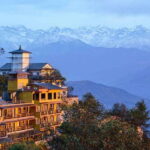
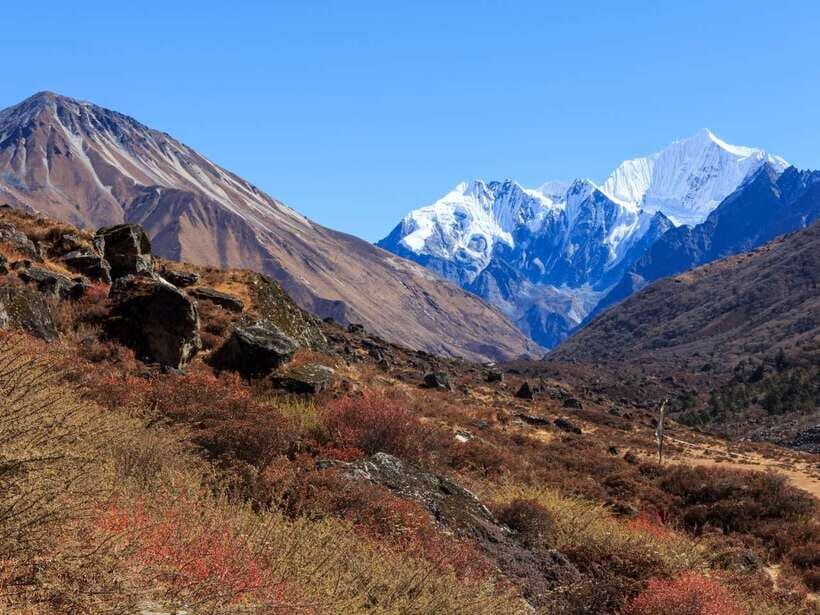
Langtang Valley can feel like a postcard you can walk into. This 6-day trek brings you from the drive-in gateway to Kyanjin Gompa and, if you choose, the high sunrise payoff of Kyanjin Ri. You’ll also spend real time with the Tamang community, not just pass through on the way to a view.
Two things I really like: the mix of ancient monasteries and everyday village life, including a cheese-tasting stop near Kyanjin Gompa, and the way your guide keeps the trek feeling manageable. Names like Ghanshyam and Sudarshan show up in client stories, and the common thread is pace control and calm check-ins when you’re heading uphill.
One consideration: altitude is serious. You reach about 3,870m at Kyanjin Gompa and go higher if you hike to Kyanjin Ri (4,770m). Even if you feel fine at first, you should be ready for AMS symptoms like headache, nausea, fatigue, or loss of appetite.
In This Review
- Key highlights worth your attention
- Why Langtang Valley feels like a smarter Himalayan trek
- Kathmandu to Syabrubesi: the launch point that sets the tone
- Days 1–2: river trail comfort to the higher forest benches
- Day 3 at Kyanjin Gompa: monasteries, Tamang culture, and a real-world stop
- Day 4 optional Kyanjin Ri: the sunrise climb to 4,770m
- Day 5: Thangsyap back to Syabrubesi, where the trip softens
- Day 6: returning to Kathmandu and what to do with your last hours
- Gear, altitude, and how to stay comfortable on real mountain days
- Price and value: what $179 buys you (and what it doesn’t)
- Who should book this trek, and who might want a different route
- Should you book this Langtang Valley trek?
- FAQ
- What are the highest points on this trek?
- Do I need a guide?
- Are meals included?
- What’s included in the price?
- What’s not included?
- What should I bring for the trek?
- Is altitude sickness a concern?
- Is there free cancellation?
Key highlights worth your attention
- Kyanjin Ri sunrise option to 4,770m: early start, tough climb, big panoramic reward if conditions are clear
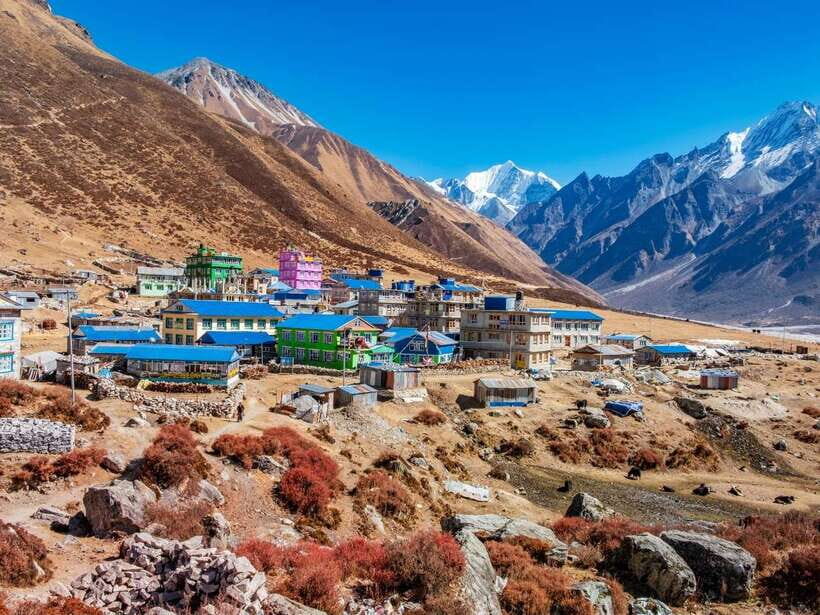
- Kyanjin Gompa monastery + cheese tasting: a culture stop that feels practical, not staged
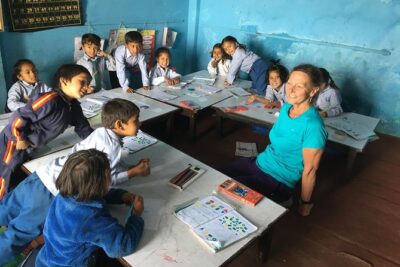
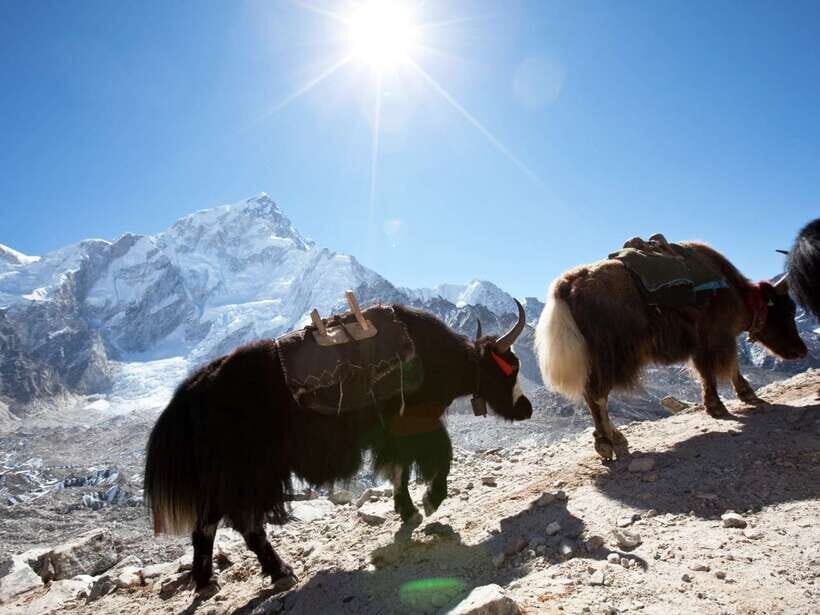
- Tamang villages all the way through: you see how people live and worship in the Langtang region
- English-speaking guide (Hindi also): helpful for pacing, route context, and questions on the trail
- Private trek feel with shared road transfers: less crowd pressure once you’re walking, more comfort on the logistics
- Permits and paperwork handled: you can focus on walking instead of hunting documents
Why Langtang Valley feels like a smarter Himalayan trek
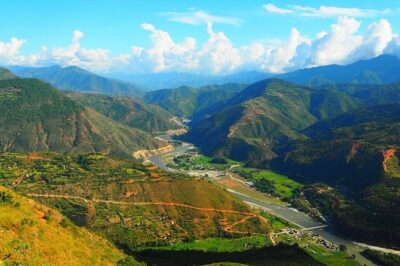
If you’re choosing between a short Nepal trek and something that still feels truly mountainous, Langtang often hits a sweet spot. In just 6 days, you get a full rhythm of trekking: river trail walking, village days, monastery time, and that one “you earned this” viewpoint push at the end.
What makes this route especially appealing is that it’s not only about altitude numbers. The trail is built around human-scale stages and cultural waypoints. Kyanjin Gompa is the anchor. It’s high enough to feel remote, but close enough to base the optional hike to Kyanjin Ri without turning the whole trip into one nonstop grind.
Also, the practical planning matters. The trek includes trekking permits, the required paperwork, and the Trekkers’ Information Management System fee(s). That combination reduces friction when you’re trying to enjoy the mountains instead of worrying about admin.
You can also read our reviews of more hiking tours in Kathmandu
Kathmandu to Syabrubesi: the launch point that sets the tone
Your trip starts with hotel pickup in Kathmandu. You wait in the lobby about 10 minutes, and the driver holds a sign with your last name. That small detail matters because first-day travel in Nepal can be chaotic, and you want your group to be moving fast.
Then comes the drive from Kathmandu to Syabrubesi, the classic gateway to the Langtang Valley trek. The point of this leg isn’t sightseeing for sightseeing’s sake. It’s a reset: you trade city air for mountain roads and get a gentle transition before you start hiking.
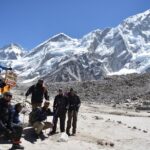
On Day 1, you begin trekking after arriving and head toward Pahiro at about 1,550m, following the Langtang River. I like this structure for first-timers because the early walking is less about suffering and more about learning trail basics. You also pick up the “language” of the region: forest paths, local village life, and how sound changes as you go higher.
You sleep at Pahiro on Day 1, which means you’re not rushing the next day at a huge elevation jump.
Days 1–2: river trail comfort to the higher forest benches
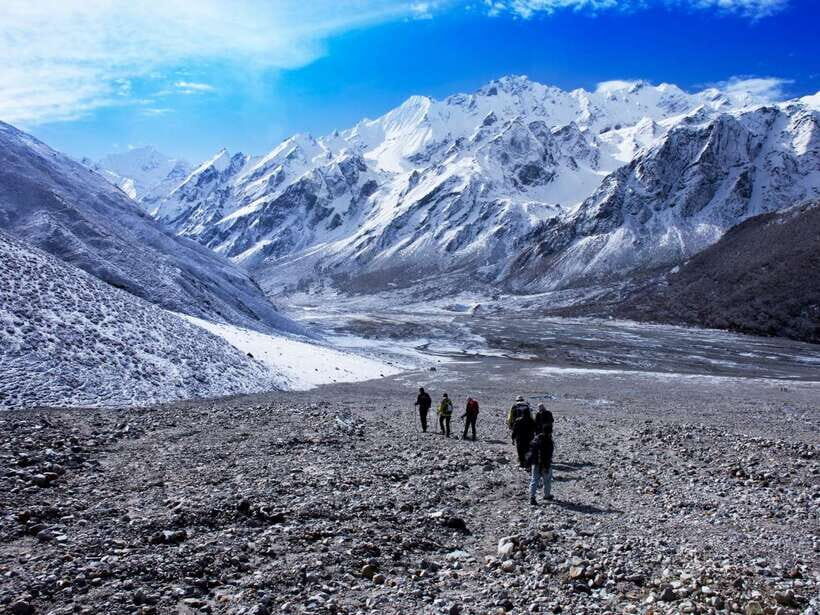
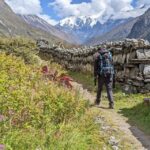
Day 2 takes you from Pahiro to Ghoda Tabela around 2,900m. This is where the trekking begins to feel more Himalayan. You leave the lower river ambience for higher walking, with more time in forests and more chances for mountain glimpses.
The route includes village crossings and waterfall views along the way. That’s a good mix. It keeps the day from turning into one long line of single-file hiking where your mind starts counting hours too early.
A big value here is the rhododendron forest feel described for the valley trails. In the right seasons (mid-March to April, and again in autumn), that forest atmosphere can change the entire mood of a hike. Even if you don’t get full blooms, you still get that mountain-green walking feel.
You end Day 2 in Ghoda Tabela. The practical benefit of an overnight stop at this height is acclimatization pacing. It helps your body adjust before the steeper push toward Kyanjin Gompa.
Day 3 at Kyanjin Gompa: monasteries, Tamang culture, and a real-world stop
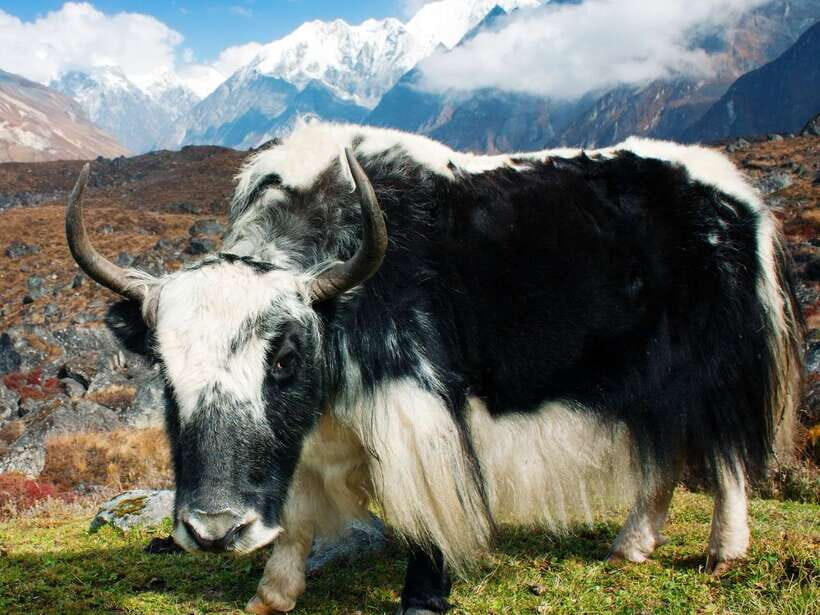
Day 3 climbs from Ghoda Tabela to Kyanjin Gompa at about 3,870m. This is the day where Langtang stops feeling like a trek through a valley and starts feeling like a trek into a high-altitude community.
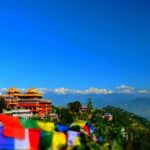
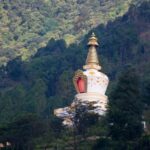
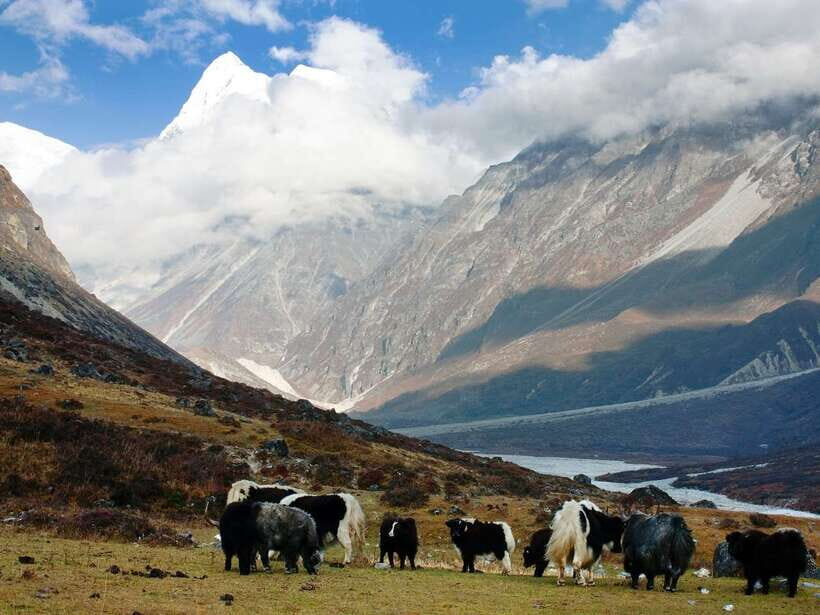
You’ll trek toward a traditional Himalayan village surrounded by towering peaks, with plenty of Tamang culture visible along the path. When you reach Kyanjin Gompa, you don’t just “arrive and leave.” The time on the ground is part of the experience:
- explore ancient monasteries
- visit the local cheese factory
- meet friendly locals
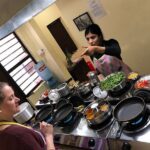
That cheese factory stop is worth treating like a cultural moment, not a snack break. It connects food, livelihood, and altitude life. You also get something many treks lack: a tangible reason to slow down once you’re at elevation.
Even better, your sleeping night at Kyanjin Gompa gives you time to settle. That matters if you’re altitude-sensitive. If you feel strong, you’ll explore. If you feel cautious, you can rest without feeling like you’re failing at the itinerary.
Day 4 optional Kyanjin Ri: the sunrise climb to 4,770m
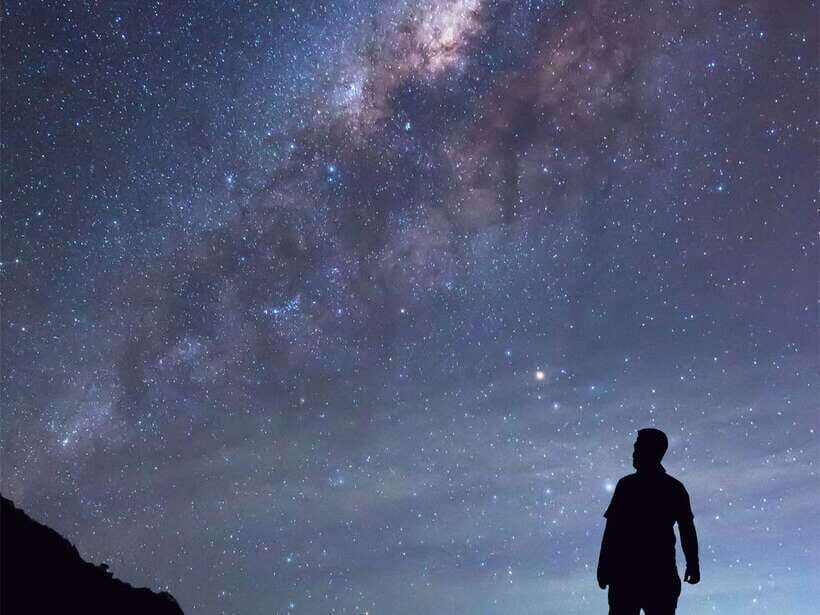
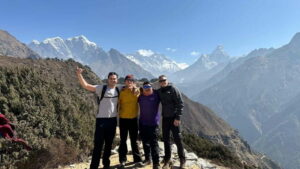
Day 4 is built around an optional push to Kyanjin Ri at 4,770m, with the day ending at Thangsyap around 3,200m. This is the trek’s headline moment.
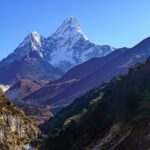
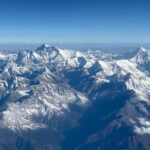
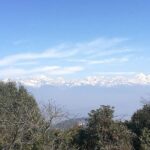
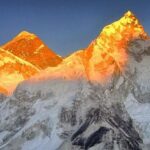
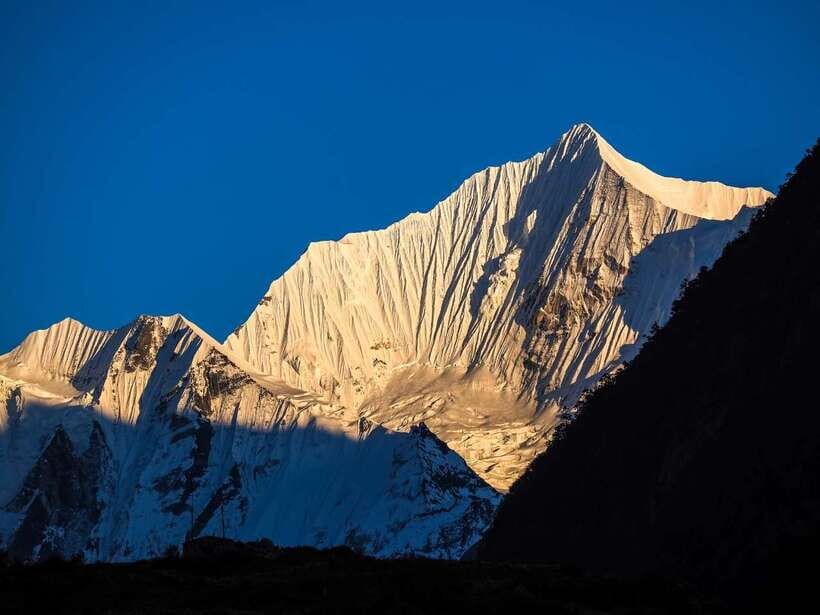
The hike is described as challenging, but the reward is panoramic: snow-covered peaks and glacial-valley views. In clear conditions, it’s also one of the best times to spot wildlife along the route to the viewpoints.
A practical tip: treat this day like a mission, not a casual walk. You’re starting early, climbing high fast, and then descending back to a lower overnight. Even if you don’t go for the summit-style effort, the decision-making is still worth getting right.
If you go up, plan to move steadily and conservatively. The itinerary itself notes altitude affects everyone differently and highlights AMS symptoms. So if you start feeling off—headache, nausea, unusual fatigue—don’t “push through” to prove a point. The smart move is to adjust or turn around based on how you feel.
After the viewpoint time, you retrace steps and descend to Thangsyap for the overnight. This back-and-down pattern is helpful. It gives you a satisfying finish to a high day without adding another overnight at extreme altitude.
You can also read our reviews of more tours and experiences in Kathmandu
Day 5: Thangsyap back to Syabrubesi, where the trip softens
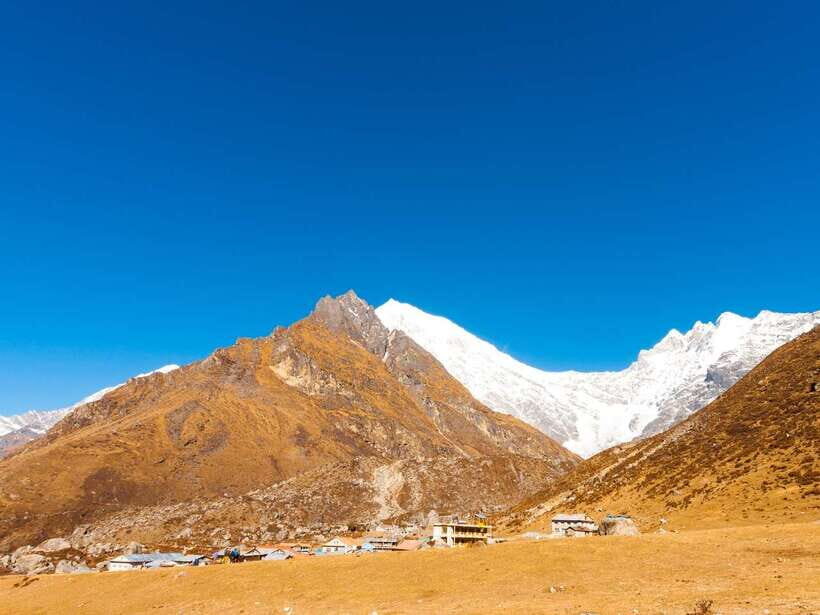
Day 5 takes you from Thangsyap back down to Syabrubesi at about 1,550m. This is often the day where people feel the mental shift: the valley starts to feel familiar, and your pace usually steadies.
You’ll follow scenic forests and walk alongside the tranquil Langtang River. That combination does two things: it lets you enjoy the scenery without the heavy effort of uphill days, and it gives your body a chance to recover from the higher-altitude push.
If you want a little “memory management,” this is the day. Stop more often. Take in details. You’ll likely remember the big viewpoint, but the river walk and forest air are what make the trek feel like a complete story.
Overnight in Syabrubesi sets you up for the final travel day.
Day 6: returning to Kathmandu and what to do with your last hours
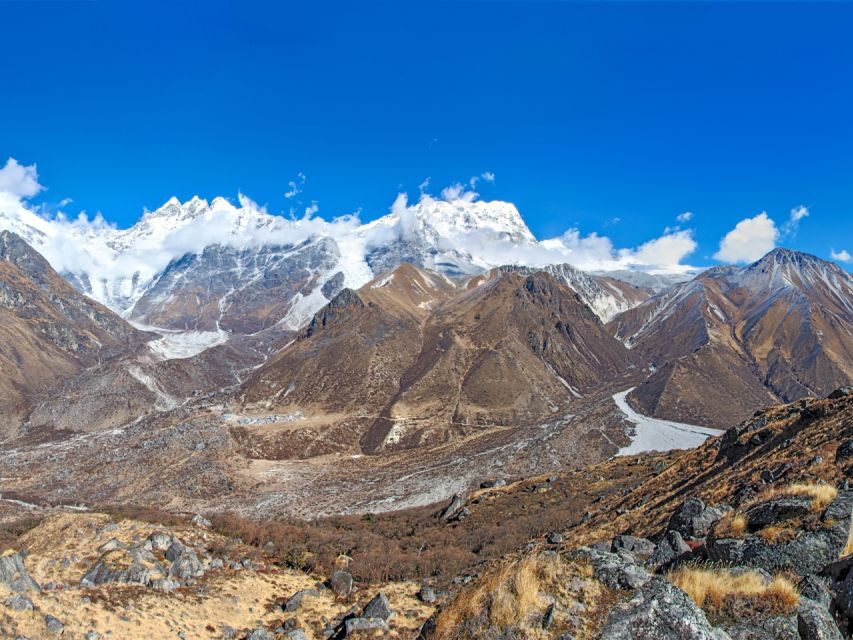
On the last day you drive back to Kathmandu. The trek ends with that classic moment: your body is tired, but your head feels busy with images and small moments—monasteries you saw up close, the feel of early steps on a cold morning, conversations along the trail.
This is the time to treat Kathmandu as a recovery stop, not another adventure. If you can, keep your plans gentle for the day after. Your itinerary doesn’t build extra Pokhara or other sidetrips, and that’s intentional. The focus stays on the Langtang trekking circuit.
Gear, altitude, and how to stay comfortable on real mountain days
The basic packing list is straightforward, and you should respect it. Bring:
- passport or ID card
- sleeping bag
- flashlight
- sunscreen, sunglasses
- hiking shoes, gloves
- jacket, trekking gear
- water
The sleeping bag note is important. Many trekking outfits expect you to have one ready for colder nights at elevation. If you rely on borrowed blankets, you might still get cold.
Altitude safety isn’t optional here. The trek notes risk of AMS symptoms if you ascend too rapidly. That doesn’t mean panic. It means you should take rest seriously and use the guide’s pacing approach.
One more small rule that helps the whole trip go smoother: alcohol and drugs are not allowed. That keeps your sleep and hydration steadier, especially during high-altitude days.
Finally, weather can change. The itinerary may shift due to weather or seasonal factors. You’ll be happier if you don’t build your whole trip around a single “perfect weather” fantasy.
Price and value: what $179 buys you (and what it doesn’t)
At $179 per person for a 6-day trek, the real question is what you’re getting for that money beyond “a place on a schedule.”
Included value you actually feel:
- hotel pickup and drop-off in Kathmandu
- authorized English-speaking guide (porter charge extra)
- trekking permits and paperwork plus the Trekkers’ Information Management System fees
- private comfortable accommodation for 5 nights
- all meals during the trek for the full package
- luggage storage facility
- staff expenses covered (meals, accommodation, salary, equipment, insurance, transportation)
What’s not included is also clear, and you should plan for it:
- soft and hard drinks
- travel and rescue insurance
- international flights and Nepal visa fee
- personal expenses (phone calls, laundry, battery recharge, extra porters, bottle or boiled water, shower items if any, and general small costs)
To me, the value looks strongest if you appreciate two things: you want someone to handle documentation and route coordination, and you want meals taken care of while you walk. If you prefer cooking for yourself or you’re already traveling with your own guide and gear plan, the full-package structure might feel like less of a bargain. But for most people, $179 is a reasonable way to buy safety, logistics, and steady food during a remote trek.
Who should book this trek, and who might want a different route
This trek fits best if you want:
- a manageable trek duration (6 days) with a clear rhythm
- a real cultural stop at Kyanjin Gompa (monasteries plus a cheese factory visit)
- the option to turn the dial up with Kyanjin Ri
- a guide who works with your pace and asks questions as you go (this comes up strongly in guide stories tied to the route)
It’s also a good choice for people doing a first long trek because the itinerary includes recovery-friendly structure: river walking early, forest day at mid-elevation, then an acclimatization-aware climb.
It may be a worse fit if you:
- don’t handle altitude well and can’t commit to an optional higher climb
- want a fully self-guided experience (a guide is part of the plan)
- are relying on cheap improvisation for equipment like a sleeping bag and hiking footwear
Should you book this Langtang Valley trek?
If you want a Himalayan trek that’s short enough to actually finish feeling proud, this is a strong pick. The combination of Kyanjin Gompa culture plus an optional Kyanjin Ri panoramic push gives you two kinds of payoff: meaningful on-the-ground moments and a big viewpoint day.
I’d book it if you’re the type who appreciates good pacing and wants logistics handled: permits, paperwork, guides, meals, and overnight stays are taken care of. I’d hesitate only if altitude anxiety is high for you, because the trip goes above 3,800m, and the optional climb reaches 4,770m.
FAQ
What are the highest points on this trek?
You reach around 3,870m at Kyanjin Gompa. The optional hike to Kyanjin Ri goes up to about 4,770m.
Do I need a guide?
Yes. The trek includes an authorized English-speaking guide. A porter can be added, but the porter charge is extra.
Are meals included?
Meals are included during the trek for the full package, covering breakfast, lunch, and dinner.
What’s included in the price?
The package includes Kathmandu hotel pickup and drop-off, trekking permits and paperwork (including TIMS fee), private comfortable accommodation for 5 trek nights, luggage storage, transportation as per the itinerary, and all staff expenses.
What’s not included?
Not included are soft and hard drinks, travel and rescue insurance, international flights, Nepal visa fee, and personal expenses like phone calls, laundry, bar bills, battery recharge, extra porters, and water-related costs.
What should I bring for the trek?
Bring passport or ID card, sleeping bag, flashlight, sunscreen, hiking shoes, gloves, water, jacket, trekking gear, and sunglasses.
Is altitude sickness a concern?
Yes. Altitude affects everyone differently, and there is a risk of AMS symptoms such as headaches, nausea, fatigue, or loss of appetite if ascent is too rapid for proper acclimatization.
Is there free cancellation?
Yes. You can cancel up to 24 hours in advance for a full refund.