REVIEW · 6-DAY EXPERIENCES
Kathmandu: 6-Day Limitless Langtang Trek
Book on GetYourGuide →Operated by Himalayan Nomad Treks Pvt. Ltd. · Bookable on GetYourGuide
Langtang has a quiet kind of wow. This 6-day Kathmandu to Langtang trek is built for real valley life—forests, village stops, monasteries, and big mountain views—without the crush you can get on other Nepal routes.
Two things I like right away: the mix of culture and scenery (Tamang communities, cheese factory, monasteries), and the fact that it’s a moderate plan that still pushes you to higher viewpoints like Kyanjin Ri. You’ll also get an English-capable guide, and the support in the trip stories is consistent—people felt safe and taken care of.
One consideration: it is not a stroll. You should expect steep segments and long trekking days, and you’ll sleep at high elevations (up to 3,870m) before an optional climb toward 4,770m.
In This Review
- Key things to know before you go
- Langtang Valley: a quieter Himalayan feeling from Kathmandu
- Price and logistics: what $181 buys you (and what it doesn’t)
- From Kathmandu to Pahiro: the day you start walking in forests
- Day 2 to Ghoda Tabela: forests, villages, and waterfall energy
- Kyanjin Gompa at 3,870m: Tamang culture and spiritual stops
- Kyanjin Ri optional climb and Thangsyap (3,200m): where views pay off
- Day 5 down to Syabrubesi: the long descent and the relief of river air
- Day 6 return to Kathmandu: finish with a shared-bus reality check
- Guides on this trek: where the best support shows up
- What to pack for Langtang: cold nights are real
- Who this 6-day Langtang trek suits best (and who should skip it)
- Should you book this Kathmandu to Langtang Valley trek?
- FAQ
- FAQ
- Where do you start and end this Langtang trek?
- How long is the trek?
- What is the highest point on the itinerary?
- How long is the drive from Kathmandu to Syabrubesi?
- How many hours do you trek on Day 1 and Day 2?
- Are meals included in the price?
- What language will the guide speak?
- What’s the lodging situation during the trek?
- Do I need a sleeping bag?
- Is the trek suitable for pregnant women?
Key things to know before you go
- Tamang villages plus monastery time at Kyanjin Gompa, not just trekking scenery
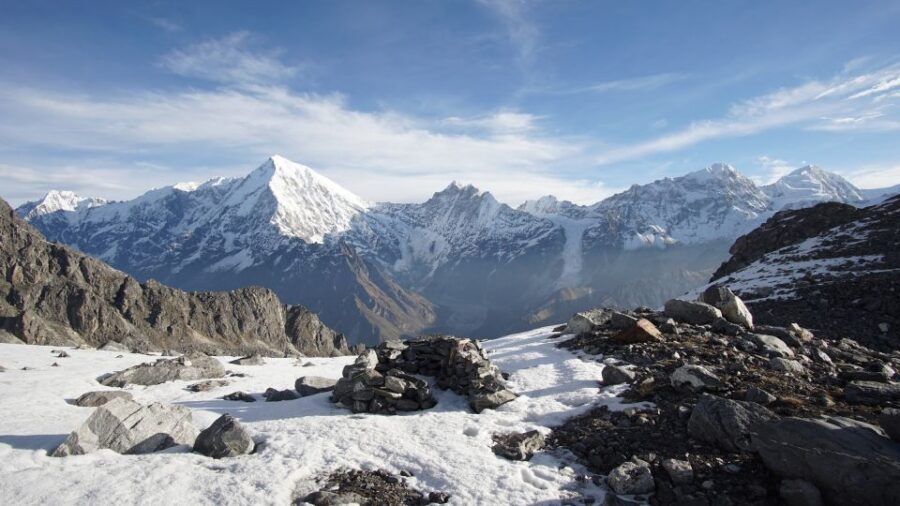
- Optional Kyanjin Ri push to 4,770m for panoramic views and sunrise timing
- Day-by-day plan with real altitude steps, including nights at 3,200m and 3,870m
- Meals and lodging can be fully packaged (for the full package), easing day-to-day decisions
- Guide support matters, with named guides like Niraj, Mahesh Aryal, and Bipin showing up in the experience stories
Langtang Valley: a quieter Himalayan feeling from Kathmandu
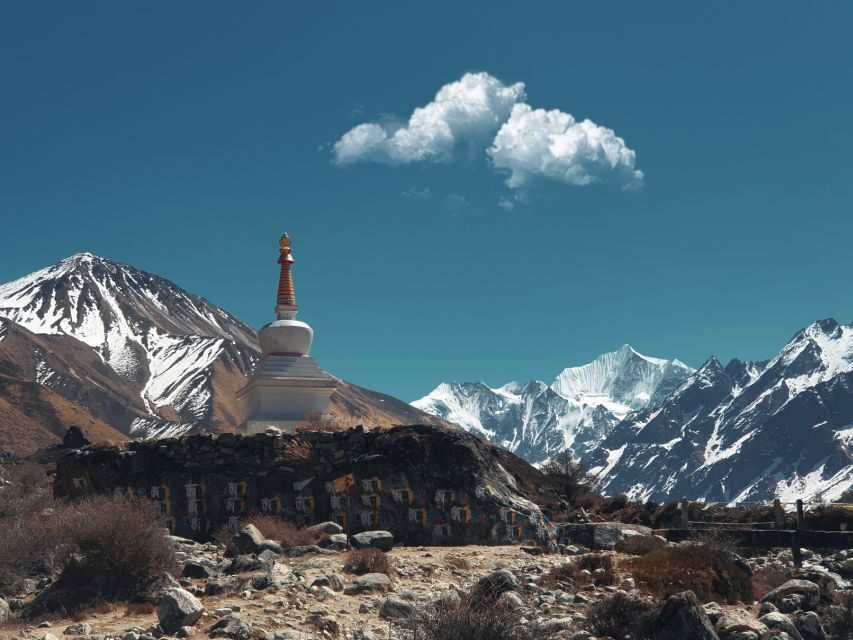
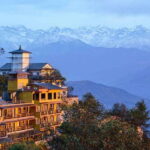
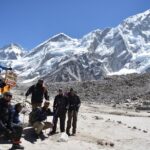
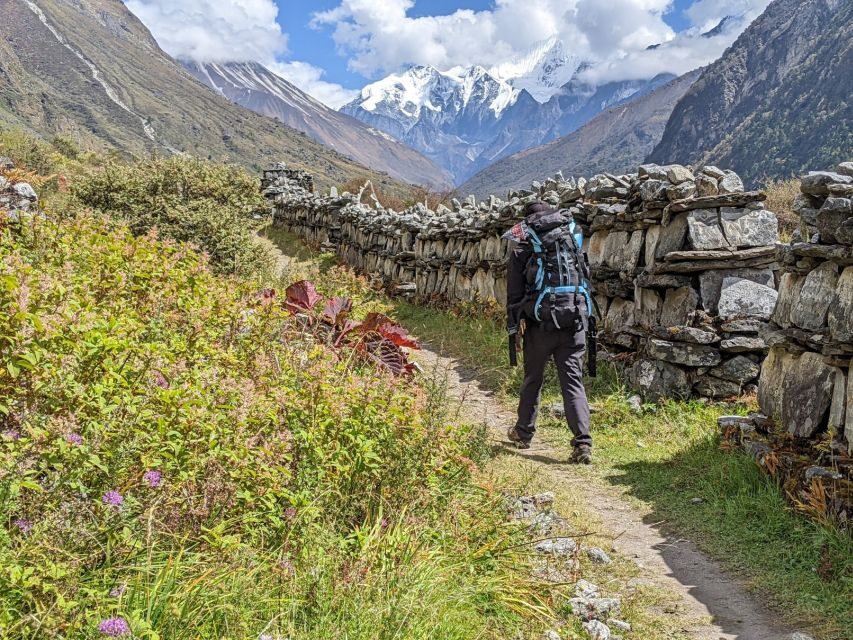
Langtang Valley sits in the Bagmati Zone of Nepal, close enough to reach from Kathmandu but far enough to feel different once you’re on the trail. The tone here is often calm. You walk alongside the Langtang river, pass through forested stretches, and then work your way into higher, colder terrain where village life continues around monasteries and prayer flags.
The best part for me is that Langtang doesn’t feel like a single highlight photo. You get a sequence. Trees and waterfalls early on. Tamang culture in the mid-valley. Then big, open views as you gain altitude and the air tightens.
This trek is also positioned for first-time trekkers who want an authentic Himalayan experience without huge crowds. That doesn’t mean it’s easy. It means the plan is built to be manageable if you pace yourself and you’re comfortable walking for hours each day.
You can also read our reviews of more hiking tours in Kathmandu
Price and logistics: what $181 buys you (and what it doesn’t)
At $181 per person for a 6-day trip, you’re paying for a package that covers the moving parts most people hate to organize in Nepal: pickup and drop-off, permits paperwork, guides, lodging during the trek nights, and trekking logistics.
Here’s what’s included in the package you’re looking at:
- Hotel pickup and drop-off
- An authorized English-speaking guide (porter charge is extra)
- Trekking permits and paperwork, plus the Trekkers’ Information Management System fee(s)
- Private comfortable accommodation for 5 trek nights
- Luggage storage facility
- Transport according to the itinerary (shared bus/bus depending on group size)
- All expenses for staff (their meals, accommodation, salary, equipment, insurance, transport)
- Meals: included only for the Full Package option (breakfast, lunch, dinner during the trek)
What’s not included matters for budgeting:
- Soft and hard drinks
- Travel and rescue insurance
- International flights and Nepalese visa fee
- Personal expenses like phone calls, laundry, bar bills, battery recharge, extra porter help, and things like bottled or boiled water and shower costs
Value takeaway: if you choose the full-meal option and you’re ready to budget for personal items on top, this is the kind of $180-ish trekking package that keeps your daily decisions simple. You’ll still be responsible for your own snacks, drinks, and cold-weather comfort, but the heavy lifting is handled.
From Kathmandu to Pahiro: the day you start walking in forests
Your trip begins with a drive out of Kathmandu toward Syabrubesi, the trail start. The timing is practical: about 6 hours driving, then about 2 hours trekking to your first overnight stop in Pahiro (1,550m).
Day 1 is a gentle on-ramp in comparison to later days. You’ll be in a vehicle for a long stretch, then you transition into walking through forests. You’ll also follow the Langtang river along the way. That matters more than it sounds. Rivers bring a steady rhythm—occasional views, a sense of direction, and a feeling that the valley is already alive even before you’re high enough to see dramatic peaks.
Overnight: Pahiro. It’s your first chance to slow down, eat early, and prep for a longer trekking day tomorrow.
Day 2 to Ghoda Tabela: forests, villages, and waterfall energy
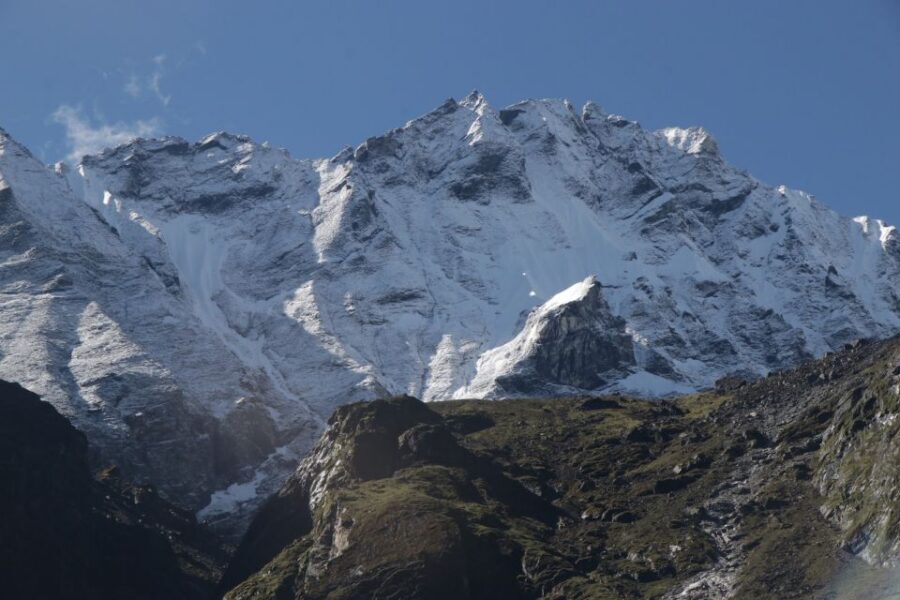
On Day 2 you trek from Pahiro up to Ghoda Tabela (2,900m). The listed effort is around 6 hours trekking, plus it’s a route that keeps you moving through changing scenery.
Expect lush green forest stretches early, then charming villages along the path. The itinerary also points to cascading waterfalls. In real terms, that kind of scenery usually means frequent small breaks: you’ll want to stop, drink, and look around, because the trail gives you more reasons to pause than just distance.
Ghoda Tabela is where you overnight. For many people, this is the first time the trail feels more like a commitment. Plan on taking it slow on the steeper sections and keeping your breathing steady. If you feel rushed, your pace will suffer later. This is a “walk smart, not fast” trek.
Kyanjin Gompa at 3,870m: Tamang culture and spiritual stops
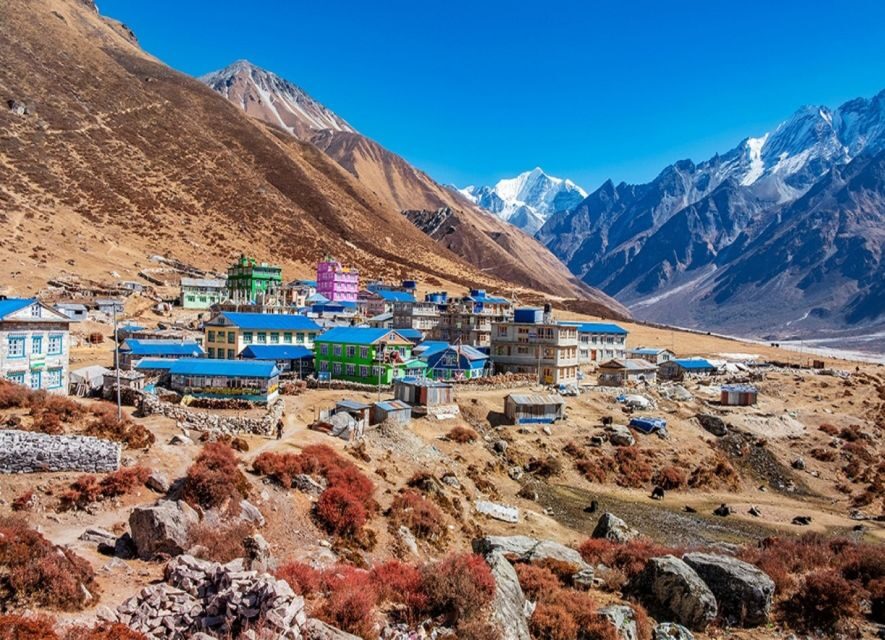
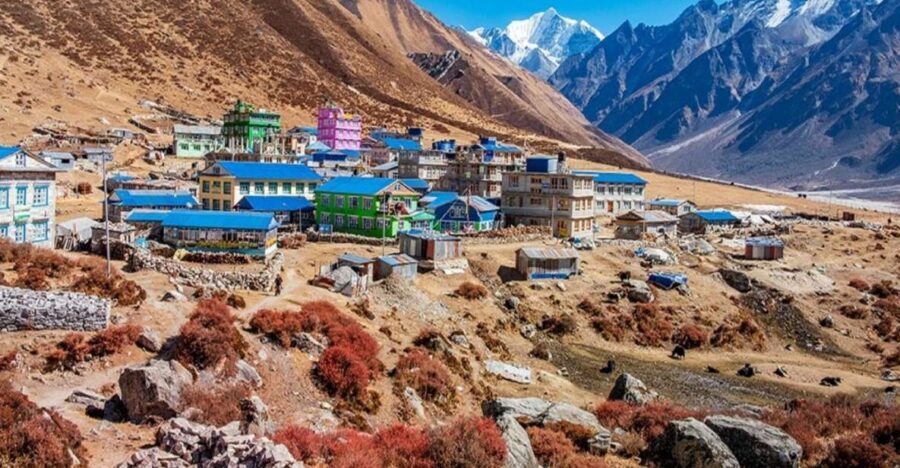
Day 3 takes you higher to Kyanjin Gompa (3,870m). The big shift on this day is that the trek becomes less about forests and more about valley life at altitude.
You’ll reach Kyanjin Gompa with breathtaking mountain views in the background. And this stop isn’t only a viewpoint. It’s also a cultural center.
Here’s what stands out in the experience details:
- You explore the village
- There’s a cheese factory you can see
- You’ll visit monasteries
- You get chances to interact with locals from the Tamang community
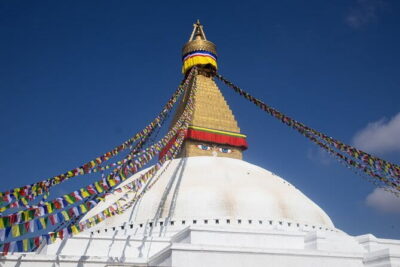
That combination is why this itinerary works so well for people who want more than hiking. You’re not only collecting views. You’re meeting the social fabric that keeps the valley functioning. Monasteries also add a different kind of quiet—time slows down, even when you’re still climbing.
Overnight: Kyanjin Gompa. You’ll likely feel the altitude more here than earlier. Keep hydration steady and don’t confuse altitude discomfort with injury. Pace and warmth are your best tools.
You can also read our reviews of more tours and experiences in Kathmandu
Kyanjin Ri optional climb and Thangsyap (3,200m): where views pay off
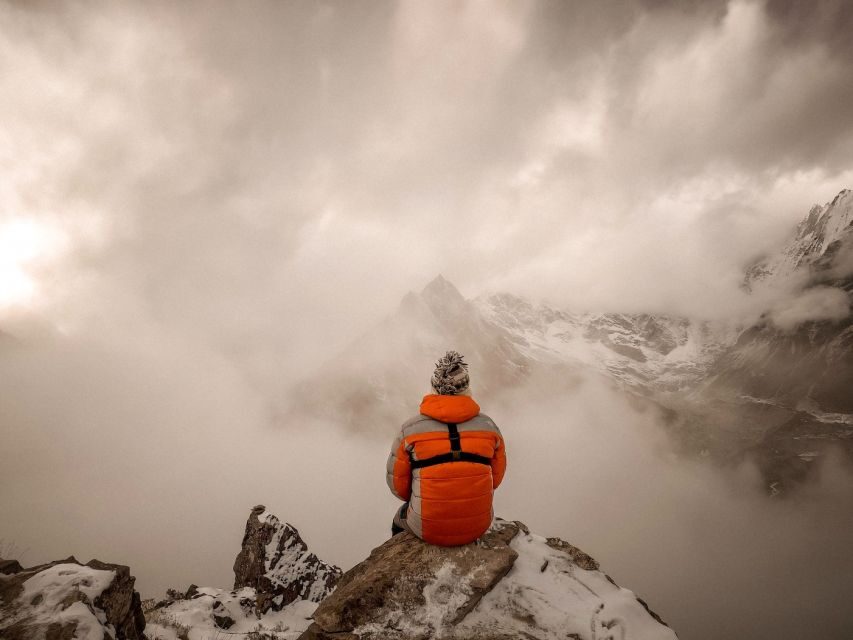
Day 4 is the one that asks for commitment. After reaching the Langtang Village area, the route includes an uphill push toward Kyanjin Ri peak (4,770m). The itinerary notes it as optional for those who find it too hard. Even if you choose to turn back, you’ll still get panoramic viewpoints without forcing yourself into a bad moment.
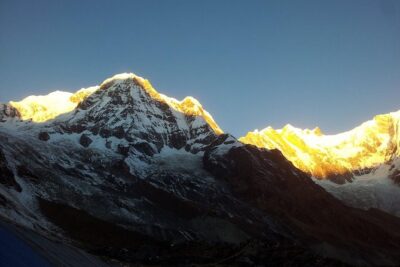
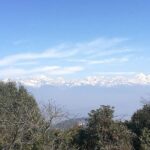
Why do people care about this day? Because the pay-off is the view line over the snow-capped peaks. In the experience stories, reaching around 4,700m and timing the Kyjiang Ri sunrise shows up as a major highlight. If sunrise is on your mind, ask your guide about the safest timing for your group. On these trails, it’s not just about seeing light—it’s about controlling effort while you’re higher and colder.
After the peak time, you trace back and then trek onward to Thangsyap (3,200m) for overnight. That descent-back-up pattern can feel annoying, but it’s practical. You get the high viewpoint experience without changing the whole trip structure.
Overnight: Thangsyap. This is also when the tone turns spiritual again as the itinerary mentions immersing in the atmosphere after conquering the peak. Even if you’re not a religious person, you’ll feel it in the way the village and monasteries behave around dusk—quiet, focused, and human-scale.
Day 5 down to Syabrubesi: the long descent and the relief of river air
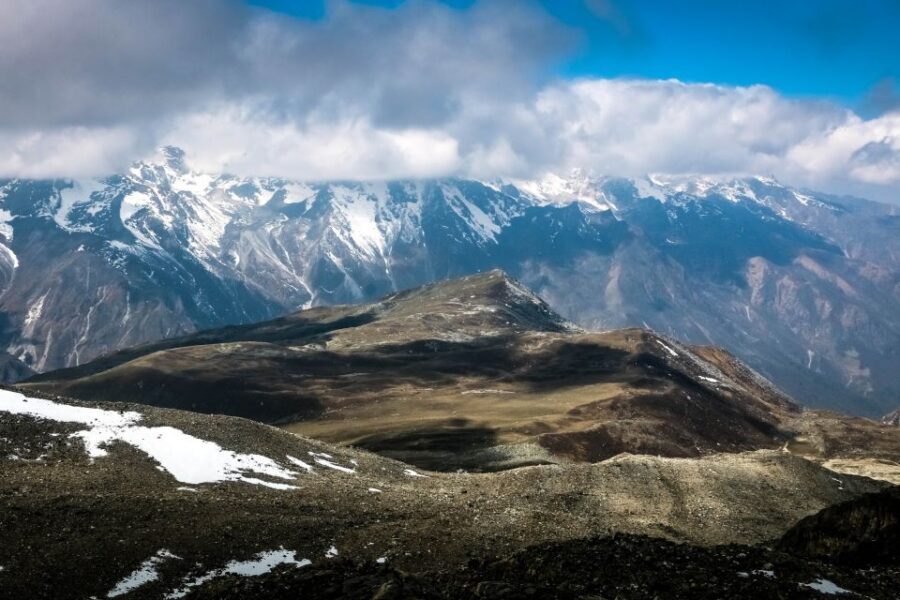
Day 5 runs you from Thangsyap back down to Syabrubesi (1,550m). The plan keeps the trek time heavy: you’ll explore the surroundings first, take in views of the Langtang range and surrounding peaks, then descend along the trail by the Langtang river.
Descending is both easier and harder. Easier because you’re gaining elevation less aggressively. Harder because your knees and ankles are working in a different way. If you’ve got knee issues, bring them up with your guide early. Good guides help you manage steps, especially late in the trip when feet feel tired.
This evening also closes the hiking loop. Tomorrow isn’t trekking—it’s your return drive and wrap-up.
Day 6 return to Kathmandu: finish with a shared-bus reality check
On Day 6, you go by shared bus back from Syabrubesi to Kathmandu. This is the practical ending: you’ll get your comfort back, you’ll shower if you can manage it, and you’ll have time to decompress.
The main value of Day 6 is perspective. You’ll look back on the progression: forest start, waterfalls and villages, Gompa day, and then the peak window before the final long descent. That arc is what makes Langtang feel like more than a checkbox trek.
Guides on this trek: where the best support shows up
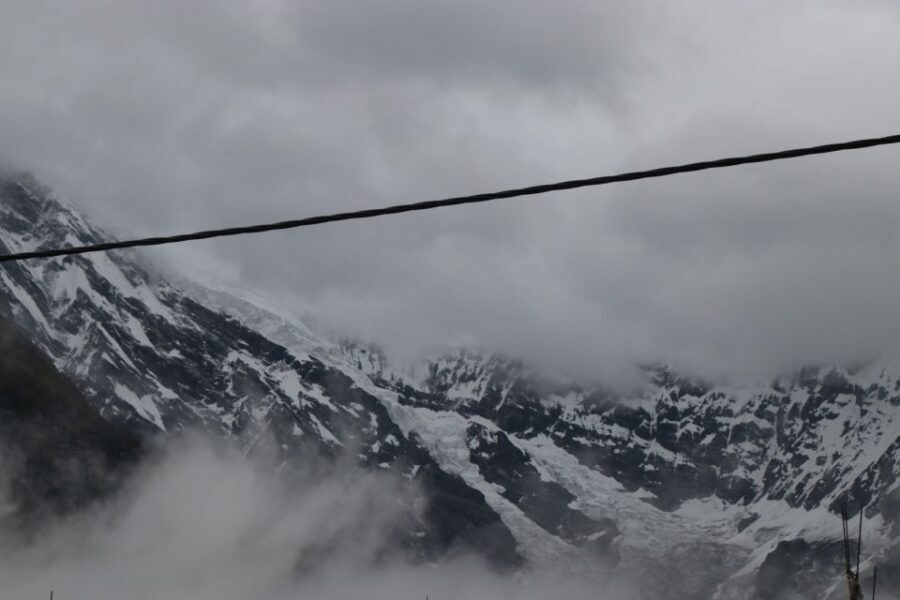
Even a good route can feel stressful without good people handling the details. In the experience stories tied to this trek, the standout theme is supportive guidance.
Names that appear often include:
- Niraj (supportive, friendly, and credited for helping people reach around 4,700m)
- Mahesh Aryal (approachable, attentive, checked in often, helped with backpacks when terrain got tough, and walked people through the day’s plan clearly)
- Bipin (took care of food ordering, showed people around lodges, and explained Nepal and Himalayas in a way that answered real questions)
- Dipesh and Ghanshyam (patient and professional; one account emphasizes that nobody felt rushed beyond limits, plus a female solo traveler felt safe)
You’ll also notice a specific style that matters: guides who recap what you did each day and outline what’s next. That helps you stop guessing. You know when to expect effort, and you can keep your energy for the steep parts that actually matter.
If you’re doing your first trek, this style of management can be the difference between a fun challenge and a miserable grind.
What to pack for Langtang: cold nights are real
The trek’s included guidance list is clear about what you should bring. Here’s the practical core:
- Trekking shoes
- Jacket and hat
- Gloves and sunglasses
- Sunscreen
- A sleeping bag
- Flashlight
- Towel
- Trekking gear
- Passport or ID card
One real-world clue comes from the cold-season experience. Doing this in January means nights get cold, and one tip was to bring warm clothing and also have medication on hand. Even if you’re going in a warmer month, you should still expect nighttime temperature swings at elevation.
My packing advice:
- Prioritize warmth for the hours you’re not moving.
- Keep your head and hands protected. Gloves and a hat are small items that can save the day.
- Bring a flashlight even if lodges have lights. It’s for the moments you need to navigate in the dark and get ready fast.
Who this 6-day Langtang trek suits best (and who should skip it)
This trek fits people who want:
- Nature and mountain views without a long, punishing schedule
- Cultural stops in Tamang villages, monasteries, and local community areas
- A plan that feels realistic for a first-time trek, as long as you accept a moderate challenge
It also fits families, couples, and solo hikers looking for an authentic mountain life without crowds. The “moderate but rewarding” wording in the itinerary lines up with what you’ll actually feel on the trail: walk for hours, deal with steep segments, and do some serious viewpoint work.
Who should skip it: the trip is listed as not suitable for pregnant women. If you’re in that situation, look for a different type of trekking plan or a safer altitude profile.
Should you book this Kathmandu to Langtang Valley trek?
I’d book it if you want a high-value Himalayan experience that mixes walking with actual village life. The Tamang community time at Kyanjin Gompa, the monastery stops, and the cheese factory visit aren’t just add-ons. They’re the reason Langtang feels different from a pure scenery hike.
I’d think twice if you dislike long trekking days or you want a totally flat route. This itinerary gives you altitude pressure too. You’ll be sleeping at 3,870m on Day 3 and working around an optional climb to 4,770m on Day 4.
If your goal is to leave Kathmandu, get into the valley, and come back with the sense that you really experienced Langtang—not just looked at it—this one is a strong match.
FAQ
FAQ
Where do you start and end this Langtang trek?
You start with transport from Kathmandu to Syabrubesi, then trek to Pahiro on Day 1. The trek ends in Syabrubesi, and Day 6 is the return drive back to Kathmandu.
How long is the trek?
It’s a 6-day itinerary, with trekking days from Day 1 through Day 5 and a return drive to Kathmandu on Day 6.
What is the highest point on the itinerary?
The route includes an optional climb to Kyanjin Ri peak at 4,770m, and you’ll also spend a night at 3,870m in Kyanjin Gompa.
How long is the drive from Kathmandu to Syabrubesi?
The plan lists about 6 hours of driving from Kathmandu to Syabrubesi.
How many hours do you trek on Day 1 and Day 2?
Day 1 includes about 2 hours of trekking after the drive to Syabrubesi. Day 2 is listed as about 6 hours of trekking to Ghoda Tabela.
Are meals included in the price?
Meals are included only for the Full Package option. That includes breakfast, lunch, and dinner during the trekking days.
What language will the guide speak?
The guide provides live guidance in English, Hindi, and Nepali.
What’s the lodging situation during the trek?
You have private comfortable accommodation for 5 nights during the trek.
Do I need a sleeping bag?
Yes. The packing list includes a sleeping bag.
Is the trek suitable for pregnant women?
No. It’s listed as not suitable for pregnant women.
If you want, tell me your travel month and your current trekking level (easy walks vs. steep climbs). I can help you decide whether the optional 4,770m peak is realistic for your pace.