REVIEW · KATHMANDU
Rainbow Mo:Mo
Book on Viator →Operated by Queermandu | Gay Tours Nepal · Bookable on Viator
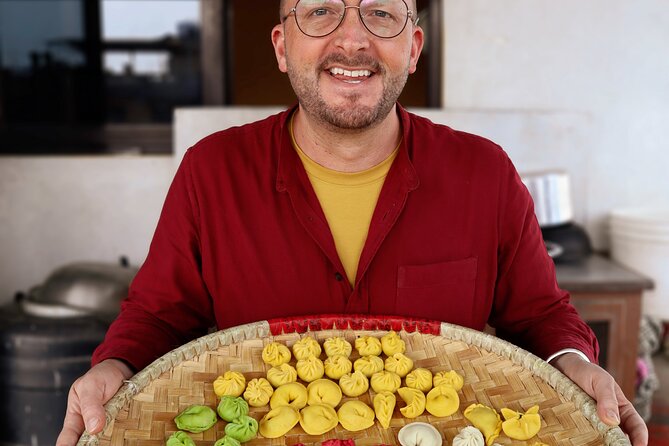
Colorful momos make a joyful kind of sense. This is a hands-on queer-forward cooking class where you turn simple dumpling dough into a rainbow of flavors and colors. You’ll learn to pinch and shape with a playful, pride-friendly vibe, then eat what you make.
I love the real ingredient-driven color palette: beetroot, spinach, carrot, and butterfly pea. It’s not just for looks; each color comes from something you can taste. I also love the practical, teach-you-to-do-it structure—rolling and pleating taught step by step, with a humorous “precision work” energy that keeps you smiling while your hands get better.
One consideration: it’s a tight two-hour experience focused on cooking and eating, not sightseeing. If you want a long, stop-and-stroll tour, this may feel short and kitchen-centered.
In This Review
- Key Points You’ll Actually Care About
- Rainbow Mo:Mo in Kathmandu: What the Class Feels Like
- Color Science for Food: How the Ingredients Change Your Momo
- From Pinch to Perfect Pleat: Your Two-Hour Cooking Flow
- Getting There: Garden of Dreams Start and Pickup Options
- Small Group Energy (Max 15): Why That Matters for Learning
- The Queer-Forward Part: Respect, Comfort, and Better Focus
- Price and Value: What $44 Buys You in Kathmandu
- What to Bring (and How to Prepare Your Body for Dumpling Work)
- Who Should Book Rainbow Mo:Mo
- Quick Reality Check Before You Book
- Should You Book Rainbow Mo:Mo?
- FAQ
- FAQ
- Where does Rainbow Mo:Mo start?
- How long is the momo-making class?
- Is pickup offered?
- Do I get a mobile ticket?
- What ingredients are used for the colored momos?
- Are the momos steamed, fried, or both?
- How big is the group?
- What days and hours is it available?
- When will I receive confirmation?
- Is there free cancellation?
- Can service animals join?
Key Points You’ll Actually Care About
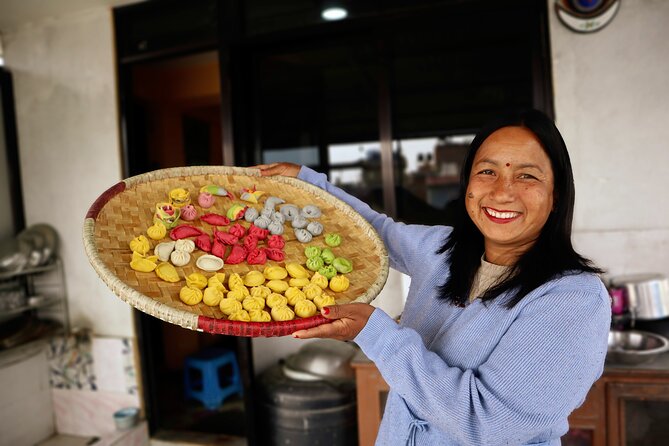
- Rainbow momo colors from real ingredients like beetroot, spinach, carrot, and butterfly pea
- Small group size (max 15), which makes it easier to get personal help while shaping dumplings
- Pickup is offered and the tour uses a mobile ticket, so getting there is usually straightforward
- You’ll learn shaping techniques with lots of pinch-and-pleat practice
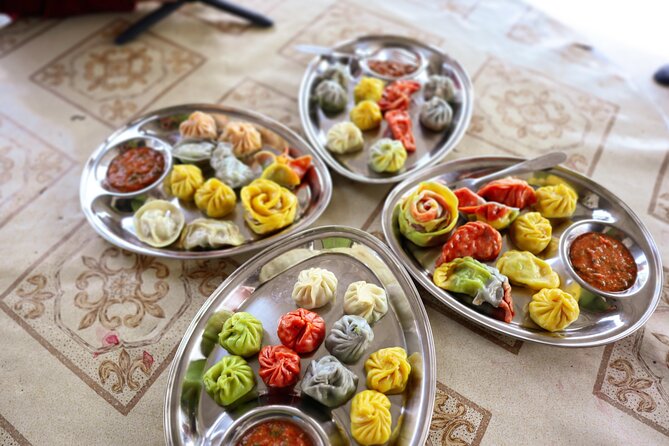
- Both steamed and fried momos are part of the result, so you get variety in what you eat
- Garden of Dreams meeting point keeps things simple before you start cooking
Rainbow Mo:Mo in Kathmandu: What the Class Feels Like
Kathmandu already has plenty of food energy. What makes Rainbow Mo:Mo different is the tone: the whole class is set up around acceptance, and the kitchen becomes a place where you can relax, laugh, and learn without changing who you are.
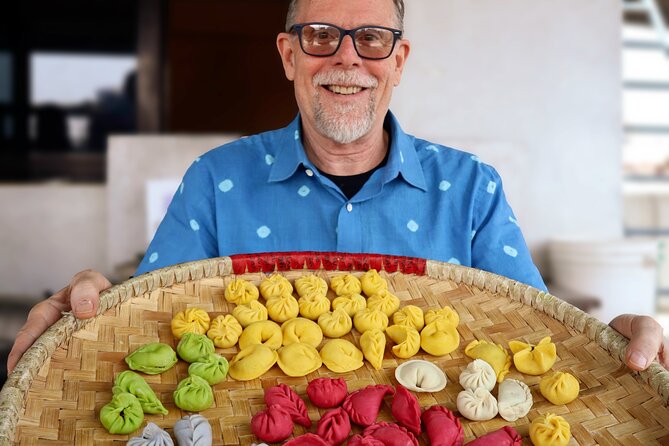
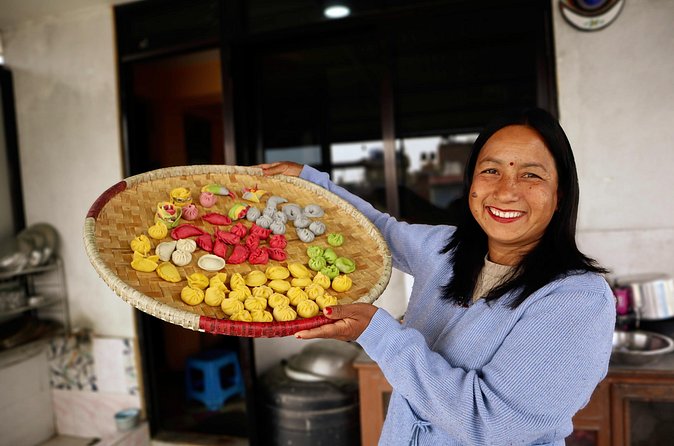
You start at the Garden of Dreams area, then focus on one mission: making momos in multiple colors. The colors come from ingredients like beetroot for pink-red tones, spinach and carrot for green and orange notes, and butterfly pea for blue-purple drama. Even if you’re not usually a “cooking class person,” the novelty of seeing dough change shades keeps your attention. More importantly, you learn how to make the dumplings, not just how to watch someone else do it.
This isn’t a museum-style experience. It’s active. Your hands work, your brain pays attention, and you’ll likely leave with a few dumpling-shaping skills you can use again later.
You can also read our reviews of more tours and experiences in Kathmandu.


Color Science for Food: How the Ingredients Change Your Momo
The class is built around natural coloring, which is a big deal for two reasons.
First, you can taste the ingredients, not just the food-dye effect. Beetroot brings earthy sweetness. Spinach and carrot add familiar vegetal character. Butterfly pea tends to be more about color than strong flavor, but it still changes the way the whole dumpling feels when you bite in.
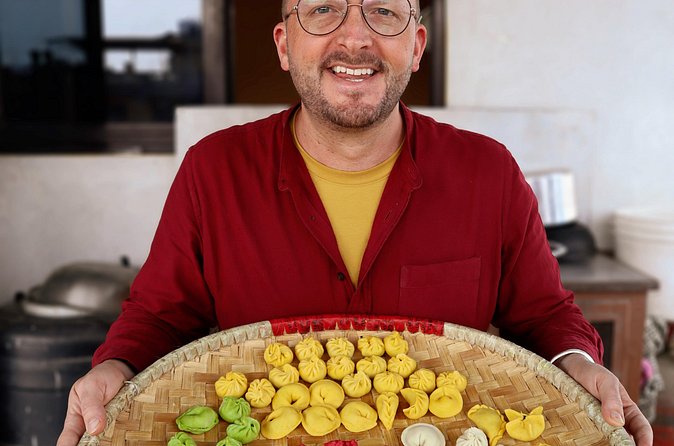
Second, the colors make the process fun. You’re not waiting for one finished plate. You’re creating a set of dumplings that each look like a different mood—pink, green, orange, and blue-purple options built from ingredients you recognize. That matters because momos can be a little monotonous if you’re only used to one style. Here, the color variety gives you a built-in reason to pay attention while you work.
If you’re the type who loves food as both art and comfort, you’ll probably enjoy how the class treats the kitchen like a creative space. You’re learning technique, but you’re also getting that playful, playful-cosmetics analogy vibe—precision shaping treated like a detail job. It’s a clever way to get you focused without making the class feel stiff.
From Pinch to Perfect Pleat: Your Two-Hour Cooking Flow
The whole experience runs about two hours, and it’s designed to stay moving. That short window affects everything: you’ll get focused instruction, then you’ll practice quickly enough to finish with a satisfying plate.
Here’s what the flow means in real-life terms:
- You start with the basics of making colorful dough and fillings using the class ingredients (beetroot, spinach, carrot, butterfly pea show up as the color sources).
- You move into shaping, where the real learning happens. The class uses a humor-forward way to explain careful pinching and pleating—think of it as getting your dumplings to hold shape and look right without overthinking.
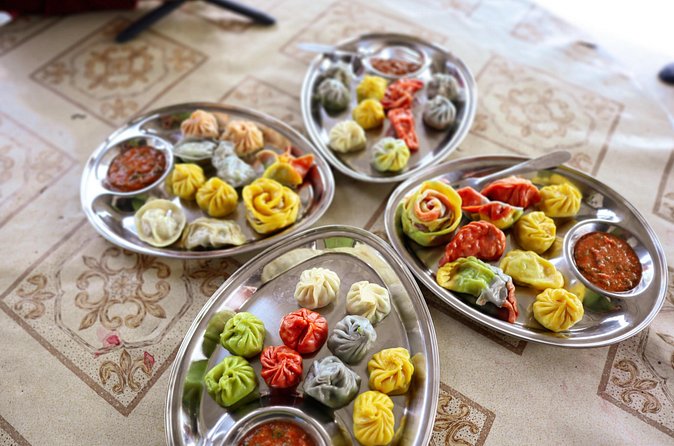
- You finish by eating what you made. The class result includes momos served both steamed and fried, which is great because you get two textures from the same overall concept.
That steamed-and-fried combo matters more than it sounds. Steamed momos tend to feel lighter, while fried ones add crunch and a different bite. If you’ve only tried one at a time on previous trips, you’ll leave with a better sense of what you prefer and why.
Also, the pace works well if you’re traveling solo or as a small group. With a max of 15 travelers, the instructor attention is more likely to land on you than disappear into a big crowd.
Getting There: Garden of Dreams Start and Pickup Options
You meet at the Garden of Dreams area on Tridevi Sadak in Kathmandu. That’s useful if you’re staying somewhere central, because it gives you a clear anchor point rather than a vague “near the city center” message.
Pickup is offered, which is especially helpful in Kathmandu when you don’t want to waste your energy figuring out the last bit of route timing. The class uses a mobile ticket, so you should be ready to show it on your phone at the start.
A practical note: the location is near public transportation, so even if pickup isn’t used (or your pickup plan changes), you’re not stuck. Just plan to arrive a few minutes early so you can check in, get oriented, and start cooking without that first-minute scramble.
The experience ends back at the meeting point. That’s a small thing, but it helps you keep your evening plans simple.
Small Group Energy (Max 15): Why That Matters for Learning
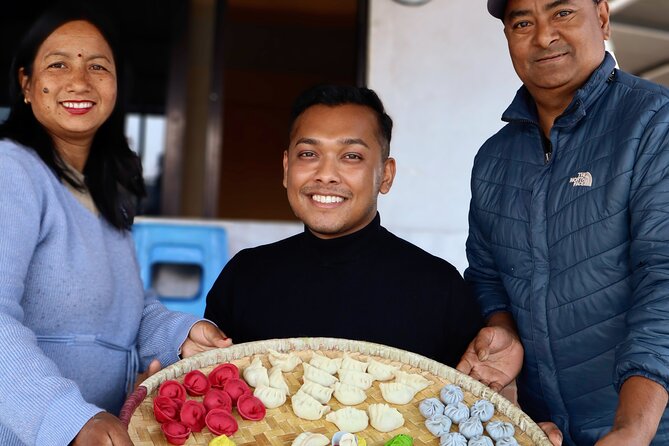
A lot of cooking classes advertise small groups but don’t really make a difference. Here, the max of 15 travelers helps in a tangible way: there’s less waiting around.
You’re doing a hands-on task—rolling, pinching, shaping—and shaping takes time. In a smaller setting, you’re more likely to get quick feedback when something doesn’t hold its form. It also makes the atmosphere easier to relax into. When the group is limited, it’s more likely you feel like you’re learning alongside people, not performing in front of them.
This also explains why the experience can work even if the group isn’t huge on your day. The class is structured to move forward regardless, with clear instruction and active participation.
If you hate long kneading sessions, this won’t be that. It’s more about getting technique down to a usable level in the time you have.




The Queer-Forward Part: Respect, Comfort, and Better Focus
The class is explicitly queer-forward, and that changes the social temperature. Instead of making the kitchen feel like a neutral space where everyone has to read the room and self-censor, the tone is built around acceptance.
That matters because cooking classes require attention. If you’re spending mental energy worrying about comfort or belonging, your learning slows down. In a welcoming environment, you can focus on the process: how the dumpling should look, how the pleats should sit, and how to keep your pinching consistent.
You’ll also see the “cosmetic artistry” style humor used to explain precision. The point isn’t to be cringe; it’s to make the shaping technique feel approachable. It’s a reminder that good form comes from repetition and patience, not from being “naturally good at food.”
If you’re traveling with friends, this vibe can feel like a shared celebration. If you’re traveling solo, it can feel like you’ve found an easy social opening—something warmer than a standard food tour.
Price and Value: What $44 Buys You in Kathmandu
At $44 per person, you’re paying for more than ingredients. In practice, you’re paying for three things that matter on the ground:
- Instruction time in a focused, two-hour class format
- Ingredient sourcing and prep for multiple colored fillings
- A complete outcome that includes eating your steamed and fried momos
For many cooking classes in major cities, the price can climb fast. Here, the value is strong because you actually get to do the main work. You’re not just sampling food; you’re making dumplings and leaving with a sense of skill you can repeat.
Also consider the convenience factors baked in: pickup is offered, you get a mobile ticket, the group stays small, and you don’t have to plan multiple transfers. For a short Kathmandu visit—or if you’re tired after sightseeing—this can be a smart use of time.
If you’re watching your budget, think of the cost as paying for the full experience package rather than only for the food. You’re building something with your hands, in a guided setting, then eating both steamed and fried results.
What to Bring (and How to Prepare Your Body for Dumpling Work)
The tour details don’t list a strict dress code, so use common sense for active food work.
I’d pack:
- Comfortable clothing you don’t mind getting a little flour dust on
- Closed-toe shoes (if you have them) for stability in a kitchen setup
- A phone with battery, since the ticket is mobile
Come hungry, but don’t arrive starving. You’ll be working during the class, and a calm energy helps your pleating accuracy.
One more practical tip: if you’ve got sensitive hands, go gentle at first. Dumpling shaping is repetitive, and your fingers will learn the motion as you go. The class is designed for that learning curve.
Who Should Book Rainbow Mo:Mo
This is ideal if you want an activity that hits several needs at once:
- You like food classes but want something more personal than a big generic “watch and snack” thing
- You’re interested in color and ingredient-based food (not just sauce and spice)
- You want a welcoming social tone in Kathmandu, not a one-size-fits-all experience
- You have about two hours and want a clear plan for them
It’s also a good fit if you’re not sure you’ll find a cooking class partner. With a max group size and structured instruction, solo travelers and small parties often feel comfortable jumping in.
Quick Reality Check Before You Book
Ask yourself one question: do you want to spend your time making momos? If yes, you’ll probably enjoy the hands-on focus and the playful technique coaching.
If you want a long outing with lots of different stops, shopping, and sightseeing, this may not match that desire. The experience is compact, and your reward is the food you produce and eat—not a route through multiple districts.
Also, check the day and time window that fits your schedule. It’s offered daily with set opening hours, and you’ll want to arrive within that operating window.
Should You Book Rainbow Mo:Mo?
I think you should book Rainbow Mo:Mo if you’re looking for a short, high-value Kathmandu experience where you actually learn dumpling technique and eat the results—while doing it in a queer-forward, acceptance-centered setting. The natural color ingredients add an extra layer of fun and teach you how different foods can create different visuals and flavors.
Skip it only if you’re chasing a sightseeing-heavy itinerary or you want something longer than two hours. For a focused cooking-and-eating experience with real hands-on payoff, this one makes a lot of sense.
FAQ
FAQ
Where does Rainbow Mo:Mo start?
The class starts at the Garden of Dreams on Tridevi Sadak, Kathmandu 44600, Nepal.
How long is the momo-making class?
It runs for about 2 hours.
Is pickup offered?
Yes, pickup is offered.
Do I get a mobile ticket?
Yes, the tour includes a mobile ticket.
What ingredients are used for the colored momos?
The class uses beetroot, spinach, carrot, and butterfly pea for the colorful dumplings.
Are the momos steamed, fried, or both?
They are served both steamed and fried.
How big is the group?
The experience has a maximum of 15 travelers.
What days and hours is it available?
It runs Monday through Sunday, from 9:15 AM to 4:15 PM.
When will I receive confirmation?
You’ll receive confirmation at the time of booking.
Is there free cancellation?
Yes, you can cancel for a full refund up to 24 hours in advance of the start time.
Can service animals join?
Yes, service animals are allowed.