REVIEW · KATHMANDU
Experiential Tour of Nepal.
Book on Viator →Operated by Himalayan Circuit · Bookable on Viator
Nepal hits three different moods in 12 days. You start in Kathmandu’s culture, shift to Chitwan’s wildlife energy, then end with Pokhara’s sunrise views over the Himalayas. It’s a tight route that gives you history, nature, and animals without making you feel like you’re constantly planning.
I especially like how smooth the logistics feel: pickup offered and private transportation means less time figuring out rides and more time in sights and experiences. I also like the human touch—people mention Kathmandu welcomes led by Prakash, and support from Anish and his team, with cultural extras like learning how to eat momos the Nepali way.
One consideration: a big chunk of the magic depends on weather. If sunrise visibility is poor, the day can shift, so plan for flexibility. And like many tours, travel insurance is not included, so you’ll want to sort that on your own.
In This Review
- Key Highlights You’ll Actually Care About
- Kathmandu, Chitwan, Pokhara: The Practical 12-Day Loop
- Kathmandu Temples and the Calm of a Guide-Led Day
- Pokhara Sunrise and the Real Meaning of Mountain Light
- Chitwan Wildlife Safari: Patience Pays Off
- Temples, Food Lessons, and Meeting Real People
- Private Transportation and a Group-Only Schedule
- Price and Value: What $1,290 Buys You
- What to Expect Day to Day (Without the Guesswork)
- Who This Nepal Experience Is Best For
- Should You Book This Nepal Tour?
- FAQ
- How long is the Experiential Tour of Nepal?
- What places does the tour cover?
- Is pickup included?
- Is this a private tour?
- What’s included in the price?
- What is not included?
- When will I receive confirmation after booking?
- Do I need good weather for this tour?
- What happens if the tour is canceled due to poor weather?
- Is there free cancellation?
Key Highlights You’ll Actually Care About
- Round-trip focus: Kathmandu to Chitwan to Pokhara, all connected by private transport
- Sunrise Himalayan time: early start, but the payoff is visibility and big-sky atmosphere
- Safari in Chitwan: wildlife time built around patience and local expertise
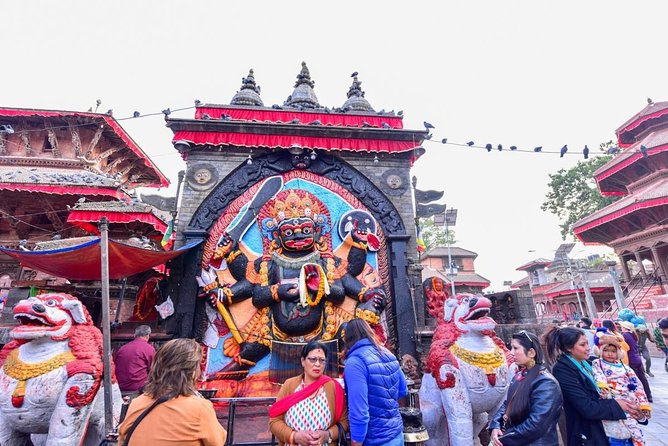
- Temple visits in Kathmandu: real-world cultural pacing, not just a quick photo stop
- Personal service: your group is private, so the schedule feels more responsive
Kathmandu, Chitwan, Pokhara: The Practical 12-Day Loop
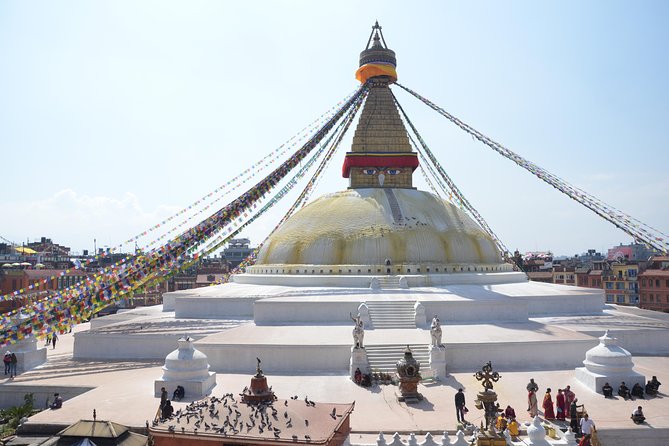
This itinerary is built like a sampler plate, but it still respects travel time. You’re not hopping randomly—you’re doing a clean round trip that groups Nepal’s most popular experiences into one understandable route.
Over roughly 12 days, you’ll spend time in Kathmandu (temples and cultural learning), head to Chitwan for a wildlife safari, and then land in Pokhara for the scene-stealing part: Himalaya sunrise. That structure matters because it reduces the “wasted day” problem. You’re not constantly changing hotels and guides and locations with no rhyme or reason.
The big value is that this tour blends types of travel. You get the stillness of religious sites, the adrenaline of a safari day, and the quiet awe that comes when you’re watching mountains brighten from near-blanket-dark early morning hours. It’s not just a checklist. It’s a rhythm.
You can also read our reviews of more tours and experiences in Kathmandu.
Kathmandu Temples and the Calm of a Guide-Led Day
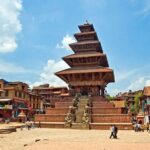
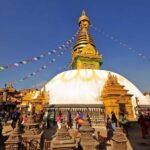
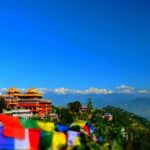
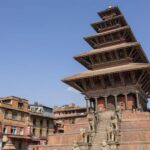
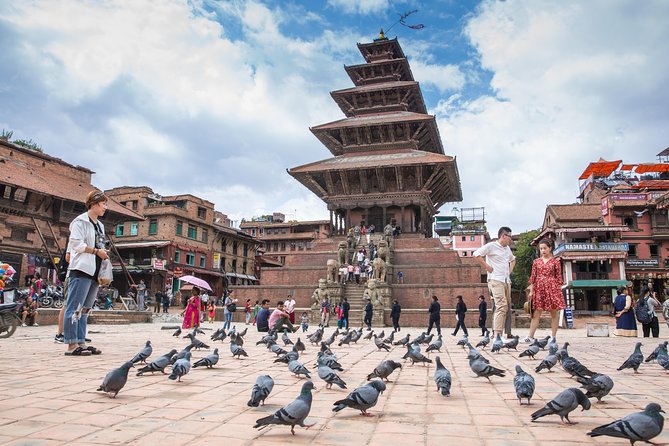
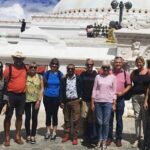
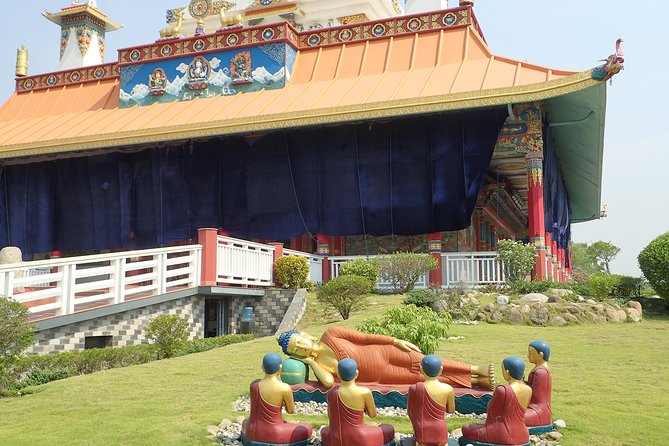
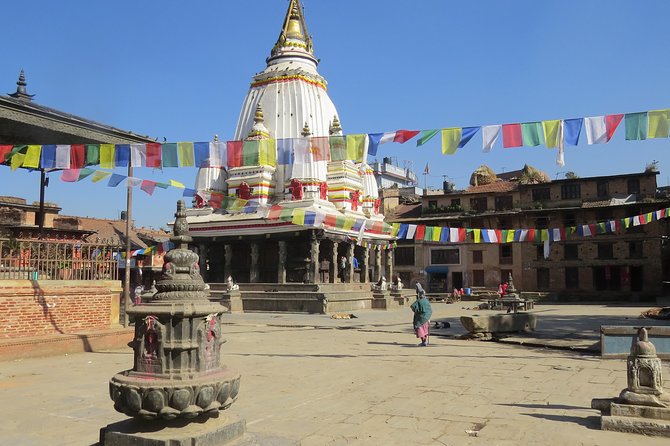
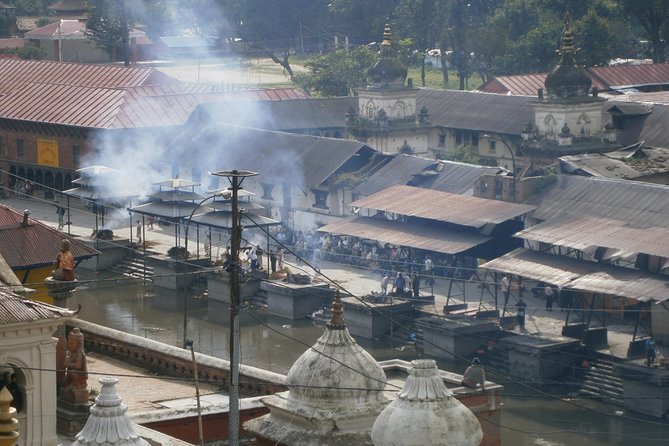
Kathmandu is where the trip roots itself. You’ll visit temples, and those visits work best when you’re not racing. A temple day in Kathmandu is one of those experiences where small details matter: the way people move through space, the lighting on carved stone, and the sense that the city’s spiritual life is woven into daily routines.
What makes this trip feel different is the guidance and timing. People mention a traditional welcome after landing, with Prakash being named as a key contact who helps you settle in fast. That kind of start helps you get oriented before you’re dropped into the middle of a huge, busy city.
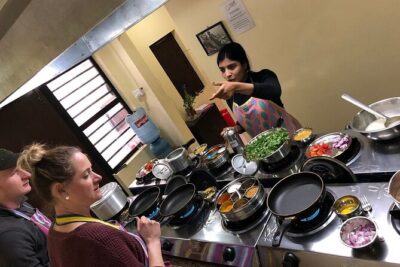
You might also get culture beyond the main sights. Reviews for this Nepal circuit mention moments like meeting local farm people and even food learning tied to Nepali street comfort food (including a small lesson on eating momos the local way). Even if those extras vary by schedule, the direction is clear: this isn’t only temples on a strict stopwatch.
Possible drawback here is that Kathmandu can be intense. If you’re sensitive to crowds or traffic, it helps that you’re on private transportation and your day can be paced by your guide rather than forced into whatever tour bus lineup is nearby.
Pokhara Sunrise and the Real Meaning of Mountain Light
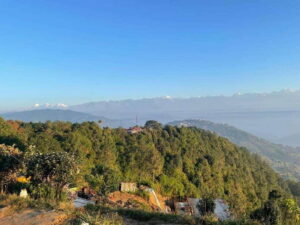
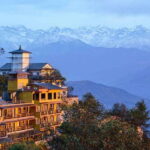
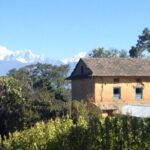
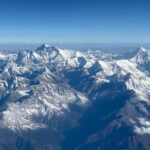
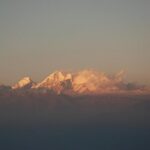
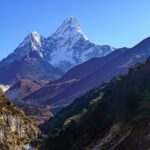
Pokhara is where the trip slows down for awe. The tour includes enjoying the Himalayas during sunrise, which is one of those experiences where timing is everything.
Sunrise value is more than a view. When you’re watching the mountain ridgelines change color from cold dark to warm light, you also feel how big the geography really is. It’s not just pretty. It’s perspective. And it’s why this tour is worth doing even if you’ve seen photos of Nepal before. Photos don’t show the shift from silence to spectacle.
A heads-up: sunrise plans depend on weather. The tour notes that good weather is required. If conditions are off, you may need to adjust your expectations for visibility. That doesn’t mean the day is ruined—it means you should be mentally ready for a schedule that follows the sky.
To make sunrise work for you, aim for flexibility and keep your mornings simple. No over-planning. No insisting on extra stops before the sunrise moment. Let this part be the anchor.
Chitwan Wildlife Safari: Patience Pays Off
Then you switch gears to Chitwan, where the goal is wildlife, not just scenery. The tour includes a wildlife safari, and that matters because it’s one of the few places in Nepal where you feel like nature is running the show.
Chitwan safari days are often less about guaranteed sightings and more about timing, patience, and local skill—staying alert, moving with the day’s rhythm, and letting animals show up when they’re active. That approach is exactly why a guided safari is useful. It’s not only that your route is planned. It’s that the guide helps you interpret what you’re seeing (or not seeing) and where to focus.
People also mention that local guides in Pokhara and Chitwan treat you well, which usually translates to fewer awkward logistics and a day that feels safe and organized. Since this tour uses private transportation, you’re not stuck waiting around with a crowd or losing time to complicated meeting points.
One practical consideration: safari days can feel long, and you’ll likely spend hours outdoors. Bring what keeps you comfortable, hydrate, and be ready for a “watch and wait” mindset.
Temples, Food Lessons, and Meeting Real People
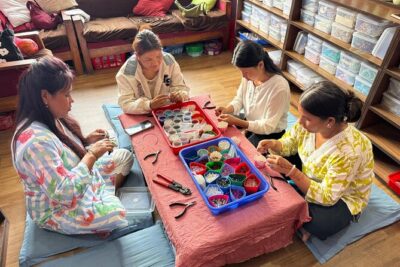
If you want a Nepal trip that feels human and not sterile, pay attention to the cultural texture. The tour is described as covering culture, nature, and wildlife, and the best parts tend to come from interactions that go beyond a temple signboard.
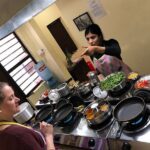
Kathmandu can offer the most obvious culture through temple visits. But it’s often the smaller “in-between” moments that stick. Reviews mention meeting farm people and doing things like cooking, plus a funny-but-meaningful food detail: learning the Nepali way to eat momos from the team.
That kind of food lesson isn’t just cute. It helps you understand how Nepali daily life tastes and feels. When you eat better and more comfortably, you also ask better questions and notice more. You stop being a spectator and start being a participant in small ways.
Even the mention of family-style experiences (like home-stay lunch) signals a similar theme: this route is designed to create access to local life rather than only viewing it from the edge.
Private Transportation and a Group-Only Schedule
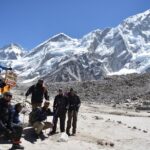
This is a private tour/activity, meaning only your group participates. That can be a big deal if you value pacing. In a private format, your guide can adjust the day if energy levels change, if traffic runs slow, or if you want a bit more time at a temple or viewpoint.
It’s also backed by private transportation and all fees and taxes included. Translation: you’re paying for the trip to run, not for you to constantly pay small add-ons along the way. For many people, that’s what makes the difference between a trip that feels effortless and one that turns into paperwork.
Also note the simple convenience detail: the tour is said to be near public transportation. That usually means you’re not trapped in a remote pick-up zone, and you have options if you need to step out for a snack or a quick reset.
If you like meeting other people on the road, a private tour may feel quieter than you expect. But if your goal is a guided, controlled experience with less hassle, this setup fits.
Price and Value: What $1,290 Buys You
At $1,290, this isn’t a budget backseat ride. You’re paying for structure: private transportation and all fees and taxes included. Those are the exact items that quietly inflate costs on DIY trips.
So ask yourself a simple question: do you want to spend your days hunting down rides, confirming entry costs, and coordinating timing for sunrise and safari? If you’d rather spend that energy on the experiences themselves—temples, safari, sunrise—this price starts to look more reasonable.
Another value factor is the route design. Kathmandu, Chitwan, and Pokhara each require separate logistics. Packing them into one cohesive itinerary (with a team coordinating) saves time and prevents the usual “we’ll figure it out when we get there” stress.
That said, it’s still a 12-day trip at a fixed pace. If you want total freedom to roam, you might find it restrictive. If you want guided momentum with fewer decisions to make, it’s the kind of package that tends to feel worth it.
What to Expect Day to Day (Without the Guesswork)
You can think of the trip as three main dayslots, even though exact timing can vary:
- Kathmandu: temple-focused cultural time, plus the chance to settle quickly thanks to pickup offered and a well-run start.
- Chitwan: safari day(s) built around wildlife and patience, with local guidance doing the heavy lifting.
- Pokhara: sunrise and mountain viewing that gives you the trip’s big visual payoff.
Between these, your days will likely include travel segments by vehicle, meals, and time to slow down. Since the tour includes private transportation, your transfers should feel organized rather than chaotic.
Here’s the practical mindset I recommend: treat sunrise and safari as your “must-not-miss” anchor moments. Everything else is flexible around them. When you plan like that, the weather and timing realities of Nepal stop feeling like problems and start feeling like part of the rhythm.
Who This Nepal Experience Is Best For
This tour tends to fit best if you want:
- A balanced mix of culture and nature in one trip
- A guided approach to safari and sunrise where timing matters
- Fewer logistics headaches thanks to private transport and included fees
It also notes that most people can participate, so it’s not positioned as a specialist-only hike adventure. If you’re traveling as a couple or family and you want privacy, the private-group format is a plus.
If you’re the kind of traveler who hates early mornings, Pokhara’s sunrise may be tough. If you’re okay with an early start and can be flexible about weather, you’ll likely love this route.
Should You Book This Nepal Tour?
I’d book it if your goal is a well-run, culture + wildlife + sunrise Nepal trip where you’re not constantly managing transportation and small costs. The big wins here are the overall flow—Kathmandu to Chitwan to Pokhara—and the fact that the experience is designed around the moments that are hard to DIY: sunrise timing and safari logistics.
I’d hesitate if you need a fully predictable weather-independent schedule. The tour depends on conditions, and that means the mountain-view timing can shift. Also, double-check your travel insurance before you go, since it’s not included.
If you’re seeking an organized route with authentic cultural touches (temples, local food moments, meeting real people when possible) and you can handle early starts, this is a strong choice.
FAQ
How long is the Experiential Tour of Nepal?
It runs for about 12 days.
What places does the tour cover?
It includes a round trip between Kathmandu, Chitwan, and Pokhara.
Is pickup included?
Yes, pickup is offered.
Is this a private tour?
Yes. It’s a private tour/activity, and only your group participates.
What’s included in the price?
The tour includes private transportation and all fees and taxes.
What is not included?
Travel insurance is not included.
When will I receive confirmation after booking?
Confirmation is received at the time of booking.
Do I need good weather for this tour?
Yes. The experience requires good weather, especially for the sunrise and related viewing.
What happens if the tour is canceled due to poor weather?
If it’s canceled due to poor weather, you’ll be offered a different date or a full refund.
Is there free cancellation?
Yes. You can cancel up to 24 hours in advance for a full refund.