REVIEW · BHAKTAPUR & PATAN DAY TRIPS
Kathmandu: Bhaktapur and Nagarkot Sunrise to Sunset Tour
Book on GetYourGuide →Operated by Mount Glory Treks · Bookable on GetYourGuide
Medieval streets meet Everest views. This Kathmandu day tour strings together Bhaktapur’s UNESCO Durbar Square with Nagarkot’s Himalayan viewpoints, giving you culture plus big-sky scenery in one sweep. I like how the visit focuses on specific landmarks, including the Vatsala Temple and the 55-Window Palace, instead of a vague drive-by.
My second favorite part is the human one: an English-speaking local guide who can explain what you’re actually looking at, not just read a sign. One caution though, the Himalayan view is weather-dependent, so you need to be okay with mist if conditions are poor.
In This Review
- Key Highlights Worth Prioritizing
- UNESCO Bhaktapur Durbar Square: Where the Stones Still Tell Stories
- Taumadhi Square and Bhairab Nath Temple: Small Stops, Serious Meaning
- Nagarkot Hilltop: Sunrise-to-Sunset Views and the Everest Question
- The Day’s Flow in Plain Terms: Pickup, Breaks, and Walking Time
- Guided by English-Speaking Locals: Getting Context Without the Lecture
- Price and Value Versus Entrance Fees and Food
- What to Pack (and what not to do) for Comfort on Hills
- Who Should Book, and Who Should Rethink It
- Should You Book This Kathmandu Bhaktapur and Nagarkot Tour?
- FAQ
- Is this tour guided?
- Where does the tour start and where do you return?
- How long is the tour?
- What are the main stops?
- Will I see Mount Everest?
- Are monument entrance fees included?
- Is food included?
- What should I bring?
- What is not allowed during the tour?
- Who should avoid this tour?
Key Highlights Worth Prioritizing
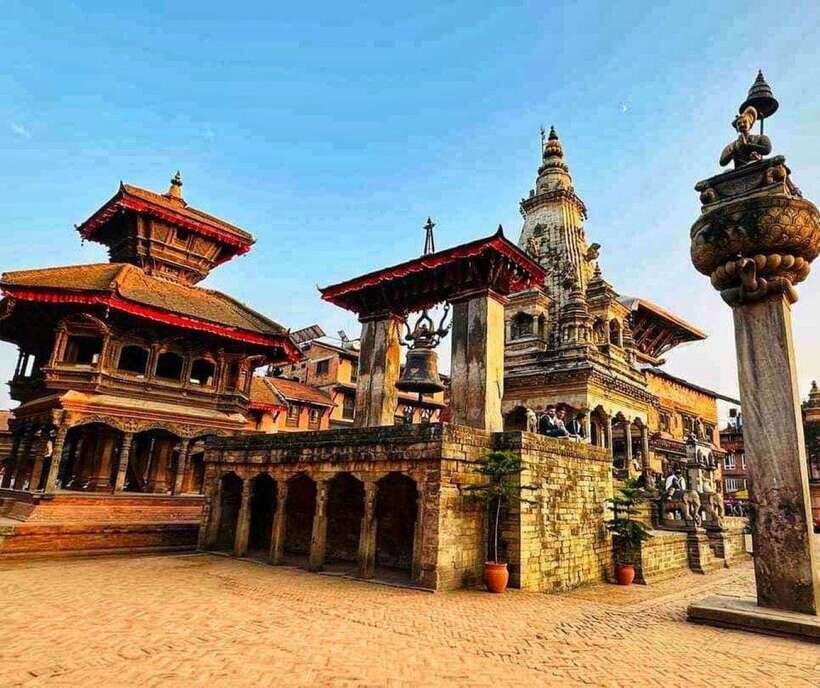
- UNESCO Bhaktapur Durbar Square time: guided walking through temples and palace architecture
- Stops that connect the dots: Taumadhi Square and Bhairab Nath Temple add context fast
- Nagarkot sunrise timing: built around early light, plus chances at sunset later
- Himalayas, including Everest on clear days: the big payoff depends on visibility
- Guides who help you see better: people like Bikash and Phadi were praised for clarity and photo guidance
UNESCO Bhaktapur Durbar Square: Where the Stones Still Tell Stories
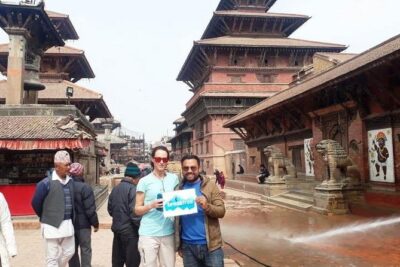
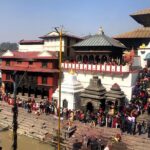
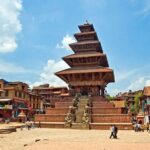
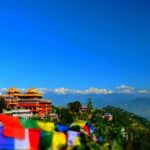
Bhaktapur’s Durbar Square is the kind of place that makes you slow down without trying. You’re in a UNESCO-listed zone where temples and palaces aren’t just old—they’re tightly connected to how people historically gathered, worshipped, and governed. If you like tangible history you can walk through, this stop delivers.
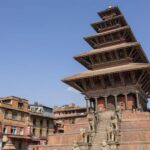
During your time here, you focus on standout structures tied to Bhaktapur’s identity. You’ll see the Vatsala Temple and the 55-Window Palace, plus other temple and palace details that reward close looking—carved woodwork, stonework, and the way buildings sit together like a planned stage. This isn’t only about impressive architecture. It’s about understanding how the city’s religious and civic life shaped what was built.
The other reason I like this approach is the pacing. Instead of rushing you through “greatest hits” at speed, the tour builds in a guided block inside Durbar Square (about 1.5 hours) so you can absorb meaning, then wander briefly at your own rhythm—especially if you’re interested in the arts and crafts market stop that often fits into this window.
One practical note: Durbar Square involves walking on uneven surfaces and stairs. Wear comfortable shoes you’d trust on a bit of a scramble.
You can also read our reviews of more evening experiences in Kathmandu



Taumadhi Square and Bhairab Nath Temple: Small Stops, Serious Meaning
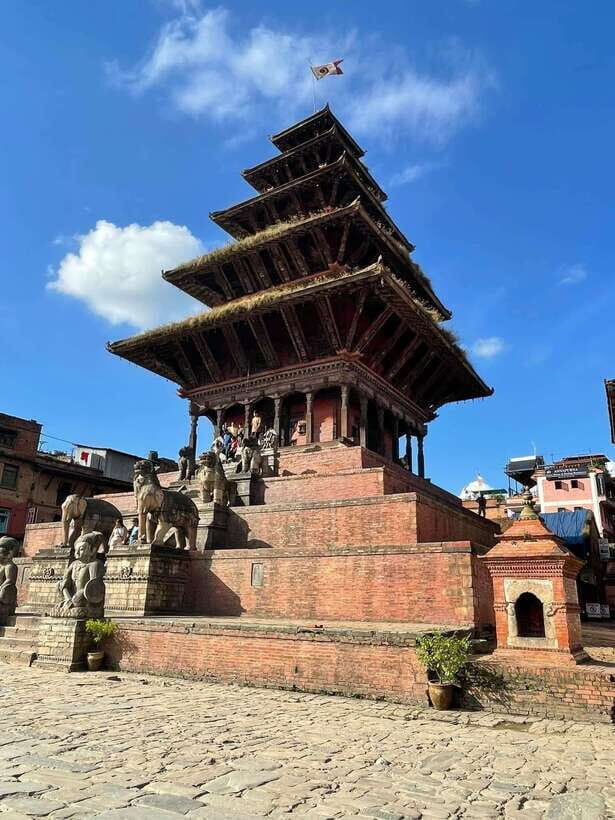
After you settle into Durbar Square, the tour adds two stops that help you connect the religious map of Bhaktapur. Taumadhi Square is a recognizable public space in the city’s old core, and it works well as a bridge between the palace-temple cluster and the broader spiritual rhythm you’ll feel as you move.
Then you visit Bhairab Nath Temple. Even if you’re not a “temple person,” this is the moment where a guide’s explanations matter. When a good English-speaking guide frames why these sites matter—who they served, how the city organized worship, how festivals and everyday life shaped devotion—you start noticing details you would otherwise miss.
This is also where a strong guide can make the tour feel personalized. In the feedback you’ll see guides like Bikash singled out for fluent, clear explanations and for pointing out the best spots for taking photos. You’ll get the same practical benefit even if you’re not chasing perfect Instagram angles—knowing where to stand to see the full composition saves time and frustration.
Nagarkot Hilltop: Sunrise-to-Sunset Views and the Everest Question
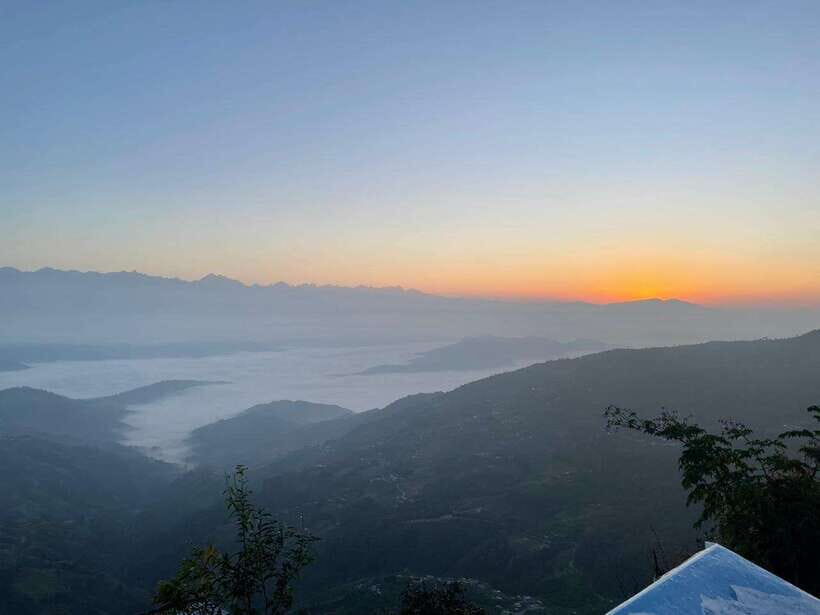
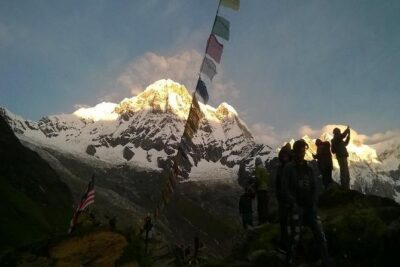
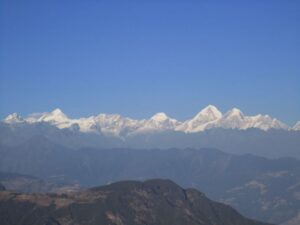
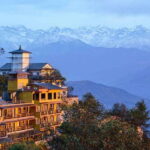
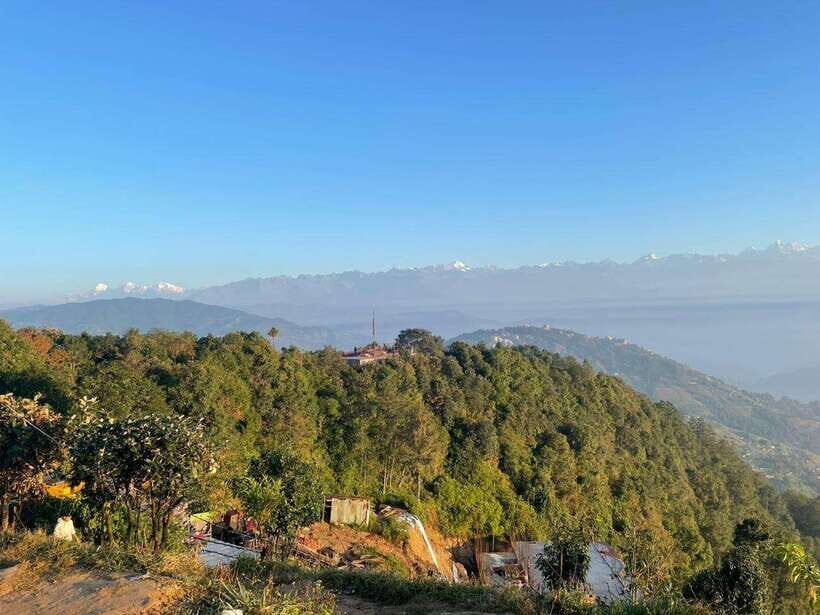
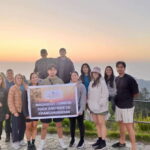
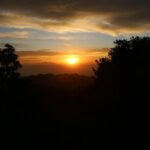
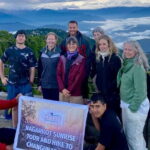
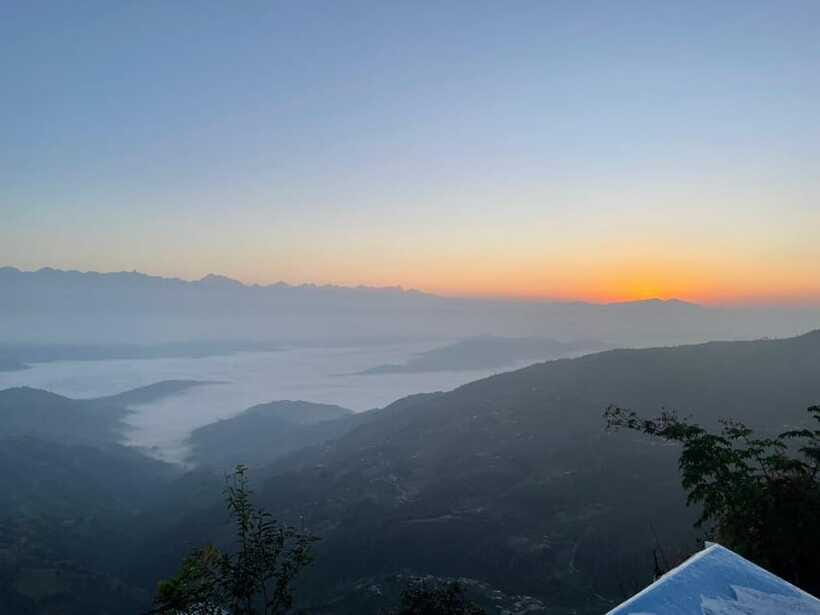
Nagarkot is where Kathmandu’s city feel drops away and you trade traffic sounds for open air. The hilltop village is famous for panoramic Himalayan views, and your tour uses that fame in two ways: it starts early (sunrise is the star) and also gives you time later for the mood shift toward sunset.
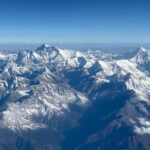
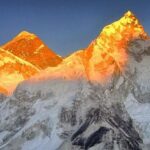
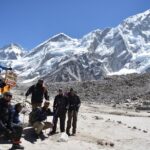
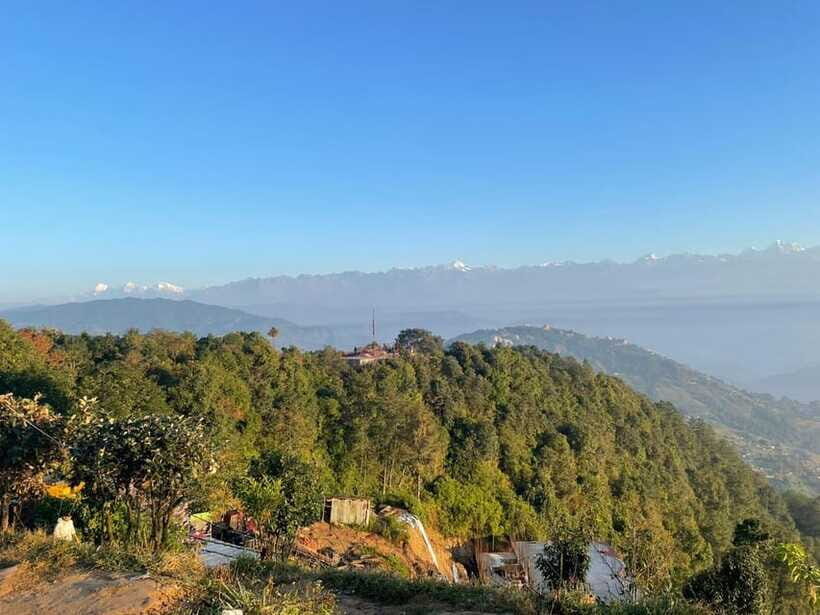
Here’s the key reality check: the Himalayas are a visibility game. On a clear day, you might catch iconic peaks, including views of Mount Everest. On a misty or cloudy day, the scene can turn into a soft blur—still atmospheric, but not the crisp postcard you hoped for. The tour doesn’t hide this; it’s simply how the weather works up there.
I think this is worth planning around. If you’re expecting guaranteed Everest clarity, you’ll be disappointed. If you’re excited to spend time in fresh mountain air and enjoy the slow light changes on the ridges, you’ll likely feel the payoff even when visibility isn’t perfect.
Also, sunrise tours aren’t just about the view. The early timing changes the whole experience: fewer crowds, cooler temperatures, and a calmer pace. Your visit includes break time and breakfast, which is a smart add-on because Nagarkot mornings can feel cold before they feel dramatic.
If you’re afraid of heights, this portion is a mismatch. Hilltop viewpoints and exposed edges are part of the deal—so choose carefully.
The Day’s Flow in Plain Terms: Pickup, Breaks, and Walking Time
This is a full-day structure, but it’s built to prevent the common Kathmandu problem: “see everything, feel nothing.” The day starts with hotel pickup in the Kathmandu Valley and then you head out with stops in a logical order—Nagarkot for sunrise, then Bhaktapur Durbar Square, and back to Kathmandu afterward.
At Nagarkot, the tour sets aside roughly a two-hour block that includes a mix of sightseeing and a sunrise-focused moment, plus the break and breakfast. That matters because it keeps you from rushing photos while also keeping you fueled for the later walking.
Bhaktapur comes next. Your guided Durbar Square time is about 1.5 hours, and that’s enough to see the key temples and palace structures without burning out. After that, you’ll have some additional sightseeing time and possibly a stop for arts and crafts.
The total duration is listed broadly—5 to 10 hours—which usually means your exact start time and conditions (especially for sunrise visibility) can shift the rhythm. Plan your evening accordingly. If you have a tight next-day schedule, you’ll sleep easier if you keep some buffer in Kathmandu.
Guided by English-Speaking Locals: Getting Context Without the Lecture
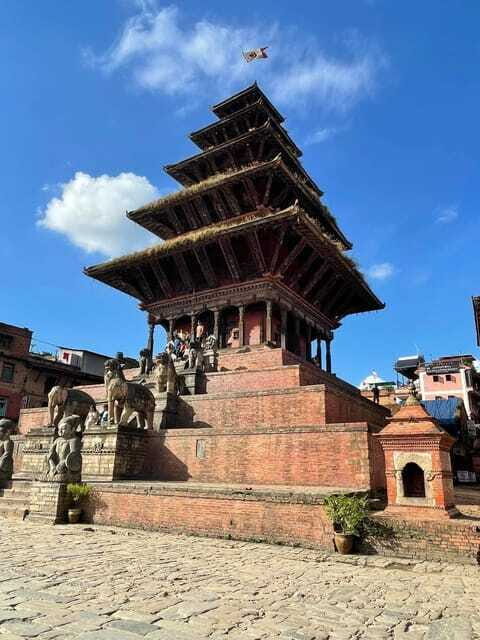
The biggest quality lever on this tour is the local guide. You’re getting a professional English-speaking local guide, and the difference shows up in what you learn and how fast you “get it.”
Guides like Bikash are praised for speaking fluent English and explaining the history and significance of the sites in a clear, simple way. That kind of interpretation is not just nice. It changes your experience of the carvings, the layout of the palace-temple complex, and the religious importance of the stops like Taumadhi Square and Bhairab Nath Temple.
Another guide name that came through strongly is Phadi, praised for connecting Nepal’s past, present, and future, and for making the religious significance of Bhaktapur feel personal instead of academic. If you care about meaning—not only beauty—this style of guiding is a real value.
And yes, there’s a practical side too. When a guide shows you the best spots for photos, you stop doing trial-and-error on windy hilltops and start framing smart shots immediately.
You can also read our reviews of more tours and experiences in Kathmandu

Price and Value Versus Entrance Fees and Food
At $71 per person, this tour is priced like a solid midrange day trip. You’re paying for transportation, a guided tour of Bhaktapur Durbar Square, and specific temple stops, plus the scenic drive up to Nagarkot and time built around panoramic views.
The part many people forget: monument entrance fees aren’t included. The tour lists NRS 1,950 per person for entrances. You’ll want to budget that on top of the tour price so you don’t hit a cash surprise at the first ticket point. Food and beverages also aren’t included, so it’s wise to plan either for breakfasts arranged as part of the tour timing (you’ll have breakfast at Nagarkot) and then budget for lunch or snacks elsewhere.
Here’s how I’d judge value for you:
- If you want both UNESCO Bhaktapur and Himalayan viewpoint time with a guide who explains details, the $71+entrance setup is typically reasonable.
- If you only care about one side (say, just Bhaktapur), you might find cheaper options.
- If you care about sunrise and sunset timing, guided routing helps more than you’d expect.
In other words, the money makes sense when you treat this as a “culture plus views” day, not a quick bus ride.
What to Pack (and what not to do) for Comfort on Hills
This tour runs on foot and includes a hilltop sunrise. So pack like you’re going to walk and possibly feel cold before the sun warms things up.
Bring:
- Comfortable shoes
- Warm clothing
- Camera
- Sunscreen
- Water
Also follow the rules that matter for the experience:
- No smoking
- No flash photography
- Don’t litter
For sunrise on the hill, warm layers matter more than you think. For Bhaktapur, good shoes matter more than you think. And for photos, remember that flash is a no-go, so rely on natural light and the viewpoints your guide points out.
If you’re sensitive to crowds, note that sunrise areas can still feel active, but this tour is a private group, which usually makes movement feel smoother than big shared buses.
Who Should Book, and Who Should Rethink It
I’d put this tour on your shortlist if:
- You want one guided day that covers UNESCO Bhaktapur and Himalayan viewpoints.
- You enjoy clear explanations from an English-speaking local guide.
- You’re okay with the fact that Everest-level clarity is conditional on weather.
I’d rethink it if:
- You have mobility impairments. Walking on old surfaces and stairs in Bhaktapur, plus hilltop pathways, can be challenging.
- You’re afraid of heights. Nagarkot viewpoints include exposed angles, and that can be stressful.
One more “fit” point: if you’re primarily looking for a hiking-heavy day or a close-to-the-mountain trekking experience, this tour is more sightseeing than trekking. You’ll get viewpoints, not a trail journey.
Should You Book This Kathmandu Bhaktapur and Nagarkot Tour?
If you want a day that mixes culture you can actually see—temples, palaces, UNESCO-listed architecture—with a real attempt at Himalayan sunrise and sunset, then yes, I’d book it. The tour’s strength is the pairing: Bhaktapur gives you grounded, human-scale beauty, and Nagarkot gives you the big-picture Nepal that people travel for.
But book with the right expectations. Think of the Himalayas as a best-case scenario, not a guaranteed event. If you’re flexible about mist and still want fresh air, guided context, and iconic sites, this becomes a very satisfying day.
FAQ
Is this tour guided?
Yes. You get a professional English-speaking local guide, including a guided tour of Bhaktapur Durbar Square.
Where does the tour start and where do you return?
The tour includes pickup from your hotel in the Kathmandu Valley and returns you to Kathmandu.
How long is the tour?
The duration is listed as 5 to 10 hours, depending on the starting time and scheduling.
What are the main stops?
You visit Bhaktapur Durbar Square, Taumadhi Square, Bhairab Nath Temple, and Nagarkot for panoramic Himalayan views.
Will I see Mount Everest?
On clear days, the Himalayas view from Nagarkot can include Mount Everest. Visibility depends on weather.
Are monument entrance fees included?
No. Monument entrance fees are listed as NRS 1,950 per person and are not included in the tour price.
Is food included?
Food and beverages are not included. Breakfast is included during the Nagarkot sunrise portion.
What should I bring?
Bring comfortable shoes, warm clothing, a camera, sunscreen, and water.
What is not allowed during the tour?
Smoking, flash photography, and littering are not allowed.
Who should avoid this tour?
It is not suitable for people with mobility impairments or for people afraid of heights.