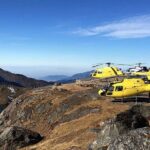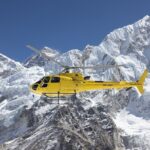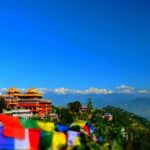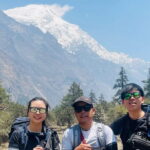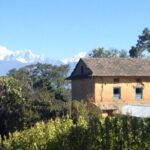
Everest views start before you even hit the trail. This 6-day hiking route (plus flights) mixes Lukla air time, Sherpa culture, and big-sky mountain panoramas without making you plan every permit and meal. You’ll see Everest and Ama Dablam from the trail corridor, visit key monastery stops, and end with a flight back to Kathmandu that feels like a moving postcard.
What I like most is how the trip handles the practical stuff so you can focus on walking and breathing. You get a licensed guide, TIMS and park/entry permits, and all trek meals at lodge level, which removes the daily decision fatigue. A second big win is the pacing: you get gentle first days, then stiffer hiking, plus enough time on standout viewpoints like Namche and Tengboche.
One consideration: you do need to be ready for long walking days that include backtracking, and you’ll be responsible for your own gear since a porter isn’t included. Also, the hike is only part of the timeline—flights and hotel nights make it an 8-day package overall.
In This Review
- Key highlights to know before you go
- Everest Views Without an All-Month Commitment
- Day 1 in Kathmandu: Thamel, briefing, and getting set
- Day 2: Lukla flight and the Dudh Koshi warm-up to Phakding
- Day 3: Namche Bazaar bridges, pine forests, and first Everest views
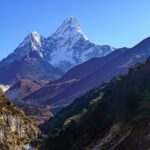
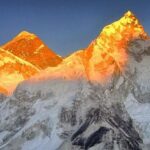
- Day 4: Tengboche Monastery and the Everest/Ama Dablam panorama
- Day 5: Back to Manjo via Namche—scenery again, legs doing the talking
- Day 6: Manjo back to Lukla—downhill, then a climb
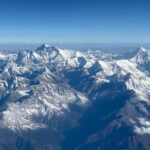
- Day 7: Fly back to Kathmandu and keep your day open
- Day 8: Airport transfer and onward travel
- Price and logistics: Is $790 good value?
- Guides, safety, and small-group focus
- Lodges, meals, and what you should pack to feel comfortable
- Wildlife and culture: what you might catch along the way
- Who this Everest Experience Trek is best for
- Should you book this Everest Experience Trek with Bold Himalaya?
- FAQ
- FAQ
- How long is the trek package in total?
- Where does the trek start and end?
- What flights are included?
- Are permits included?
- What meals are included during the trek?
- Do I need travel insurance?
- Is a porter included?
Key highlights to know before you go
- Two Lukla flights that shape your whole trip: a 30-minute hop to start, and another 30-minute return that saves you from a much longer ground trek.
- Namche Bazaar with the first clear Everest sight lines and plenty of bridge-and-pine-forest walking.
- Tengboche Monastery day for views of Everest and Ama Dablam paired with a cultural stop that actually slows your pace in a good way.
- Meals and permits handled so you’re not scrambling for food, tea/coffee, or paperwork during acclimation.
- Private group setup (only your group participates), with extra guiding support if your group is larger than six.
- No porter included, which changes how light you’ll want to pack.
Everest Views Without an All-Month Commitment
This trek is built for people who want the drama of the Everest region—big ridgelines, monastery stops, and Sherpa villages—without signing up for an all-consuming marathon. The “Everest Experience” label fits, because you get both the scenery and the human side of the Khumbu area: prayer flags, stone paths, and a trail rhythm that feels Himalayan, not tourist-bus.
The standout element is that you’re not just hiking for hours in the dark; the route is scheduled around viewpoint days. You’ll walk into places where the mountains open up—especially around Namche Bazaar and Tengboche—so you can spend time looking, not just passing through.
You can also read our reviews of more hiking tours in Kathmandu
Day 1 in Kathmandu: Thamel, briefing, and getting set
Your day starts in Kathmandu with pickup and a transfer into Thamel, the practical base for trekking. You arrive at Tribhuvan International Airport, then get taken to a 4-star hotel for an early briefing and trek preparation.
I like this because it gives you a soft start. You can sort your boots, check layers, and ask direct questions before the route gets serious. If you’ve got questions about packing, altitude habits, or how to handle lodge nights, this first-day briefing is where you can iron those out.
Day 2: Lukla flight and the Dudh Koshi warm-up to Phakding
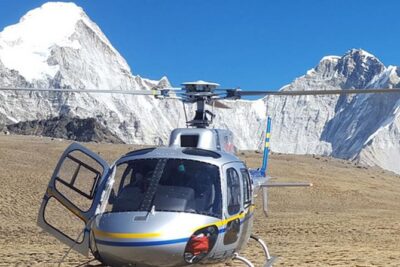
On day two you take a short flight (about 30 minutes) to Lukla, then begin a gentle trek (about 3–4 hours) to Phakding along the Dudh Koshi River. It’s a classic first-day move: river corridor walking plus the feeling of the Himalayas getting closer, one turn of the trail at a time.
This day matters more than it looks. It’s your chance to get your rhythm—pace, water breaks, and how your legs feel when you’re carrying what you truly need (and nothing more). It’s also where you start noticing the mix of forests and mountain air, plus the chance of wildlife along the route such as pheasants or musk deer.
Practical note: the itinerary lists standard trekking lodges, so you’ll want to keep expectations realistic. Think simple comfort, not hotel polish, especially once you’re off the main city stream.
Day 3: Namche Bazaar bridges, pine forests, and first Everest views
Day three is your bigger trekking day into Namche Bazaar (about 5–6 hours). You’ll cross suspension bridges and walk through pine forests, and—critically—you start getting the first satisfying Everest views.
I like that this is staged. Bridges slow you down in a useful way, and suspension crossings give you those short moments to look around without it feeling like you’re constantly stopping. The pine forest segment also helps your body ease into altitude stress because the trail gets moving while your mind stays occupied with what’s around you.
Namche Bazaar is one of those places where the scenery and the town life mix. You’re walking through a Sherpa hub, not a theme park, and it’s a good place to refuel mentally. The experience plan also points toward major cultural stops in this area, including time for places like Khumjung Monastery and the Hillary School.
Day 4: Tengboche Monastery and the Everest/Ama Dablam panorama
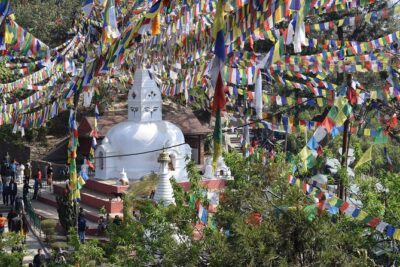
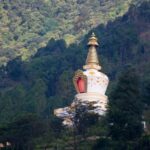
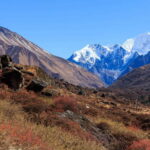
Day four takes you from Namche toward Tengboche (listed as Tyangboche), with another 5–6 hour hike. The highlight here is the Tengboche Monastery visit and the panoramic views—especially Everest and Ama Dablam.
This is the day I’d plan to savor. Monasteries change the pace on purpose. Even if you’re itching to keep walking, you’ll feel the value of pausing: prayer walls, quiet paths, and a landscape that suddenly feels bigger because you’ve stopped rushing.
From a viewpoint perspective, this stop is the payoff day for many people. If you’re the type who loves photos, you’ll want to be ready to adjust your camera settings fast, because light and cloud cover can shift quickly in the Himalayas. And if you’re more into the scene than the shot, still take a moment to look longer than you think. These mountains reward patience.
You can also read our reviews of more tours and experiences in Kathmandu
Day 5: Back to Manjo via Namche—scenery again, legs doing the talking
Day five is a longer trek back to Manjo via Namche (about 6–7 hours). The plan here is essentially retracing steps, but that doesn’t make it a throwaway day.
The reason this route design works is perspective. On a return day, you notice things you missed first time: the way bridges frame the valley, the rhythm of lodge-to-lodge walking, and how the forest changes as the trail climbs and drops. You also get the bonus of time to enjoy the scenery without the pressure of pushing toward the next major landmark.
The drawback is simple: retracing means you’ll spend more hours on your feet with fewer brand-new surprises. If your legs start feeling heavy, focus on steady pace and frequent small water breaks rather than trying to power through.
Day 6: Manjo back to Lukla—downhill, then a climb
Day six is another full-day shuffle: you go from Manjo to Lukla (about 6–8 hours). The plan includes retracing downhill to Phakding, then hiking for about three hours up to Lukla.
This is the day where planning your energy matters most. It’s downhill first, which can feel like relief—but downhill can be tougher on knees if you brake too hard. Then you transition into that climb toward Lukla, so you’ll want to keep your effort smooth instead of spiking your pace.
Since a porter isn’t included, think hard about what you actually need for that day. A lighter pack is not a luxury here; it’s the difference between an okay hike and a stubborn day that lingers in your body afterward.
Day 7: Fly back to Kathmandu and keep your day open
Day seven brings a flight back to Kathmandu (about 30 minutes), with time to explore or relax afterward. This is a smart move because it lets you decompress without immediately jumping into a packed sightseeing schedule.
I’d treat this as your reset day. Eat something comforting, hydrate steadily, and let your muscles cool down. Kathmandu can be lively and noisy, so having downtime matters if your trek pace has kept you in high alert.
Day 8: Airport transfer and onward travel
On the final day you transfer to Tribhuvan International Airport for your flight home or connection. The itinerary shows about 30 minutes for this last hop, with an admission ticket included.
Keep your last-day margin comfortable. Trekking schedules can run on local time reality—so it’s worth staying calm and letting the plan do its job.
Price and logistics: Is $790 good value?
At $790 per person, this trek pricing sits in the “solid midrange” zone for the Everest region experience, especially because several costly hassles are covered. You get airport-hotel transfers, trekking lodge support, and all trek meals (6 breakfasts, 5 lunches, 5 dinners with tea/coffee), plus permits including Everest National Park permit, Pasang Lhamu Municipality entry, and TIMS.
That’s the real value: permits and meals are everyday costs that add up fast if you manage them on your own. The licensed guide and the structure of lodging support also reduce risk, because you’re not trying to stitch together the hard parts while you’re already tired and adapting.
What’s not included matters for your budget:
- International airfare and the Kathmandu–Lukla flights
- Travel insurance
- Drinks and bar items
- Tips for the crew
- A porter
If you already have travel insurance and you’re comfortable without a porter, the $790 looks more attractive. If you’ll need to add those items, your true total will rise, so you’ll want to budget like the trek is a full package, not just the hiking portion.
Guides, safety, and small-group focus
The trek is described as guided with experienced support and includes first-aid medicine items. The experience overview also mentions comprehensive insurance as part of the safety approach, and there’s a licensed trekking guide for up to five trekkers, with an additional guide for groups over six.
Small group support matters on this route because you benefit from pacing cues—especially around days with more walking hours. You also tend to get clearer communication when the group is small and the guide can focus on your pace and questions.
In terms of human touch, one participant highlighted fast communication with Sobit and said there was a meeting set up at their hotel early on. Another note singled out Ramesh as a strong guide on a Bold Himalaya trek. You can’t assume the same staff for every departure, but it does signal that communication and guide quality are treated as part of the service, not an afterthought.
Lodges, meals, and what you should pack to feel comfortable
The trek uses standard trekking lodges in the Everest View route, with meals planned daily: breakfast, lunch, and dinner plus tea/coffee. It also includes seasonal fruits, which is a small thing that helps when you’re eating away from home and trying to stay consistent.
I like having meals handled because it keeps you from making poor food choices when you’re tired. Also, tea/coffee included means you can stay warm without tracking down extra cash for every cup.
What you should pack depends on how you personally handle cold and rain. The itinerary doesn’t list gear, so I’ll keep it general: bring layers you can adjust quickly, a rain shell, and good trekking socks. Your goal is not to look prepared—it’s to stay comfortable enough that your pace stays steady.
And remember: no porter is included. That means you’ll want to travel light enough to carry comfortably for 5–8 hour walking days, especially on the longer backtracking and the climb day toward Lukla.
Wildlife and culture: what you might catch along the way
The experience plan highlights wildlife possibilities such as pheasants, musk deer, and Himalayan Thar. You’re not likely to treat wildlife spotting like a game with guarantees, but the chance is real on Himalayan trails where you’re walking through forests and edge habitats.
Culture is woven in, not stapled on. You’re visiting monastery sites like Tengboche Monastery, and the plan also names key stops in the broader Sherpa network such as Khumjung Monastery and the Hillary School. That combo is what makes this feel like a real regional trek instead of just a viewpoint hike.
If you like travel that teaches you how people live where you’re hiking, these cultural stops are the kind that stay with you longer than a single panorama.
Who this Everest Experience Trek is best for
This trek is a good match if you:
- Want Everest-area scenery and Sherpa culture without a summit-style commitment
- Prefer a guided setup that includes permits and trek meals
- Like a plan with structure, but not a rigid, hour-by-hour schedule
- Are okay with some longer days and backtracking on the return portion
It’s also a fit if you enjoy seeing the rhythm of villages and trails—suspension bridges, pine forest walks, and lodge evenings that feel practical and lived-in.
If you hate carrying your own bag or you’re hoping for a more one-way forward route with minimal repetition, you might find the backtracking days a bit mentally tiring. In that case, you’d want to pack even lighter and plan your recovery carefully.
Should you book this Everest Experience Trek with Bold Himalaya?
I’d book it if your priority is a guided, permit-covered Everest region trek with clear viewpoint days and cultural stops, wrapped up with flights that keep the overall commitment manageable. The $790 price makes more sense when you factor in meals, permits, and transport planning. It’s not just “cheap logistics”—it’s the kind of structure that helps you enjoy the mountains instead of managing them.
I’d hesitate if you’re not ready for long walking days with a return route, or if adding flights and travel insurance will stretch your budget too far. And if you don’t want to carry your own gear, plan for that upfront since a porter isn’t included.
FAQ
FAQ
How long is the trek package in total?
The itinerary runs about 8 days, with the hiking portion spread across multiple days and flights between Kathmandu and Lukla.
Where does the trek start and end?
It starts in Kathmandu (Thamel area, with arrival transfer and hotel stay) and ends with a return to Kathmandu, plus a final airport transfer on day eight.
What flights are included?
You get Kathmandu to Lukla on day two (about 30 minutes) and a return flight from Lukla to Kathmandu on day seven (about 30 minutes). International airfare is not included.
Are permits included?
Yes. The plan provides an Everest National Park permit, Pasang Lhamu Municipality entry, and a TIMS card.
What meals are included during the trek?
You get 6 breakfasts, 5 lunches, and 5 dinners, with tea/coffee included during those meal times.
Do I need travel insurance?
Travel insurance is not included, so you’ll need to arrange it yourself.
Is a porter included?
No. Porter service is not included, so you should plan to carry your own essentials.