REVIEW · FULL-DAY
Full Day Ticket Access around Kathmandu Valley
Book on Viator →Operated by Bodhi Tree Tours Travel and Treks · Bookable on Viator
A day around Kathmandu Valley can feel like a lot. This tour keeps it simple: four major sacred sites plus history in plain English, all with private transportation and a guide who connects the dots between religion and daily life. You get a steady rhythm—no marathon drives between distant regions—and the timing is built for a comfortable day, roughly 7 hours starting at 9:30am.
What I like most is how the tour leans into Nepal’s living traditions, not just sightseeing checkmarks. I also appreciate the value: at $40 per person, you’re paying for guide time and a smooth route, while key sights like Swayambhunath and Patan Durbar Square are handled without you having to figure everything out on your own. A key thing to consider: entrance fees are not included as stated in the info (you’re told to budget about $20 per person for monument entries), so plan for that cost in advance.
In This Review
- Key highlights for your Kathmandu Valley day
- A 7-hour Kathmandu Valley circuit with pickup and a culture-first guide
- Stop 1: Swayambhunath (Monkey Temple) and what you’ll notice first
- Stop 2: Patan Durbar Square and the Newar craft world
- Stop 3: Boudhanath Stupa kora, incense, and Tibetan community energy
- Stop 4: Pashupatinath Temple by the Bagmati River
- Price and what the $40 actually buys (plus the entrance budget)
- What to expect from the guide experience (and why it matters)
- How to make the most of the day: pace, pickup, and site etiquette
- Who this Kathmandu Valley ticket tour is best for
- Should you book this Kathmandu Valley day trip?
- FAQ
- What time does the tour start?
- How long is the full-day Kathmandu Valley experience?
- Is pickup offered?
- Is the guide included, and is the service in English?
- Are entrance fees included in the price?
- How much does the tour cost?
- What is the cancellation policy if weather is bad?
Key highlights for your Kathmandu Valley day
- Culture-first guidance that explains how belief, rituals, and local life connect at each stop
- Private transportation with pickup so you’re not stuck negotiating shared taxis
- Swayambhunath on a hill with a fast introduction to Nepali Buddhist devotion
- Patan Durbar Square’s craft traditions in a compact World Heritage setting
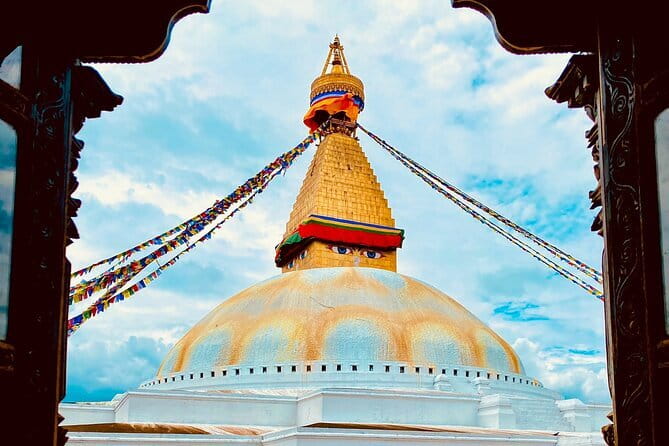
- Boudhanath kora moments with monasteries and incense in the air
- Pashupatinath by the Bagmati River showing a major sacred place tied to ideas of life and afterlife
A 7-hour Kathmandu Valley circuit with pickup and a culture-first guide
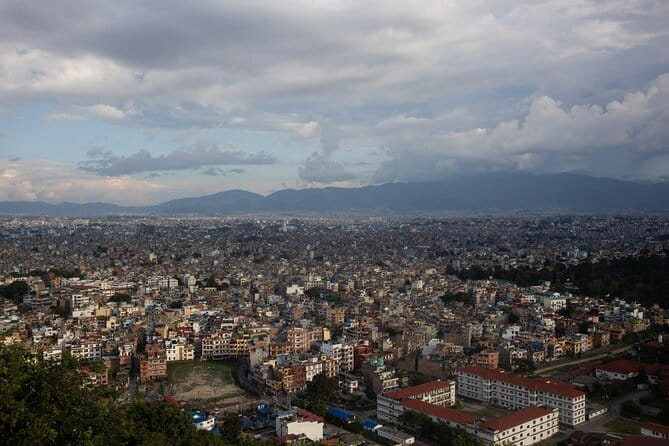
This is the kind of Kathmandu Valley day trip that works well when you want structure. You start at 9:30am, then ride in private transportation from one landmark to the next. That matters because traffic and decision-making in Kathmandu can eat your time—here, your guide does that part.
The guide component is the real engine of the trip. Based on feedback tied to this experience, Manish is a standout, with strong command of Nepal and religion, plus an energetic, motivating style. You’re not just standing at viewpoints—you’re getting explanations that help you understand why people behave the way they do at each site.
You also get a practical mix: the itinerary includes classic Buddhist landmarks and major Hindu temple space. That blend is useful if you want a quick, realistic sense of Nepal’s spiritual landscape and not just one faith tradition.
You can also read our reviews of more tours and experiences in Kathmandu


Stop 1: Swayambhunath (Monkey Temple) and what you’ll notice first
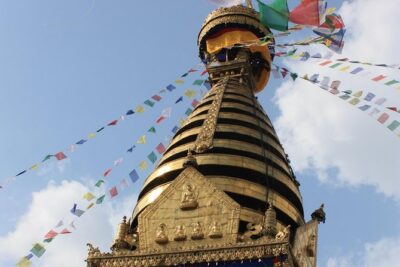
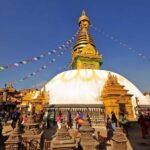
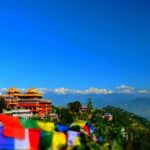
Swayambhunath, also called the Monkey Temple, is perched on a hill. The setting alone sets the tone: you’re moving through a forested approach up toward one of the most sacred Buddhist sites, connected strongly with Nepali Buddhism and lasting for more than 3000 years.
At this stop, you typically spend about 2 hours. That’s long enough to slow down, take in the stupa, and understand what you’re looking at instead of rushing through. Even if you’ve seen photos, there’s something different in person: the scale, the layers of religious symbolism, and the way visitors and devotees share the space.
One practical consideration: it’s a hilltop visit. Expect some uphill movement around the approach, and wear shoes that won’t punish your ankles. If you’re sensitive to crowds, go with a mindset of watching how pilgrims behave rather than hunting for quiet corners.
Stop 2: Patan Durbar Square and the Newar craft world
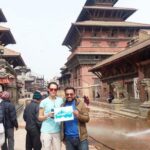
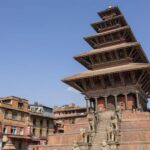
Patan Durbar Square is a World Heritage site, and it takes you straight into the heart of an old Newar kingdom. The big reason this stop works is that it’s not just a monument plaza—it’s tied to the region’s craft reputation, including metal-casting and wood-carving guilds.
You’ll spend about 2 hours here, which is a sweet spot for a compact but meaningful visit. You can read the architecture, notice how the buildings frame the square, and connect the physical space to the idea of a living city of skilled trades.
The Bagmati River is also part of the story as you cross into Patan’s older realm. That small detail helps you understand you’re not only moving between sites—you’re moving between cultural zones of Kathmandu Valley.
A useful way to approach Patan: don’t treat it like a quick photo stop. Ask yourself what the place implies about community life—how craftsmanship, faith, and power shaped the city that visitors still walk through today.
Stop 3: Boudhanath Stupa kora, incense, and Tibetan community energy
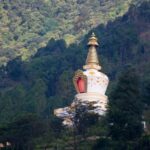
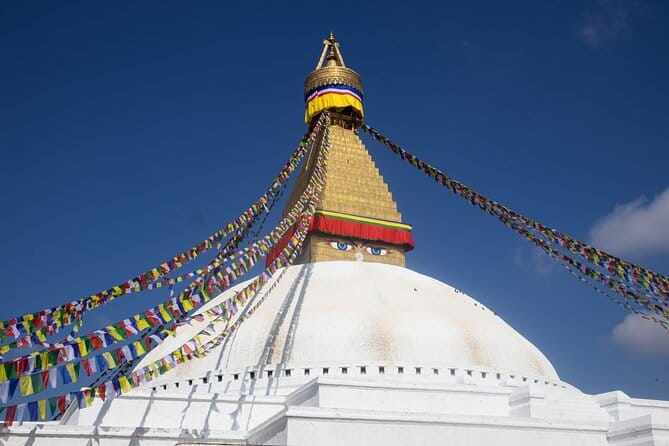
Boudhanath Stupa is one of those Kathmandu Valley sights that makes you slow down on purpose. The stupa is described as one of the world’s largest spherical stupas, and it’s strongly connected to the spiritual heart of the Tibetan community in Nepal.
You’ll have around 2 hours here, and the experience is designed around the idea of circumambulating, or kora, alongside monks. This part is where the tour’s “guided culture” approach pays off, because your guide helps you interpret the actions around you instead of making you guess.
There’s also a sensory element built into the visit: crimson-robed monks moving in a steady rhythm, and incense—specifically juniper—spiraling from rooftops. That’s one of the moments where it helps to stand still for a minute and let your eyes adjust. You’ll get more out of it than trying to capture everything through your camera lens.
If you’re prone to motion sickness, note that the kora circuit means walking around and around. Keep water handy, pace yourself, and remember: this stop is about atmosphere as much as landmarks.
Stop 4: Pashupatinath Temple by the Bagmati River
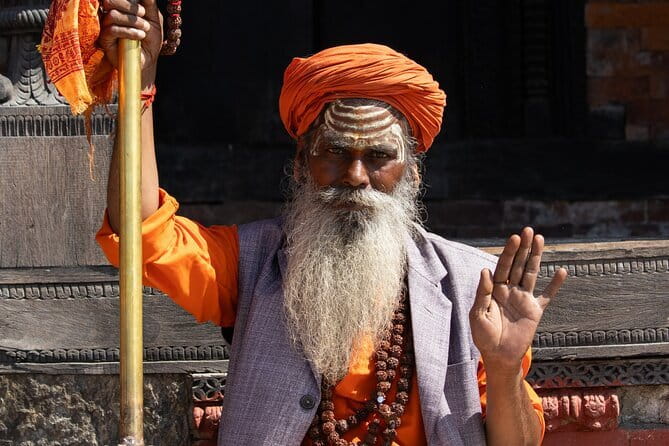
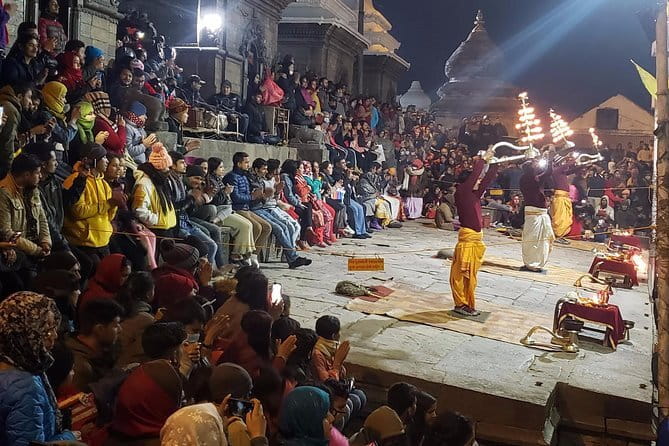
Pashupatinath Temple is an ancient sacred site on the bank of the holy Bagmati River. This stop leans into a theme you can feel right away: Nepal’s spiritual practices about the connection between the present life and what comes after.
You’ll spend about 1 hour here, which is tight but workable if you know what you want from the visit. Focus on understanding the meaning behind what you see—how the sacred space is used and why this location matters so much to believers.
The info highlights a key concept tied to the temple’s spiritual framing: life and afterlife, with ideas described as soul and body as separate entities. Whether you’re religious or just curious, that framing helps you interpret the seriousness of the activity around the riverbank.
Because this is a major sacred site, it’s also a place where you should move respectfully and keep your voice down. If you’re planning to photograph, pay attention to where people are placed and what feels appropriate rather than snapping from the first spot you find.
You can also read our reviews of more tours and experiences in Kathmandu

Price and what the $40 actually buys (plus the entrance budget)
The headline price is $40 per person for a full-day loop of Kathmandu Valley sights. In value terms, what you’re paying for is not just the admission to four places—it’s the package of private transportation plus a highly experienced cultural guide and time management across the day.
That said, there’s an important cost item to plan for. The info clearly states: entrance fees are not included and you’re expected to pay about $20 per person directly for monument entry. Meanwhile, the stop descriptions list admission tickets as free for each item, which creates confusion on paper. I’d handle this like a practical traveler: confirm the expected entrance payment with your operator before you go, and keep some cash or a card ready just in case.
If you’re comparing options, this is still likely a good deal for people who don’t want to figure out routes, meet points, and timing across multiple major sites. If you’re already comfortable building your own day with taxis and don’t care much about context, you could probably spend less on transport and guide time. But you’ll lose the “why this place matters” explanations that make the day connect.
What to expect from the guide experience (and why it matters)
This tour leans hard into guided interpretation. The included guide service is described as English (in-person) and English audio as well, which helps if you want language support without constant translation.
From the reviews linked to this experience, the guide’s role is praised in a very specific way: Manish is described as having great knowledge about Nepal and religions, with passion and an exciting style. That kind of energy matters more than you might think. It’s the difference between watching ceremonies pass by and understanding what you’re witnessing.
Also, the guide’s approach seems built around culture and tradition. You’re not only learning temple facts; you’re getting a feel for how people live with these beliefs as part of everyday life. That’s where the tour justifies its format instead of feeling like a checklist.
How to make the most of the day: pace, pickup, and site etiquette
You’ll move through four stops with time allocated per location. The day is structured enough that you don’t feel like you’re constantly rushing, but it’s still a full sightseeing day.
Here’s how to set yourself up:
- Dress for sacred sites: cover appropriately and keep your shoulders and legs in mind.
- Bring water and basic snacks; the day runs close to 7 hours.
- Wear sturdy shoes for hill approaches and temple-area walking.
- Be ready for incense and crowds, especially around the stupa and kora route.
Pickup is offered, and private transportation helps you start and finish without stress. Still, it’s smart to show up a bit early and be ready for departure at a set time once the day starts.
Site etiquette is not a side issue here. These are functioning sacred spaces. If you keep your behavior respectful and your movements slow near ceremonies, you’ll get more from the experience—and you won’t feel awkward when things get busy.
Who this Kathmandu Valley ticket tour is best for
This works best if you want a structured day and you value context. You’ll probably enjoy it if you:
- want an overview of both Buddhist and Hindu sacred landmarks
- like learning religion and culture in plain language
- prefer guided navigation over figuring out transport between sites
- want a day that fits into a short stay in Kathmandu
The info says most travelers can participate, and service animals are allowed. If you have mobility concerns, ask about the walking involved in the hilltop approach at Swayambhunath and the walking involved in the kora route at Boudhanath.
Should you book this Kathmandu Valley day trip?
Book it if you want a guided, culture-first introduction to Kathmandu Valley’s biggest spiritual stops without turning your day into logistics. The strongest reason to choose it is that the guide experience gets real praise—especially Manish’s knowledge and energy—so you’re not just moving between places, you’re learning what you’re seeing.
Skip it or price-compare if you already know the sites well and don’t want to pay for a guide, or if you prefer building your own route. Also budget for entrance fees as stated in the tour info, even if individual stop notes suggest free admission—confirm ahead so there are no surprises.
FAQ
What time does the tour start?
The tour start time is 9:30am.
How long is the full-day Kathmandu Valley experience?
It lasts about 7 hours (approx.).
Is pickup offered?
Yes, pickup is offered.
Is the guide included, and is the service in English?
Yes. The tour includes a cultural guide, and the information provided indicates English in-person and English audio.
Are entrance fees included in the price?
Entrance fees are not included. You’re expected to pay entrance fees for the monuments by yourself, listed as $20 per person.
How much does the tour cost?
The price is $40.00 per person.
What is the cancellation policy if weather is bad?
You can cancel for a full refund up to 24 hours in advance. The experience requires good weather, and if it’s canceled due to poor weather, you’ll be offered a different date or a full refund.