REVIEW · KATHMANDU
Kathmandu to Pokhara Premium sofa bus ticket
Book on Viator →Operated by New Road Travels and tours pvt ltd · Bookable on Viator
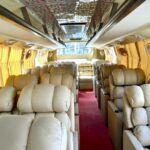
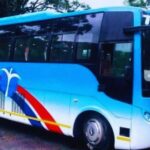
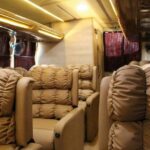
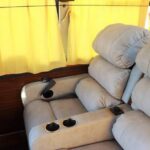
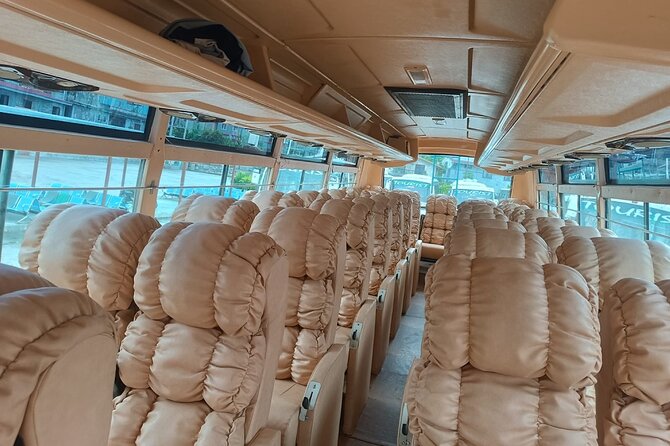
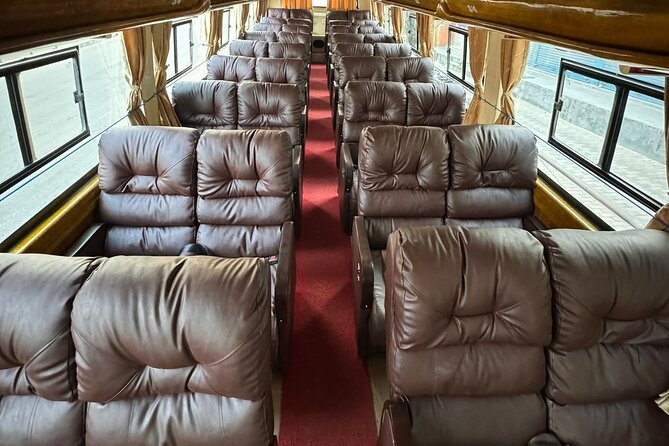
Kathmandu to Pokhara by sofa bus is an easy way to cover distance without thinking too hard, and this one is built for tourists with reclining comfort and simple break stops. I like that the seats are described as nice and reclining (with suspension so even back seats feel less rough), and I also like the practical rhythm: just two scheduled meal breaks with river views. One thing to consider is that the ride can run long if there’s road work or traffic, and AC is listed as included though some people report it isn’t strong the whole time.
The premium angle here is mostly about comfort and onboard basics: mineral water, local English/Nepali newspapers, and Wi‑Fi that may be spotty. You’ll also get a mobile ticket and a fairly small group size (max 30), which makes it feel less chaotic than some bargain buses.
If you’re hoping for a perfectly direct, uninterrupted highway run, set expectations: you’ll stop, you’ll get out, and the road itself has a lot to say about the timing.
In This Review
- Key things to know before you ride
- Kathmandu to Pokhara by Premium Sofa Bus: Is This Worth It?
- Price and Timing: The 6-Hour Plan vs. Reality
- Where You Board: Shorakhutte (Kathmandu) and Lakeside (Pokhara)
- Kathmandu pick-up: Shorakhutte
- Pokhara drop-off: Lakeside / Tourist Bus Park
- The On-Road Experience: What the Highway Ride Feels Like
- A quick reality check on comfort
- Seat Numbers, First-Come Comfort, and How to Get a Better Spot
- On-Board Perks: Water, Newspapers, and Wi‑Fi You Might Not Trust
- What you get
- The vibe inside
- Breakfast and Lunch Breaks at Malekhu/Kamalbari (With River Views)
- Why these stops matter
- Luggage Rules: Storage Works, But Don’t Overpack
- Direction and Scheduling: Kathmandu → Pokhara vs. Pokhara → Kathmandu
- Small Group Size and Tourist Focus: The Hidden Benefit
- Should You Book This Sofa Bus?
- FAQ
- How long does the Kathmandu to Pokhara bus ride take?
- Where do I catch the bus in Kathmandu?
- Where do I get off in Pokhara?
- Are meals included in the ticket price?
- Is Wi‑Fi and air conditioning included?
- How many stops are there during the trip?
Key things to know before you ride
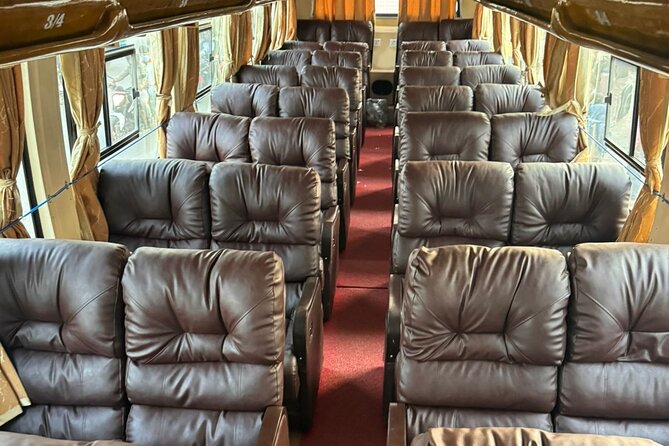
- Reclining sofa seats are the main comfort promise, with suspension to reduce the bumpy feeling
- Two planned breaks only: one for breakfast and one for lunch, both around the Malekhu/Kamalbari area
- Tourist-focused bus: it doesn’t stop just because someone waves it down on the highway
- Stations are close to popular areas: Shorakhutte near Thamel (Kathmandu) and Lakeside near Rastra Bank Chowk (Pokhara)
- AC and Wi‑Fi are listed, but power and signal can be inconsistent along the route
Kathmandu to Pokhara by Premium Sofa Bus: Is This Worth It?
For the money, this is a solid way to travel. The listed price is $11.50 per person, which usually means you’re buying convenience and comfort more than luxury. Here, that convenience shows up as reclining seats, AC mentioned for the whole trip, and onboard extras like a bottle of mineral water plus local newspapers.
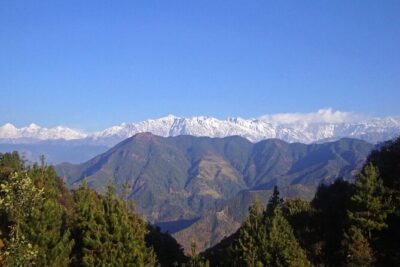
This route also has a real advantage over flying if you enjoy seeing daily life from the road. The bus passes through towns and city edges on the way out of Kathmandu, and you get views of the changing terrain as you drop toward Pokhara. If you like the idea of watching Nepal roll by instead of sitting in an airport, the highway ride is part of the experience.
Just keep your schedule flexible. Even when the trip is advertised at about 5–6 hours, road reconstruction and traffic can push it closer to a long day.
You can also read our reviews of more tours and experiences in Kathmandu
Price and Timing: The 6-Hour Plan vs. Reality
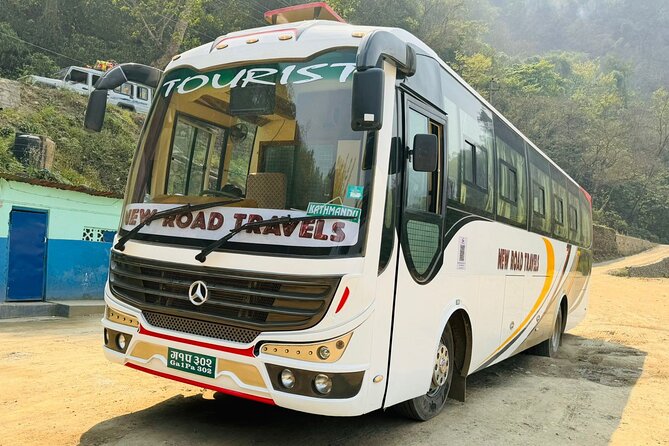
The journey is commonly described as 5–6 hours if everything goes smoothly. The bus is set up as a full tourist service with a punctual departure goal, and the route is designed to keep the ride efficient.
But here’s the honest part: the highway section has road reconstruction and traffic pinch points (notably around Kalanki to Naubise). That’s why some people end up with a much longer day—one recorded outcome was around 9.45 hours total.
So how should you plan?
- If you have a tight afternoon commitment in Pokhara, I’d leave a buffer.
- If you can treat it as a day trip, the ride works well because the bus still gives you frequent stretches and breaks.
Think of it like this: you’re paying to reduce hassles, not to guarantee a stopwatch-perfect journey.
Where You Board: Shorakhutte (Kathmandu) and Lakeside (Pokhara)
This bus is easy to reach if you stay near the tourist core.
Kathmandu pick-up: Shorakhutte
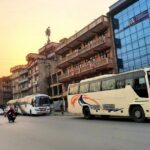
The main tourist bus station in Kathmandu is Shorakhutte, which is near Thamel. It’s described as about a 5-minute walk from Thamel, so you shouldn’t need a taxi to get there.
The route described on the way out is:
SHROKHUTTE – NAYABAZAR – BALAJU – SWYAMBHU – KALANKI
Also note the meeting point listed for this booking: New Road Travels and Tour Pvt Ltd in Kathmandu. If your email/booking confirmation gives a specific instruction, follow that. The schedule information also lists a departure of 07:00 AM, while the start time shown here is 6:30 AM, so there’s clearly a small timing difference depending on how your pickup is arranged.
Pokhara drop-off: Lakeside / Tourist Bus Park
In Pokhara, the bus station is Lakeside, near Rastra Bank Chowk. It’s described as around a 10-minute walk. The end point for this experience is the Tourist Bus Park near Lakeside, and that’s stated as about a 5-minute walk.
If your hotel is in Lakeside, this is convenient. If you’re headed elsewhere, you’ll likely spend a little time sorting transport after arrival, but at least you land in the tourist-friendly area.
The On-Road Experience: What the Highway Ride Feels Like
This bus service positions itself as a tourist-focused operation running the Kathmandu–Pokhara–Kathmandu route. It’s described as operating since 2007, with an emphasis on tourist bus service and maintaining a steady, careful ride.
In practical terms, this means you’re less likely to get stuck dealing with random local boarding along the highway. The service specifically states it doesn’t stop for local passengers who wave the bus down, and that matters because it can prevent unpredictable delays.
A quick reality check on comfort
The company’s comfort claims are strong on paper:
- Reclining seats made for comfort
- Air conditioning throughout is listed as part of the journey
- Buses are maintained well and cleaned daily
- Suspension is designed to avoid heavy bumpy impact even from later seats
Still, you should know that at least one issue showed up in the feedback: no AC for most of the trip. That doesn’t mean you’ll get a sauna every time, but it does mean you should plan for temperature shifts.
If you’re someone who runs cold, bring a light layer. If you’re someone who sweats easily, you might still feel warm when the AC is weak. That’s the safest way to handle it.
Seat Numbers, First-Come Comfort, and How to Get a Better Spot
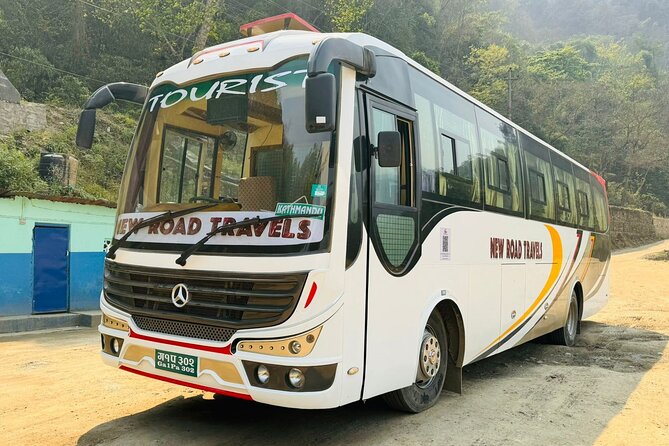
Seat assignment is based on timing. The system here is described as first come, first get, and it ties early seat chances to paying early and receiving early confirmation.
The comfort detail I found useful is that the bus has a suspension system designed to reduce bumps. Even if you end up in the last seats, the ride is supposed to stay fairly tolerable—so you’re not only chasing front-row bragging rights.
What I suggest:
- If you know you’ll want a specific seat (window vs. aisle), book early and confirm quickly.
- If you’re sensitive to motion, sit toward the front half if possible, but don’t stress too much; the bus is described as accommodating.
On-Board Perks: Water, Newspapers, and Wi‑Fi You Might Not Trust
This ride includes small extras that make the trip smoother.
What you get
- Complimentary mineral water (one bottle per person)
- Local newspapers in English and Nepali
- Wi‑Fi on board, though signal may be weak due to geography
Wi‑Fi on buses is always a gamble anywhere. Here the warning is explicit: it can be unreliable. So don’t plan on work calls. Do plan on passing time with reading, music, or just watching the scenery change.
The vibe inside
The service also states:
- Smoking is strictly forbidden inside
- There is a luggage storage space under/behind the seats
- Service animals are allowed
- The bus is near public transportation (useful once you arrive at the station)
A small but important note: keep your garbage off the floor and out of the window. Even if you’re tempted to flick a tissue, use a bin or container when available.
Breakfast and Lunch Breaks at Malekhu/Kamalbari (With River Views)
This is the most “Nepal by the roadside” part of the trip, and it’s set up to be simple.
The bus makes only two stops on the highway side of the route:
- Breakfast stop around Malekhu/Kamalbari for about 25 minutes
- Lunch stop around Maleku/Kamalbari for about 30 minutes
You’ll need to pay for breakfast and lunch yourself. What you get instead is:
- The time to eat
- The option to explore nearby spots briefly
- A setting described as river bank view during meals
Also, the service says these are hygienic food stops. I’d still be sensible—stick to what looks clean and freshly served—but at least you’re not being dragged into sketchy places.
Why these stops matter
On a long highway run, what breaks your day isn’t just time. It’s stress. By keeping breaks consistent and limiting them to two planned moments, the bus cuts down on waiting and uncertainty.
Also, if you’re hoping to stretch your legs after Kathmandu traffic, these stops give you a reset—so you won’t feel trapped for the whole day.
Luggage Rules: Storage Works, But Don’t Overpack
There isn’t a harsh luggage barrier. The bus has a large storage room for bags, and the guidance is flexible: no strict rules, but the service recommends not taking more than two luggage items.
That advice is practical. Even with storage space, stuffing too much gear creates problems when you’re trying to keep the aisle clear and find your things quickly at stops.
Bring:
- One main bag you don’t need every five minutes
- A smaller day bag for your water, layer, and anything you want during the ride
Direction and Scheduling: Kathmandu → Pokhara vs. Pokhara → Kathmandu
The bus runs both ways daily.
For Kathmandu → Pokhara, the schedule shown is:
- Shorakhutte departure: 07:00 AM sharply
- Fare listed as Rs 800 each
For Pokhara → Kathmandu, the schedule shown is:
- Lakeside departure: 07:30 AM sharply
- Fare listed as Rs 1000 each
Your specific booking for this experience shows a start time of 6:30 AM and a meeting point at New Road Travels and Tour Pvt Ltd. That usually means you may have a pre-departure window for check-in or ticket pickup.
Bottom line: don’t treat the departure time as one fixed fact. Use it as a target, and be at your meeting point early.
Small Group Size and Tourist Focus: The Hidden Benefit
This experience is set with a maximum of 30 travelers. That doesn’t mean chaos disappears, but it usually means:
- less jostling at the station
- more predictable boarding
- fewer surprises when the bus fills
It also helps that this is sold as a tourist bus service, not just regular local transport. Fewer random stops can make the journey feel calmer—even when the roads are rough.
Should You Book This Sofa Bus?
Book it if you:
- want an easy, budget-friendly way to go Kathmandu → Pokhara
- care about reclining seats and basic onboard comfort
- like planned meal breaks with a chance to step outside
Skip or think twice if you:
- can’t afford delays (road works and traffic can extend the ride)
- are very sensitive to AC quality, since some people report it wasn’t strong for most of the trip
- expect a truly nonstop highway run (there are two scheduled stops)
My take on the value: for around $11.50, you’re paying for comfort plus structure. If you go in with a flexible timeline and plan for a real road trip, it’s a good deal.
FAQ
How long does the Kathmandu to Pokhara bus ride take?
It’s typically listed as about 5–6 hours if everything goes smoothly. Road reconstruction and traffic can make the trip longer.
Where do I catch the bus in Kathmandu?
The tourist bus station in Kathmandu is Shorakhutte, near Thamel (about a 5-minute walk). This booking also lists a meeting point at New Road Travels and Tour Pvt Ltd.
Where do I get off in Pokhara?
The drop-off is at the Tourist Bus Park near Lakeside, which is stated as a short walk from Lakeside and near Rastra Bank Chowk.
Are meals included in the ticket price?
Breakfast and lunch are not included in the ticket price. The bus does stop for breakfast and lunch so you can buy food on-site.
Is Wi‑Fi and air conditioning included?
Air conditioning is listed for the journey, and Wi‑Fi is also included, but the signal can be weak and may not work reliably.
How many stops are there during the trip?
The bus makes two highway stops: one for breakfast (about 25 minutes) and another for lunch (about 30 minutes).