REVIEW · KATHMANDU
Kathmandu to Pokhara Tourist Bus Tickets reservation
Book on Viator →Operated by Thirdpole Treks & Travels - Kathmandu to Pokhara/Chitwan bus tickets reservations · Bookable on Viator
A long ride can feel civilized. This Kathmandu to Pokhara tourist bus is built for comfort-first travelers: you get an air-conditioned 35-seater coach and two reasonably timed stops for food. The one thing to plan for is road-work delays, since the highway is under construction and travel time can stretch beyond the usual estimate.
I also like the way the service keeps things organized for a day-trip feel. Departure from Nayabazar is early, check-in is before 7:00 AM, and you’ll have your seat details confirmed in advance. The possible drawback: even on a “tourist” bus, seat quality can vary a bit, so if you’re picky about bus condition, keep expectations grounded.
In This Review
- Key Highlights You’ll Care About
- Kathmandu to Pokhara Bus: How the Ride Actually Works
- Comfort and Safety: The Coach Setup You’re Paying For
- Timing, Road Works, and the Reality of 9–10 Hours
- Breakfast and Lunch Stops: Small Breaks, Big Relief
- Where You Start in Kathmandu (and How to Avoid a Miss)
- Pokhara Drop-Off: Getting to Lakeside Without Stress
- Price and Value: $22.90 Worth It or Not?
- Booking Reality: Mobile Ticket, Seat Details, and WhatsApp
- Who This Bus Suits Best (and Who Should Rethink It)
- Should You Book This Kathmandu to Pokhara Tourist Bus?
- FAQ
- Where does the bus depart in Kathmandu?
- What time should I arrive for check-in?
- How long does the Kathmandu to Pokhara trip take?
- Are breakfast and lunch included?
- Is the bus air-conditioned?
- Is water provided?
- Where does the bus arrive in Pokhara?
- How do I get from the bus park to Lakeside?
- How do I confirm my bus name, number, and seat?
- Can I cancel for a full refund?
- Is this bus suitable for most travelers?
Key Highlights You’ll Care About
- Air-conditioned 35-seater coach with comfortable reclining seating
- Two timed meal stops: 20-minute breakfast and 25-minute lunch
- Early departure (7:00 AM) from Nayabazar with check-in by 6:30 AM
- Drop-off at Tourist Bus Park in Pokhara (then 20–25 minutes on foot or ~5 minutes by taxi to Lakeside)
- Road works on the highway can add time, dust, and bumpy stretches
- Seat-level confirmation via WhatsApp after booking (bus name, number, and seat)
Kathmandu to Pokhara Bus: How the Ride Actually Works
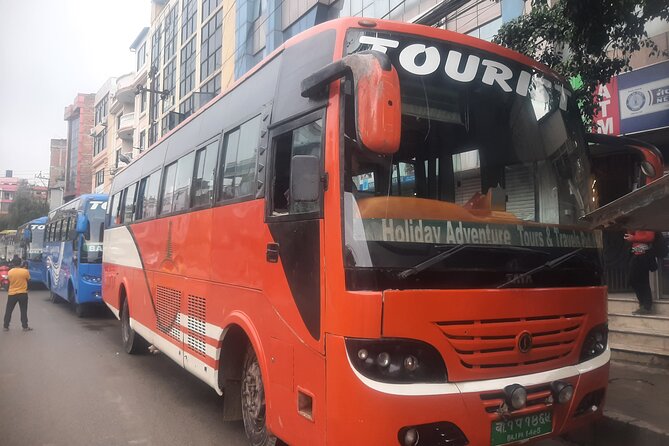
This is a straightforward point-to-point transfer: Kathmandu to Pokhara by tourist coach in one day. The departure is daily from Tourist Bus Stop, Nayabazar 16, with an early start that helps you beat the worst of the day’s congestion. The published schedule says daily departure at 7:00 AM, and you’re advised to arrive for check-in around 6:30 AM. That early timing matters, because it sets the tone for the whole day—less waiting, more predictable pacing, and fewer last-minute scrambles.
The distance is about 200 kilometers, and the trip typically takes 9–10 hours depending on road conditions. Right now, highway extensions are underway in sections, so it’s normal to lose time to slowdowns—especially where traffic is funneled to a single lane. The upside is you’re not guessing; the service flags the delay risk clearly, so you can plan your afternoon in Pokhara with a buffer.
One practical note: this is a shared one-way ride with a group limit of up to 36 travelers. That usually means you’re not packed into an uncomfortable minibus, and it’s likely to feel more orderly than hopping onto a random local vehicle last minute.
You can also read our reviews of more tours and experiences in Kathmandu
Comfort and Safety: The Coach Setup You’re Paying For
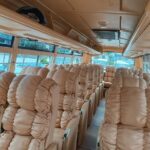
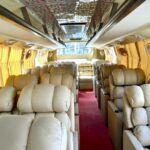
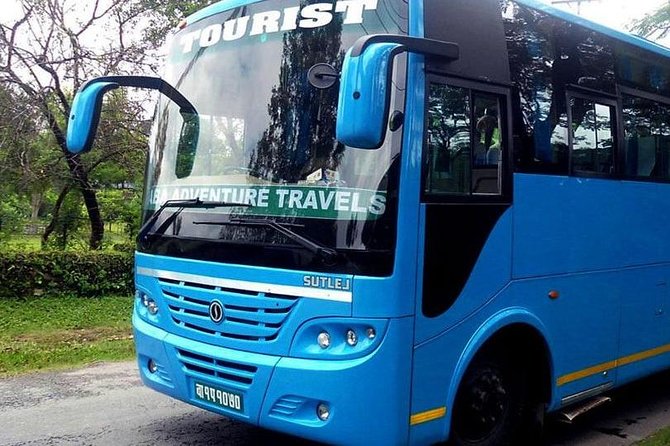
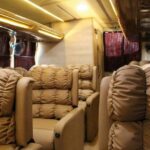
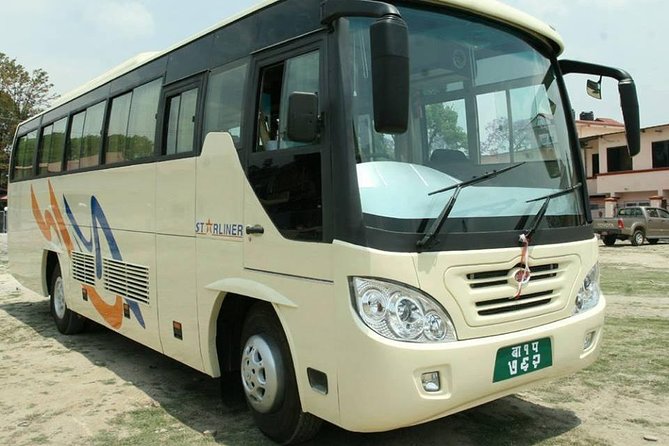
You’re paying for two things here: comfort level and reduced hassle. The coach is described as a 35-seater tourist vehicle with air conditioning and comfortable seats. In many road-trips across Nepal, air-con and seat comfort aren’t automatic—so when they’re explicitly included, it can make a big difference to how tired you feel when you arrive.
The operator also highlights responsible drivers and a zero accident record in the past decade. I take safety claims seriously, but I also read them as a promise about driver behavior and operational standards, not as a guarantee that nothing ever goes wrong. Still, when a provider takes pride in safety and shows up with an experienced driver, that reduces one of the biggest stressors of long-distance travel.
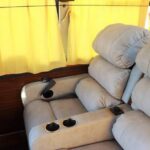
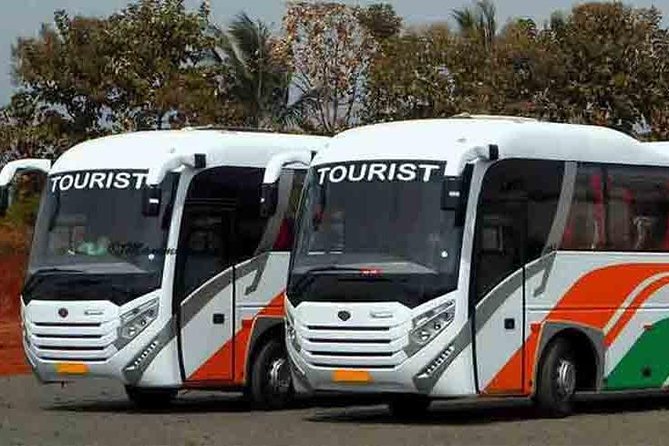
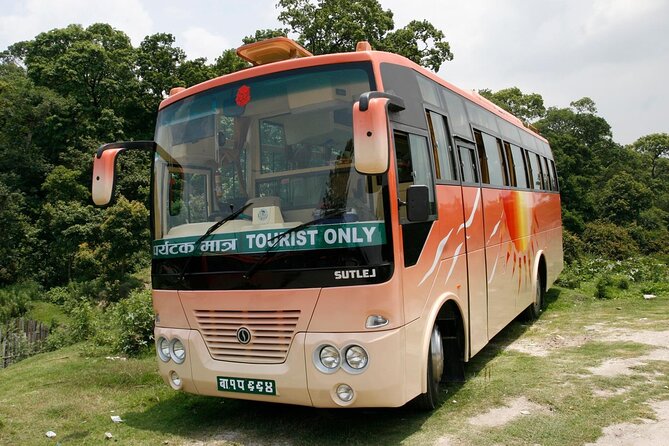
About that seat comfort: the service is aimed at people who want a nicer experience than standard local buses. You can think of it like this—this ticket is “tourist standard,” not necessarily fancy-luxury. Some riders describe seats as convenient and good, while others note the bus condition may not match promotional photos perfectly. If you’re prone to motion sickness or you’re very sensitive to ride quality, it’s smart to request a seat change early—this service indicates they can help with seat adjustments.
Timing, Road Works, and the Reality of 9–10 Hours
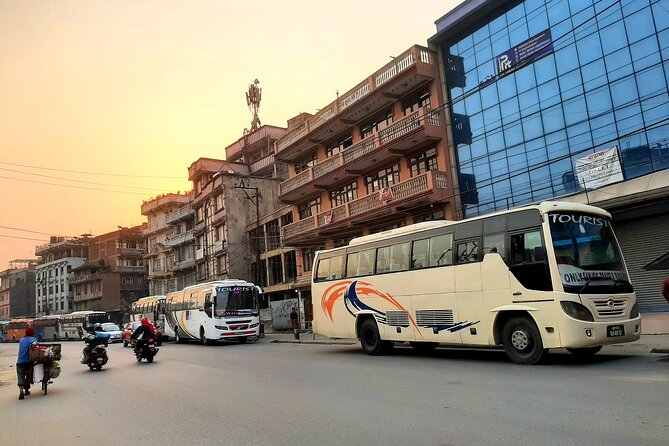
Here’s the honest math: the trip is 9–10 hours on average, but construction work can push it longer. Road extension activities mean slower sections, dust in some areas, and more time spent crawling through traffic. You may feel more bumps than you’d expect on a smooth highway, especially where trucks dominate the lane flow.
This matters for your planning. If you’re trying to connect to something time-sensitive the same day (a tight flight window, a late dinner with a strict start time, or a bus connection you can miss easily), give yourself slack. Instead of assuming you’ll arrive at the early end of the schedule, I’d treat arrival as flexible and plan Pokhara activities that can bend with the ride.
On the bright side, the morning departure and the structured stops reduce the most annoying parts of travel. You’re not guessing where to stop or when the driver will decide you’ve suffered enough. Even when the road is rough, you can still stay in “managed mode,” which is what you really buy when you choose a tourist service.
Breakfast and Lunch Stops: Small Breaks, Big Relief
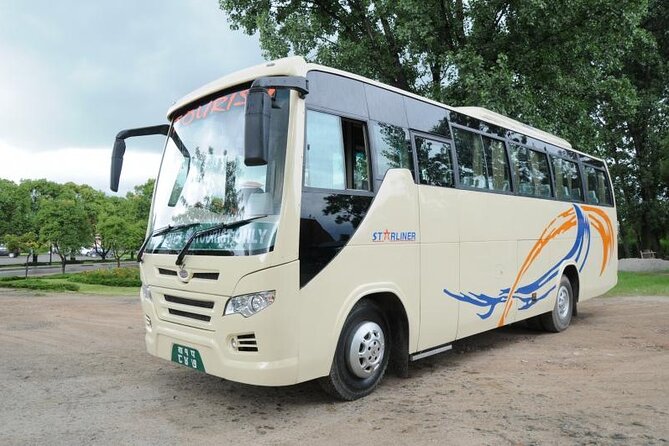
Unlike some long-distance routes where stops feel random or chaotic, this service includes two planned breaks at clean, well-maintained restaurants:
- 20-minute breakfast stop
- 25-minute lunch break
These stops are included as part of the bus journey time, but breakfast and lunch are not included in the price. That’s an important distinction: you get the chance to eat (and stretch), not a free meal.
In practice, that’s still good value because it saves you from the stress of finding food while you’re already tired and stuck on the road. You can choose what suits you—tea, eggs, rice, noodles, whatever feels right after a morning start. The included mineral water also helps you avoid that first frantic shop stop where you end up paying more or drinking something questionable.
One more travel tip: bring a little snack you like. Even with planned timing, you might not feel hungry at exactly the right moment. A small backup makes the ride smoother, especially if delays turn a quick lunch stop into a rushed one.
Where You Start in Kathmandu (and How to Avoid a Miss)
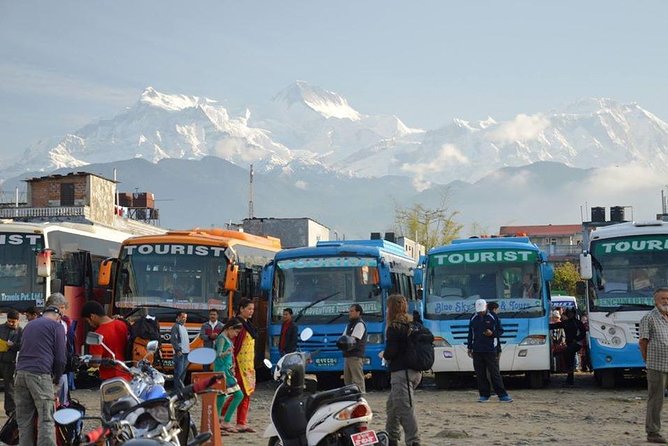
Starting location is Tourist Bus Stop, Nayabazar 16, Kathmandu. This is the kind of pickup spot where timing matters. If you arrive after the check-in window, you can end up stressed (and you don’t want that before a 9–10 hour drive).
You’re aiming to be there around 6:30 AM so you can check in before the 7:00 AM departure. The good news is the service doesn’t throw you into mystery solving. You’ll receive confirmation at booking time, and the provider can follow up to share key trip details.
Also, tickets are described as mobile tickets, which is helpful. Still, the operator advises you to contact them to confirm specific details like bus name, bus number, and seat number via Viator inbox or WhatsApp (call or message). That extra step is worth it because it helps you show up to the right bus rather than standing around with luggage wondering which coach is yours.





Pokhara Drop-Off: Getting to Lakeside Without Stress
Arrival is at Tourist Bus Park, Rasta Bank Chok, Pokhara. That matters because Pokhara’s center has a few different “arrival worlds,” and your last-mile plan depends on where you land.
From the bus park to Lakeside, it’s:
- about 20–25 minutes on foot, or
- about 5 minutes by taxi
That’s a helpful range. If you’re feeling energetic and want to get oriented, walking can be a low-cost way to learn the area. If you’re tired, a quick taxi saves time and energy. Either way, you should treat the final move as part of the trip—not an afterthought. Your bus ticket is validated up to the bus park, meaning you manage onward transportation after that point.
If you’re arriving and planning to check into a hotel, do it with this in mind: you’ll likely be dusty and tired after the highway, especially on a day with road-work slowdowns. Build in time to freshen up before you go exploring.
Price and Value: $22.90 Worth It or Not?
The listed price is $22.90 per person one way. For many travelers, that feels like a “tourist price” compared to what you’d pay on a standard local bus.
Here’s the value breakdown:
- You’re paying for air-conditioned comfort and tourist-standard seating
- You’re paying for organized departure from a tourist stop
- You’re paying for planned food breaks rather than random stops
- You may be paying for driver experience and operational reliability
The balance is that some people feel it’s expensive if they end up with a bus that feels closer to a normal coach than the best-case scenario in photos. Others say it’s good value because it feels safer, cleaner, and more comfortable than alternatives they used when other bus services ended.
So when is it worth it for you? If you want:
- a lower-stress ride,
- AC,
- a more predictable schedule,
- and fewer logistics headaches,
…then this ticket can be a smart buy. If you’re perfectly fine with a rougher ride, and you don’t care about air-con or seat comfort, a cheaper local bus might tempt you. But you’ll also be giving up the structure that makes long trips easier.
Booking Reality: Mobile Ticket, Seat Details, and WhatsApp
This is one of those travel products where the smooth experience comes from doing one small step correctly. The booking process includes confirmation, and you’ll get a mobile ticket, but you should expect to do a quick follow-up to confirm your exact bus name, bus number, and seat number.
How: contact the provider through Viator inbox or WhatsApp (call or message). That step is practical. It reduces the risk of ending up at the wrong bus—especially during peak times when multiple coaches look similar from a distance.
It also helps if you have a preference or a medical issue. One of the better pieces of feedback says the operator worked with a seat-change request for motion sickness. If you know you’re sensitive to movement, ask for seating preferences early rather than hoping for luck on departure day.
Finally, note the booking timeline: on average, this is booked about 23 days in advance. That doesn’t mean you can’t book later, but it does suggest this route sells steadily. If you’re traveling around holidays or you have a tight schedule, earlier booking is the safer move.
Who This Bus Suits Best (and Who Should Rethink It)
This experience is best for you if you’re traveling with a “let’s get there comfortably” mindset. It’s especially suitable for:
- first-time visitors who don’t want to deal with last-minute transport
- travelers who value AC and seat comfort
- people who appreciate planned stops rather than improvising meals on the road
- anyone who wants a clear, tourist-friendly pickup and drop-off
It’s less ideal if you:
- expect luxury-level comfort no matter what (the service also mentions deluxe/super-comfy sofa buses as an optional search for a different product type)
- are extremely sensitive to bus condition and smell
- want an exact arrival time that doesn’t bend with road construction
And if you’re thinking about the “deluxe” option: the provider says there are luxurious and super-comfy sofa buses you can find and book by searching for deluxe/luxury bus tickets reservations. So if comfort is your top priority, compare the products carefully before you choose.
Should You Book This Kathmandu to Pokhara Tourist Bus?
Book it if you want:
- an air-conditioned tourist coach,
- two built-in meal breaks,
- an early organized departure from Nayabazar,
- and a reliable drop at Pokhara’s Tourist Bus Park with easy access to Lakeside.
Think twice if:
- you’re very picky about bus cleanliness and seat condition,
- you need precise arrival timing,
- or you’re only choosing based on promotional comfort promises without confirming the exact bus type.
My best practical advice: if you do book, show up for check-in by 6:30 AM, message to confirm your bus and seat details, and plan your Pokhara afternoon with buffer time for construction delays. That way, even if the road gets rough, you’ll still feel in control. And that’s the real luxury on this route.
FAQ
Where does the bus depart in Kathmandu?
The bus departs from Tourist Bus Stop, Nayabazar 16, Kathmandu 44600, Nepal.
What time should I arrive for check-in?
The recommended arrival time is 6:30 AM, with departure at 7:00 AM.
How long does the Kathmandu to Pokhara trip take?
The journey takes about 9–10 hours, depending on road conditions.
Are breakfast and lunch included?
No. Breakfast and lunch are not included, even though the bus includes a 20-minute breakfast stop and a 25-minute lunch break.
Is the bus air-conditioned?
Yes. The service includes an air-conditioned vehicle.
Is water provided?
Yes. You get drinking mineral water included.
Where does the bus arrive in Pokhara?
The bus arrives at Tourist Bus Park, Rasta Bank Chok, Pokhara.
How do I get from the bus park to Lakeside?
From Tourist Bus Park to Lakeside is about 20–25 minutes on foot or about 5 minutes by taxi.
How do I confirm my bus name, number, and seat?
After booking, the provider advises contacting them via Viator inbox or WhatsApp to confirm your bus name, bus number, and seat number.
Can I cancel for a full refund?
Yes, free cancellation is available up to 24 hours in advance for a full refund.
Is this bus suitable for most travelers?
The service states that most travelers can participate. It’s a shared bus experience with a maximum group size of 36 travelers.