REVIEW · ANNAPURNA CIRCUIT TREKS
12 days Annapurna Circuit Trek
Book on Viator →Operated by Magnificent Himalayan Treks · Bookable on Viator
This trek hits a sweet spot: classic high passes plus real village life. You’ll move from the Trishuli River drive into the Manang region’s drier air, then end with the early-morning payoff at Poon Hill and Pokhara. It’s a structured route with a human guide team, so you spend less time figuring things out and more time enjoying the walk.
What I like most is the mix of included permits (ACAP and TIMS) and most meals on the trek. That cuts down on the small-but-annoying admin tasks that can slow you down. I also like the way the itinerary builds in pacing, with an acclimatization day in Manang before the big pass day.
One thing to consider: the schedule is long and altitude-driven, including an early start for Thorong La (wake around 3 a.m. on pass day). If you hate early mornings or you’re not comfortable with steep days, plan on extra recovery time and keep your pace steady.
In This Review
- Key highlights I’d circle on your planning map
- Route Overview: What You’re Really Getting on This 12-Day Circuit
- Price and Logistics: Is $1,100 Good Value for This Trek?
- What’s included that actually saves money (and hassle)
- What costs extra (so you can budget early)
- Guides and Safety: The Human Side of Magnificent Himalayan Treks
- Day-By-Day Breakdown: What Each Stop Feels Like (and what to watch for)
- Day 1: Kathmandu to Dharapani via Besishar (Trishuli River time)
- Day 2: Dharapani to Chame (the Manang District jump)
- Day 3: Chame to Upper Pisang (first big views at higher altitude)
- Day 4: Upper Pisang to Manang area (Geru views and colder, drier air)
- Day 5: Acclimatization in Manang (Ice Lake option)
- Day 6: Manang to Yak Kharka (moving into the pass approach)
- Day 7: Yak Kharka to Thorong Phedi (the ridge and bridge day)
- Day 8: Thorong La crossing (and Muktinath goal)
- Day 9: Muktinath to Tatopani (jeep transfer plus hot springs relief)
- Day 10: Tatopani to Ghorepani (Thakali settlements and the Kali Gandaki side)
- Day 11: Poon Hill sunrise, then trek to Birethani and bus to Pokhara
- Day 12: Pokhara to Kathmandu (bus included, flight optional)
- What You’ll Love Most: The Moments That Make the Circuit Worth It
- What to Pack and How to Pace Yourself (Simple rules that work)
- Who This Trek Fits Best
- Should You Book This 12-Day Annapurna Circuit?
- FAQ
- Will I need to buy trekking permits for this trek?
- What meals are included during the trek?
- Where does the trek start and how do I get there from Kathmandu?
- How do we travel around the middle and end of the trek?
- Is a porter available if I don’t want to carry my own bag?
- Is the Poon Hill sunrise worth the early start?
- Do I need to purchase a Nepal visa?
- What’s the optional return travel from Pokhara to Kathmandu?
- What’s the cancellation window?
Key highlights I’d circle on your planning map
- Permits handled for you: ACAP fee and TIMS card included
- Meals included on trek days: breakfast, lunch, dinner at tea houses/lodges
- A real acclimatization window in Manang before Thorong La
- Thorong La morning on the itinerary, starting around 3 a.m.
- Poon Hill sunrise view over Annapurna, Dhaulagiri, Machhapuchhre, and more
- Flexible departure from Pokhara: bus to Kathmandu included, flight optional at extra cost
Route Overview: What You’re Really Getting on This 12-Day Circuit
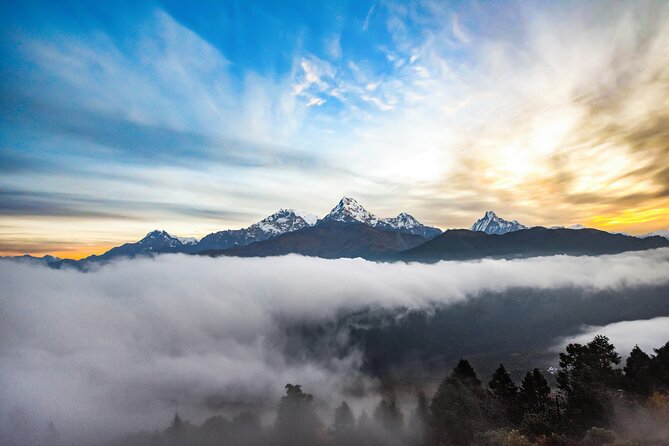
This is the Annapurna Circuit, the one people talk about for a reason. The route steadily changes altitude and air feel. Early on, you’re moving through forested valleys and working your way higher. By the Manang area, the air tends to feel drier, colder, and more exposed. That gradual shift matters, because it’s also how your body gets ready for high passes later.
You’ll also get multiple “type” days instead of a single boring rhythm. There’s the village-and-market feel in the lower sections. There’s the high, dry, rocky country around Manang and the pass approach. Then there’s the warm reset at the hot springs day near Tatopani. Finally, you land at the viewpoint day near Poon Hill, where the whole trek turns into a big early-morning photo mission.
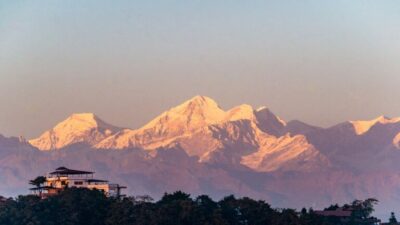
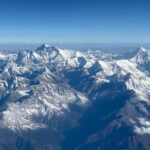
And if you care about mountains that feel close, this itinerary is built for that: Annapurna, Machhapuchhre (Fishtail), and Dhaulagiri are all specifically called out as part of the experience you’ll be able to see along the way.
You can also read our reviews of more hiking tours in Kathmandu
Price and Logistics: Is $1,100 Good Value for This Trek?
At $1,100 per person for about 12 days, the value depends on how you budget your trek “hidden costs.” The good news: this package covers a lot of the stuff that often surprises people later.
What’s included that actually saves money (and hassle)
- Government trekking costs: Annapurna Conservation Area Permit (ACAP) and TIMS fee
- Accommodation and meals on trek days: tea house/lodge stays with breakfast, lunch, dinner
- Transportation pieces: Kathmandu to Dharapani using public transportation, plus the Muktinath to Tatopani leg and Nayapul to Pokhara, and then Pokhara to Kathmandu by tourist bus
- A Kathmandu farewell dinner
- Guide support: government-licensed, English-speaking guide, and coverage of guide meals, insurance, salary, and lodging
When permits and meals are included, you’re not constantly stopping to sort out payment or scrambling for what’s next. That keeps the trek feeling like a plan instead of a series of negotiations.
What costs extra (so you can budget early)
- Drinks and alcohol
- Tips, laundry, phone costs, and personal gear extras
- Porter service: available for $20/day, carrying up to 20 kg
- Nepal visa (paid on arrival): 15 days USD 30, 30 days USD 50, 90 days USD 125
- Travel like an optional flight from Pokhara to Kathmandu (25 minutes), if you choose it
My take: if you were going to pay for guides, permits, and most meals anyway, this pricing feels fair. If you hate paying for planned structure, then a cheaper DIY route can feel tempting—but you trade that for extra logistics work and more risk around timing.
Guides and Safety: The Human Side of Magnificent Himalayan Treks
The company behind this is Magnificent Himalayan Treks. What stands out from the experiences shared about their team is that the service feels personal and responsive. Names that come up in feedback include Bhim Panta, plus guides like Manit and Kumar.
That matters on a trek like the Circuit. Things don’t only change because of scenery. They change because of weather windows, trail conditions, and how your body is adapting. Having an English-speaking, government licensed guide doesn’t mean you’ll never face surprises. It does mean you’re less likely to be stranded while someone figures out the next step.
Also, that early-day Kathmandu support is real. One review notes airport and baggage support, plus help through formalities and even a clean, well-located hotel. Even though you’re here for the mountains, it’s still nice when day-one stress gets reduced.
Day-By-Day Breakdown: What Each Stop Feels Like (and what to watch for)
This is a 12-day rhythm that mixes driving days with trekking days. The driving legs help, because the Circuit is already a lot of effort.
Day 1: Kathmandu to Dharapani via Besishar (Trishuli River time)
You’ll start with a drive from Kathmandu to Besishar along the Trishuli River, then take a jeep up to Dharapani for the night. This is a long first day, about 12 hours listed.
What I’d plan for: you’re not really “warming up” with light hiking. You’re mostly traveling. Bring snacks you can tolerate after sitting in a vehicle, and keep your first evening low-key.
Day 2: Dharapani to Chame (the Manang District jump)
Today’s trek takes you to Chame, headquarters of Manang District. As you gain altitude, the scenery shifts and you move through rhododendron forests. The key idea is that you’re transitioning from earlier valley feel toward higher, sharper terrain.
What to watch for: the higher you go, the more “slow and steady” becomes the winning strategy. If you push too hard early, you’ll feel it later when the schedule gets serious.
Day 3: Chame to Upper Pisang (first big views at higher altitude)
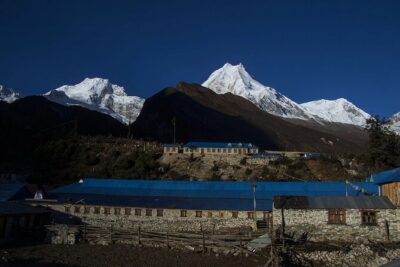
You’re aiming for Upper Pisang, around 3,300 meters. The itinerary calls out views of Lamjung Himal and the first morning light on peaks.
This day is often mentally important. Getting clear views early helps you understand what kind of scenery the trek is building toward. It can also encourage you to keep your pace conservative, because you’ll want to arrive with enough energy to enjoy it.
Day 4: Upper Pisang to Manang area (Geru views and colder, drier air)
You travel via Upper Pisang to Geru, with sweeping mountain views called out for Annapurna II, III, IV, Gangapurna, Tilicho, and Pisang Peak.
The itinerary explicitly notes the air getting drier and colder. That’s not a vague line. It’s the change you’ll feel in your breathing and comfort level, especially later in the day and at higher sleeping elevations.
Consideration: bring layers that actually work in cold conditions. Not just a jacket that looks good in town.
Day 5: Acclimatization in Manang (Ice Lake option)
You spend a full acclimatization day in Manang, sitting near Annapurna III’s base area with wide views of Annapurna and Gangapurna. There’s an option to stroll to Ice Lake to help you acclimatize.
This is a smart day. Many people underestimate how much acclimatization impacts your pass day experience. A calmer acclimatization day often makes the difference between feeling strong versus feeling fragile.
If you’re tempted to “win” the trek by doing everything fast, resist that instinct here. Acclimatization is your training day, not your brag day.
Day 6: Manang to Yak Kharka (moving into the pass approach)
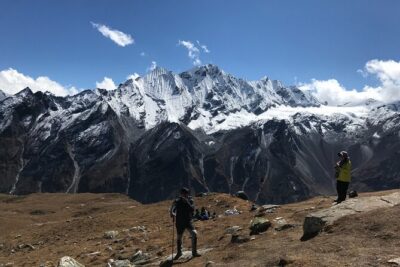
You leave Manang village and trek up toward Yak Kharka via Tenki village. The route crosses a stream and keeps climbing as you move northwest into the Jarsang Khola valley.
What this day feels like: more sustained effort. You’re not just hiking to a pretty village. You’re gaining height toward the final stages.
What to watch for: hydration. On the high Circuit, dehydration can sneak up quietly. Even if you don’t feel thirsty, keep water and fluids in your plan.
Day 7: Yak Kharka to Thorong Phedi (the ridge and bridge day)
Today you head to Thorong Phedi, the foot area of Thorong La pass. The itinerary includes ascent to a ridge, a descent, and crossing the Marsyangdi River on a wooden bridge, then more mountain approach work.
This is also a night-before-the-pass day in spirit. Even if you’ll still sleep a ways from the top, you’ll feel the “tomorrow energy” building.
I like this day because it’s not the summit day, but it’s close enough that you can test how your body reacts after a full day of climbing.
Day 8: Thorong La crossing (and Muktinath goal)
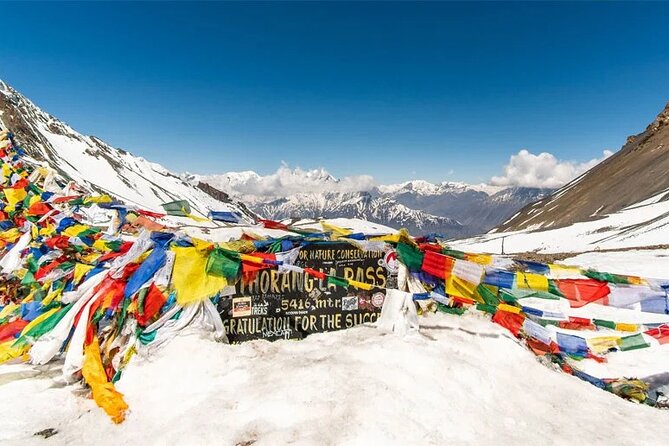
This is the big day. You start waking around 3 a.m. to begin climbing toward Thorong La pass. The itinerary describes reaching the summit before continuing, and you’re walking during the coldest, darkest part of the day.
After the pass, your final goal is Muktinath.
What to consider: this is not a hike you treat like a casual walk. It’s a stamina and cold-weather day rolled into one. If you get cold easily, plan on layering and pacing so you stay warm rather than blasting forward too quickly.
Day 9: Muktinath to Tatopani (jeep transfer plus hot springs relief)
You travel by jeep for about three hours from Muktinath to Tatopani. Then you rest at your lodge or visit the hot springs.
This is one of the best psychological breaks on the whole Circuit. A hot spring day gives your muscles a reason to calm down after the pass.
If you go to the springs, keep it sensible. You want relief, not exhaustion.
Day 10: Tatopani to Ghorepani (Thakali settlements and the Kali Gandaki side)
You trek through Thakali settlements including Sikha and Chitre, reaching the east bank of the Kali Gandaki River and then heading toward Ghorepani.
This is the part where the trek starts to feel more “South Asian village route” again. People move differently here. The trail often feels less stark than the high pass approach.
What to watch for: the ascent to Ghorepani still takes effort. It’s not a victory lap day, even if your legs are tired in a different way than Day 8.
Day 11: Poon Hill sunrise, then trek to Birethani and bus to Pokhara
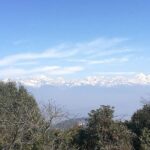
You start early for Poon Hill at 3,210 meters to watch sunrise across the Dhaulagiri and Annapurna range, including Machhapuchhre (Fishtail) and Annapurna. The itinerary strongly implies the key is timing: you’re up early so the view is worth it.
After sunrise, you trek from Ghorepani to Birethani, then take a bus to Pokhara.
This is a long day even though it includes a very short Poon Hill section (listed as 1 hour). The travel + viewing + trekking combo means your “arrival energy” matters. Try not to schedule anything important that evening besides dinner and sleep.
Day 12: Pokhara to Kathmandu (bus included, flight optional)
After breakfast in Pokhara, you’ll board a tourist bus to Kathmandu. Or, if you want to save time, there’s an optional 25-minute flight from Pokhara to Kathmandu (extra cost).
This final day is about landing comfortably after days of high altitude. If you’re sensitive to motion, bus can feel long. But it’s still straightforward and included.
What You’ll Love Most: The Moments That Make the Circuit Worth It
This itinerary stacks a few “decision points” that usually define whether people think the trek was worth it.
1) Manang acclimatization gives you a chance
The day in Manang isn’t filler. It’s the day you can feel your body adjusting, and it gives you energy for later.
2) Thorong La is the emotional peak
Crossing the pass around dawn is why this trek stays on lists. Even if you keep your expectations realistic, the effort + cold + height tends to create a strong feeling of accomplishment.
3) Poon Hill sunrise is accessible payoff
You don’t have to be a summit athlete to enjoy that sunrise viewpoint day. It’s still effort, but it’s built as a reward moment with a big view across the range.
4) Hot springs make recovery practical
Tatopani isn’t just scenic. It’s scheduled recovery, and that’s a big deal when your legs are tired.
What to Pack and How to Pace Yourself (Simple rules that work)
You’ve got cold mornings, higher altitudes, and lodge life. Pack for that, not for Kathmandu weather.
A practical approach:
- Layer system: warm base, insulating mid, wind layer you can pull on quickly.
- A daypack with water and snacks you can handle on climb days.
- Cold-wear essentials for early starts, especially Day 8 and Poon Hill.
- Keep your trekking pace conversational. If you can’t breathe calmly, slow down.
Also, consider using a porter if you’re unsure. Porters are available for $20/day and carry up to 20 kg. That’s not just convenience. It can mean you arrive less drained at high points.
Who This Trek Fits Best
This tour is described for moderate physical fitness, and the overall schedule assumes you can handle long trekking days (10–12 hours listed on multiple days) plus early starts.
You’ll likely enjoy it most if:
- You want a guided trek with licensed support
- You’d rather have meals, permits, and many logistics handled
- You’re excited by altitude progression and a planned acclimatization day
- You want the classic Circuit, with a strong finish at Poon Hill and Pokhara
If you’re very beginner-level, you may want a shorter trek or a less altitude-heavy itinerary. The pass day alone changes the difficulty profile.
Should You Book This 12-Day Annapurna Circuit?
If you want less stress and more time in the mountains, I’d say yes. The pricing is competitive when you account for ACAP + TIMS, most meals, lodge accommodation during the trek, and multiple transportation segments. The early-morning elements are the tradeoff, but they’re also where the itinerary pays you back with key views.
I’d only hesitate if you know you struggle with early wake-ups, cold mornings, or big altitude days. If that’s you, you can still plan smart—by using layers, pacing slowly on ascent days, and considering a porter—but you should go into it knowing the trek has a strong “high pass” core.
If you like adding extras, one review mentions a Tilicho Lake extension done with the same company, which suggests there may be options if you want more time in the high scenery after your Circuit days.
FAQ
Will I need to buy trekking permits for this trek?
No. The Annapurna Conservation Area Permit (ACAP) and the TIMS card fee are included in the package price.
What meals are included during the trek?
During the trekking portion, tea house/lodge accommodation includes meals: breakfast, lunch, and dinner.
Where does the trek start and how do I get there from Kathmandu?
You’ll travel from Kathmandu to Dharapani using public transportation, with the drive part going along the Trishuli River toward Besishar before continuing by jeep.
How do we travel around the middle and end of the trek?
The itinerary includes jeep transportation for Muktinath to Tatopani, trekking to Nayapul, and then transportation from Nayapul to Pokhara. From Pokhara to Kathmandu, you’ll use a tourist bus.
Is a porter available if I don’t want to carry my own bag?
Yes. Porters are available for $20/day and can carry up to 20 kg. Porter costs are not included in the base price.
Is the Poon Hill sunrise worth the early start?
It’s built into the plan. You’ll go early to reach Poon Hill (3,210 m) to see sunrise across the Annapurna and Dhaulagiri range, including Machhapuchhre (Fishtail) and Annapurna.
Do I need to purchase a Nepal visa?
Yes. The Nepal visa is not included. You obtain it upon arrival in Nepal, with pricing listed for 15, 30, and 90 days.
What’s the optional return travel from Pokhara to Kathmandu?
The package includes a tourist bus. There is also an optional 25-minute flight from Pokhara to Kathmandu for an extra cost (not included).
What’s the cancellation window?
You can cancel for a full refund up to 24 hours before the experience start time. If you cancel less than 24 hours before, the amount paid is not refunded.