REVIEW · EVEREST BASE CAMP TREKS
Everest Base Camp Helicopter Tour
Book on Viator →Operated by Travel Pinto · Bookable on Viator
Helicopter time on Everest is short but unforgettable. I like that this trip is built around actual viewpoints and possible landing at Base Camp or Kalapatthar (depending on helipad conditions), not just a vague fly-by. I also like the way the operator structures the day for comfort, including hotel pickup and a group setup that can help with window seats. One consideration: this is a weather-dependent experience, and the company says it won’t be refundable if you cancel for reasons other than poor weather.
You start early from Kathmandu (7:15am), fly to the Khumbu area, and stack several quick stops so you get multiple chances to see Everest’s neighbors. I like the practical route choices—like a fuel stop in Lukla and a split at Pheriche to manage groups. The main drawback is the fine print you have to respect: weight limits, extra fees, and optional food costs can add up.
In This Review
- Key things to know before you book this Everest Base Camp helicopter day
- How this Everest Base Camp helicopter tour really plays out (4–6 hours from Kathmandu)
- The route and stops: why Lukla, Pheriche, and Syangboche matter
- Kathmandu departure: fly-over planning before you reach the Khumbu area
- Lukla fuel stop: the trek-famous airport, but used for one thing
- Pheriche splitting point: window seats get attention
- Base Camp area viewing: the mountain lineup you’re aiming to catch
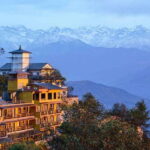
- Syangboche Marg and the Hotel Everest View breakfast stop
- Your “extra costs” reality check: value vs sticker price
- Aircraft, weight limits, and what to wear when it’s cold
- Getting good service: what Travel Pinto’s reputation signals
- Weather and cancellation: the part you can’t control
- Who this Everest Base Camp helicopter tour is for (and who should skip it)
- Should you book the Everest Base Camp helicopter tour?
- FAQ
- What time does the Everest Base Camp helicopter tour start?
- How long is the tour?
- How many people are in the group?
- Where will you pick me up and drop me off?
- Is food included?
- What are the main extra fees I should expect?
- What if weather is bad and the trip can’t run?
Key things to know before you book this Everest Base Camp helicopter day
- Base Camp vs Kalapatthar landing: your final landing spot depends on helipad conditions, so go in ready for either.
- Window-seat strategy at Pheriche: the itinerary uses a split plan (flying people in two waves) to help with window seats for the Everest Base Camp portion.
- Lukla isn’t just a stop: it’s the fuel stop at the airport many trekkers recognize as their Everest trail gateway.
- Breakfast timing at Hotel Everest View: you may land there for about an hour, but it’s weather-dependent, and breakfast costs extra (USD 31).
- Short helicopter legs add up to big views: flight segments are brief, but the day is paced around maximizing photo angles.
- Plan for weight and fees: the limit is 95kg (209 lbs); additional national park/airport/village fees are roughly USD 50.
How this Everest Base Camp helicopter tour really plays out (4–6 hours from Kathmandu)
This is a half-day style adventure that aims to deliver the Everest payoff without days of trekking. The day typically runs about 4 to 6 hours, and the helicopter time is split into quick segments. Even though the flight segments can be just 1–2 minutes at a time (depending on routing), you’re not just looking at Everest from one angle—you’re given multiple “view windows” during the flight and at landing points.
Your start is Kathmandu airport, with pickup and drop-off tied to your hotel details. Meeting time is listed as 7:15am, which matters because early weather often gives you your best odds for clear skies. If you’re thinking you can sleep in and still get great views, this plan is not built that way.
Group size is capped at up to 6 travelers (sharing is described as 5–6 passengers plus a pilot). That’s small enough to feel personal, but large enough that timing and routing are coordinated. For the operator, the day is basically a flight-plan puzzle: they line up the helicopter route, fuel needs, passenger splits, and landing feasibility.
One more practical note: you get a mobile ticket, which is convenient, but it also means you should keep your phone charged and ready for any check-in prompts.
You can also read our reviews of more tours and experiences in Kathmandu
The route and stops: why Lukla, Pheriche, and Syangboche matter
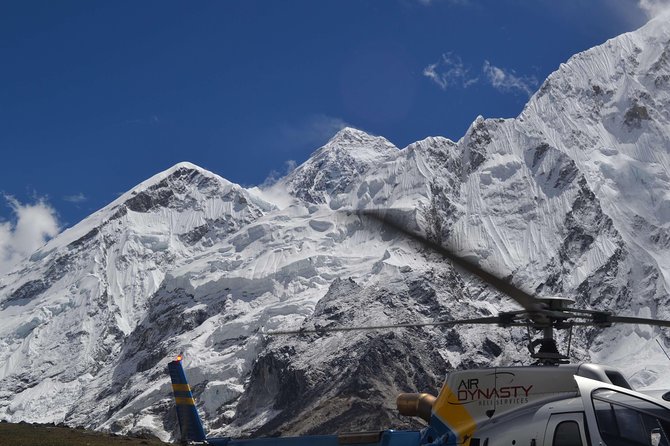
This tour isn’t a single straight line. It’s a sequence of stops that each serve a purpose—some practical (fuel and logistics), some about the views you’re chasing.
Kathmandu departure: fly-over planning before you reach the Khumbu area
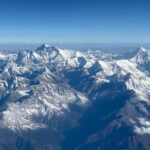
From Kathmandu, the route begins with a flyover of the Base Camp area’s highest viewpoints. The idea is simple: don’t waste time once you’re airborne. You’re shown a version of the Everest panorama first, then you continue toward Lukla.
This stage is where your photo expectations should be set. Helicopter viewing is fast. If you try to “stare like it’s a museum,” you’ll miss shots. Instead, treat it like capturing short movie clips: start recording early, then switch to still photos for the clearest peaks.
Lukla fuel stop: the trek-famous airport, but used for one thing
You make a quick stop in Lukla for fuel. The listed stop time is around 10 minutes. Importantly, Lukla is known as the airport where trekkers land before starting their Everest route. Here, you’re not trekking—this stop is a reminder that the Everest region runs on small logistics.
If you’re hoping for time to explore Lukla, keep expectations realistic. This is not a strolling stop. It’s a fuel and flight-management pause.
Pheriche splitting point: window seats get attention
Then comes Pheriche, described as an (old) splitting place if more than 3 passengers fly together. The updated note is where it gets interesting: the itinerary can split the group so that window seats are guaranteed for the Everest Base Camp part only. The plan described is that two people fly first, then the remaining passengers go, so window access is handled like a scheduling issue rather than a lottery.
This is a clever trick if window seats are your priority. But the practical takeaway is that you should be ready for short waiting moments and changing seating arrangements. If you want the best chance at photos, arriving with patience is as useful as having a camera.

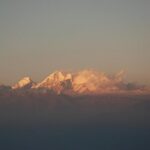
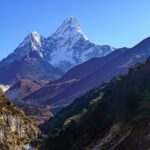
Base Camp area viewing: the mountain lineup you’re aiming to catch
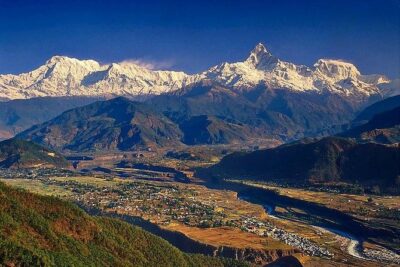
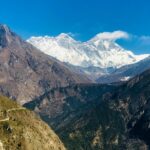
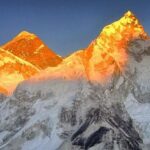
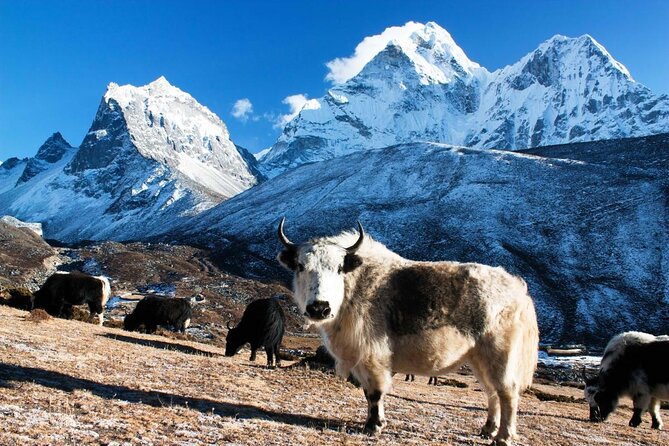
Once you’re at the Base Camp portion, the emphasis becomes straightforward: enjoy a flyover and viewing experience with a clear look at Everest and neighboring peaks. The specific mountains listed include:
- Mount Everest
- Lhotse
- Nuptse
- Mount Pumori
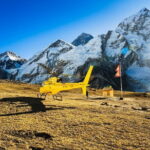
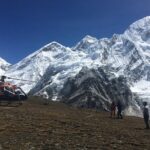
You’re encouraged to take videos and photos here because this is the “payoff window.” Also note that the overview says the operator may land in Everest Base Camp or Kalapatthar, based on helipad conditions. That means you shouldn’t treat Kalapatthar as guaranteed, or Base Camp as guaranteed. You treat both as possible wins.
In real terms, what this means for you is: pack for either scenario and keep your camera settings flexible. If visibility is strong, you can shoot peaks sharply. If visibility is thin, you’ll still get a sense of the scale, just with softer edges.
Syangboche Marg and the Hotel Everest View breakfast stop
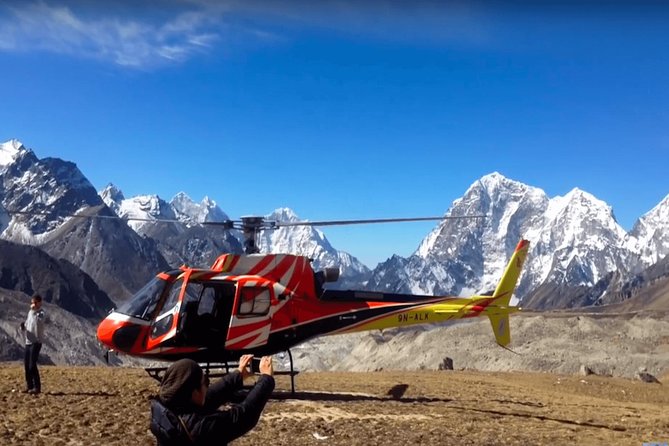
On the return leg, there’s a stop at Syangboche Marg, described as a landing breakfast point. This can include a landing at Hotel Everest View, but it is subject to weather.
The usual stop length is about 1 hour, and there’s a clear instruction about cost: breakfast isn’t included, and you should carry USD 31 per person for the set breakfast. If weather changes, you might not get this stop the same way, so I’d treat it as a bonus rather than a planned meal.
Why this matters:
- It’s one of the rare moments in a helicopter day where you might get to stand for a moment and reset your body.
- It also helps break up the flight rhythm so the trip doesn’t feel like pure transit.
What to do: if you want breakfast, bring the money they ask for and dress warm enough to wait outside. Even if you’re “only” at a lower altitude than Everest itself, you’re still in the cold zones of the region.
Your “extra costs” reality check: value vs sticker price
The tour price is listed at $1,700. For many people, that number is either “perfectly worth it” or “how much just to look at mountains?” The truth is more nuanced.
You’re paying for:
- Helicopter routing in a remote area with fuel stops
- Multiple landing points
- A small group with a pilot
- Hotel pickup and drop-off in Kathmandu
- The chance for a landing at Base Camp or Kalapatthar (when conditions allow)
So the value isn’t just the 4–6 hours. It’s the logistics and flight access. If you’ve ever tried to plan around permits, timing, and safety in remote mountain regions, you know helicopter access is expensive because it’s operationally hard.
Now for the costs that can surprise you:
- National park, airport tax, and Khumbu village development fees: listed around USD 50
- Breakfast at Hotel Everest View (if offered): USD 31
- Food and drinks: optional beyond breakfast
- Weight adjustment: maximum body weight limitation is 95kg (209 lbs). If you are more than 100 kg, you may need to pay extra.
This is why I recommend doing a quick “total trip math” before you commit. A good approach is to budget the base price plus roughly USD 50 in listed fees and an optional breakfast amount if you’ll actually want it.
Aircraft, weight limits, and what to wear when it’s cold
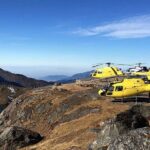
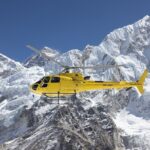
The tour mentions aircraft used for the flight: AIRBUS H125 (Eurocopter 350 is also referenced). The exact aircraft can affect seat feel and vibration levels, but the bigger issue is weather and temperature.
Packing guidance is explicit:
- Bring warm clothing even in warmer months: temperatures can drop around -5°C
- In winter, higher points can go to -10°C
That’s helicopter life: you’re exposed on the ground and you’ll feel it fast. Bring layers, not just one thick jacket. If you run cold easily, make the “cold insurance” decision early. In this region, your body can go from fine to miserable quickly.
Weight limits matter because helicopters have real constraints. The published maximum is 95kg for standard limits. Also note the tour lists total weight per passenger as 209 lbs. If you’re near the limit, plan ahead. If you’re over, expect extra charges.
Getting good service: what Travel Pinto’s reputation signals
Even though your day is driven by aviation logistics, the operator’s human support still matters—especially in Kathmandu. Travel Pinto is the company behind this experience, and their wider service reputation comes through in guide feedback.
In related trip reviews, I’ve seen positive mentions of guides such as Bishal and Bashu for Kathmandu and the Everest region experience, plus Mohan for Himalayan and ancient context while in Nepal. Other feedback also highlights strong communication and planning from Devendra, and local expertise from Dipendra.
You shouldn’t assume any one guide is assigned to your specific helicopter day, but these names do suggest a consistent focus on explanation and care, not just transportation.
The practical benefit for you is this: when you understand what you’re seeing—like what peaks you’re likely to spot—you enjoy the flight more. In a trip measured in minutes, clarity helps.
Weather and cancellation: the part you can’t control
This tour is described as requiring good weather. The provider’s policy also makes a key distinction:
- If the experience is canceled due to poor weather, you’re offered a different date or a full refund.
- If you cancel or request changes for other reasons, it’s non-refundable and cannot be changed.
So the planning strategy is simple: choose a date range with flexibility, and don’t treat one day like a guaranteed appointment with Everest. If you’re visiting for just one day, your risk increases—especially in shoulder seasons or when forecasts are uncertain.
Who this Everest Base Camp helicopter tour is for (and who should skip it)
This tour fits best if you want:
- Everest Base Camp access without trekking
- A short, high-impact day with multiple view opportunities
- Small-group handling (max 6 travelers)
- The chance to land at Base Camp or Kalapatthar when helipad conditions allow
It may not be ideal if:
- You need a firm, unchanging plan (weather can shift everything)
- You’re under 10 years old (not recommended)
- You don’t want to handle cold-weather packing
- You fall outside the weight guidelines or don’t want possible extra charges
If you’re prone to motion sickness, I’d also consider asking about your comfort level before booking, because helicopter days are bumpy by nature. That’s not stated in the data, so I can’t promise how it will feel for you—just plan wisely.
Should you book the Everest Base Camp helicopter tour?
If your goal is seeing Everest and major neighboring peaks in a limited time window, I’d say this is one of the most direct ways to do it from Kathmandu. The route is built around real viewing moments, with careful handling of group splitting at Pheriche and a shot at landing at Base Camp or Kalapatthar.
Book it if you can handle cold weather, you’re okay with extra fees (and optional breakfast costs), and you understand the experience depends on weather and helipad conditions. Skip it if you’re looking for a guaranteed landing no matter what, or if you can’t tolerate a schedule shift due to poor skies.
FAQ
What time does the Everest Base Camp helicopter tour start?
The start time is listed as 7:15 am from Kathmandu.
How long is the tour?
It runs approximately 4 to 6 hours.
How many people are in the group?
The experience can have a maximum of 6 travelers. The joining group sharing setup is described as 5–6 passengers plus a pilot.
Where will you pick me up and drop me off?
Hotel pickup and drop-off are included. You need to provide your hotel name and address so they can arrange the pickup time.
Is food included?
Breakfast is optional. There is a set breakfast at Hotel Everest View subject to weather, and it costs USD 31 per person. Food and drinks are otherwise listed as optional.
What are the main extra fees I should expect?
You should plan for compulsory national park fees, airport tax, and Khumbu village development fees, which are listed around USD 50. Also note the optional breakfast cost if that landing point is available.
What if weather is bad and the trip can’t run?
The experience requires good weather. If it’s canceled due to poor weather, you’ll be offered a different date or a full refund.