REVIEW · HISTORICAL TOURS
UNESCO Five World Heritage Tour in Kathmandu
Book on Viator →Operated by Himalayan Advisor Pvt. Ltd. · Bookable on Viator
Kathmandu’s sacred spots pack into one smooth day. This private full-day tour strings together some of the most important UNESCO sites in the Kathmandu Valley, with a guide explaining how Buddhist and Hindu traditions overlap in real, visible places.
I especially love two things: the hotel pickup and drop-off for places inside the Ring Road (including Bouddha area), and the fact that entry fees are included, so you spend more time looking and less time sorting receipts.
One caution: it’s a long stretch of sightseeing for about 7 to 8 hours, and there are many temple courtyards and steps along the way. Add the fact that food and drinks aren’t included, and you’ll want to plan a lunch stop on your own.
In This Review
- Key highlights worth showing up early for
- How this one-day UNESCO route actually helps you enjoy Kathmandu
- Price and value: what $130 covers and why it matters
- Starting at Swayambhunath: the hilltop meaning you can see
- A quick stop that adds depth: Amideva Buddha Park
- Kathmandu Durbar Square: royal space, religious layers, and repairs you can notice
- Basantapur to Patan: how Patan’s royal court feels different
- Patan Durbar Square and its Newari architecture story
- Patan Museum and the Golden Temple: craft, materials, and symbolism
- Shiva’s side of Kathmandu: Vishwanath and Bhimsen in the same circuit
- Pashupatinath: a Hindu complex with scale you feel
- Boudhanath: finishing with Buddhism’s large dome and prayer wheels
- Why the guide matters: timing, flexibility, and answers you can use
- Pacing and comfort: plan for a long sacred day
- Should you book this UNESCO Five World Heritage Tour in Kathmandu?
- FAQ
- What time does the tour start?
- How long is the tour?
- Is pickup included, and where do they pick up?
- What’s included in the price?
- Is food included?
- Can I get a refund if I cancel?
Key highlights worth showing up early for
- Ring Road pickup keeps your morning stress-free, especially if you’re staying near Bouddha
- Entry fees included across UNESCO highlights means fewer admin hassles
- Swayambhunath and Amideva Buddha Park start the day with the Buddhist-Hindu overlap in plain sight
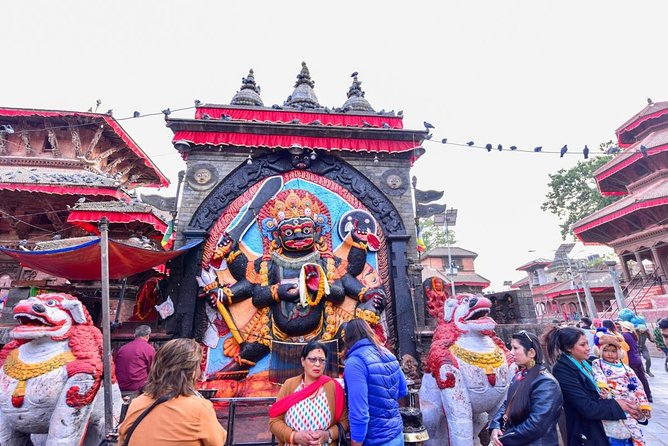
- Kathmandu Durbar Square details like Basantapur Tower, Taleju Temple (built in 1564), and Kumari Chowk make the story feel local
- Patan Durbar Square and Patan Museum connect the architecture to the craft behind it
- Strong guide performance comes up again and again, with guides like Shanti, Sarita, Rabina, and Tej praised for their timing and answers
How this one-day UNESCO route actually helps you enjoy Kathmandu
If you have limited time, Kathmandu can feel like two different cities at once. One moment you’re in busy street life; the next you’re standing in front of sacred structures that have been shaping local identity for centuries. This tour works because it’s built as a single connected day: you start early, move logically through the valley, and get enough context to make the sites click.
The big practical win is the private car paired with pickup and drop-off within the Ring Road area, including Bouddha. That matters more than people think. In Kathmandu, traffic and short-distance hops can eat time fast. Here, you’re not negotiating transport or waiting for random taxi availability. You also avoid the common problem of arriving at temples and spending your first hour only trying to figure out where to go next.
The day runs about 7 to 8 hours, starting at 9:00 am. That’s the right window for seeing multiple major landmarks without turning the day into a marathon. Just treat it as a full sightseeing block, not a casual stroll.
You can also read our reviews of more historical tours in Kathmandu

Price and value: what $130 covers and why it matters
At $130 per person, this tour isn’t trying to be the cheapest option in town. It’s positioned as a time-saver and hassle-reducer, and you can feel that in what’s included.
Here’s what you get:
- Transport by private car
- Professional guide
- Hotel pickup and drop-off within the Ring Road area (including Bouddha area)
- Entry fees for all heritage sites
That last point, entry fees included, is real value. UNESCO-area tickets can add up, and they also slow you down when you’re unsure what to pay or where to line up. With tickets handled, you keep your momentum.
Two things to keep in mind. First, food and drinks aren’t included, so you’ll want to budget for lunch separately. Second, it’s often booked about 55 days in advance, which suggests people treat this as a “schedule anchor” during a short trip. If your dates are fixed, plan ahead.
Starting at Swayambhunath: the hilltop meaning you can see
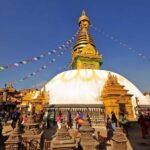
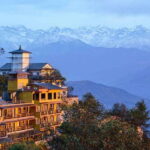
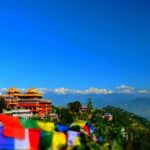
You begin at Swayambhunath, a UNESCO World Heritage Site where the site’s importance is shared across Buddhist and Hindu communities. The appeal here isn’t only the monument. It’s the way the place reflects Kathmandu’s cultural overlap. You’re not just touring a building—you’re stepping into a living religious landscape.
This stop lasts about 1 hour, so it’s enough time to take in the overall atmosphere without rushing to check a box and move on. Expect the kind of sacred intensity that makes your guide’s explanations matter, because small symbols and mixed traditions can be confusing if you’re going in cold.
A quick stop that adds depth: Amideva Buddha Park
Right near the Swayambhunath hill area is Amideva Buddha Park, a smaller stop (around 15 minutes) with three large statues of Shakyamuni Buddha. This is the type of place that can get skipped on fast tours, but it’s a good palate cleanser after a bigger landmark.
Think of it as a short “reset button.” You get a focused view of Buddhist iconography without the pressure of a long line or a huge crowd scene. Since admission is included, you don’t lose time figuring out tickets.
Kathmandu Durbar Square: royal space, religious layers, and repairs you can notice
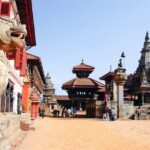
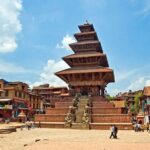
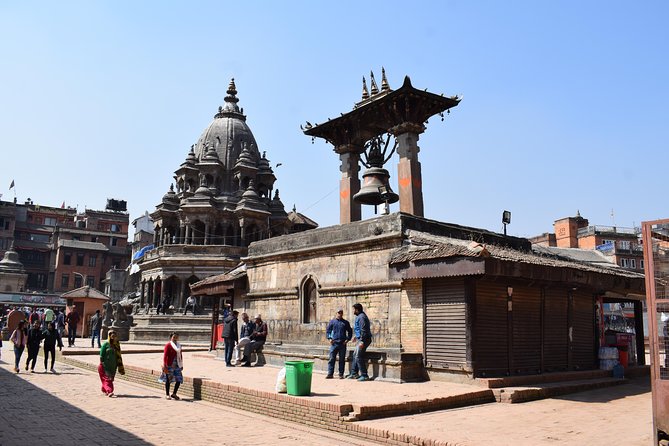
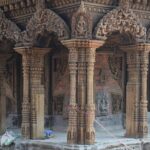
From Swayambhunath, the tour moves into the political and architectural heart of old Kathmandu at Kathmandu Durbar Square. This is where you see royal power expressed through temple design and courtyard layouts. The tour time here is about 1 hour.
One interesting angle you’ll notice on the ground is that parts of the area may be under reconstruction. That can be frustrating if you expected everything to look untouched. But it also makes the story more honest: heritage isn’t frozen in time, and rebuilding is part of how the community keeps these places alive and usable.
Inside the Durbar Square area, you also have shorter stops that add detail:
- Basantapur Tower (about 30 minutes) for a strong architectural presence
- Degu Taleju Temple (about 10 minutes) linked to Taleju Temple, built in 1564
- Kumari Chowk (about 10 minutes), the courtyard associated with Kumari, the living goddess selected until puberty
- Kaal Bhairab (about 5 minutes), a statue of Bhairav within Kathmandu Durbar Square
Kumari Chowk is especially memorable because it’s not just a visual landmark. It’s tied to an ongoing tradition about how the city defines a sacred person and a living role. Even if you don’t know the details before you arrive, your guide’s commentary helps you understand what you’re looking at.

Basantapur to Patan: how Patan’s royal court feels different
After Kathmandu Durbar Square, the day shifts across the valley into Patan, starting with the Patan Royal Palace area (about 1 hour). Patan’s Durbar Square and surrounding sites carry their own personality. The layout and craft details feel distinctly Newari in style, and your time here helps you compare how two royal centers express faith and identity.
Within this area, you’re guided through several specific highlights described with the palace-court setting, including places associated with Krishna Temple and Tulaja Devi Temples, plus the Patan Museum and more.
Patan Durbar Square and its Newari architecture story
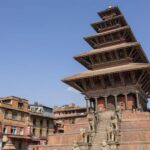
Next up is Patan Durbar Square (about 45 minutes). This stop is all about the architectural and artistic density of the Newar community—temples, courtyards, and carved creations shaped by local craft traditions.
Durbar squares can feel similar at first glance if you’re rushing. Here, the value is your guide’s ability to point out why these spaces matter: they’re not just pretty backdrops. They reflect a culture with strong local building knowledge and a long tradition of temple-centered public space.
From there, you have more focused micro-stops:
- Taleju Mandir Temple (about 15 minutes), rebuilt after a fire in 1676
And then you move into the museum portion, which is often the best “wind-down” for people who want context without constant walking.
Patan Museum and the Golden Temple: craft, materials, and symbolism
Patan Museum is scheduled for about 15 minutes, and that short time is worth it if you use it strategically. You’ll see older statues and crafted elements like carved windows and wooden pillars. Even in a brief visit, this kind of look helps your brain connect the dots between what you see outside on courtyards and what those designs originally meant.
Then comes Golden Temple (Hiranya Varna Mahavihar), about 10 minutes. This is a 12th-century style temple with bronze statues and decorative elements described as covered in silver and golden decorations. It’s pagoda-style, and there’s a golden image associated with Lord Buddha.
This is the moment where the day’s religious blend becomes visually obvious. Buddhist iconography is present, but the way the artistry is done feels like it belongs to a Newari urban craft tradition. Your guide helps you slow down long enough to actually notice materials and symbolism.
Shiva’s side of Kathmandu: Vishwanath and Bhimsen in the same circuit
You’ll also pass by Vishwanath Mandir Temple (about 5 minutes), built during the reign of Siddhi Narsingh Malla and dedicated to God Shiva. It’s brief, but it reinforces the mix of traditions you’re seeing across the valley.
Then there’s Bhimsen Temple (about 15 minutes), built in 1680 by Srinivasa Malla, worshiped by the Newar community as a god of business and trade. This stop is a good reminder that religion here isn’t only about rituals. It’s also tied to daily life, work, and how a community explains prosperity and livelihood.
Pashupatinath: a Hindu complex with scale you feel
The tour’s last major “big” spiritual site is Pashupatinath Temple, scheduled for about 1 hour. This complex contains over 500 shrines and temples and is described as a main temple for Shiva devotees.
What makes this stop powerful is the sense of scale. One-hour can’t possibly let you see everything, but it gives you enough time to understand that this is a large living religious zone, not a single monument. As you enter, you’ll see many pagoda structures around the complex, which helps you visualize how the area is organized.
If you’re the kind of person who likes knowing what matters and why before you walk into a sacred space, your guide’s commentary will do a lot of work here. It’s the difference between seeing structures and understanding what they’re connected to.
Boudhanath: finishing with Buddhism’s large dome and prayer wheels
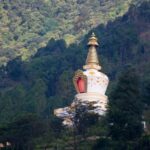
Finally, you visit Boudhanath Stupa (about 1 hour). This is described as a symbol of Buddhism in Nepal, with a large dome-shaped stupa about 36 meters high, surrounded by prayer wheels and picture carvings associated with Buddha.
This is a great closing stop because it feels calmer than the Durbar Square areas. It also gives you time to shift gears mentally. After seeing Hindu-centric symbolism at Pashupatinath, you end on a Buddhist monument where the visual language is different but equally meaningful.
Why the guide matters: timing, flexibility, and answers you can use
The most praised part of this tour is the people running it. Guides such as Shanti, Sarita, Shanthi, Rabina, and Tej are described as professional, polite, attentive, and service-minded. The consistent theme is answers that feel complete rather than a quick script.
You also see praise for timing that stays on track. People mention impeccable pacing, which is crucial on a day this packed. Another strong theme is flexibility: one guide is described as accommodating shopping without rushing, and another is praised for working later when needed. That kind of real-world flexibility can turn a rigid day into something you actually enjoy.
If you’re someone who asks questions (or just wants better explanations than what a sign can offer), this tour’s guide style seems like a big part of its value.
Pacing and comfort: plan for a long sacred day
Even though this tour is organized and stress-free, you’ll still be on the move for most of the day. You’re visiting multiple distinct areas: hilltop sites, royal squares, museum interiors, and major temple complexes.
So I’d plan like this:
- Wear comfortable shoes you trust on uneven surfaces
- Bring something for water breaks, since food isn’t included
- Expect short stops mixed with longer ones, so you’ll have both quick hits and time to slow down
And because it’s private, you can often adjust your walking pace to your group without worrying about holding up a big bus. That’s a quiet advantage.
Should you book this UNESCO Five World Heritage Tour in Kathmandu?
Book it if you want a high-efficiency day that still feels guided and meaningful. The combination of private transport, included entry fees, and a guide who can explain how Buddhist and Hindu traditions overlap makes this a strong choice for first-time Kathmandu visitors with limited time.
Skip it or reconsider if you prefer slow travel with lots of free wandering. This is a structured circuit, and even though it’s private, the day is still tightly scheduled across many major locations.
If your priority is seeing the key UNESCO landmarks in one shot, while also understanding what you’re looking at, this is a very sensible way to spend a Kathmandu day.
FAQ
What time does the tour start?
It starts at 9:00 am.
How long is the tour?
It runs about 7 to 8 hours.
Is pickup included, and where do they pick up?
Yes. Hotel pickup and drop-off are included for hotels inside the Ring Road area, including the Bouddha area.
What’s included in the price?
Transport by private car, entry fees for the heritage sites, a professional tour guide, and hotel pickup/drop-off within the Ring Road area (including Bouddha).
Is food included?
No. Food and drinks are not included.
Can I get a refund if I cancel?
Yes. Free cancellation is available up to 24 hours in advance for a full refund. If you cancel less than 24 hours before the start time, there is no refund.