REVIEW · 7-DAY EXPERIENCES
Langtang Trek from Kathmandu 7 Days
Book on Viator →Operated by My Dream Adventure (MDA) · Bookable on Viator
Langtang Valley has that rare mix of culture and big mountain views. In a tight 7 days, you’ll walk through Tamang and Sherpa village life, hike above rhododendron forests, and reach the kind of panorama people come to Nepal for.
What I like most is how the route stays friendly for people with moderate fitness, while still delivering serious Himalayan scenery. I also like that you’re not left guessing: you get an English-speaking guide, lodge stays, and the key paperwork handled with permits and a TIMS card. The main drawback to plan around is altitude. Even with a reasonable pace, you’ll still be working at higher elevations for parts of the trek.
In This Review
- Key highlights worth your attention
- Langtang Trek in 7 Days: why this route feels like the sweet spot
- Price and logistics: what you’re really paying for
- Before you go: permits and the passport photo reality
- Day-by-day: from Kathmandu to Syabrubesi and into the valley
- Day 1: Kathmandu to Syabrubesi (Shyfru Bensi) and lodge night
- Day 2: Syabrubesi to Lama Hotel (walk beside the Tang valley)
- Day 3: Lama Hotel to Langtang Village (forest and village culture)
- Day 4: Langtang Village up toward Kyanjin Ri and Kyanjin Gompa
- Day 5: Kyajin Ri viewpoint (around 4,700 meters) and back down to Lama Hotel
- Day 6: return trek to Syabrubesi (Shyfru Bensi) and lodge night
- Day 7: Syabrubesi to Kathmandu, ending in Thamel
- Lodges and comfort at altitude: what to expect
- The guide and the value of not thinking too hard
- What makes Langtang Valley special: views, rhododendrons, and village life
- Who this trek fits best
- Should you book this Langtang 7-day trek?
- FAQ
- FAQ
- What’s the duration of the Langtang Trek from Kathmandu?
- Where does the trek start and end?
- Is hotel pickup and drop-off included?
- How do you travel between Kathmandu and Syabrubesi?
- What permits do I need for this trek?
- Do I need to provide passport information?
- What level of fitness is required?
- Is there an English-speaking guide?
- What kind of accommodation is included?
- Is this a private tour?
- What’s included in the price, and what isn’t?
Key highlights worth your attention
- Private group feel, shared bus transfer: your trekking experience stays with your group, but the round-trip ride to and from the trail uses a sharing local bus.
- Kyanjin Gompa is a real stop, not just a photo: you’ll visit this monastery area as part of the climb toward higher viewpoints.
- Kyajin Ri for the payoff: reaching the summit viewpoint (around 4,700 meters) is the moment that makes many trekkers feel it was worth every step.
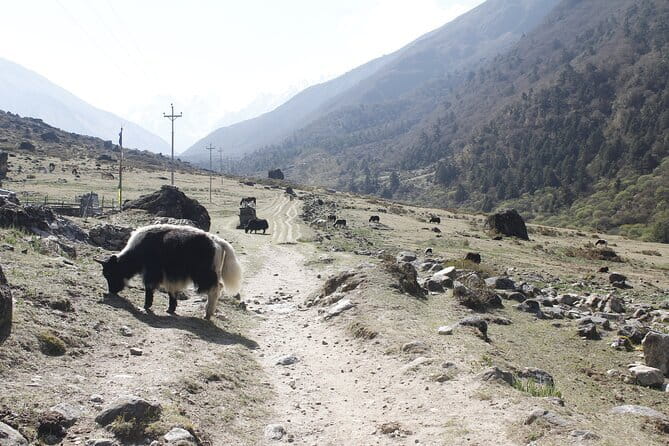
- Forest-to-ridge variety: you move through lush forest, then into higher terrain with air getting crisper as you gain elevation.
- Lodge trekking with guide support: you’re sleeping in lodges and traveling with an English-speaking guide for direction and day-to-day decisions.
Langtang Trek in 7 Days: why this route feels like the sweet spot
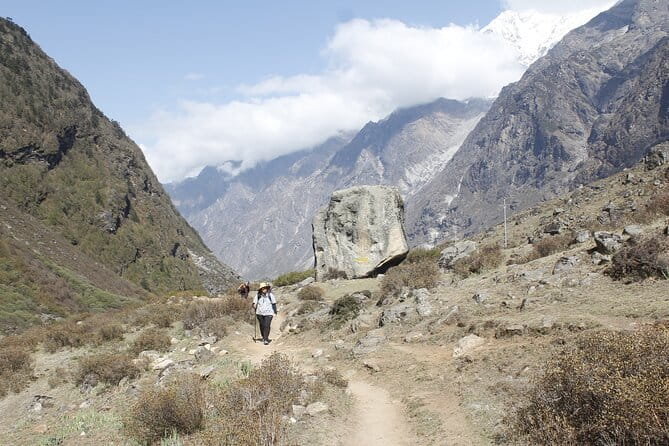
The Langtang Valley trek works because it doesn’t force you into an ultra-hard Himalayan slog. The day structure is built around gradual ascents through different environments, so you get change without constant suffering. You’ll move from river-valley walking into thicker forest, then higher ridgelines where the views start to cut through the clouds.
The culture angle is the other reason I think this trek is smart. You pass through traditional Tamang and Sherpa villages, where life looks different from Kathmandu. You’re not just crossing a trail—you’re moving through a living region, with monasteries and everyday village routines along the way.
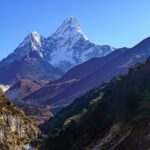
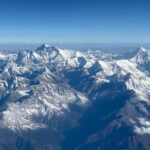
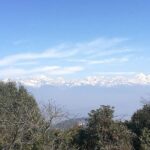
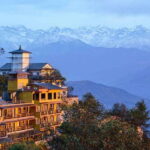
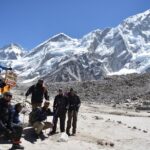
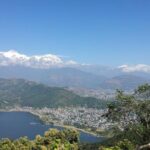
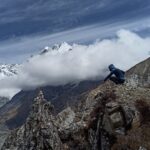
And yes, the scenery is the headline. Langtang is backed by snow-capped peaks, and the scenery shows up in waves: first in glimpses beside the trail, then in full panorama when you’re higher. Langtang Lirung (listed at 7,227 meters) sits over the whole story even if it’s not always visible from every bend.
You can also read our reviews of more hiking tours in Kathmandu
Price and logistics: what you’re really paying for
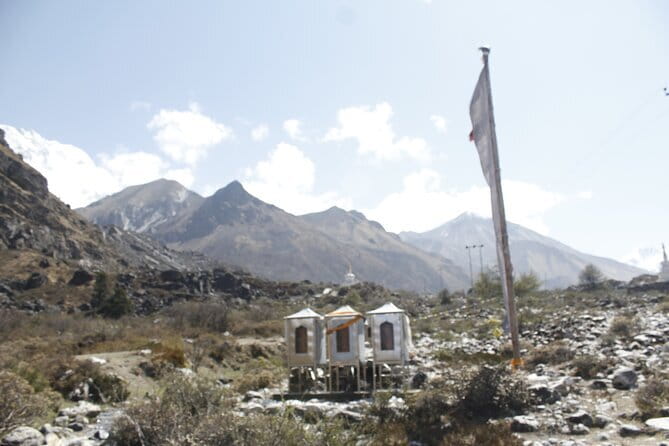
At $410 per person, this is positioned as a guided, permit-handled, lodge-based trek rather than a DIY adventure. That price matters because the cost of trekking in Nepal isn’t just food and sleep—it’s paperwork, guide time, and the time saved from figuring out routes and local arrangements.
What’s included is the stuff that usually causes headaches:
- English-speaking trekking guide
- Lodge accommodation
- Trekking permit and TIMS card
- Hotel pickup and drop-off
- Round trip transfer by sharing local bus
- Private trip (meaning your group is the only one doing the trek together)
The “private” part is a big deal for comfort. Even though the transfer uses a sharing bus, your trekking day-to-day experience stays group-based and guided. If you’ve ever tried to coordinate trail logistics on your own, you’ll understand why this is value.
What’s not included is also pretty normal: personal expenses. So budget for things like snacks, drinks, hot showers if available, charging, and tips. Since prices vary by lodge and season, it’s smart to bring a buffer.
Before you go: permits and the passport photo reality
One practical detail you’ll want to handle early: you need your passport details and a photo (a selfie also works) to issue the trekking permit. That means you should not wait until the last minute to think about documents.
This trek specifically calls for both a trekking permit and a TIMS card. The TIMS card matters because it’s part of how trekkers are recorded for safety and logistics in Nepal. If your paperwork is incomplete, it can slow things down before you ever reach Syabrubesi, so get it sorted before you’re rushing around Kathmandu.
Also note the fitness expectation: this is listed for travelers with moderate physical fitness. That’s a good sign. You should still be ready for hiking days, some altitude discomfort, and longer walks that aren’t “just a stroll.”
Day-by-day: from Kathmandu to Syabrubesi and into the valley
Day 1: Kathmandu to Syabrubesi (Shyfru Bensi) and lodge night
Your first day is a travel day with a real purpose: getting you to the trailhead region. You leave Kathmandu bright and early and head toward Syabrubesi (listed as Shyfru Bensi in the route). The drive is around 7 hours, with options like a private ride or local bus depending on what you choose.
What I like about starting this way is that you’re not losing a trekking day to transportation. You arrive in the Syabrubesi area and sleep in a lodge at Hotel Garden inn Syabrubesi. That sets you up for an easier mental start—wake up, then walk.
Possible consideration: the ride can be long and bumpy. Bring layers, plan to hydrate, and try not to schedule any extra Kathmandu sightseeing the morning you depart.
You can also read our reviews of more tours and experiences in Kathmandu
Day 2: Syabrubesi to Lama Hotel (walk beside the Tang valley)
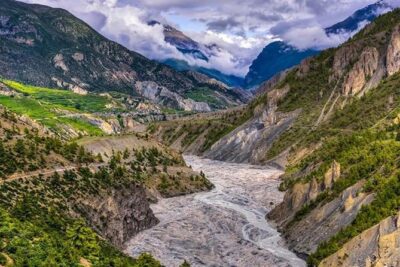
Day 2 is about settling into trail rhythm. You’ll hike for about 6 hours along a path linked with the Langtang Khola. This is the kind of day where the valley feels alive—lush greenery, water sounds, and forests that make the morning feel cooler and calmer.
You end at Lama Hotel, where the lodge setup becomes part of your routine. The real value here is not just “distance.” It’s getting your legs used to the altitude and terrain before you reach the higher points.
Day 3: Lama Hotel to Langtang Village (forest and village culture)
On Day 3 you head toward Langtang Village, walking around 6 hours. The trail runs through dense forest with mossy trees and colorful rhododendron blooms when conditions are right. Even when you’re not thinking about it, this kind of environment helps break up the hike so your brain isn’t stuck on every step.
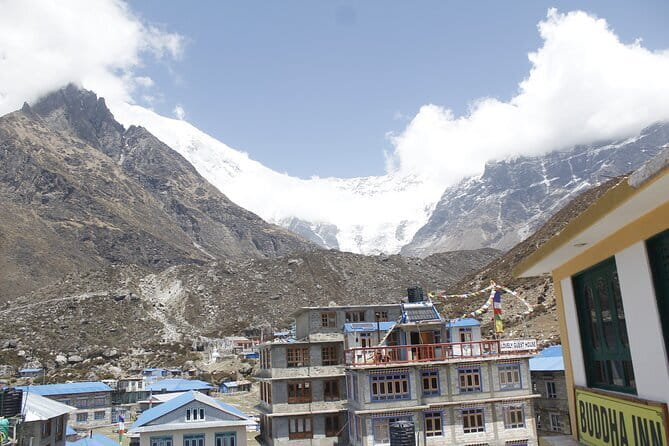
Langtang Village is where the trek starts to feel like a journey through community, not just a hike. Visiting village areas gives you a stronger sense of how people live in the valley and why trekkers return year after year.
Drawback to plan for: if the weather turns, forest hiking can mean damp footing. Trekking shoes with good grip and quick-drying socks help more than you’d think.
Day 4: Langtang Village up toward Kyanjin Ri and Kyanjin Gompa
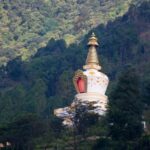
Day 4 is where the air starts to feel different. You continue trekking for about 6 hours, and you head toward the Kyanjin Ri area. The route includes a stop at Kyanjin Gompa, a Buddhist monastery set at around 3,800 meters above sea level (as listed).
This day is valuable because the monastery stop gives you a mental reset. You’re not just climbing; you’re arriving somewhere with meaning. And those monastery viewpoints tend to be quieter than the highest summit areas, which can make the experience feel more personal.
What to consider: you’ll likely feel the altitude more today than on earlier forest walking days. Slow down, drink water, and don’t try to match your “flat ground pace.”
Day 5: Kyajin Ri viewpoint (around 4,700 meters) and back down to Lama Hotel
This is the payoff day. You’re headed toward the summit viewpoint of Kyajin Ri, listed at about 4,700 meters, then you trek back down toward Lama Hotel. The walk time is about 6 hours.
From a travel perspective, this is where the trek becomes unforgettable. You get the crisp mountain air, big sightlines, and the kind of panorama that makes you stop thinking about your feet. Many trekkers love this day because it feels like the moment everything you did earlier clicks into place.
Possible drawback: summit-style viewpoint hiking at 4,700 meters is not a race. Even with a guide, you need to pace yourself. If you’re prone to altitude issues, it’s wise to move slowly and take extra breaks on the way up.
Day 6: return trek to Syabrubesi (Shyfru Bensi) and lodge night
Day 6 brings you back down to Syabrubesi, again taking about 6 hours. This section is known for stunning scenery along the descent, with forests, streams, and local village charm along the way.
I like return days because your focus shifts. Earlier you’re concentrating on getting up and staying steady. Now you notice more: how the valley looks from different angles, where the light changes through trees, and what you missed on the way up.
Day 7: Syabrubesi to Kathmandu, ending in Thamel
Final day is mostly transport. You head from Syabrubesi back to Kathmandu, with a drive time of 7–8 hours, often with short breaks for stretching. You’ll finish back around Thamel, which is convenient because it’s where you’ll likely have your hotel and where you can easily grab food or sort last-day shopping.
One nice part of the ending: you’re not rushing. It’s long, but it’s a straightforward way to come down from the trek without scrambling for logistics.
Lodges and comfort at altitude: what to expect
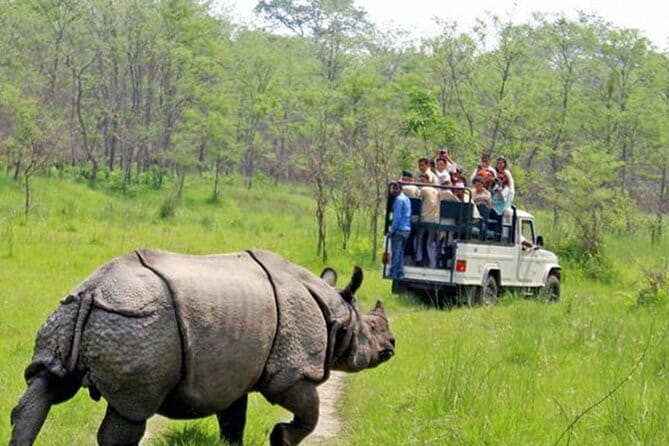
This trek includes accommodation in lodge rooms each night. Lodge trekking is a Nepal staple for good reason: it’s the practical, social way to hike without carrying cooking gear.
What you can count on from a lodge trek is a predictable rhythm. Each day ends, you eat, you rest, and you prepare mentally for the next hike. Based on the feedback style from the experience, comfort matters here: guides tend to focus on keeping your days smooth, and lodge quality can make a difference on days when your legs feel heavy.
A small caution: lodge amenities can vary with altitude and season. Hot water, charging, and room warmth are not guaranteed everywhere. Pack smart so you aren’t stuck with one “thin layer regret” at the top.
The guide and the value of not thinking too hard
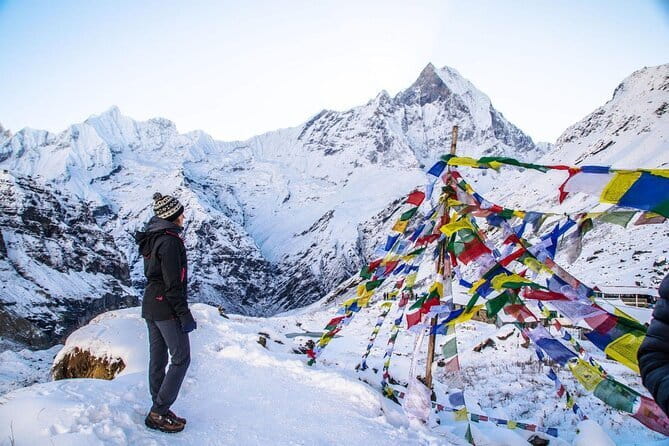
A good guide changes the whole feel of a trek. This one includes an English-speaking trekking guide, and the tone from prior feedback emphasizes service quality and a friendly, well-trained approach. That’s exactly what you want: someone who keeps you oriented, helps you manage pacing, and handles the decisions that can slow groups down.
For you, that means less time second-guessing route choices and more time enjoying the walk. On summit-day hiking especially, having a guide who can help you pace and watch timing can reduce stress.
If you like the idea of a trek that’s active but still feels supported, this is in the right direction.
What makes Langtang Valley special: views, rhododendrons, and village life
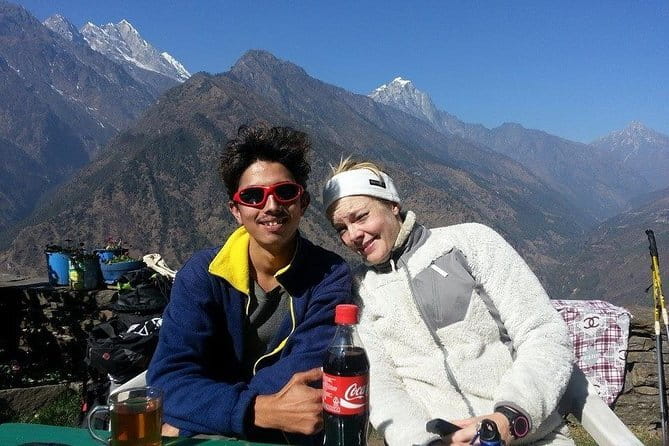
Langtang Valley is described with a mix of details that actually help you picture the hike:
- Dense forests of oak and rhododendron
- Crystal-clear rivers
- Snow-capped peaks framing the valley
- Alpine meadows and high ridges as you go higher
The point of those landscapes isn’t just aesthetics. Forest walking can be cooler and mentally easier than full sun ridges. Water sounds and river valleys create a constant rhythm, which helps on longer days.
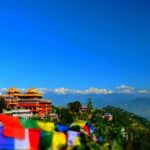
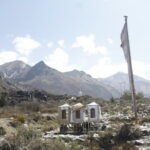
Then you hit the culture stops: traditional Tamang and Sherpa villages plus monasteries like Kyanjin Gompa. If you care about Nepal beyond the capital, these village moments add texture. You see how people live in the mountains and how faith is part of the everyday scenery.
Who this trek fits best
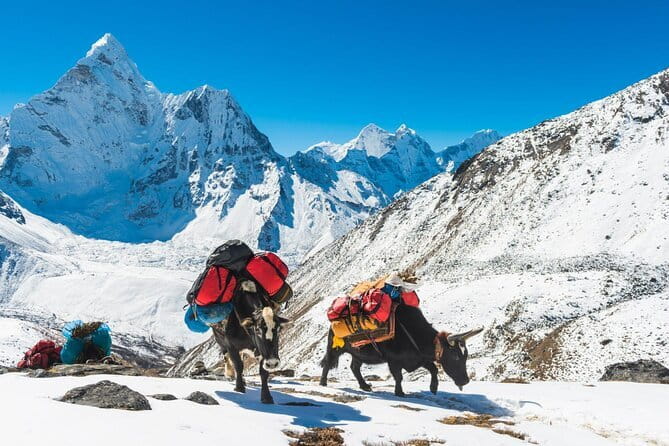
This trek is best if you want:
- A 7-day Himalayan trek without going to the extreme length of longer routes
- Moderate fitness with some real uphill days
- A guided experience where you don’t have to handle permits alone
- A mix of natural beauty and village culture
It’s also a good choice for families and small groups who want a supportive setup. The experience is described as a private trip for your group, which can help everyone keep pace comfortably rather than getting stuck in a different walking style.
If you’re a hardcore mountaineer only hunting for technical climbing or very advanced routes, you might find the route less intense. But if you want a satisfying trek with real highs, it’s a solid match.
Should you book this Langtang 7-day trek?
I’d book it if you want the classic Langtang experience—village culture, rhododendron forest walking, and the Kyanjin Gompa + Kyajin Ri viewpoint payoff—without turning your trip into a logistics project.
I’d think twice if altitude history makes you nervous or if long drive days in Nepal logistics strain you. The climb to around 3,800 meters and up to around 4,700 meters is the kind of thing you respect, not fight. If you’re prepared for that and you pace carefully, you’ll likely enjoy how well the trek matches your time and effort.
FAQ
FAQ
What’s the duration of the Langtang Trek from Kathmandu?
The trek is listed as 7 days (approx.).
Where does the trek start and end?
It starts in the Kathmandu area and the trekking portion begins around Syabrubesi, then you return to Kathmandu and end around Thamel.
Is hotel pickup and drop-off included?
Yes. Hotel pickup and drop off are included.
How do you travel between Kathmandu and Syabrubesi?
You use round trip transfer by sharing local bus.
What permits do I need for this trek?
The included items state you’ll have a trekking permit and a TIMS card.
Do I need to provide passport information?
Yes. You’ll need your passport details and a photo (selfie also works) so the trekking permit can be issued.
What level of fitness is required?
This experience is listed for travelers with moderate physical fitness.
Is there an English-speaking guide?
Yes. The trek includes an English speaking trekking guide.
What kind of accommodation is included?
Accommodation in lodges is included.
Is this a private tour?
Yes. It’s listed as a private trip, so only your group participates, even though the bus transfer is shared.
What’s included in the price, and what isn’t?
Included: pickup/drop-off, transfers, trekking permit and TIMS card, guide, lodge accommodation, and private trip. Not included: personal expenses.