REVIEW · COOKING CLASSES
Momo, Dhalbhat & Thukpa Cooking Class, Nepal
Book on Viator →Operated by Momo, Dhalbhat & Thukpa Cooking Class · Bookable on Viator
Cooking in Patan beats sitting in a cafe. This class pairs market shopping with Patan-area culture before you start shaping momo and learning thukpa basics.
I especially liked how Esther Rai teaches in a friendly, practical way, with Amos helping along the process. You also get some flexibility, since Esther can set the menu around what you want to focus on.
One thing to keep in mind: some steps may be handled ahead, so it may not feel like you do every single prep action from scratch.
In This Review
- Key highlights worth your attention
- Why this Patan cooking class is more than just food
- From Nagabahal to Golden Temple: the start of your Patan walk
- The market stop you’ll actually remember
- Cooking with Esther Rai and Amos: momo, dhalbhat, thukpa
- Momo: more than folding dumplings
- Dhalbhat/dal bhat: the meal that explains the culture
- Thukpa: learning the logic of a warming bowl
- You can shape the focus around you
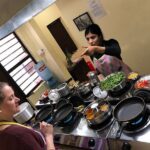
- Rooftop kitchen time: where your class feels like a home visit
- Eating what you made: the final test
- Price and logistics: does $25 feel fair?
- Practical planning tips so the morning goes smoothly
- Who should book this (and who might want to think twice)
- Should you book the Momo, Dhalbhat & Thukpa Cooking Class in Nepal?
- FAQ
- How long does the Momo, Dhalbhat & Thukpa Cooking Class last?
- What dishes will I learn to make?
- Do we visit a market before cooking?
- Where is the meeting point?
- What is the group size limit?
- Is a specific kind of weather required?
- What is the cancellation policy?
Key highlights worth your attention
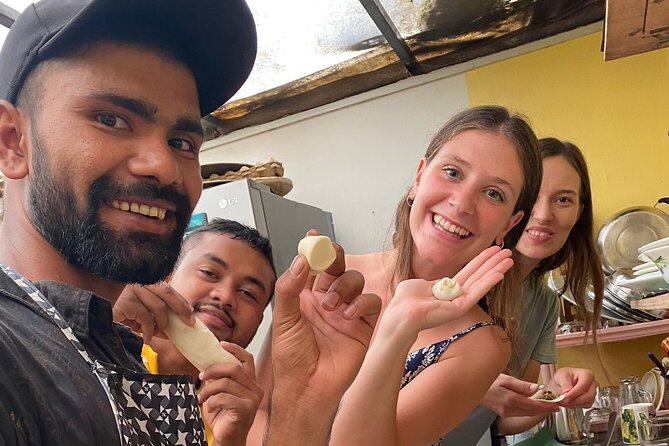
- Local vegetable market time before cooking so you can pick ingredients in real life, not just in a kitchen
- Hands-on practice for momo, dhalbhat, and thukpa
- Small group size (max 10) that makes questions and hands-on help easier
- Patan location near major sights with a short walking experience in the area
- Rooftop cooking setup that keeps the class feeling homey and relaxed
- You eat what you cook once everything is ready
Why this Patan cooking class is more than just food
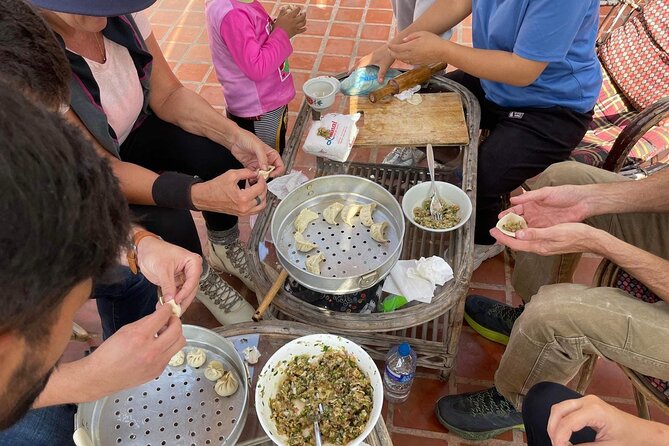
This is a cooking class built around an important idea: in Nepal, food and daily life are tightly linked. The dishes you’ll make are comfort food first, celebration food second. That’s why learning them this way feels useful, not just fun.
You start with ingredients and local shopping, then move into shaping dough, mixing fillings, and learning how flavors come together. If you’re coming from Thamel and sticking to restaurants only, this is a fast way to understand what Nepali cooking tastes like at the source.
And because the class caps at 10 people, you’re not stuck watching from the sidelines. You’ll have time to ask why something works the way it does, not just how to copy a recipe.
You can also read our reviews of more cooking classes in Kathmandu
From Nagabahal to Golden Temple: the start of your Patan walk
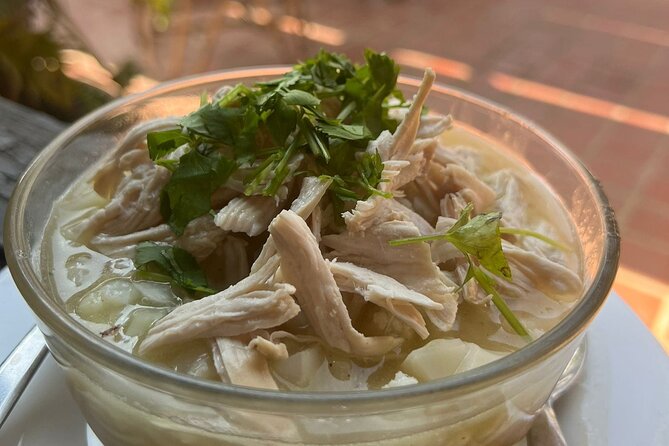
The experience begins at Nagabahal – Nyadha Galli in Lalitpur (Patan). It’s a practical meeting point if you’re staying in the Kathmandu valley, and it’s close to public transport. The session also ends back at the same spot, so you’re not left figuring out how to get home after you eat.
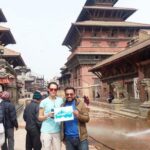
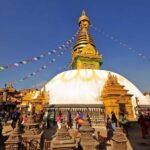
Right after you meet, you’ll connect with the Patan setting. One of the included stops is the Golden Temple, known as Hiranya Varna Mahavihar. Even if you’re not a temple-spotting superfan, this stop helps you frame what you’re about to do: you’re cooking food from a living place, not a theme park.
You’ll also spend time in Patan (Lalitpur), which makes the day feel like a small morning outing, not just a class appointment. Expect some context about local traditions while you’re walking, which helps the dishes make more sense once you’re at the stove.
The market stop you’ll actually remember
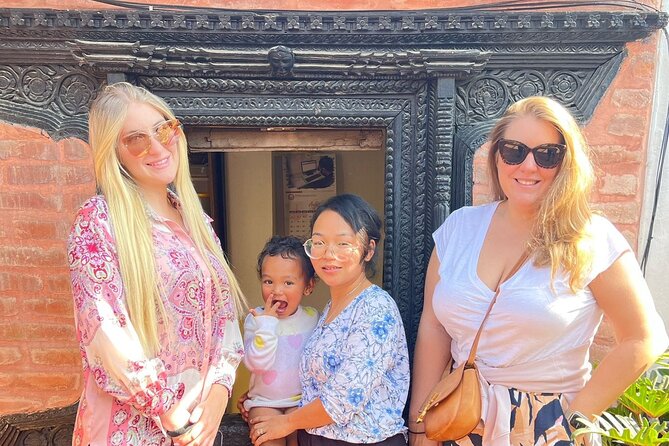
The market part is one of the strongest reasons this class works.
You’ll go to a local vegetable market and interact with sellers as you look for what you need. This is the stage where Nepali cooking starts to feel real: ingredients aren’t generic. You see the produce and the choices that come from what’s available locally and what people buy often.
You’ll also learn how those ingredient choices affect the final flavor. Even when you’re not doing the buying with total independence, the teacher’s explanations give you a recipe-level understanding: what to look for, what to pair, and how freshness changes the result.
If you’ve only cooked from packaged sauces and dry mixes back home, this step sets you up to cook with better instincts later. You’ll come away with a stronger sense of taste, not just a list of steps.
Cooking with Esther Rai and Amos: momo, dhalbhat, thukpa
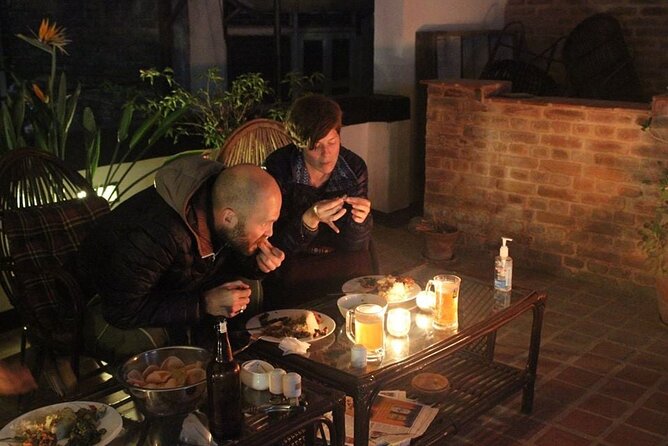
This is the hands-on core. Esther Rai runs the program, and Amos supports during the class. The menu centers on three classics: momo, dhalbhat, and thukpa.
Momo: more than folding dumplings
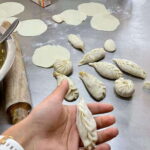
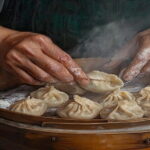
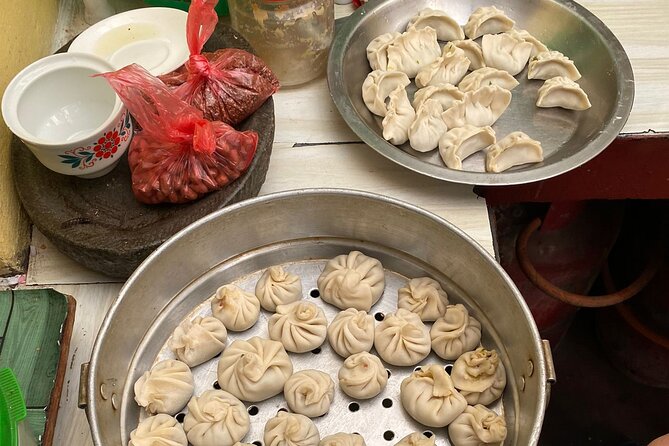
Momo is a great dish to start with because it’s specific and touch-based. You get to practice technique, like how to handle dough and how to manage filling so dumplings stay together.
The payoff is practical. Once you’ve made momo here, you understand why momo has that texture contrast—soft outside, flavorful inside. You also learn how seasoning decisions show up quickly in the first bite.
You can also read our reviews of more tours and experiences in Kathmandu
Dhalbhat/dal bhat: the meal that explains the culture
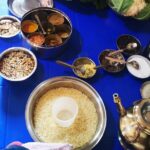
Dal bhat is the daily staple in Nepal, so it’s also the most grounding dish in the class. When you make it yourself, you get a feel for balance: hearty, comforting, and built to go with other elements on the plate.
In a cooking class like this, dal bhat is useful because it teaches you the rhythm of a proper meal. It’s not just one sauce you taste in isolation—it’s a whole plate built around something filling and familiar.
Thukpa: learning the logic of a warming bowl
Thukpa brings warmth and complexity, and it’s a nice counterpoint to dumplings and lentils. You practice building flavor in a way that makes sense for soups and noodle dishes.
This part of the class often helps you spot how spice and seasoning move through a dish over time. Even with limited cooking time, you’ll start to understand why a bowl tastes different when you add ingredients at different moments.
You can shape the focus around you
Esther can do menu based on guest request. That matters if you’re picky about what you eat, have a preference, or want to focus more on one dish than another.
Rooftop kitchen time: where your class feels like a home visit
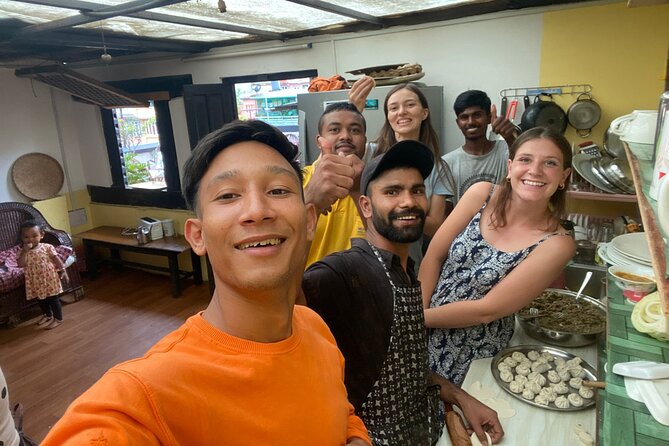
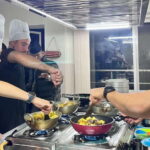
One detail that really helps the vibe: the cooking place is on a rooftop. That sounds simple, but it changes everything. The setting feels open, relaxed, and less like a studio where you’re rushed through steps.
With only up to 10 people, the space doesn’t feel chaotic. The class structure also gives you time to actually work, not just take photos. When you’re learning dumpling folds and noodle soup technique, you need room and patience.
Also, the teacher’s approach is friendly and explanatory. You’re not thrown into a hard task without guidance. You’re encouraged to participate and ask questions while you cook.
Eating what you made: the final test
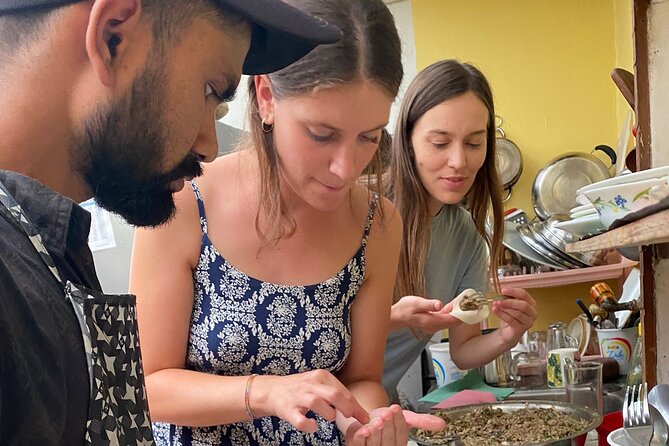
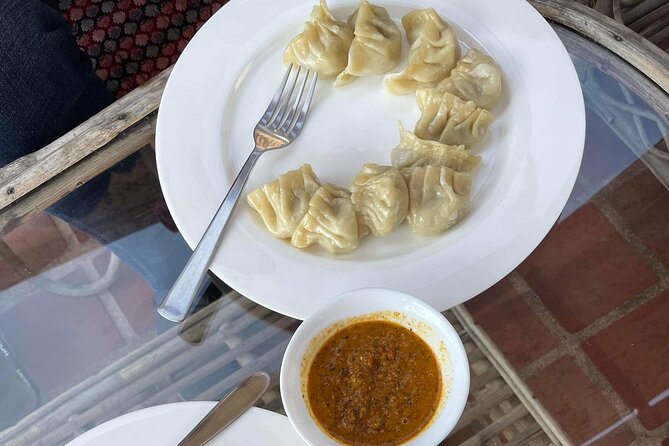
You’ll eat the food once it’s cooked. That’s not just a nice bonus—it’s the real evaluation moment.
After making momo, dal-based components, and thukpa, you taste the complete plate while it’s fresh and hot. That helps you connect the steps you did with what you end up loving about the result: texture, spice level, and how the meal balances across dishes.
If you came hungry, this is a good day. If you came only slightly hungry, you might still end up leaving with a full stomach and a clearer memory of what Nepalese flavors feel like.
Price and logistics: does $25 feel fair?
At $25 per person for about 3 hours, the value is strong if you want real cultural context, not just a recipe demo.
Here’s why: your class isn’t limited to cooking. You also get the market visit as part of the experience, plus instruction from Esther Rai and support from Amos. And because the group is capped at 10, the cost isn’t being “stretched” to fund a large-tour style setup.
If you compare against typical single-dish cooking classes, this feels like a better deal because you’ll work on three Nepalese dishes in one session. You also get to eat what you make, so you’re not paying extra for a separate meal.
The mobile ticket and free cancellation with a 24-hour cutoff also reduce friction. Just plan around the weather note, because the class requires good conditions.
Practical planning tips so the morning goes smoothly
The experience runs about 3 hours, and it happens in the Patan area of the Kathmandu valley. Since it includes a walk and a market stop, wear comfortable shoes. The route involves short walking segments, and you’ll want good footing while you’re switching between streets, vendors, and the cooking space.
Bring a light layer. Morning weather can shift in Kathmandu valley, and rooftop setups can feel cooler when the air moves.
If you’re sensitive to strong smells from spices and fresh produce, it helps to remember you’re in an active market area. That’s part of the point. If you treat it like an experience, not a nuisance, you’ll learn faster and enjoy the class more.
Who should book this (and who might want to think twice)
This class is a great match if you:
- want Nepali food in a hands-on setting
- like learning through shopping and cooking, not only watching
- enjoy Patan’s neighborhoods and want a morning that combines culture with a meal
- prefer small groups (max 10) so instruction stays personal
You might think twice if:
- you expect every single step to be fully start-from-zero
- you want a strict timetable that feels exactly like a cookbook workflow (this is more guided and flexible)
A small trade-off you should accept: because the focus is on learning and finishing a complete meal in a short window, some prep may be done ahead.
Should you book the Momo, Dhalbhat & Thukpa Cooking Class in Nepal?
If you want one activity in the Kathmandu valley that gives you both a story and a skill, I’d book it. The combination of local market shopping, three central dishes (momo, dal bhat/dhalbhat, thukpa), and a small group size makes it feel efficient and personal.
This also scores well on trust signals: it has a 4.8 average rating and a 100% recommendation rate based on 12 reviews. That doesn’t replace your own taste, but it does suggest you’re unlikely to waste a morning.
Book it if you’re hungry for more than restaurant food. And do it sooner rather than later if you can, since it’s commonly booked about a week in advance.
FAQ
How long does the Momo, Dhalbhat & Thukpa Cooking Class last?
The cooking class lasts about 3 hours (approx.).
What dishes will I learn to make?
You’ll learn and practice making momo, dhalbhat (dal bhat), and thukpa.
Do we visit a market before cooking?
Yes. You’ll go to a local vegetable market first to buy ingredients and interact with local sellers.
Where is the meeting point?
You meet at Nagabahal – Nyadha Galli, Lalitpur 44600, Nepal. The activity ends back at the same meeting point.
What is the group size limit?
The class has a maximum of 10 travelers.
Is a specific kind of weather required?
Yes. The experience requires good weather. If it’s canceled due to poor weather, you’ll be offered a different date or a full refund.
What is the cancellation policy?
You can cancel for a full refund up to 24 hours in advance. If you cancel less than 24 hours before the experience’s start time, you won’t receive a refund.