REVIEW · COOKING CLASSES
Kathmandu: Local Women-Lead Nepali Cooking & Momo Class
Book on GetYourGuide →Operated by Luxury Holidays Nepal · Bookable on GetYourGuide
Your appetite is about to get smarter fast. This Kathmandu cooking class pairs a market tour with hands-on Nepali meals, so you taste Nepal before you even start cooking. It’s a small-group format in Thamel, built around learning the two big stars: momo and dal bhat.
What I liked most was the step-by-step teaching and the friendly, patient approach from the chefs, including Nishma in the class I paid attention to. I also love the way you can choose what the group will make, then you actually sit down and eat what you cooked, not just snack on bites.
One thing to keep in mind: the menu can be group-based. If you show up hoping for only one specific dish, you may need to be flexible depending on what the group decides.
In This Review
- Key highlights worth your time
- Thamel location: an easy win when your Kathmandu schedule is tight
- The market tour: where the class starts tasting like real life
- Momo and dal bhat: hands-on cooking with real guidance
- Choosing your meal: starters, mains, and dessert without the guesswork
- What you actually eat, plus the masala tea that keeps it local
- Timing and pacing: plan for a relaxed 3–4 hour food afternoon
- Price and value: how $5 turns into a real learning meal
- Best for whom: food lovers, solo visitors, and beginners
- Should you book this Kathmandu momo and dal bhat class?
- FAQ
- How long is the cooking class?
- What dishes will I learn to cook?
- Is hotel pickup and drop-off included?
- Where is the meeting point?
- Is the class taught in English?
- What should I bring?
- Can dietary restrictions be accommodated?
- What if there aren’t enough participants?
- Is the class wheelchair accessible?
Key highlights worth your time
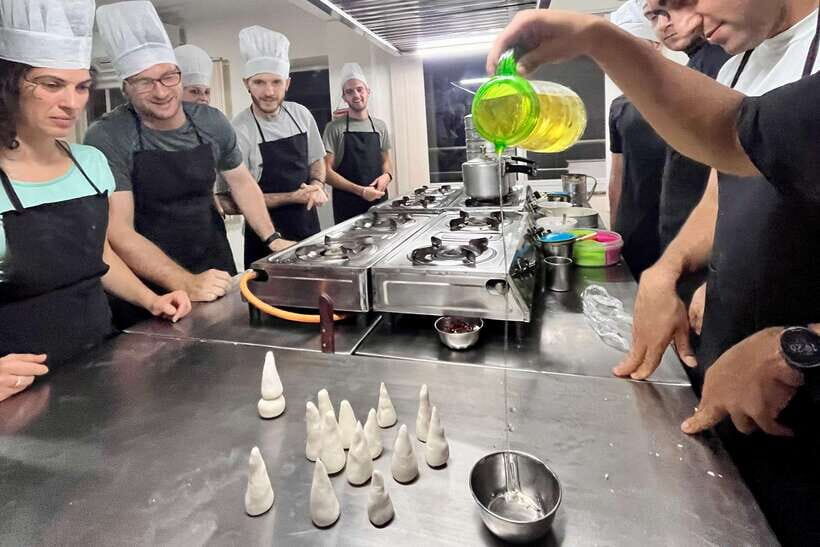
- Market-first ingredients: you shop for key items before the cooking starts, so the class makes sense as you go.
- Momo focus with real technique: you get guided, hands-on practice instead of watching someone else work.
- Dal bhat as a staple: you learn Nepal’s everyday comfort food, not just snacks.
- English instruction in a small group: limited to 10 participants, which helps with questions and pacing.
- Masala tea during class: a simple local touch that keeps the experience feeling grounded.
- Recipes you can take home: you’ll receive a PDF of what you made, which is great if you want to cook again later.
Thamel location: an easy win when your Kathmandu schedule is tight
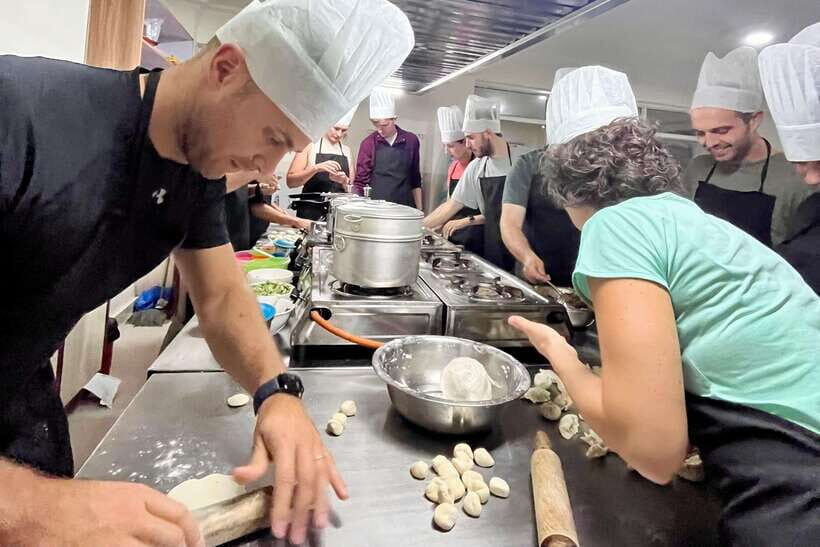
This cooking class is based at Kathmandu Cooking Academy in Thamel, which matters more than you’d think. Thamel is where most visitors already spend time, so you aren’t burning energy crossing town just to learn how to make lunch. The venue is also easy to find, and you can show up without stress.
The format is built around a half-day block, typically around 3 hours once you include the market and cooking time, with options labeled 3 to 4 hours depending on the schedule. If your itinerary includes sightseeing days that run long, this class is a practical way to guarantee you do something cultural and hands-on without needing an entire day.
If you want the simplest setup, you can choose optional hotel pickup and drop-off within Kathmandu Valley. When transport runs late, it’s often just Kathmandu traffic, so plan for some buffer, especially during busier parts of the day.
You can also read our reviews of more cooking classes in Kathmandu
The market tour: where the class starts tasting like real life
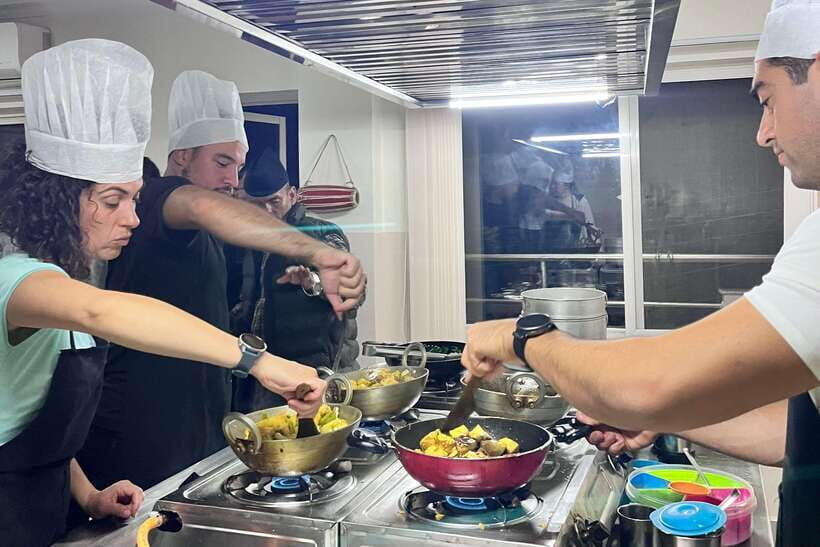
The experience begins with a market or shop walk to pick ingredients. This is one of the smartest parts of the whole lesson because it turns cooking into decision-making. You’re not just following steps; you’re seeing the ingredients that go into Nepali dishes and learning how the shopping connects to what ends up on your plate.
You’ll buy important items for the recipes you’ll cook later, and the shopping route is close enough that you don’t waste the momentum of the class. That closeness helps keep the day from feeling like a long errand. Instead, it feels like the first chapter in a food story.
Also, if you’re the kind of person who likes to understand flavors, this is where you get your first clues: you see what’s chosen for the dish and you can start thinking about what you like—spice level, texture, and how much you’re expecting to eat after cooking all together.
Momo and dal bhat: hands-on cooking with real guidance
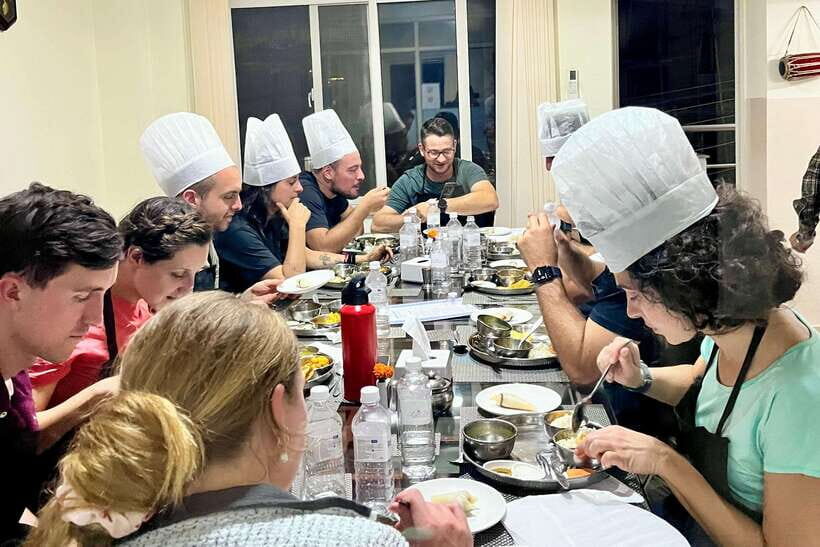
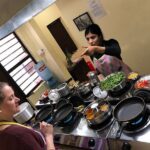
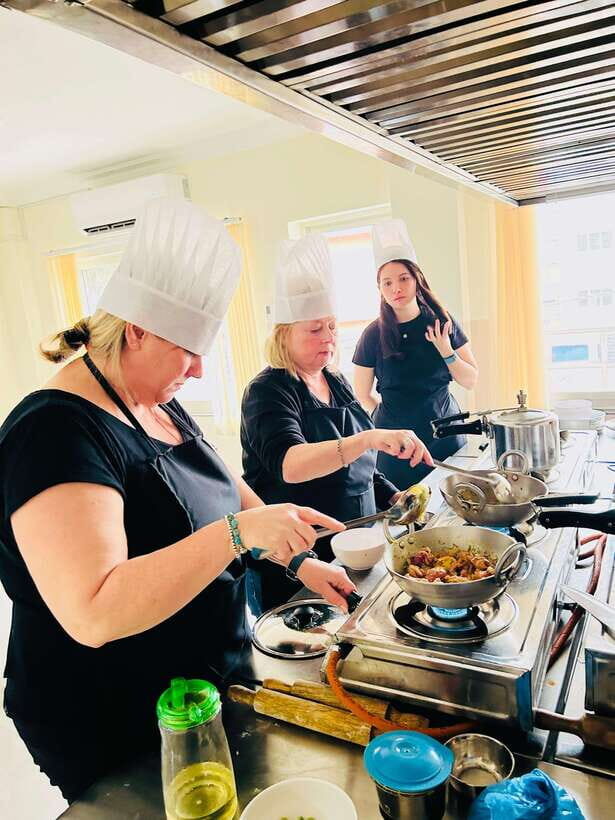
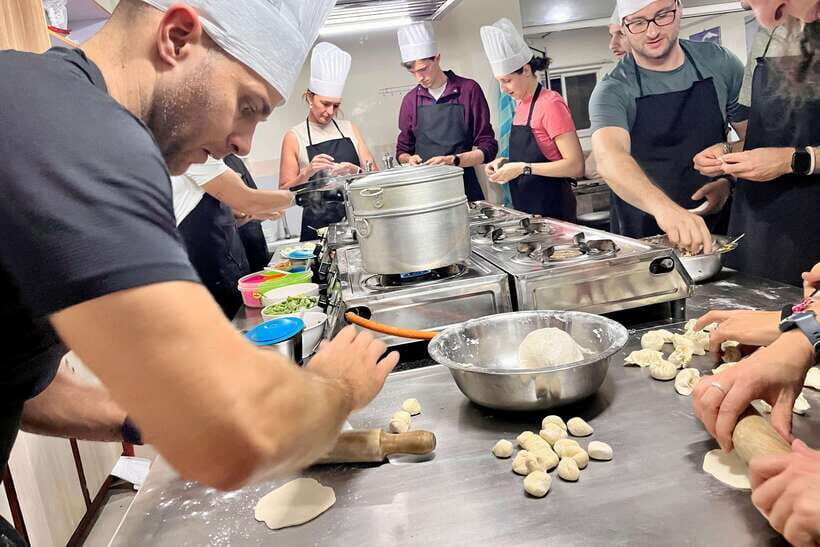
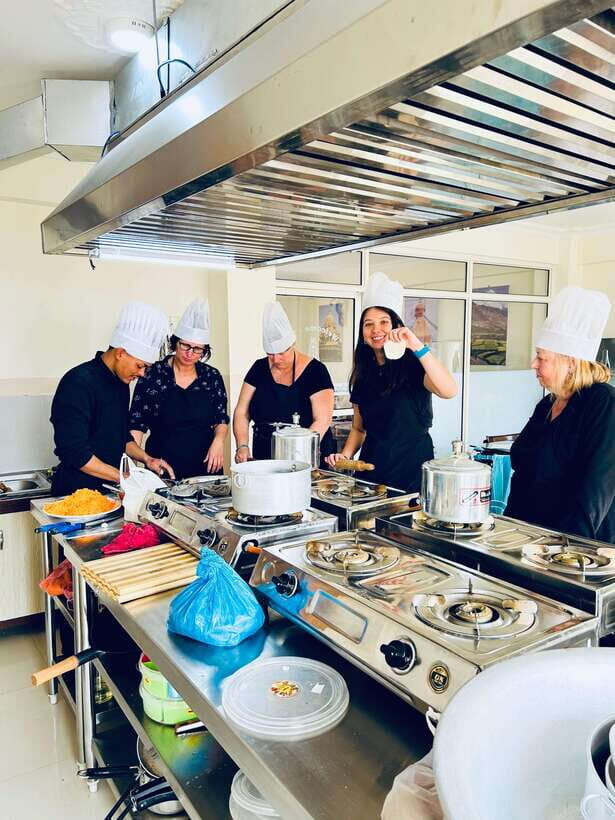
The core of the lesson is hands-on cooking focused on momo and dal bhat. You’ll learn step-by-step, led by the chefs and instructor. This matters because momo technique can be frustrating if you’re left on your own. Here, you’re not guessing. You’re working with guidance while the class moves at a pace you can keep up with.
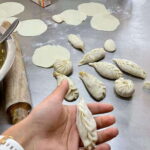
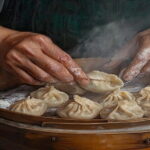
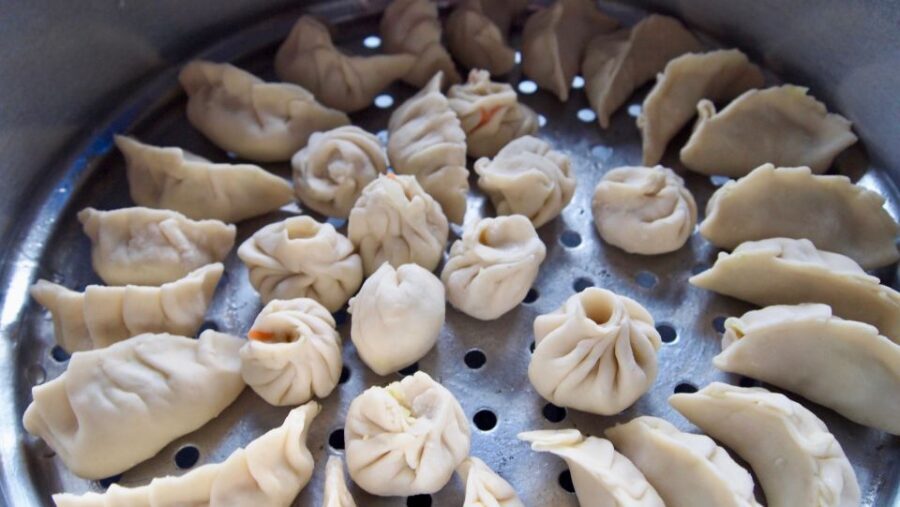
Momo is the obvious highlight because it’s so hands-on: you’ll work through the process with the help of the instructor, and you’ll also get to taste what you made. That tasting part is key. It closes the loop so you understand what worked, what you might tweak next time, and how your version should feel.
Dal bhat is the other major lesson. Since it’s a staple in Nepal, learning it in a class like this gives you a more grounded view of Nepali food. You’re not only chasing dumpling joy—you’re learning something that fits into everyday meals.
One more bonus I appreciated: the kitchen work includes use of the cooking equipment and accessories, so you’re not worrying about bringing skills or tools. If you can follow instructions, you can do this.
Choosing your meal: starters, mains, and dessert without the guesswork
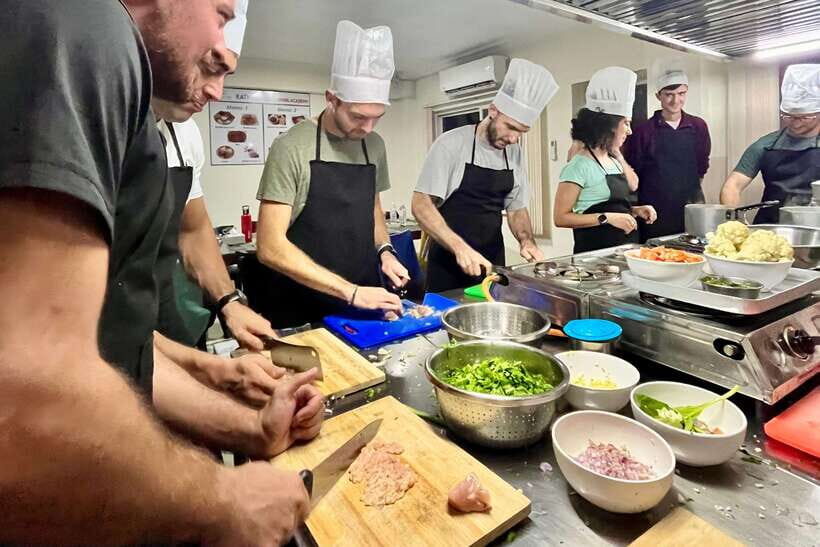
A big reason this class feels worth it is the structure. You get to choose a starter, a main course, and a dessert. In practice, that means you can tailor the lesson to your tastes, not just pick whatever the chef prepared that day.
Common main options you might see in classes like this include momo variations (like chicken momo) and other Nepali dishes. Depending on the class choices, you may also cook items such as aloo chop (spiced mashed potato patties) or mushroom choila. The point isn’t memorizing the menu—it’s that the class is designed so you’re doing multiple components, not only one dish.
Important nuance: it’s a small group. That means the final menu can be group-dependent. One of the experiences shared around this class points out that participants may need to convince or coordinate with the group if they’re hoping for a specific main. For most people, this is not a problem, but if you’re very menu-specific, you’ll want to ask about dish choice details when booking.
If you have dietary preferences, the class can often adjust. Vegetarian preferences and spice level adjustments have been handled successfully, which is reassuring if you want the food to match your comfort level.
What you actually eat, plus the masala tea that keeps it local
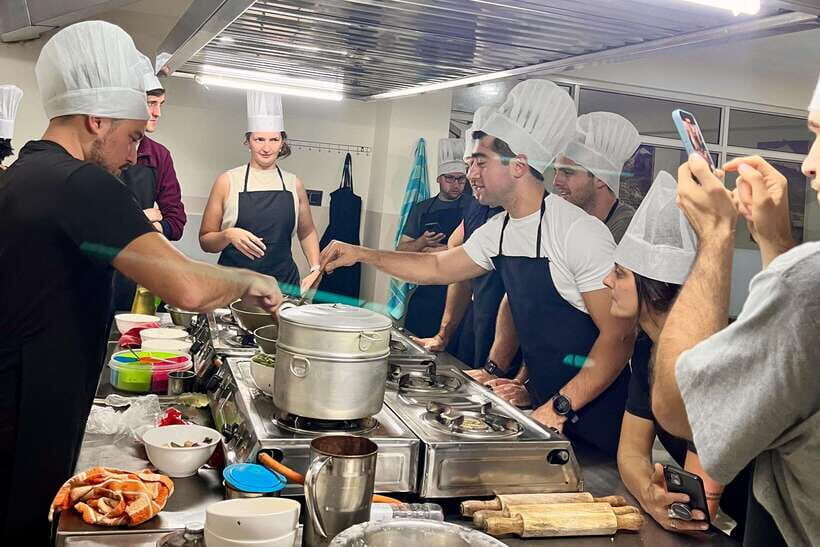
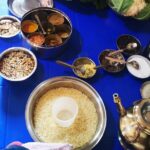
This isn’t a class where you cook and then politely leave. You cook, then you taste what you made in a real eating session. That includes the food prepared during the lesson, and it’s part of what makes the class satisfying.
During the activity, you’ll also be served Nepali masala tea. It’s a small detail, but it helps the experience feel like Nepal, not just a cooking workshop. It also gives you a warm rhythm while you’re working in the kitchen.
And if you like having something tangible after the class, there’s a take-home element. One helpful feature is that you’ll receive a PDF with what you cooked, making it easier to replicate later.
You can also read our reviews of more tours and experiences in Kathmandu
Timing and pacing: plan for a relaxed 3–4 hour food afternoon
The schedule is straightforward: pickup if selected, then the class session in Thamel, usually around 3 hours including the market and cooking. In other words, it’s not a rushed cooking sprint.
The pacing works well if you’re a beginner. You’ll be actively participating, and you’ll want comfortable clothing because you’re doing real work in the kitchen. A camera is also recommended, since you’ll likely want photos of the hands-on process and the finished food.
One practical tip: arrive about 15 minutes early if you can. It’s enough time to settle in, meet the instructor, and get started without feeling flustered.
Price and value: how $5 turns into a real learning meal
The headline price is low: $5 per person. At first glance, that can sound too good. In this case, the value comes from what’s included with the lesson.
You get:
- a cooking class with step-by-step instruction
- a market/shop tour for ingredients
- hands-on preparation of multiple Nepali dishes
- equipment and accessories
- tasting of what you made
- Nepali masala tea during the lesson
- optional hotel pickup and drop-off
Even if you don’t select pickup, you’re still getting a structured market + cooking + meal package in a small group. That’s the main reason the price works. You’re not paying extra for the basics.
Transport scores have also been strong, with a majority of reviewers giving perfect marks. That doesn’t eliminate Kathmandu traffic, but it does suggest the operation is organized and reliable enough to keep the experience smooth.
If you compare this to typical paid cooking classes elsewhere, this one is unusually friendly on cost, while still offering the core ingredients you need: instruction, hands-on work, and food you actually eat.
Best for whom: food lovers, solo visitors, and beginners
This class is a great fit if you want a practical way to understand Nepali flavors without relying on restaurant meals alone. It’s especially good for:
- people who enjoy cooking and want a structured lesson
- first-time visitors who want momo and dal bhat as an entry point
- solo travelers who still want a social activity (the group is small, and instruction is in English)
- people who like having a clear takeaway recipe PDF afterward
It also works if you’re not a confident cook. The class is designed so you can follow along, ask questions, and learn by doing.
The one caution is about expectations. If you’re rigid about which dishes you cook, remember the menu can be coordinated across the group. If you’re okay being flexible and you mainly want to learn technique, you’ll be happy.
Should you book this Kathmandu momo and dal bhat class?
Yes, you should book it if you want real Nepali food skills in Thamel, with a market tour and a small-group kitchen lesson for a very modest price. It’s the kind of activity that gives you more than a meal: you leave with repeatable steps and a PDF you can use later.
You might skip it if you:
- need one very specific dish and don’t want any menu coordination
- dislike group-based decision-making
- want a fully private, no-compromises cooking session
If you’re on your first trip to Kathmandu, or you want a focused food activity that won’t eat your entire day, this class is a smart pick. The combination of market-first shopping, English-led instruction, and a meal you made yourself is hard to beat for the value.
FAQ
How long is the cooking class?
The class is typically around 3 hours, including the market visit, preparation, and cooking time. It’s listed as 3 to 4 hours depending on the schedule.
What dishes will I learn to cook?
The class focuses on momo and dal bhat, and you can choose an additional dish for a well-rounded meal, plus a dessert.
Is hotel pickup and drop-off included?
Hotel pickup and drop-off are included only if you select that option during booking. Otherwise, you’ll make your own way to the venue.
Where is the meeting point?
You’ll find Kathmandu Cooking Academy at the provided Google Maps location: https://maps.app.goo.gl/PaYae3QHDYsR3u9F7
Is the class taught in English?
Yes. The instructor/instructor team provides instruction in English.
What should I bring?
Bring a camera. Wear comfortable clothing since you’ll be actively participating.
Can dietary restrictions be accommodated?
You should inform them in advance about allergies or dietary restrictions so they can accommodate you.
What if there aren’t enough participants?
A minimum number of 2 participants may be required. If the minimum isn’t met, you’ll be offered an alternative date or a full refund.
Is the class wheelchair accessible?
Yes, the class is listed as wheelchair accessible.