REVIEW · NEPALI COOKING CLASSES
Kathmandu: Traditional Momo Making Class & Pickup
Book on GetYourGuide →Operated by Kathmandu Cooking Academy · Bookable on GetYourGuide
Momos are better when you fold them yourself. This Kathmandu class turns Nepal’s favorite dumpling into a practical skill: you choose veggie or chicken filling, learn how to shape and steam, and leave knowing what to do next time you’re craving momo at home. I especially like the hands-on approach and the fact that everything is guided step-by-step by an English-speaking instructor. One thing to consider: with a small group capped at 10, you’ll get the most from it if you arrive with clear dietary needs (vegan options are available, but you should flag them early).
You also start by shopping for ingredients instead of only cooking from a list. I like the market/shop tour because it shows you what “fresh” means in Kathmandu and why the fillings taste so right. After the cooking, you get to sit down and eat your own momos with a complimentary cup of Nepali masala tea, which makes the whole 2-hour rhythm feel complete. The main planning note is that the class runs at 1 PM and lasts about 1.5 to 2 hours, so it needs to fit your day.
In This Review
- Key points to know before you go
- Where this Kathmandu Cooking Academy class starts (and how easy it is)
- The market/shop tour: how you pick better fillings
- Cooking the dough and filling: the “real” work is guided
- Regular momos vs soup momos: picking your style
- Tasting session with Nepali masala tea: the best part of class flow
- Who this class suits best (and who should skip it)
- Price and value: why $4 can still feel like a steal
- What to bring and what to tell them in advance
- Timing and logistics: fitting it into a Kathmandu day
- How to learn the momo shape fast (practical tips)
- Should you book this momo class?
- FAQ
- Where is the meeting point for the momo making class?
- What time does the class start?
- How long is the class?
- Does the class offer hotel pickup in Kathmandu?
- What types of momos can I make?
- Is there a market or ingredient selection part?
- Will I get to taste the momos I make?
- Is Nepali masala tea included?
- Is the instruction available in English?
- What should I bring?
Key points to know before you go
- Market first, eat later: you pick momo ingredients on-site before you start cooking.
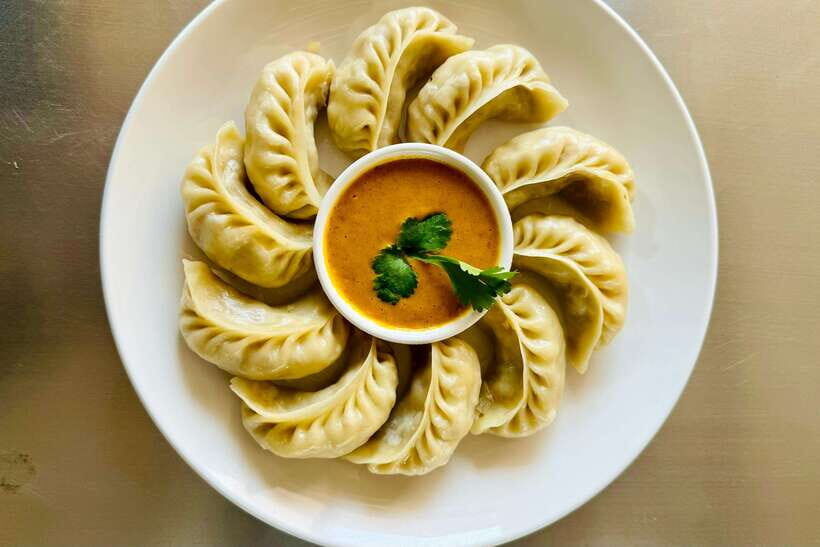
- Choice of fillings and styles: veggie, vegan, or chicken momo, plus regular or soup momo options.
- Small group energy: limited to 10 participants, which helps you get real guidance on shaping.
- English instruction: the class is taught in English, including step-by-step technique.
- You taste what you make: your session ends with a tasting of freshly made momos and masala tea.
- Pickup available in Kathmandu Valley: optional hotel pickup and drop-off if you’re staying in the valley.
Where this Kathmandu Cooking Academy class starts (and how easy it is)
This class meets at Kathmandu Cooking Academy, in an area you can reach on foot from Thamel in about a 10 to 15 minute walk. When you arrive, look for the signboard outside the building and head inside to register with the friendly staff at the entrance. If you don’t want to walk, you can select optional hotel pickup and drop-off within Kathmandu Valley.
That location matters more than it sounds. Thamel is where many people base themselves, and a class that’s walkable means you don’t lose half your afternoon to taxis or scheduling. And because you’re doing hands-on work, arriving relaxed helps—so having pickup can be a real quality-of-life upgrade if your hotel is within the pickup zone.
You can also read our reviews of more tours and experiences in Kathmandu
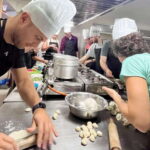
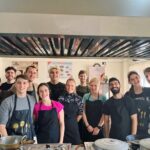
The market/shop tour: how you pick better fillings
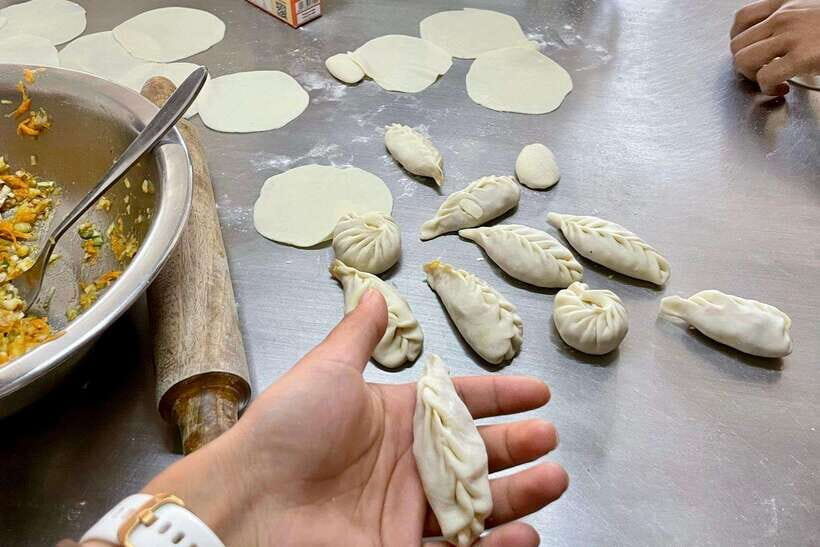
Before you start shaping dumplings, you go out to select fresh momo ingredients. This isn’t just “look around.” You’ll choose ingredients for veg/vegan or chicken momo fillings, and your instructor guides you so you understand what you’re actually buying and why it matters for flavor and texture.
What I like about this part is that it connects the technique to the ingredients. When you learn momo folding but don’t know what went into the filling, the recipe can feel random. Here, you get to see the building blocks first—so later, when you buy similar items back home, you’re not guessing.
Practical tip: if you’re able, bring your camera and take a few photos of what you’re selecting. Even if you take notes, photos help you remember how ingredients looked in context.
Cooking the dough and filling: the “real” work is guided
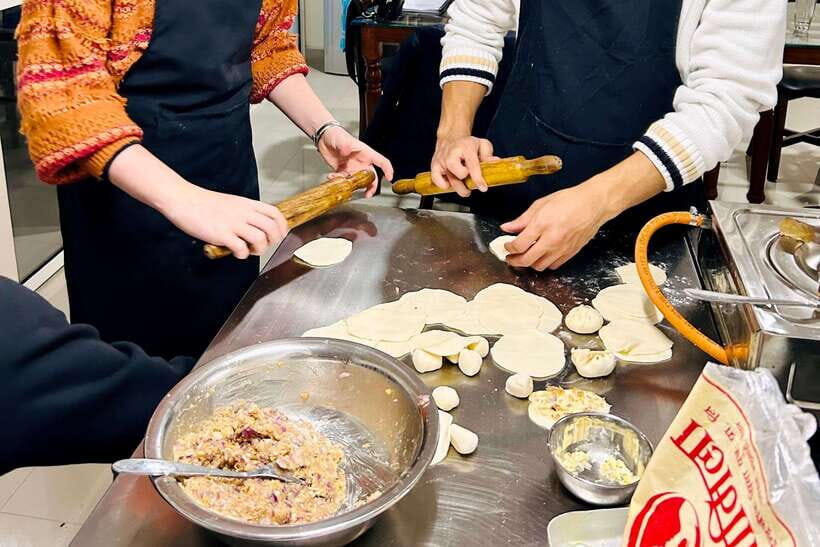
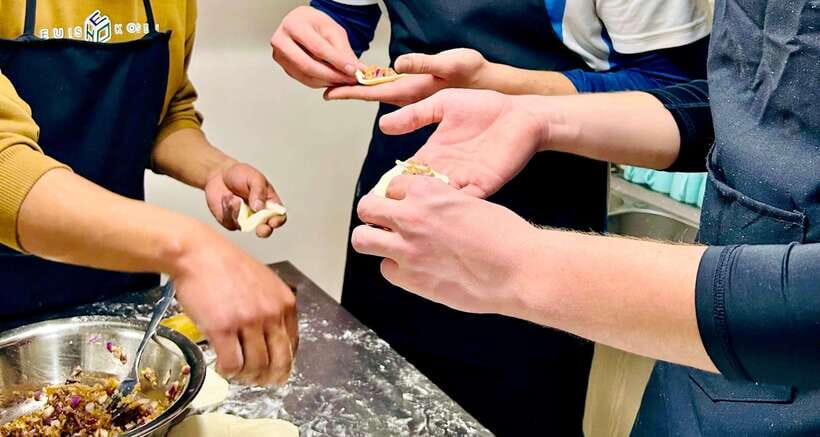
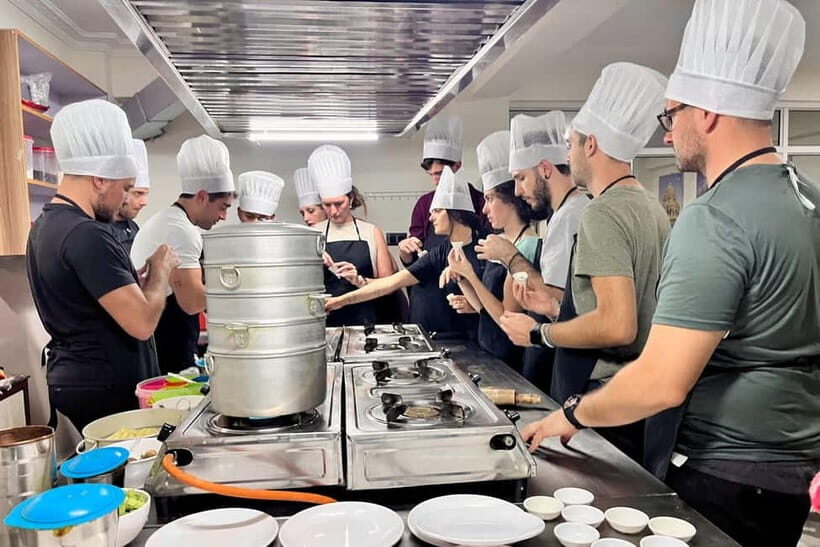
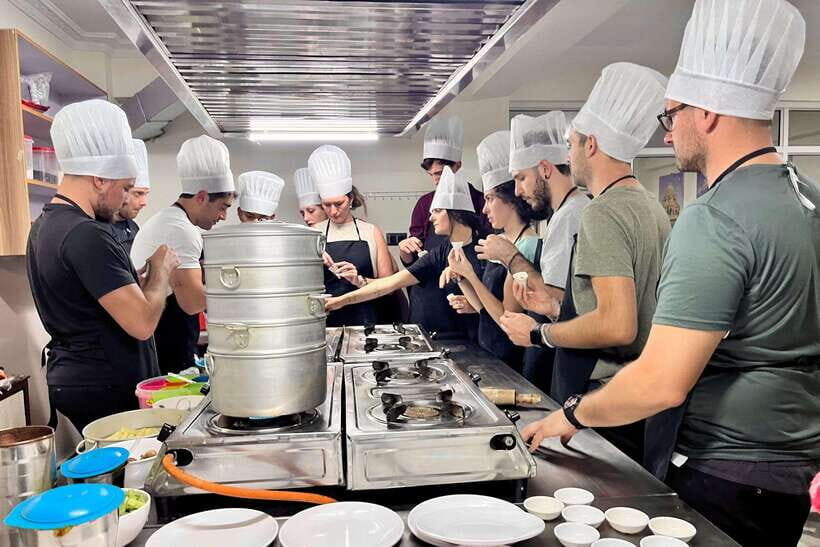
Once you’re back at the academy, the class focuses on making momos from scratch. You’ll learn the core sequence: preparing the dough, getting your filling ready, shaping the dumplings, and steaming them so they come out properly.
A big reason this kind of class works is that momo folding is a muscle-memory skill. If you’ve ever tried to fold dumplings at home, you know it can feel awkward at first. The teaching style here seems to land well with beginners. In feedback tied to the academy, instructors like Birfan and Bikram are specifically praised for being patient and practical—helpful when you’re learning a dumpling shape that looks simple until you try it.
You’ll also see the benefit of a clean, organized kitchen. One account highlighted that the kitchen was tidy and that chefs welcomed the group calmly. That matters because momo-making is hands-on and messy in the normal cooking way—so the layout and hygiene set the tone for whether you feel comfortable trying.
Regular momos vs soup momos: picking your style
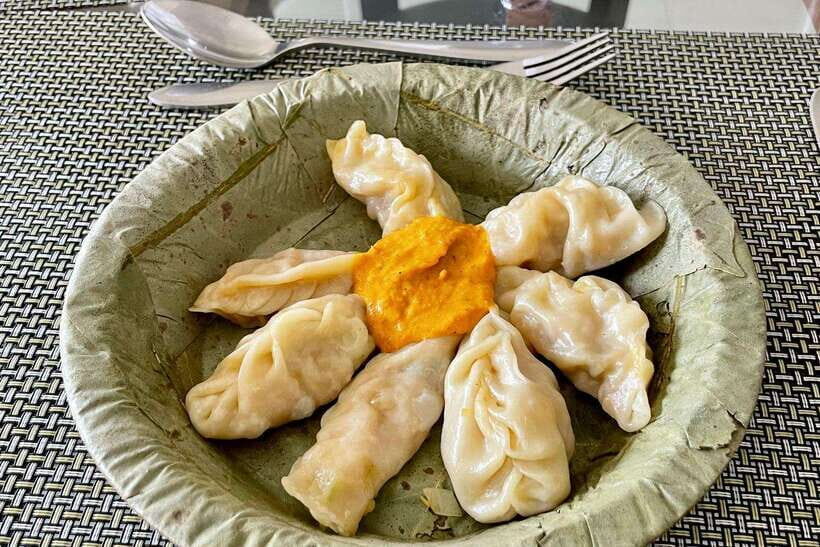
Your class doesn’t force one type of momo. You can choose regular momos or go for soup momo, where you’re working with a variation that changes how you think about serving and texture.
Here’s how to think about it when choosing:
- If you want the classic bite and dipping, regular momos are straightforward and satisfying.
- If you’re the type who likes broth flavors and a spoonable finish, soup momo gives you a different payoff at the table.
Either way, you’ll practice the fundamental technique—dough and shaping—so the choice isn’t a tradeoff. It’s more like picking between two flavors of the same skill.
Tasting session with Nepali masala tea: the best part of class flow
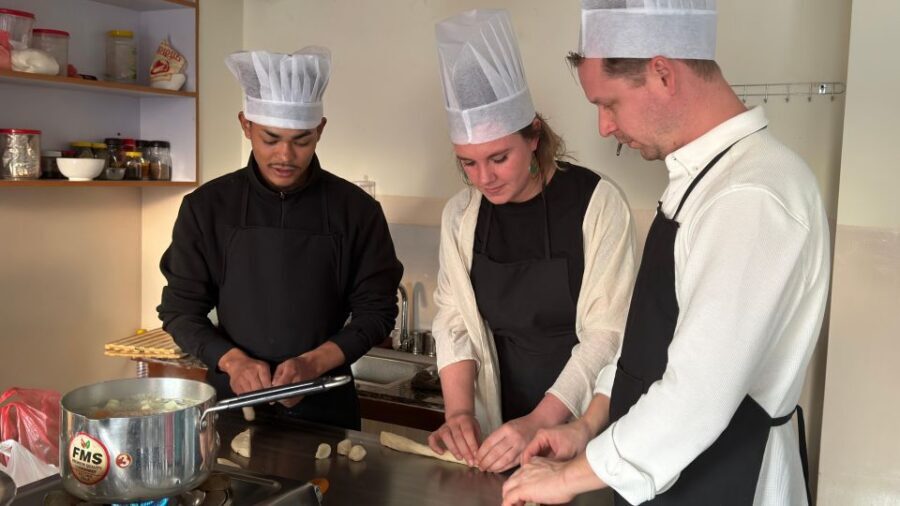
The session ends with what you’re actually there for: eating momos you made. You’ll have a tasting of your freshly prepared dumplings, served with complimentary Nepali masala tea.
This is more than a sugary finish. Tasting right after cooking helps you learn what “done” should feel and taste like. You can compare your finished momo to what you might assume from a photo online, and you’ll notice the small things—like how the dough texture changes when steamed well.
Also, tea is a real part of the experience in Nepalese food culture. It rounds out the meal and gives you a gentle reset before heading back into Kathmandu for the evening plans.





Who this class suits best (and who should skip it)
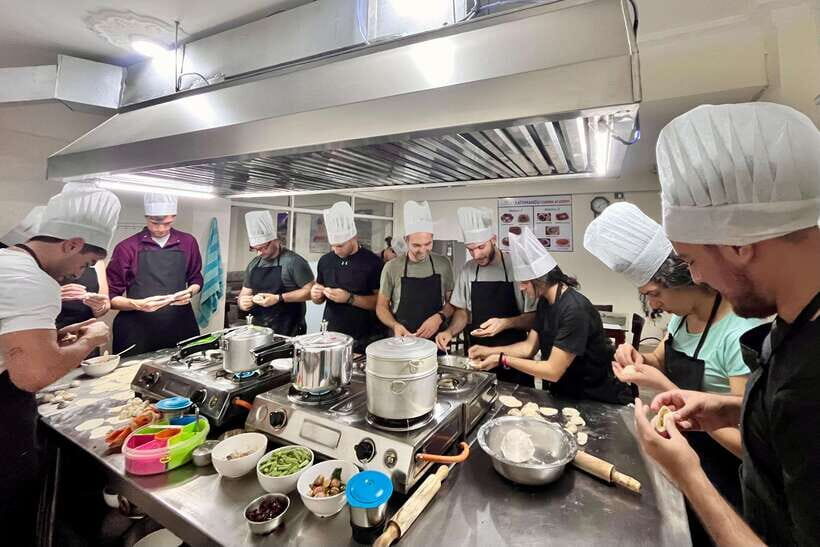
This is a great fit if you:
- want a hands-on food skill, not just a sightseeing activity
- like Nepali comfort food and want to understand it beyond eating
- enjoy small-group cooking with guidance (group size is limited to 10)
- can comfortably handle a short afternoon schedule
It can also work across a wide age range, based on past group experiences shared with the academy—one group description included everyone from kids up to an older adult, and the instruction stayed patient and encouraging.
It may not be ideal if:
- you’re traveling with very small children (it’s not suitable for children under 5)
- you need accommodations for very advanced age (it’s not suitable for people over 95)
Price and value: why $4 can still feel like a steal
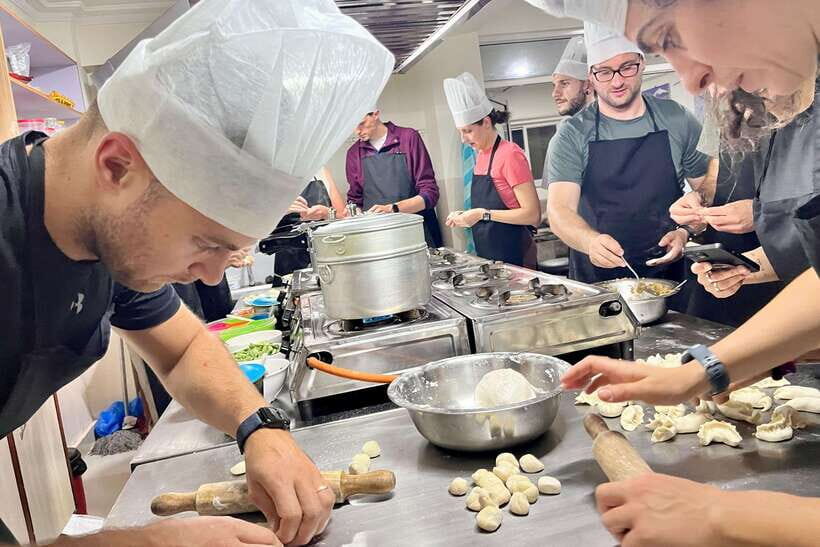
At $4 per person for a ~2-hour experience, this class has strong value, mainly because of what’s included. You get:
- an expert-guided, hands-on cooking class
- a market/shop tour to choose fresh ingredients
- equipment and accessories used during class
- a tasting of your momos
- complimentary Nepali masala tea
- optional hotel pickup and drop-off within Kathmandu Valley
- English instruction
In places where cooking classes cost far more, a lot of the price is often paying for “the experience” while your actual cooking time is limited. Here, you’re doing the work: dough, filling, shaping, steaming. That’s why the cost feels low relative to what you get.
If you’re trying to keep Kathmandu affordable, this is one of the few food experiences that gives you a skill you can repeat. You’re not just buying dinner. You’re buying the method.
What to bring and what to tell them in advance
The list is simple. Bring a camera if you like photos and want to remember ingredient details and technique steps.
Before you go, also plan for communication:
- If you have allergies or dietary restrictions, inform the organizers ahead of time.
- Special requests matter—especially for vegan needs—so make sure you mention them before booking.
This matters because momo dough and fillings can change based on what you choose. The more clearly you communicate, the more smoothly the class runs.
Timing and logistics: fitting it into a Kathmandu day
The class starts at 1 PM. Plan for about 1.5 to 2 hours total. That means it usually fits well between a slow morning and an afternoon rest, or between lunch and evening plans.
If you’re staying in Thamel, the 10 to 15 minute walk to the academy makes the timing manageable. If you don’t want to coordinate walking, the optional pickup keeps things simple as long as you’re within Kathmandu Valley.
One more small consideration: since the class is English-taught and hands-on, you’ll get more out of it if you’re ready to participate fully rather than just watch.
How to learn the momo shape fast (practical tips)
Momo folding is the moment where most beginners feel awkward. The good news is that the teaching style at this academy seems to target that exact problem: multiple accounts mention instructors guiding people kindly until the shape clicks.
To speed up your learning, I suggest:
- Focus on one folding step at a time instead of trying to perfect the whole dumpling at once.
- Take a few photos during the process. If you can’t remember a step later, photos help you recreate the visual cues.
- Make notes of the filling-to-dough feel. Even without exact measurements, remembering the texture target helps when you cook again.
One practical tip that came up in feedback: some people recommended taking notes because printed instructions can be missing details. If you’re the kind of person who likes a recipe you can follow later, bring a pen and write down what your instructor emphasizes.
Should you book this momo class?
Yes—if you want a hands-on Kathmandu food lesson that actually teaches skills. This class stands out for three reasons: you shop ingredients first, you practice shaping and steaming with guidance, and you finish with a real tasting plus Nepali masala tea.
Book it especially if:
- you’re a beginner cook and want a patient, small-group setup
- you care about veggie/vegan or chicken options and want those choices handled in the class
- you like learning food you can repeat, not just eating it once
Skip it or be cautious if:
- your schedule can’t handle a 1 PM start
- you require very specific dietary accommodations and haven’t communicated them in advance
- you’re traveling with someone outside the stated age suitability
If you’re in Kathmandu for a short stay and want one activity that mixes culture with practical cooking, this is a smart use of an afternoon. You’ll leave with momos in your stomach and the confidence to make them again.
FAQ
Where is the meeting point for the momo making class?
The meeting point is at Kathmandu Cooking Academy. It’s in Kathmandu, and the academy is accessible by foot from Thamel in about 10 to 15 minutes. Look for the signboard outside the building, then check in at the entrance.
What time does the class start?
The class starts at 1 PM.
How long is the class?
The duration is about 2 hours, with the stated range being roughly 1.5 to 2 hours.
Does the class offer hotel pickup in Kathmandu?
Yes, hotel pickup and drop-off within Kathmandu Valley is optional.
What types of momos can I make?
You can learn to make veggie, vegan, or chicken momos. You can also choose between normal momos and soup momo.
Is there a market or ingredient selection part?
Yes. You’ll have a guided market/shop tour to select fresh ingredients for your chosen momo filling.
Will I get to taste the momos I make?
Yes. The class includes a tasting session of the momos you prepare.
Is Nepali masala tea included?
Yes. A complimentary cup of Nepali masala tea is included with the tasting.
Is the instruction available in English?
Yes. The instructor teaches in English.
What should I bring?
Bring a camera. If you have allergies or dietary restrictions, inform the organizers in advance so they can prepare appropriately.