REVIEW · CITY TOURS
Full Day Kathmandu City Sightseeing Tour of UNESCO Heritage Sites
Book on Viator →Operated by Welcome Nepal Treks P.ltd · Bookable on Viator
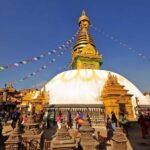
Swayambhunath views set the tone fast. This full-day UNESCO World Heritage route in Kathmandu Valley packs the big spiritual hits with a small group and hotel pickup/drop-off, so you spend your morning focused on temples instead of logistics. I also like that the pacing is guided by a professional local, which helps when you’re trying to understand what you’re seeing.
The route is practical for a first visit: you start with Swayambhunath, then move through Patan, and finish at the major religious landmarks of Pashupatinath and Boudhanath. The fact that the tour runs for about 7 hours (plan for ~8) is also a big plus because you get breadth without trying to cram everything into a half-day.
One drawback to plan around: lunch isn’t included, and entrance fees are extra. That doesn’t make the tour bad value, but it does mean you’ll want cash/card ready and a simple lunch plan for midday.
In This Review
- Key Highlights Worth Knowing
- A Morning Route Through UNESCO Kathmandu Valley Sights
- Swayambhunath Temple: Your Viewpoint Plus Your Temple Intro
- Patan City of Arts: Krishna Mandir, Bhimsen Temple, and Stonework Details
- Pashupatinath Temple: A Major Religious Center You Can’t Treat Like a Museum
- Boudhanath Stupa: The Peaceful Scale of Kathmandu’s Great Stupa
- How Long It Really Takes: 7 Hours on Paper, ~8 in Real Life
- Price and Value: What $50 Gets You (and What It Doesn’t)
- Small Group (Max 15): Better Questions, Less Waiting
- What to Bring (and How to Plan for Lunch and Tickets)
- Who This Tour Is Best For
- Should You Book This Kathmandu UNESCO Day Tour?
- FAQ
- How long is the full day Kathmandu UNESCO tour?
- What time does the tour start?
- Is hotel pickup and drop-off included?
- Is lunch included?
- Are entrance fees included in the price?
- What is the group size limit?
- What does the transportation include?
- How much does the tour cost?
- What is the cancellation policy?
Key Highlights Worth Knowing
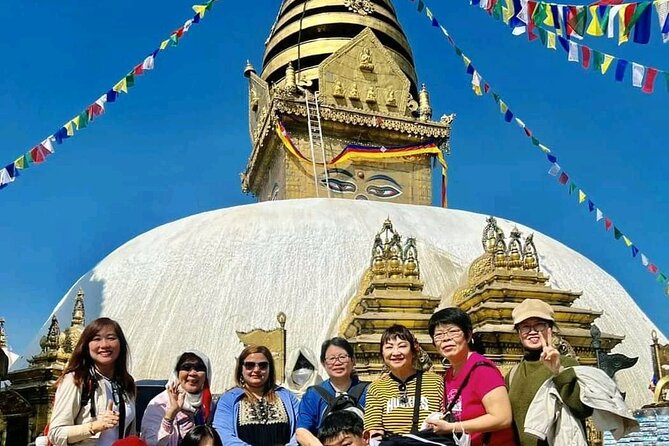
- Small group (max 15) means fewer people, easier questions, and less stop-and-go chaos.
- Swayambhunath first gives you a strong start with a classic Kathmandu view.
- Patan’s temple cluster adds depth beyond the main square, with named stops like Krishna Mandir and Bhimsen Temple.
- Pashupatinath and Boudhanath cover two of the valley’s most important religious worlds in one day.
- Hotel transport included saves time and stress in Kathmandu traffic.
- Guide-led context helps you understand temple details you might miss on your own.
A Morning Route Through UNESCO Kathmandu Valley Sights
This is the kind of tour that works well if you want the highlights without becoming a part-time historian. You meet your guide in the morning (the listed start time is 8:45am), then you head out in an air-conditioned vehicle with pickup and drop-off included. For first-timers, that alone is worth something: Kathmandu is busy, and hopping between UNESCO sites on your own can quickly turn into hours of figuring out timing and routes.
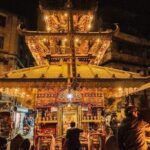
The tour focuses on major UNESCO landmarks tied to the religious life of the Kathmandu Valley. You’ll visit Swayambhunath Temple, Patan (the city of arts), Pashupatinath Temple, and Boudhanath Stupa. It’s a nice mix: temple steps, courtyards, and pilgrimage-level sites where people don’t just pose for photos—they do their daily routines, prayers, and offerings.
The structure matters. You get multiple stops in one day, but the schedule isn’t trying to rush every location to the point of feeling pointless. You’ll still want comfy shoes and a little patience, but the day feels like a guided tour rather than a transport service with a clipboard.
You can also read our reviews of more city tours in Kathmandu
Swayambhunath Temple: Your Viewpoint Plus Your Temple Intro
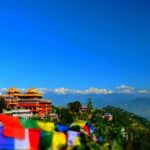
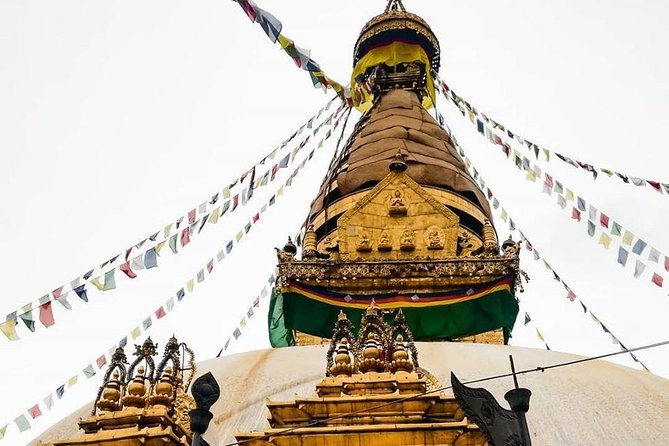
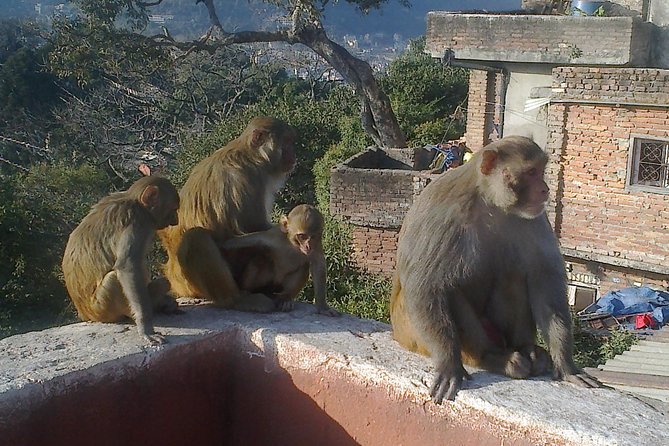
Swayambhunath is where you get your bearings fast. Your morning starts there, and you spend about one hour exploring. It’s widely known as one of Nepal’s oldest temple sites, and you’re not just walking through a viewpoint—you’re moving through a living religious complex.
What I like about starting here: the sightlines make everything feel real. Even if you’ve seen photos online, being on-site gives you scale. From Swayambhunath, Kathmandu looks like a patchwork of rooftops and spires. You also get the chance to read the temple environment with your guide’s help, rather than guessing what each group of structures and symbols means.
Practical note: temples like this often mean stairs, uneven surfaces, and crowded moments. Wear shoes you can trust. Go at your own pace, and use the guide time to ask questions about what you’re looking at—this is the part of the day where context makes the rest easier to appreciate.
Patan City of Arts: Krishna Mandir, Bhimsen Temple, and Stonework Details
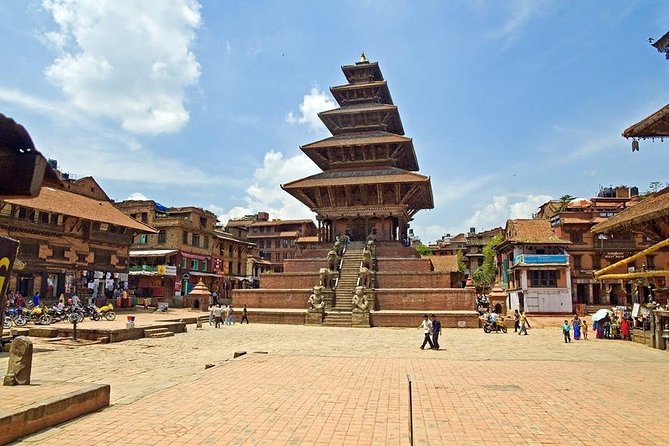
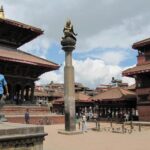
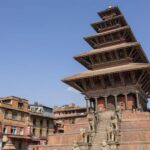
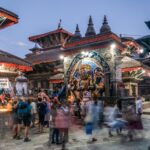
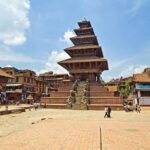
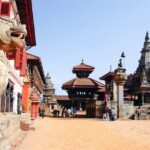
After Swayambhunath, you head toward Patan, the city famous for craft and artistry. Patan is one of those places where you can stare at architecture for a long time. The tour plan is built to help you do that with purpose.
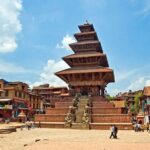
In Patan, you’ll visit temple stops including Krishna Mandir, Bhimsen Temple, and Taleju Bhawani Temple. That’s a smart way to structure the time. Instead of floating around a big area, you get named targets—and each one tends to reveal a different layer of Patan’s architecture and religious focus.
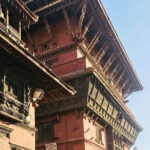
Here’s the value you’ll feel: the guide helps you connect the dots between what you see on stone (carving styles and design choices) and how communities historically used these spaces. Patan also has traditional houses nearby, so you can shift from monumental temples to the texture of older residential areas.
Lunch is the tricky part. The tour route clearly includes a midday break in Patan, but food and drinks are not included, so you’ll want to budget time to eat on your own. This is where a bit of planning pays off: carry a bottle of water, and consider snacks if you get hungry early.
Pashupatinath Temple: A Major Religious Center You Can’t Treat Like a Museum
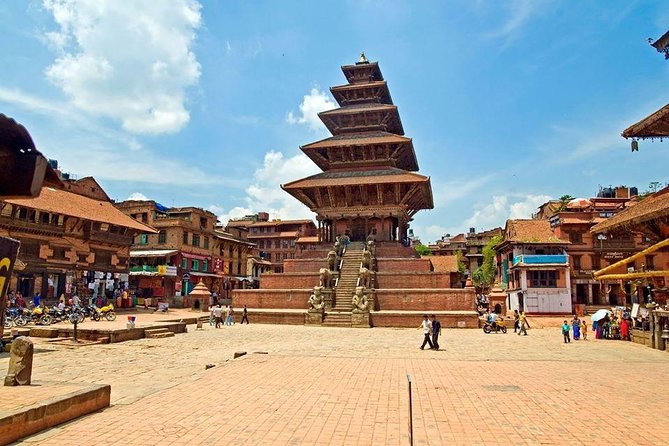
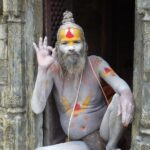
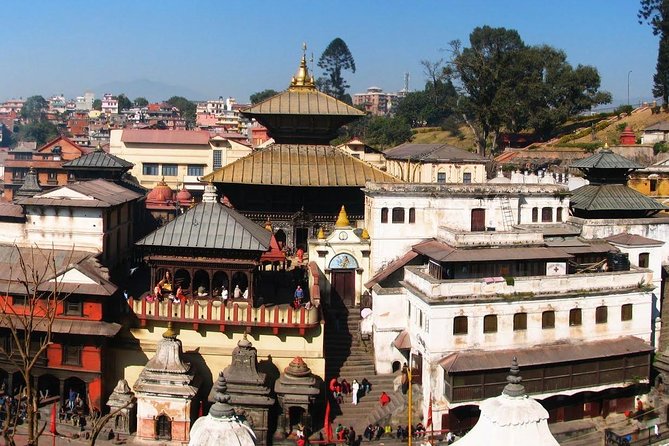
Pashupatinath is one of the most important pilgrimage sites in the country, and it’s the kind of place where the atmosphere is part of the experience. The tour includes time at Pashupatinath Temple as part of its core UNESCO route.
What makes this stop especially meaningful is the feeling that you’re observing a spiritual center that still functions as one. Even if you’re not sure what every ritual symbolizes, you’ll likely notice the rhythm—people arriving with intention, prayers, and offerings that follow long-standing traditions.
Respect is the main rule. Dress for temples (covering shoulders and wearing modest clothing is the safe approach), keep your voice down, and don’t rush through the space just to tick a box. A guided visit helps here because your guide can explain which areas you can move through comfortably and what to look for.
If you’re hoping for a strictly photo-based stop, adjust your expectations. This is more about understanding how a living religious site works than capturing the perfect shot.
Boudhanath Stupa: The Peaceful Scale of Kathmandu’s Great Stupa
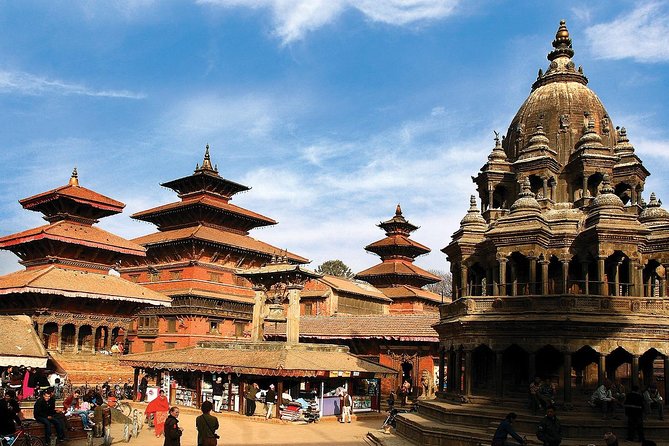
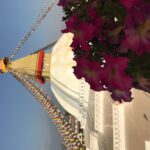
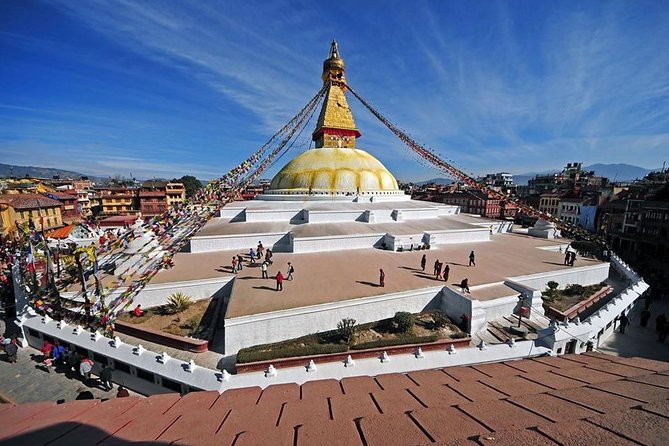
Boudhanath is the other heavyweight on this day: a UNESCO-listed stupa complex that draws pilgrims and worshippers from across the region. The tour includes a visit here, and it’s the kind of stop where your pace naturally slows down.
Boudhanath has a different feel than the temple you visited earlier. You’re shifting from temple structures to a massive stupa space designed for ongoing devotion. People gather, move, and pay attention to the spiritual meaning of the site. The stupa’s size can feel almost unreal until you’re standing there.
I also like that this stop complements the earlier ones. By the time you reach Boudhanath, you’ve seen enough temple complexity to understand the symbolism in a more grounded way. You’ll likely find it easier to focus on the stupa itself rather than getting distracted by everything around it.
One practical tip: keep your camera accessible, but also put it away at key moments. If you spend the whole time photographing, you miss the quieter details like the small conversations, the prayer motions, and the steady pace of people performing their devotions.
You can also read our reviews of more historical tours in Kathmandu


How Long It Really Takes: 7 Hours on Paper, ~8 in Real Life
The tour is listed at about 7 hours, but the guidance is clear: plan for around 8 hours. That extra time matters in Kathmandu. UNESCO sites can mean crowds, slow walking, and moments where you naturally linger—especially when a guide is explaining something and you don’t want to cut questions short.
Also, the tour includes hotel pickup and drop-off, which affects timing. Depending on where your hotel is, the vehicle drive time can shift a bit. In a city like Kathmandu, traffic isn’t predictable, so building in the buffer is smart.
If you’ve got other plans after the tour, keep them flexible. This is a full-day “see the key sights” experience, not a quick add-on.
Price and Value: What $50 Gets You (and What It Doesn’t)
At $50 per person, this tour is priced as an accessible way to cover major UNESCO landmarks in one shot. The value comes from the bundle: professional guide, air-conditioned transportation, and hotel pickup/drop-off.
Entrance fees are an extra cost, and that’s worth planning for up front. Likewise, lunch isn’t included, so your true daily spend will be price + entrance fees + food. Still, compared with paying for private transport and tickets separately, this structured group format can feel like a fair deal.
The real value is the “guided understanding” piece. If you’re the type who likes to know what you’re looking at—why a site matters, how traditions operate, what details mean—then this price makes more sense. If you only want photos and don’t care about explanations, you might feel less impressed.
Small Group (Max 15): Better Questions, Less Waiting
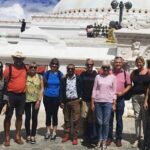
With a maximum group size of 15 travelers, this tour avoids the big-bus feeling. That small size is especially helpful at temple sites where people naturally slow down. Fewer people usually means fewer bottlenecks and more chances to ask your guide questions when something catches your eye.
The guide quality is a theme in the positive feedback you’ll read about this tour style. I’ve seen multiple guide names praised for being patient, careful with pacing, and tuned into explaining details rather than rushing you through. For example, names like Ranjit Godar, Kesher, and Rabina show up with consistent notes about knowledge and kindness, and about keeping the tour unhurried.
A small practical suggestion: if you want the most out of a guided day, pick one or two things you want to understand before you start. Then ask about those points while you’re there. You’ll feel the difference immediately.
What to Bring (and How to Plan for Lunch and Tickets)
Because entrance fees are extra and food and drinks aren’t included, you should plan your day like this:
- Bring a little cash and/or a card for the site entry costs
- Plan for lunch on your own in Patan (or wherever the midday stop happens)
- Carry water, especially if you’re walking in sun or climbing steps
Clothing matters at religious sites. Choose modest layers that are comfortable for walking and stairs. If you’re taking photos, keep small accessories easy to handle—temples and stupa areas can get crowded and you don’t want to fight with straps while you’re trying to move.
Also, remember it’s not suitable for pets, so plan your day accordingly if you’re traveling with animals.
Who This Tour Is Best For
This tour shines for:
- First-time visitors who want the big UNESCO highlights without routing chaos
- Travelers who enjoy a guide explaining what you’re seeing, not just dropping you off
- Groups of friends and solo travelers who like meeting others in a small setting
It might feel less ideal if:
- You want a strictly independent day with zero extra costs or planning for lunch
- You dislike guided pacing or long temple visits
- You’re looking for only one or two sites instead of a full UNESCO checklist
Should You Book This Kathmandu UNESCO Day Tour?
I’d book it if you want a solid, well-structured UNESCO day with transport and a guide, and you’re okay budgeting for entrances and lunch. It’s good value when you count the total time you save and the fact you’re covering multiple top-tier sites in one day.
I wouldn’t book it if entrance fees and extra meals would be a headache for your budget—or if you’re the kind of traveler who prefers to wander without guidance. In that case, a more flexible self-guided plan could fit better.
If you’re on a first Kathmandu trip and you want to understand the landmarks, this is a dependable way to do it.
FAQ
How long is the full day Kathmandu UNESCO tour?
It runs for about 7 hours, but you should plan for around 8 hours in total.
What time does the tour start?
The start time listed is 8:45am, with pickup arranged by the guide from your hotel.
Is hotel pickup and drop-off included?
Yes. Hotel pickup and drop-off in Kathmandu Valley are included.
Is lunch included?
No. Lunch is not included, and you’ll need to handle food and drinks on your own.
Are entrance fees included in the price?
Entrance fees are not included. Entrance fees to the sites are an extra fee.
What is the group size limit?
This tour has a maximum of 15 travelers.
What does the transportation include?
Transportation (including hotel pickup and drop-off) is included, and the vehicle is air-conditioned.
How much does the tour cost?
The price is $50.00 per person.
What is the cancellation policy?
You can cancel up to 24 hours before the experience start time for a full refund. If you cancel less than 24 hours before, the amount paid is not refunded.