REVIEW · CITY TOURS
Kathmandu: Private City Guided Tour
Book on GetYourGuide →Operated by Green Valley Nepal Treks & Research · Bookable on GetYourGuide
Four UNESCO stops in one afternoon.
This private Kathmandu city tour strings together Hindu temples and major Buddhist stupas, so you quickly see how Nepal’s religions sit side by side. You also get a focused introduction to Kathmandu Valley culture, with time to breathe, look closely, and ask questions of your English-speaking guide—sometimes with guides like Kapil or Saru who are known for turning sites into stories.
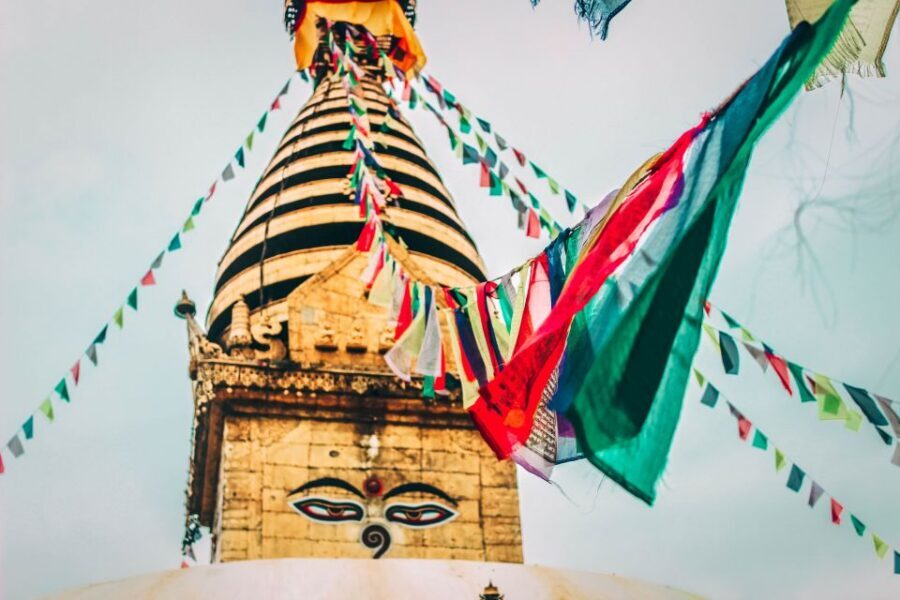
I especially love the mix of Buddhist and Hindu landmarks—Swayambhunath’s all-seeing Buddha eyes, Boudhanath’s Tibetan devotion, and Pashupatinath’s Shiva focus—because it makes the city click fast. I also like the private-door convenience, with hotel pickup and drop-off plus a guide who helps with tickets on the spot, so you do not waste your first hours figuring things out.
The main catch is timing: Kathmandu traffic can slow everything down, so start with a relaxed mindset and comfy shoes.
In This Review
- Key points to know before you go
- A Private 6-Hour Circuit: What You Really Get for $40
- Pickup, Timing, and the Real Kathmandu Schedule
- Patan Durbar Square: Newari Architecture and the 21 Golden Pinnacles
- Swayambhunath Monkey Temple: 2,500 Years, Buddha Eyes, and Valley Views
- Boudhanath Stupa: Big Tibetan Devotion in a Calm Circle
- Pashupatinath Temple and Bagmati River Cremations: Powerful, Not for Everyone
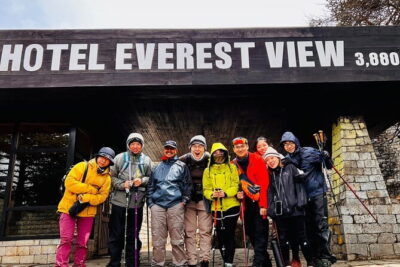
- Everest View Hotel Stop: Getting Closer to the Big Idea
- Lunch and Local Food: A Taste of Kathmandu Between Sacred Stops
- Entrance Fees, Tickets on the Spot, and Cash-Ready Planning
- Practical Tips That Make the Temples Easier (and Less Stressful)
- Should You Book This Kathmandu Private City Guided Tour?
- FAQ
- FAQ
- What monuments and sites are included?
- Is the tour focused on UNESCO sites?
- How long is the tour?
- What is the price, and what is included in that price?
- Are entrance fees included?
- Are meals included?
- Does the tour include a view of Mt. Everest?
- Where can you get picked up and dropped off?
- What languages will the guide speak?
- Is the tour suitable for wheelchair users?
- What should I bring?
Key points to know before you go
- Four major UNESCO-linked stops packed into a 6-hour private route
- Buddhist sites with big atmosphere, especially Boudhanath and Swayambhunath
- Pashupatinath’s Bagmati River rituals can be intense, and a mask can help
- Everest View Hotel photo moment is part of the highlights plan
- Your guide drives the pace, with flexibility if you want more time in one place
- Entrance fees are extra, so budget cash for the monument counters
A Private 6-Hour Circuit: What You Really Get for $40
At $40 per person for about six hours, this tour is built for travelers who want orientation without spending a whole day on logistics. You get a private car, a live English-speaking guide (English, Hindi, Nepali), and pickup/drop-off from several Kathmandu-area locations—good value if your time is tight or you want someone to help you navigate entrances, routes, and etiquette.
The big payoff is not just seeing four headline sites. It is the order and the storytelling that connect them. When your guide talks through what you are looking at—Buddhist symbolism at Swayambhunath, Tibetan practices around Boudhanath, and Shiva worship plus cremation rituals at Pashupatinath—it turns sightseeing into understanding. Guides you might meet, including Kapil, Saru, Shanti, Deepak, and Bhim, are repeatedly praised for clear explanations and for adjusting the day to your interests.
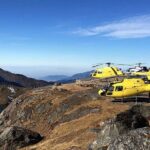
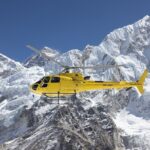
One practical note: the listed highlights include a closer Everest View Hotel stop (described as helicopter stops). Since the exact way this happens is not detailed here, I suggest treating it as a highlight that depends on conditions and how the day is timed. Ask your operator to confirm what you will experience at the Everest View Hotel area on your specific day.
You can also read our reviews of more guided tours in Kathmandu
Pickup, Timing, and the Real Kathmandu Schedule
You have seven pickup options—Boudhha, Lalitpur, Kathmandu, Ekantakuna, Thamel, Lazimpat, and Naya Bazaar—and seven drop-off locations that match. That flexibility matters because Kathmandu traffic is not theoretical. One review pointed out that Google Maps estimates can be far too optimistic, with trips taking 30 minutes or more instead of 10–15.
What this means for you: plan your day like Kathmandu is a little slower than your phone predicts. The good news is that the tour is designed to fit in a tight window without feeling rushed, especially when your guide manages the route well. It also helps that you can personalize a bit—if you want to avoid extra walking at a temple courtyard or spend longer at one stupa, your guide can often shift time.
Transport is in a private sedan, SUV, or minivan depending on group size. If air-conditioning matters to you, you can ask ahead of time since comfort can vary by vehicle and route.
Patan Durbar Square: Newari Architecture and the 21 Golden Pinnacles
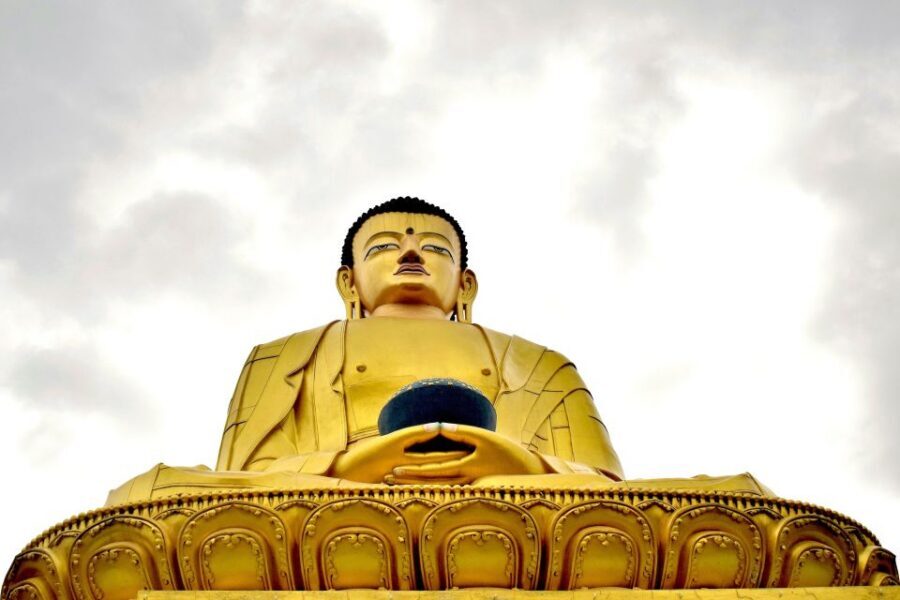
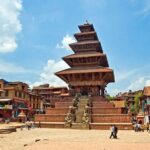
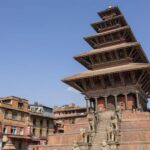
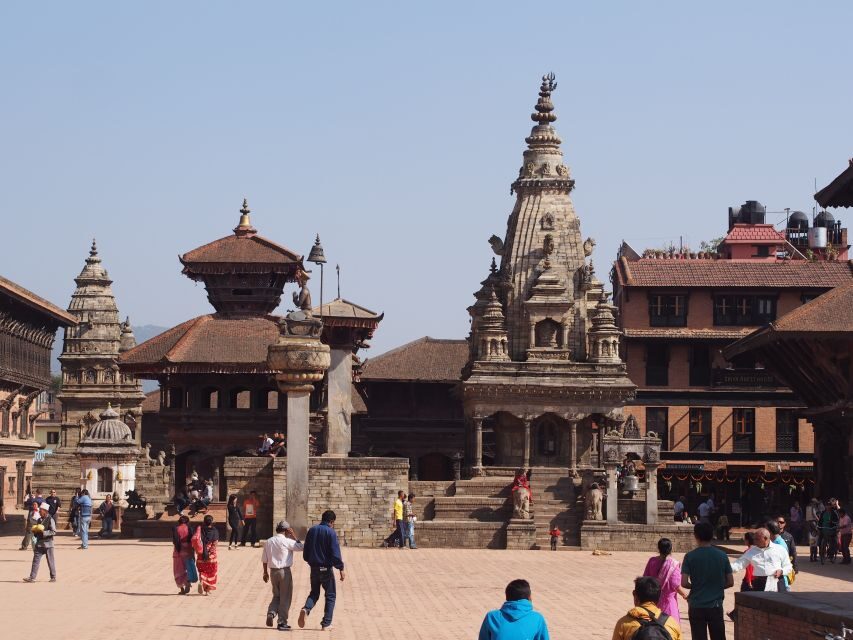
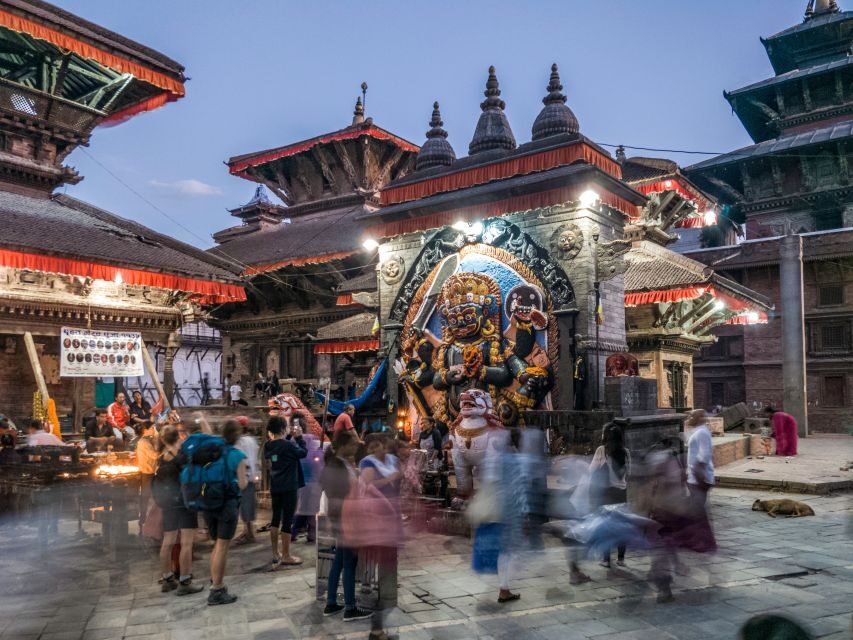
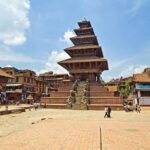
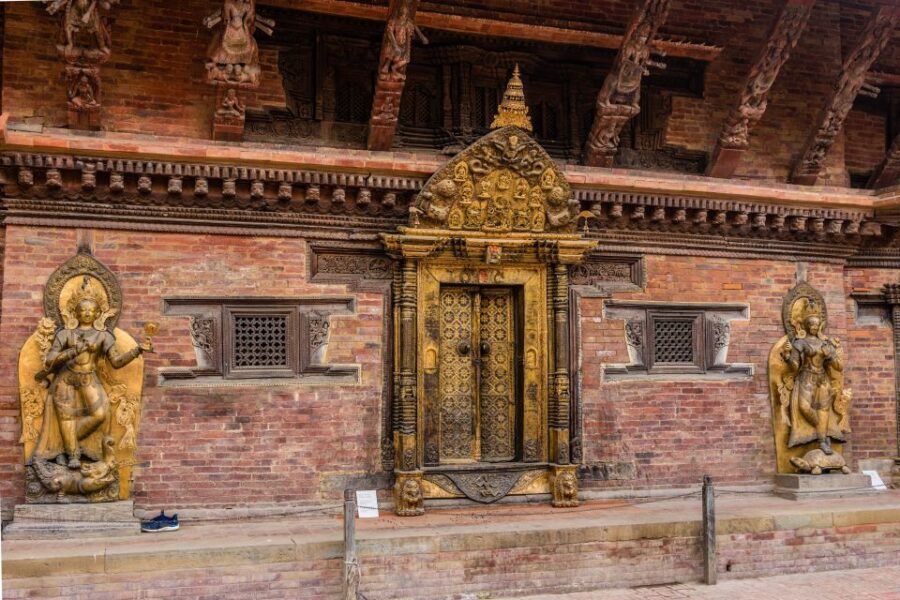
Patan Durbar Square is one of Kathmandu Valley’s major heritage cores, and it is often the most “architectural” of the day. This is the former home of the Patan royal family, and the square shows off Newari craftsmanship in stone, wood, and carved details.
What you’ll focus on here:
- Krishna Temple, famous for 21 golden pinnacles
- Rudra Varna Mahavihar, a Buddhist monastery complex holding local treasures
- The central courtyard of Mul Chowk
Why it matters: Patan is not just a pretty stop. It helps you see Nepal’s older city life and how art and religion share the same space. Even if you are not a temple “collector,” the sheer density of carvings makes the place feel like walking through a living museum.
A drawback to keep in mind: Durbar squares can involve uneven ground and steps. If you prefer minimal stair time, tell your guide early; adjustments are sometimes possible. Also, some areas can be restricted due to religious rules, but you will typically still be able to take in the architecture from where visitors are allowed.
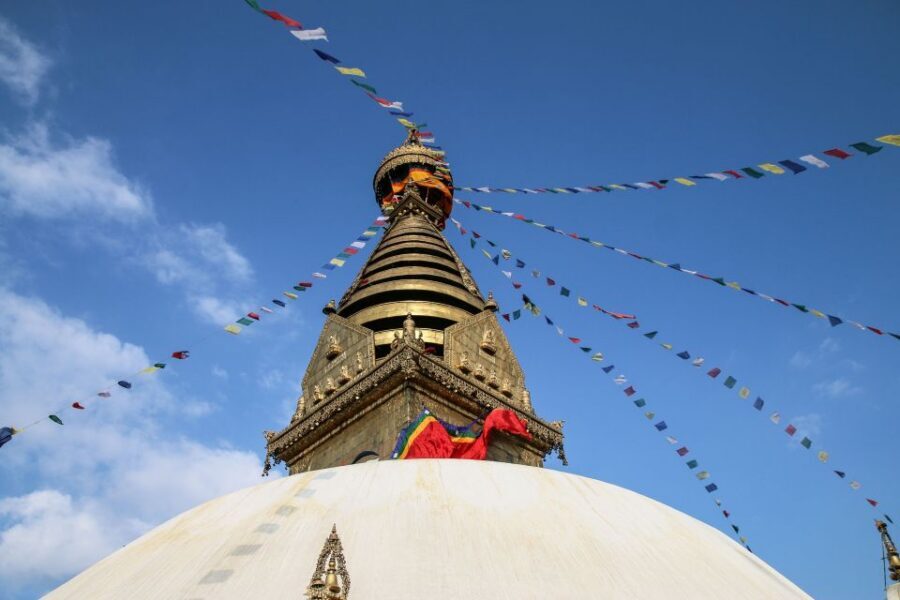
Swayambhunath Monkey Temple: 2,500 Years, Buddha Eyes, and Valley Views
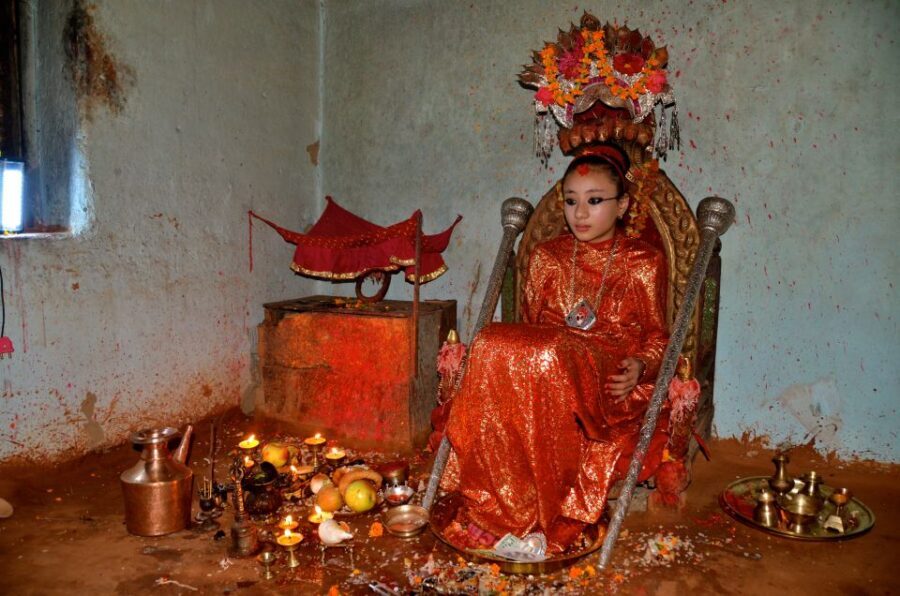
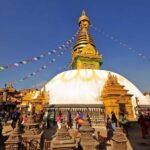
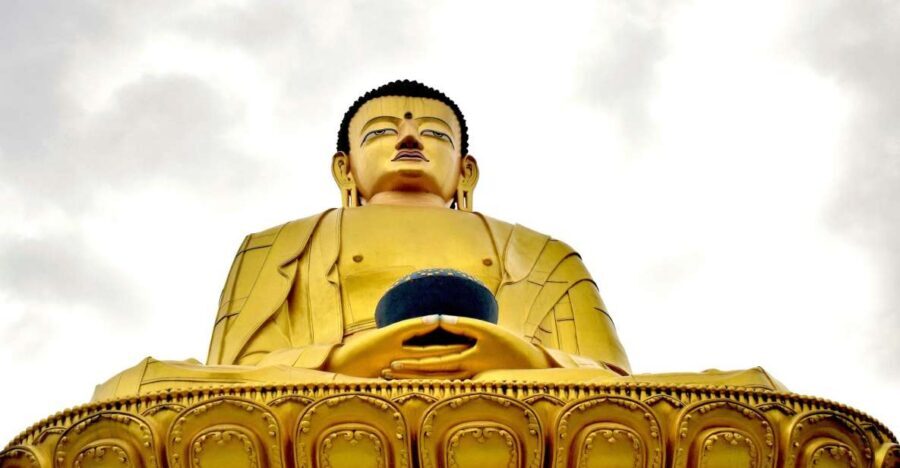
Swayambhunath sits on a hillock about 77 meters above the valley floor. That height is the point: once you climb up (expect steps), you get sweeping views over Kathmandu Valley. And then there is the iconic dome with painted Buddha eyes on four sides—the symbolism is simple and powerful: an all-seeing presence you cannot miss.
This complex is about more than one image. It includes:
- Buddhist monasteries within the site
- A temple of Harati where Buddhists and Hindus worship
- A short walk to Manjushree Temple and Anandakuti Bihar
The monkeys are famous for a reason, but treat them like wildlife, not pets. Keep your bag zipped, hold onto loose items, and do not try to feed or provoke them. Your guide will typically help you get into good photo positions while staying safe.
What to love here: this stop makes Kathmandu feel layered. You get religious meaning, plus a real sense of where the city sits in the valley. If you enjoy views, this is a strong “wow per minute” location.
Watch-out: the climb and sun. Wear comfortable shoes and bring water. A face covering can also be handy, especially on busy days.
Boudhanath Stupa: Big Tibetan Devotion in a Calm Circle
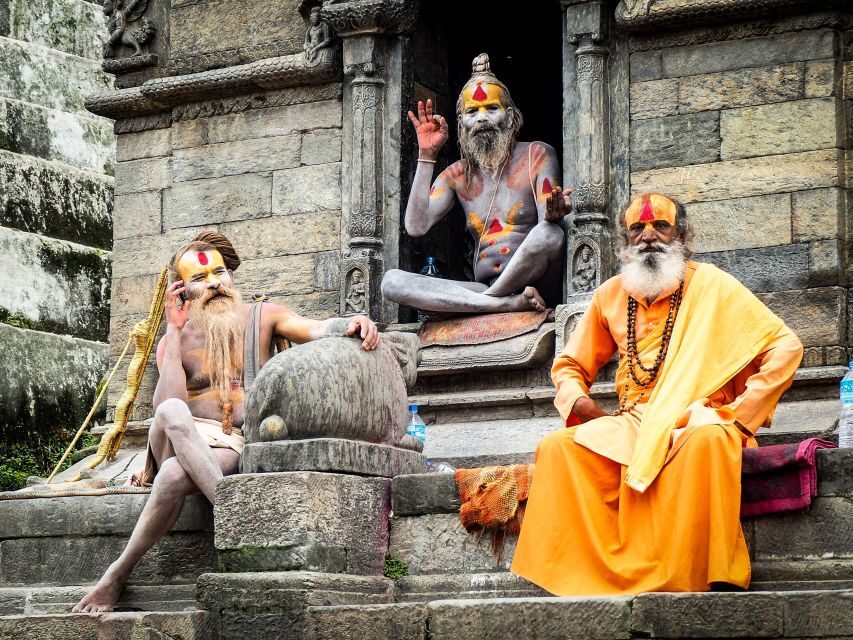
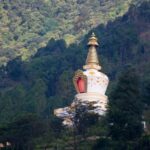
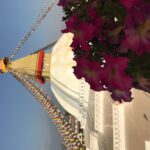
Boudhanath is about 6 km east of Kathmandu, and it is believed to date back to the 5th century AD. It is one of the biggest Buddhist stupas in the world, and it shows how Buddhism looks when it is practiced as a daily ritual—not just an object to photograph.
Around the stupa you will see Buddhist lamas and monasteries, and Boudhanath is especially holy for Tibetan Buddhists. In winter, many people come in large numbers to pay honor—so depending on when you go, the atmosphere can range from peaceful to very busy.
When the tour works best: your guide helps you read the scene. A good explainer will connect what you see—prayer behavior, the stupa’s spiritual role, and why the site draws people—to the broader religious landscape of Kathmandu.
A drawback: stupa areas are popular and can feel crowded. If you want quieter moments, ask your guide for a timing strategy—sometimes there are small pockets of calm right after one group moves on.
You can also read our reviews of more city tours in Kathmandu
Pashupatinath Temple and Bagmati River Cremations: Powerful, Not for Everyone
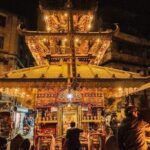
Pashupatinath is a Shiva temple about five kilometers east of Kathmandu on the Bagmati River. It is recognized by its striking two golden roofs and four silver doors, and it draws tens of thousands of Hindu pilgrims, especially around spring.
The most unforgettable (and most intense) part is right where the religion meets the river: on the Bagmati River banks, you may be able to observe Hindu cremation rituals. This is not a “clean postcard” experience. It is a ritual with smell, smoke, and emotion.
That is where the tour earns its keep. One guide provided masks because the smoky conditions can be strong around cremation areas. If you have a sensitive nose or you are not comfortable with that kind of reality, tell your guide up front. You can still see the temple architecture and learn about the ritual context without staying where it feels overwhelming.
Etiquette matters here. Keep respectful distance, dress modestly, and follow any guidance from your guide about where you can stand or view.
Everest View Hotel Stop: Getting Closer to the Big Idea
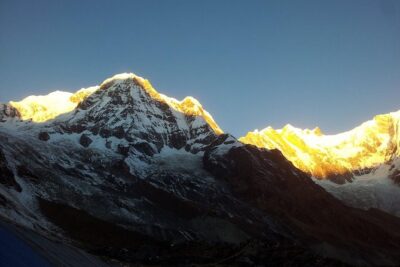
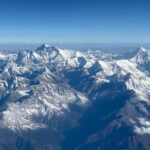
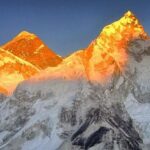
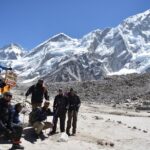
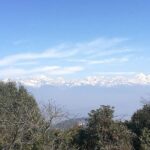
One of the tour highlights is a closer look at Mt. Everest with a stop at Everest View Hotel, described as helicopter stops. The exact format is not spelled out in the details you provided, but the intent is clear: you are not just hearing about Everest—you are getting a sightline moment tied to the mountain itself.
What I recommend:
- Treat it as a weather-dependent highlight.
- Bring a camera that you can use quickly, since windows and timing can be short.
- Ask your guide what the plan is for your specific day, including how long you will be at the viewpoint area.
Even when visibility is not perfect, getting up near the viewpoints is still a grounding experience because it puts Nepal’s geography into real perspective.
Lunch and Local Food: A Taste of Kathmandu Between Sacred Stops
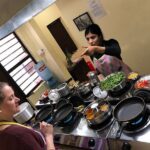
Meals and drinks are not included, but guides often build a lunch stop into the day. Several experiences you shared mention a great lunch, including rooftop dining with a view—one example specifically described lunch on a rooftop overlooking the Boudhanath Stupa area.
Why this matters: eating nearby keeps you grounded in local daily life rather than forcing a rushed restaurant stop far from the sites. It also gives you an easy way to try Nepalese comfort food, including a mix of savory and sweet dishes.
Practical tip: since meals are on you, bring some extra cash. If you are picky about spice or food timing, tell your guide early and ask them to recommend dishes that fit what you want.
Entrance Fees, Tickets on the Spot, and Cash-Ready Planning
Monument entry fees are not included. The listed fee is NPR 2700 (about US$22) per person, and the prices can vary for nationals of South Asian Association for Regional Cooperation countries and for Chinese nationals. Your guide will assist you with buying tickets on the spot, which is a real convenience on a tight schedule.
What to do before the tour:
- Bring cash for entrance counters
- Carry your passport or ID card
- Wear comfortable shoes so you are not forced to rush through parts of the sites
If you want a smoother day, ask your guide to confirm what tickets you will need at each stop as soon as you start.
Practical Tips That Make the Temples Easier (and Less Stressful)
This tour is very doable, but Kathmandu is Kathmandu. These small things help a lot:
- Wear comfortable shoes. Steps and uneven surfaces are common at stupa and temple sites.
- Bring water. You will walk and stand more than you expect in 6 hours.
- Carry a mask or protective covering, especially around Pashupatinath where smoke can be strong.
- Use cash for entrances and lunch.
- Respect religious spaces: some areas can be restricted, but your guide can point out what you can see from permitted viewing spots.
- Plan for flexibility: your guide can often adjust the itinerary a bit if you want less walking or more time in a favorite place.
One extra etiquette note: if you feel more comfortable, a head scarf can help when entering certain sacred areas. It is not required in the details you provided, but some guides have helped guests with respectful ways to handle temple rules.
Should You Book This Kathmandu Private City Guided Tour?
Book it if you:
- Want a fast, high-impact orientation to Kathmandu Valley’s major spiritual sites
- Prefer a private guide over self-navigation on your first day
- Like learning the “why” behind what you see—religion, symbolism, and how different traditions share the same city
- Have limited time and want a plan that still leaves room for small personal preferences
Skip it (or adjust expectations) if you:
- Have a strong discomfort with cremation rituals. Pashupatinath can be intense because it sits next to the Bagmati River cremation activity.
- Want full, slow exploration. This is a highlights route, not a day-long deep stay in one place.
- Need wheelchair access. The tour is not suitable for wheelchair users based on the provided details.
My take: for most first-time visitors, this is a smart way to get your bearings quickly. You trade some leisurely wandering for focused understanding, and you come away with a clearer picture of Nepal’s Hindu-Buddhist world—plus one of the best “what am I looking at?” explanations you can pack into a single afternoon, with guides like Kapil and Saru leading the way.
FAQ
FAQ
What monuments and sites are included?
The tour visits four major sites: Patan Durbar Square, Swayambhunath Temple (Monkey Temple), Pashupatinath Temple, and Boudhanath Stupa.
Is the tour focused on UNESCO sites?
Patan Durbar Square is specifically described as UNESCO World Heritage-listed, and the tour is built around major heritage landmarks in Kathmandu.
How long is the tour?
The duration is 6 hours.
What is the price, and what is included in that price?
The price is $40 per person. Included are hotel pick-up and drop off, a private car, and an English-speaking guide.
Are entrance fees included?
No. Monument entry fees are not included. The listed fee is NPR 2700 (approx. US$22) per person, and pricing can differ based on nationality.
Are meals included?
No. Meals and drinks are not included.
Does the tour include a view of Mt. Everest?
The highlights mention helicopter stops at Everest View Hotel for a closer view of Mt. Everest.
Where can you get picked up and dropped off?
Hotel pickup is offered from Boudhha, Lalitpur, Kathmandu, Ekantakuna, Thamel, Lazimpat, and Naya Bazaar. Drop-off locations include Ekantakuna, Kathmandu, Naya Bazaar, Lazimpat, Lalitpur, Thamel, and Boudhha.
What languages will the guide speak?
The live guide is listed as English, Hindi, and Nepali.
Is the tour suitable for wheelchair users?
No. It is not suitable for wheelchair users.
What should I bring?
Bring a passport or ID card, comfortable shoes, water, cash, and a face mask or protective covering.