REVIEW · 1-HOUR EXPERIENCES
From Kathmandu: 1 hour Panoramic Everest Flight
Book on GetYourGuide →Operated by Nepal Social Treks · Bookable on GetYourGuide
One hour, and the Himalayas feel close. You’ll fly out of Kathmandu early in the morning, take in sweeping views of some of the world’s highest peaks, and come back fast, making this a great way to see Everest without the time and effort of a trek. I really like the guaranteed window seat setup, and I also like how the experience is built around clear mountain-spotting so you can actually identify what you’re seeing.
The biggest thing to plan around is that the views depend on weather and visibility, and your flight time can shift if conditions aren’t right for flying.
In This Review
- Key things to know before you fly
- Why This One-Hour Everest Flight Works When Trekking Is Off the Table
- From Tribhuvan Airport to Your Window Seat: The Pre-Flight Flow
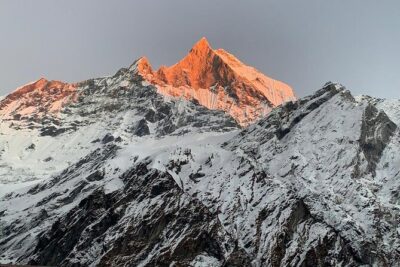
- In the Air: A Mountain-Spotting Route Toward Everest
- Window Seats, Clouds, and What to Do If the View Isn’t Perfect
- On Board: Cabin Crew Support, Cockpit Moments, and Small Extras
- Price and Value: Is $215 Really Worth It?
- Should You Book an Everest Flight From Kathmandu?
- FAQ
- FAQ
- Where does the Everest flight start and end?
- How long is the panoramic Everest flight?
- What is the price per person?
- Do I get a window seat?
- Is hotel pickup available?
- What’s included in the price?
- Do I need to bring a passport or ID?
- What should I wear or bring for the flight?
- Is smoking allowed?
- What happens if weather conditions aren’t suitable?
Key things to know before you fly
- Guaranteed window seats for each participant, so you’re not stuck sharing views
- Early morning departures are often timed for the best chance at clear skies and morning light
- A mountain-by-mountain experience where the cabin team helps you track peaks you’re seeing
- Hotel pickup option in Kathmandu and Patan, so you’re not scrambling the morning of
- You might even get special access on some flights, like time with the cockpit crew
- Weather can cancel or delay flights, with rescheduling the next day in some cases
Why This One-Hour Everest Flight Works When Trekking Is Off the Table
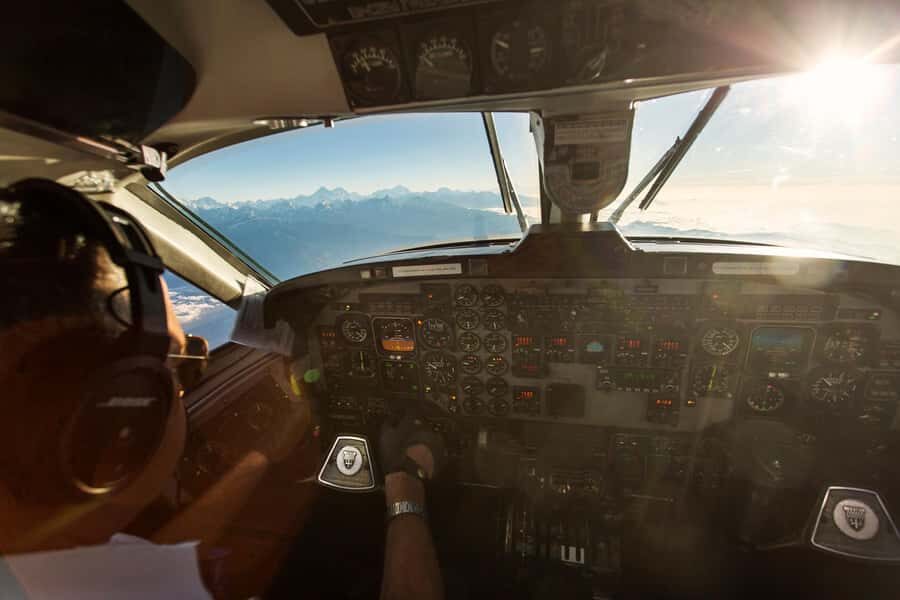
If your Nepal trip is short, this is the kind of experience that can still deliver the Everest moment. You trade days of trekking for one hour of flying that’s focused, not scattered. You get to look “across” the Himalaya instead of spending your energy hiking uphill for views.
I especially like that this flight isn’t just Everest. The route is set up to reveal a chain of major peaks as you move along the range. You’ll be able to look left and right and match what you see to a bigger picture of the mountains around Kathmandu.
You can also read our reviews of more tours and experiences in Kathmandu
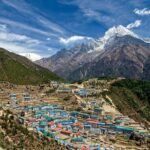
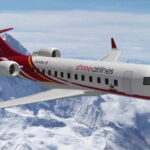
From Tribhuvan Airport to Your Window Seat: The Pre-Flight Flow
Most of the work happens fast, and that’s a good thing on travel mornings. You meet at Tribhuvan International Airport’s domestic terminal, and from there you’ll go through the express security lane meant to keep things moving. The overall feel is simple: arrive, check in, board.
If you choose it, hotel pickup is available from Kathmandu and Patan. That matters because your biggest risk on flight days is arriving late or stressed, especially when you’re dealing with early mornings. One of the most praised parts of the service is how smoothly people get to the domestic terminal on time.
What you should bring is basic but important: a passport or ID card, plus warm clothing. Even if Kathmandu is mild, the airport and the cabin can feel chilly early on. Also plan on keeping luggage minimal, since large bags aren’t allowed.
In the Air: A Mountain-Spotting Route Toward Everest
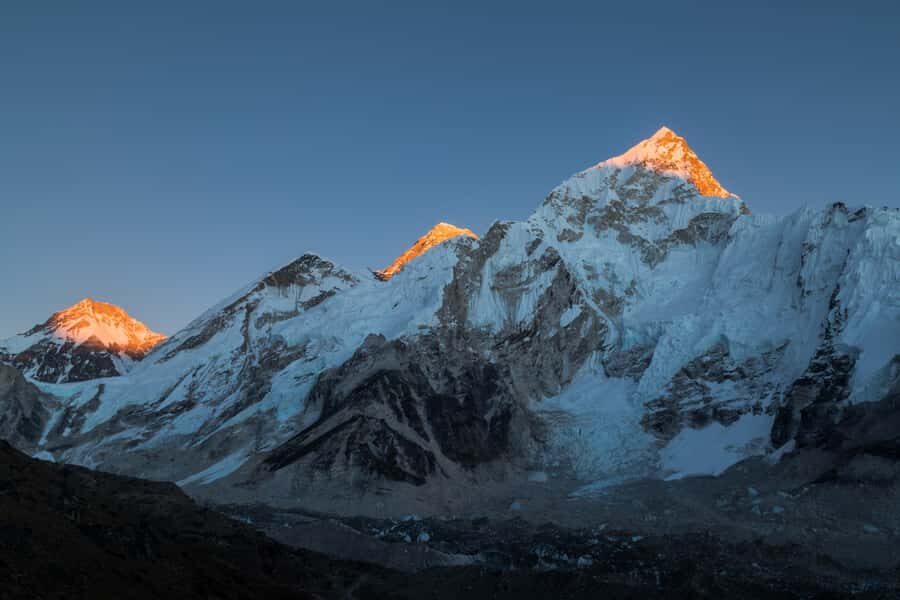
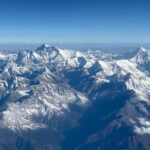
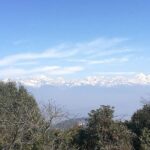
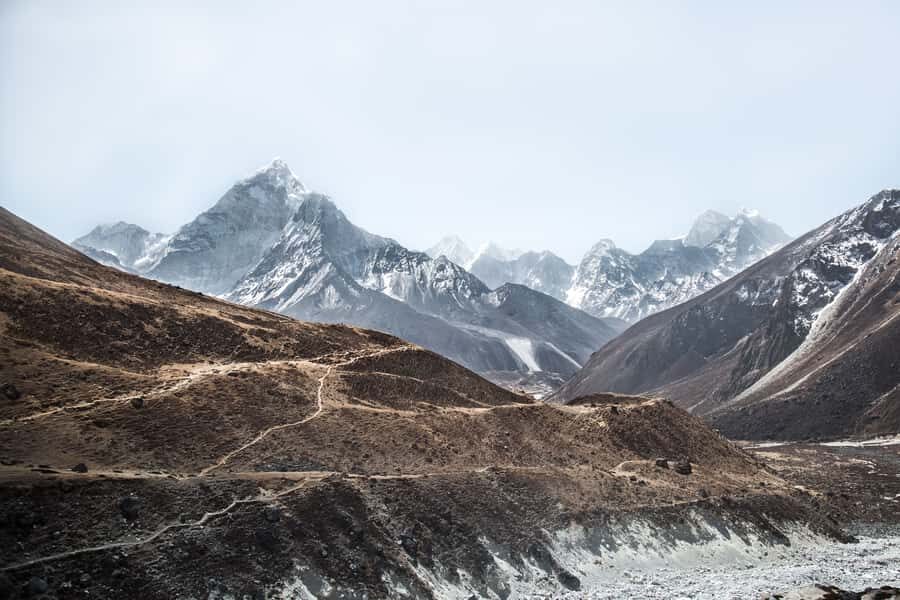
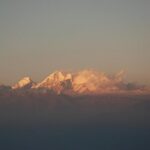
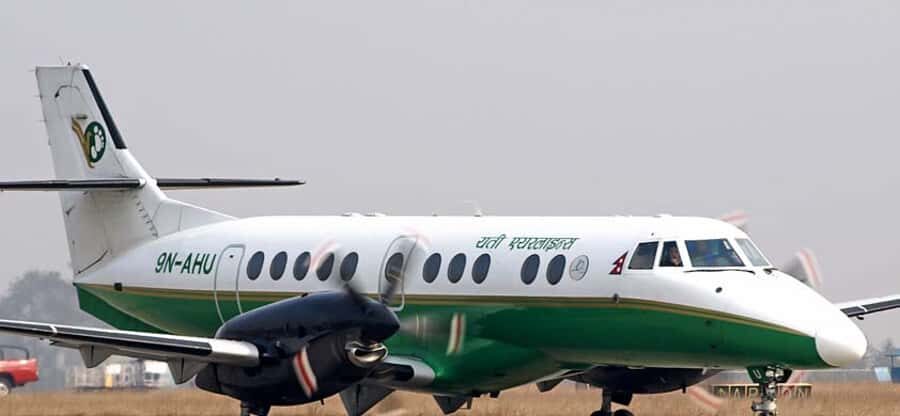
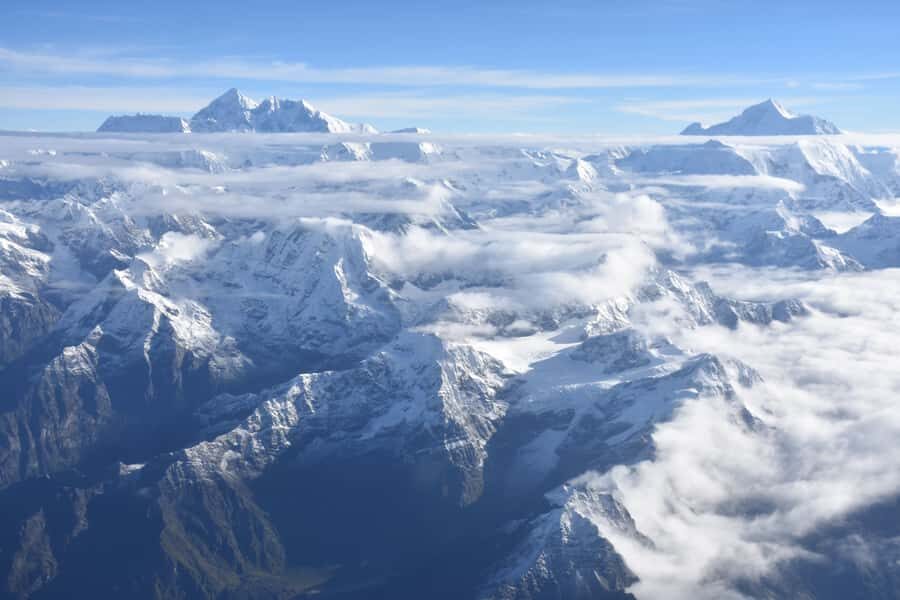
Once you leave Kathmandu, the flight heads toward the east, and the views start early. One of the best parts is that you don’t have to guess where to look—your best views come quickly, and you’re moving along the range rather than flying in one flat direction.
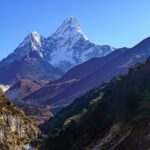
Here’s the kind of lineup you can expect to spot, depending on route and visibility:
- Gosaithan (Shisha Pangma) on your far left, listed at about 26,290 feet (8,013 meters)
- Dorje Lhakpa, near your right side early on, listed at about 22,000 feet (7,000 meters)
- Phurbi-Chyachu near the Kathmandu Valley, also described as looming prominently from the air
- Choba-Bhamare, noted as the smallest peak in the set, yet described as stubborn because it’s never been climbed
- Gauri-Shanker, tied to Shiva and Gauri in local spirituality, with a first successful climb noted as 1979
- Melungtse and Chugimago, with Chugimago described as still waiting for a first ascent
- Numbur and Karyolung, with Karyolung mentioned as intensely white when the light hits
- Cho-Oyu, around 27,000 feet (8,201 meters), appearing as the flight goes deeper into the range
- Peaks like Gyachungkang, Pumori, and Nuptse (each over 22,000 feet / 7,000 meters)
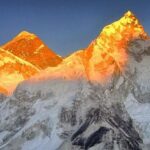
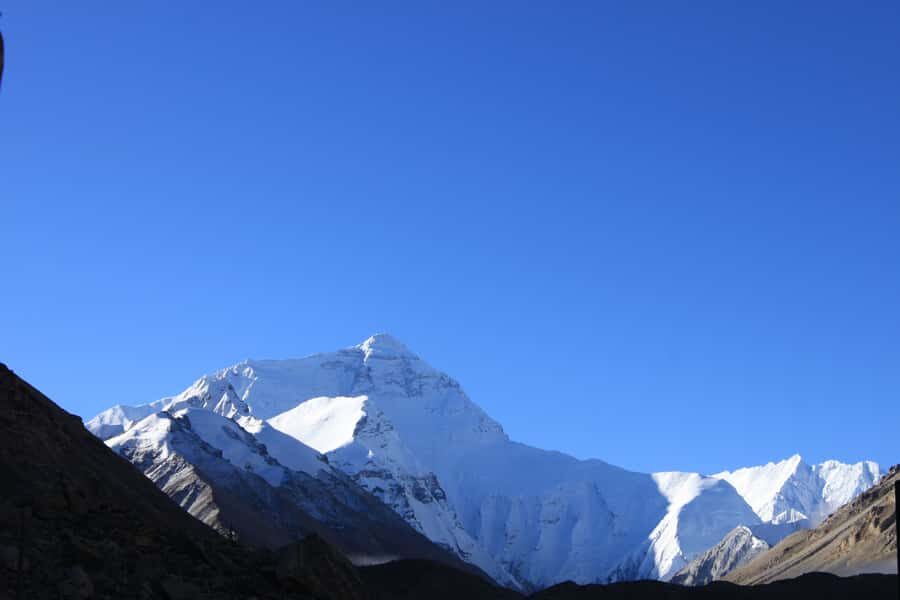
- Finally, Mount Everest (Sagarmatha / Chomolungma), listed at 29,021 feet (8,848 meters)
You’ll also get a clearer feel for how close—or not close—you actually are. There are flights where Everest looks like it’s within reach, and there are flights where it’s more like a dramatic distant target. That distance is part of the realism: safety rules and flight paths shape the view.
Window Seats, Clouds, and What to Do If the View Isn’t Perfect
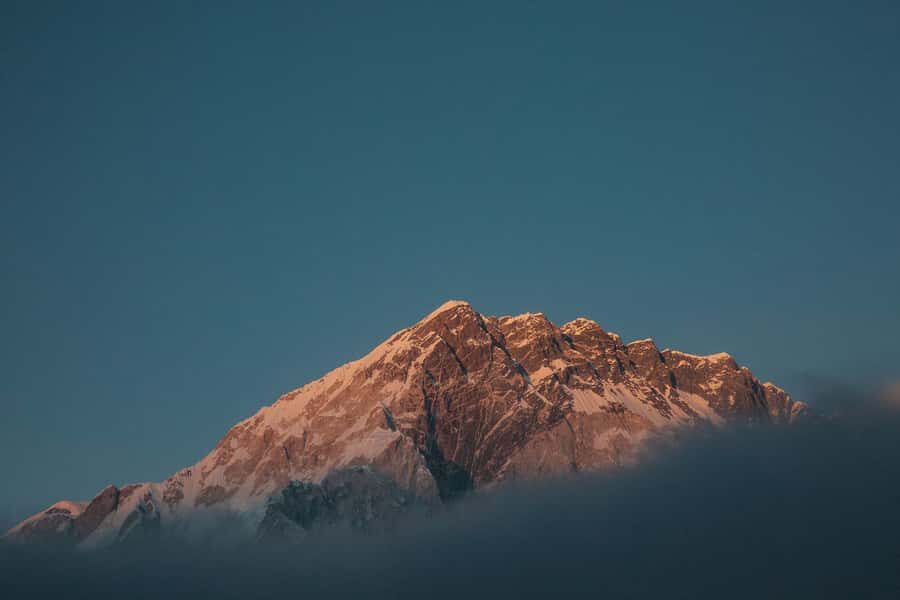
The guaranteed window seat is a big deal on this kind of flight. Even small aircraft mean limited angles, and Everest viewing is all about having a clean line of sight.
That said, clouds can do what clouds do. On some flights, you might climb above haze and see crisp outlines. On others, you’ll cross cloud and the peaks get softened, or visible only in short windows of clarity. The good news is that this route is often timed early so you have more chances for strong visibility.
There’s also something practical you can do: keep your eyes moving, not just staring at one peak. The mountains come closer, then slide past your angle as the aircraft follows the line of the Himalaya. People get the best “aha” moments when they watch the progression, not just when they hunt for Everest only.
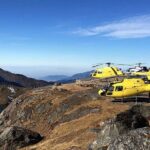
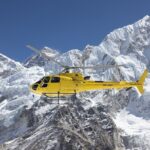
One note from real-world experience: there are times when you may be farther from Everest than the marketing photos make it feel. The view can still be spectacular, but it helps to calibrate expectations so you don’t feel shorted by distance. If you’re choosing between a helicopter and a flight mainly for closeness, know that helicopters can sometimes feel more direct—while airplane viewing can still be stunning, just more dependent on route constraints.
On Board: Cabin Crew Support, Cockpit Moments, and Small Extras
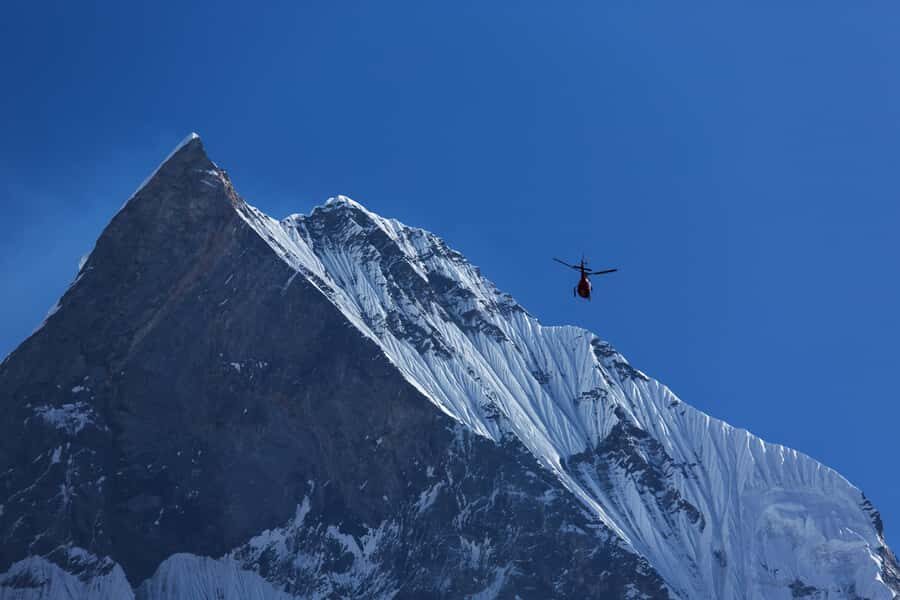
This is not a silent, sit-and-guess situation. The cabin team helps you identify what you’re seeing, and they often point out mountain names during key moments. That makes the hour feel less like a blur and more like a guided sightseeing route from the sky.
Some experiences also include special touches. On at least some flights, passengers have reported small celebrations like champagne as they pass Everest, plus extras such as an autographed Everest-themed photo from the captain. Others have described the crew letting them into the cockpit for a close look. None of these are listed as guaranteed in the basics, but they’re the kind of humane, memorable add-ons that can happen on certain flights.
The cabin onboard experience is also widely described as friendly and helpful, with the staff working to make sure everyone has a clear view and knows what mountains they’re currently seeing.

Price and Value: Is $215 Really Worth It?
At $215 per person for a one-hour scenic Everest flight, you’re paying for three things: the aircraft time, the scarcity of this kind of view, and the operational effort to make it smooth.
Is it expensive for a single hour of flying? Yes. But value in Nepal often isn’t measured by time—it’s measured by what you can realistically do. If you’re not trekking, this is one of the fastest ways to see Everest and the Himalayan skyline in a way that feels real, not just imagined from a book.
The included pieces also matter for value. You get the one-hour flight, a guaranteed window seat, and airport tax is included. Hotel pickup and drop-off is optional, but if you pick it, it reduces your morning stress and logistics overhead.
Where you should be careful is the expectation of closeness. If what you want most is an extremely tight Everest framing, you may end up wishing you were closer even while the scenery remains breathtaking. Still, for many people, the hour is worth it because the whole experience is built around making sure you can see and understand what you’re viewing.
Should You Book an Everest Flight From Kathmandu?
You should book if:
- You want the Everest-and-Himalaya payoff without taking trek time
- Clear visuals matter to you and you’re willing to ride early-morning departures
- You appreciate a guided feel from the cabin team, where mountain names and sightlines get explained
- You like the idea of a fast day that doesn’t steal your whole schedule
You might skip it if:
- You’re extremely sensitive to the idea that Everest may not be as close as photos suggest
- You need a perfectly predictable view day and can’t handle weather-related rescheduling
- You’re traveling with large luggage (since large bags aren’t allowed)
If you do book, go in with a simple mindset: enjoy the progression of peaks, not just the final target. The hour moves quickly, but that’s also what makes it work.
FAQ
FAQ
Where does the Everest flight start and end?
The flight starts at Tribhuvan International Airport, domestic departure terminal, and it ends back at the same meeting point.
How long is the panoramic Everest flight?
The flight duration is listed as 1 hour.
What is the price per person?
The price is $215 per person.
Do I get a window seat?
Yes. The experience includes a guaranteed window seat for each participant.
Is hotel pickup available?
Hotel pickup and drop-off are optional, available from Kathmandu and Patan.
What’s included in the price?
Included items are the 1-hour scenic flight, hotel pickup/drop-off if selected, guaranteed window seats, and airport tax.
Do I need to bring a passport or ID?
Yes. You should bring a passport or an ID card.
What should I wear or bring for the flight?
Warm clothing is recommended, since you’ll be at the airport early. Comfortable walking shoes are also recommended.
Is smoking allowed?
No, smoking isn’t allowed.
What happens if weather conditions aren’t suitable?
If the flight can’t operate due to weather, it may be rescheduled for the following day. If the flight is cancelled, you can ask for a refund.