REVIEW · LUNCH EXPERIENCES
Kathmandu: Pharping, Dakshinkali and Chobhar Tour with Lunch
Book on GetYourGuide →Operated by Liberty Holidays · Bookable on GetYourGuide
Six hours, and Kathmandu feels worlds bigger. This is a practical day out that strings together sacred caves and temple stops with quiet nature breaks around Pharping and Chobhar—without you juggling transport. Pharping is the base energy here, and the rest of the day flows like a guided walk through Nepal’s living Hindu-Buddhist landscape.
I love how the visit to Asura Cave feels genuinely calm and atmospheric, not rushed. I also like that the guide’s explanations can make the temples click—when the guide is strong (I’ve seen names like Rajat used), the stories help you understand what you’re looking at, instead of just ticking boxes. And yes, lunch is included, and it can be a real break in the middle of the day.
The main drawback to consider is that some sections can be emotionally intense and some cave/temple areas may not be accessible due to closures. Dakshinkali in particular can be distressing for some visitors because of what happens around the rituals and the area described as a bloody river.
In This Review
- Key highlights to pay attention to
- A temple-and-cave day south of Kathmandu
- Getting there: pickup, timing, and why the 6 hours matter
- Asura Cave: where the quiet story starts
- Shesnarayan Temple and the Gorakhnath link: meanings behind the carvings
- Dakshinkali Temple: a powerful stop that needs emotional readiness
- Lunch break: included, timed well, and often a mood reset
- Taudaha Lake: bird sanctuary calm in the Kathmandu Valley
- Chobhar Gorge: the ancient water-drain story you can stand beside
- What I’d watch for: access changes and intensity levels
- Who this tour is best for (and who should skip it)
- Price and value: is $83 a smart deal?
- Should you book this tour?
- FAQ
- How long is the Kathmandu Pharping, Dakshinkali and Chobhar tour with lunch?
- What are the main places visited on this tour?
- Is lunch included?
- Does the price include entrance fees?
- What languages are the guides?
- Is pickup from hotels included?
- Is this tour a private group?
- What is the cancellation policy?
- What should I bring or wear?
- What is not allowed during the tour?
Key highlights to pay attention to
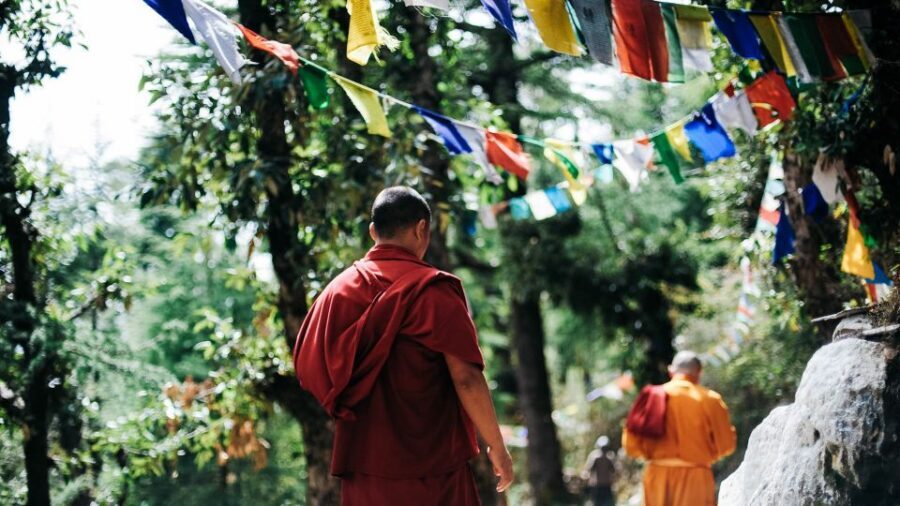
- Asura Cave for a quieter, sacred-feeling start above Pharping
- Temple variety: Shesnarayan and Gorakhnath add Hindu spirituality links and meaning
- Dakshinkali reality check: powerful rituals and visuals that aren’t for everyone
- Taudaha Lake: a calm bird-sanctuary pause in the Kathmandu Valley
- Chobhar Gorge: the water-drain story tied to Manjushri and ancient Kathmandu Valley geography
- Good odds for a strong guide: the best days hinge on the guide’s storytelling and flexibility
A temple-and-cave day south of Kathmandu
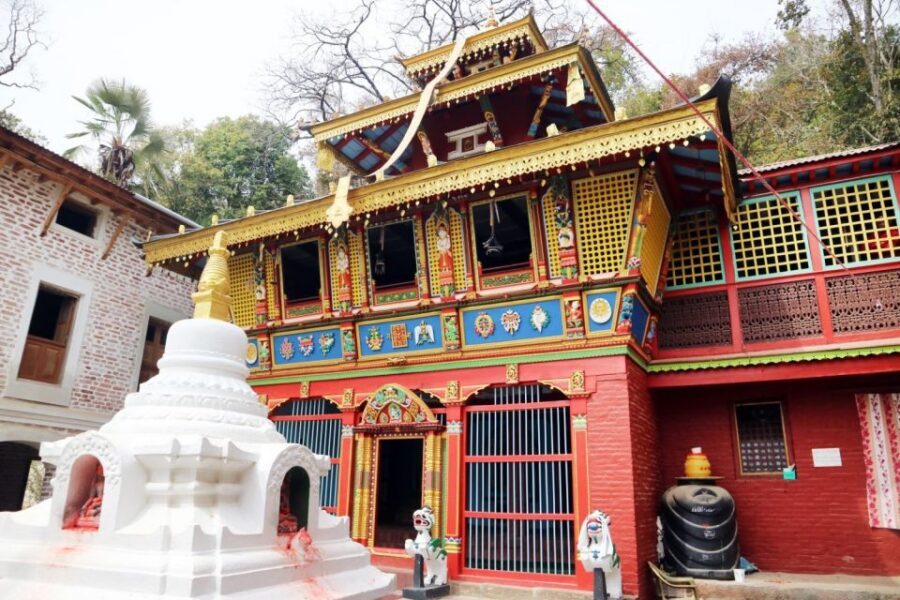
This tour is built for people who want more than a quick photo stop. You’re looking at caves, temples, and two nature moments, all tied together by one guide who handles the flow. The good news is you get a structure to your time, so you can focus on the experience instead of planning it block by block.
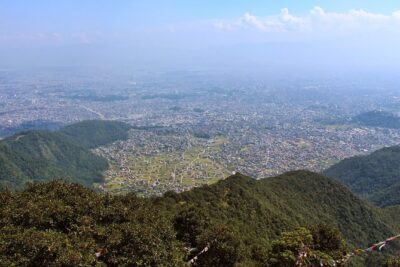
You’ll also get a mix that’s hard to replicate on your own without extra legwork. Pharping brings the spiritual density, while Taudaha Lake and Chobhar Gorge pull you back toward the natural side of the Kathmandu Valley story. It’s the kind of route where you can feel how geography shaped belief here.
You can also read our reviews of more tours and experiences in Kathmandu

Getting there: pickup, timing, and why the 6 hours matter
The total duration is about 6 hours, and the tour is private. That matters in Kathmandu, where traffic and waits can quietly eat your day. A private group also tends to keep the pace realistic for stairs, short walks, and temple viewing.
Pickup is included from hotels inside the Kathmandu city ring road. If your hotel is outside that ring road, you may pay an extra charge, so it’s worth checking before you book. You’ll need to be ready in the lobby about 5 minutes before pickup.
Dress and shoes matter more than you think. You’ll want comfortable shoes and you should avoid open-toed footwear. This is not a “sandal and stroll” type of route, especially with temple stairs and cave approaches.
Asura Cave: where the quiet story starts
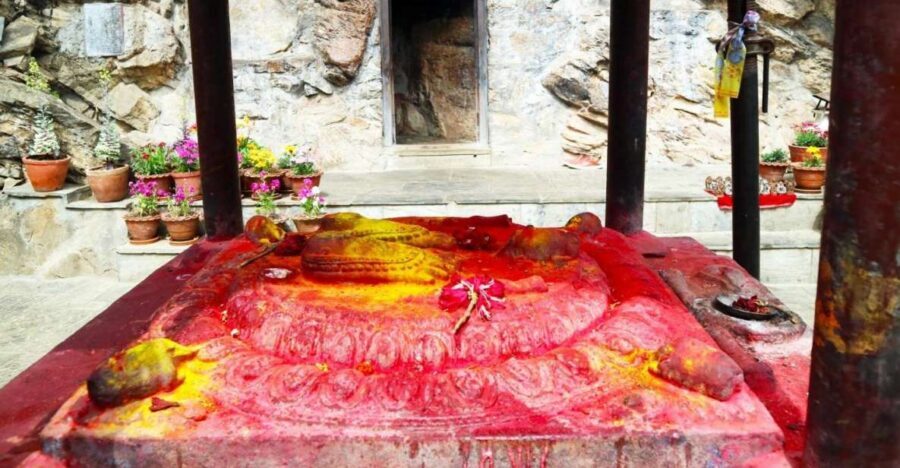
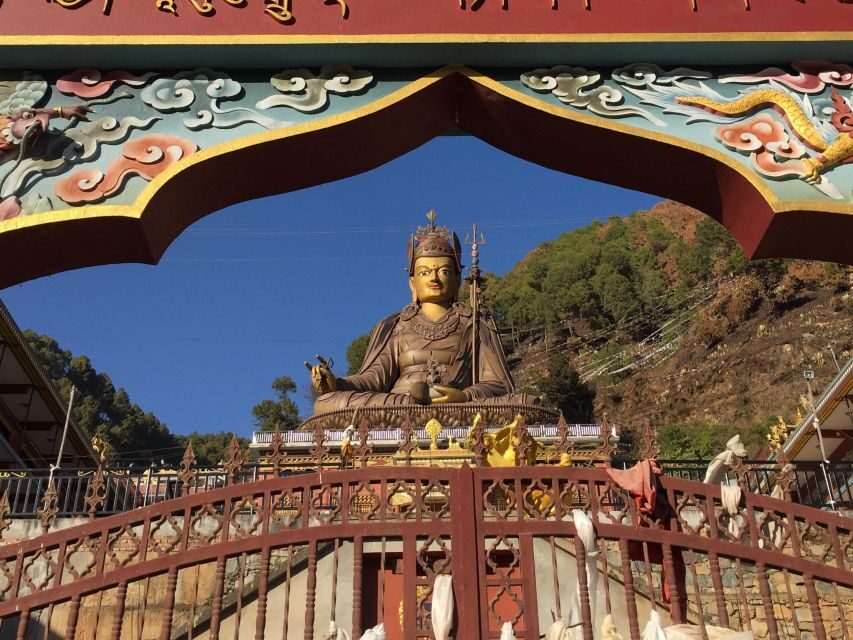
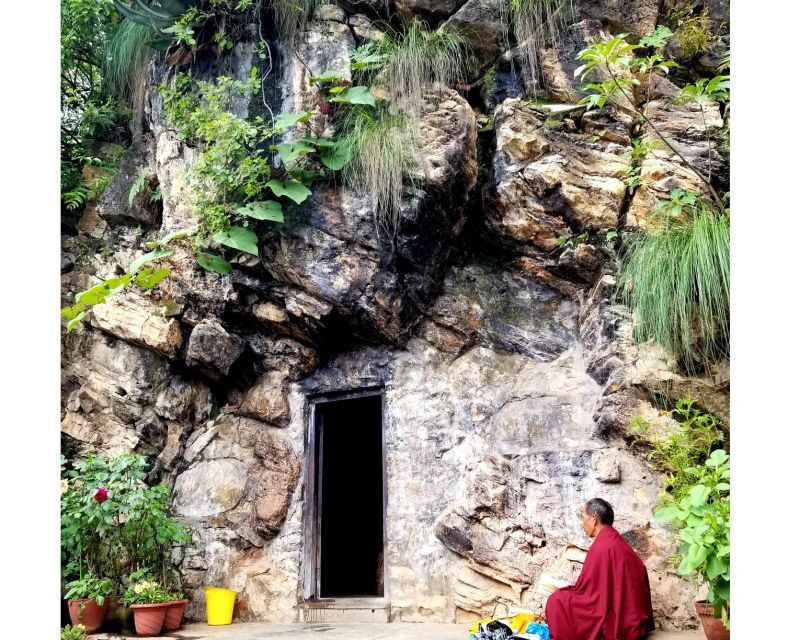
Asura Cave sits above Pharping and is considered sacred in Buddhist tradition. The site is associated with Guru Rinpoche, a revered Buddhist master, who is said to have meditated and attained enlightenment here. Even if you don’t come with heavy Buddhist knowledge, the setting gives you something physical to feel: the shift from street life into a slower, more inward mood.
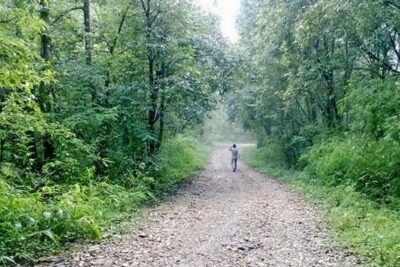
Expect a focused visit rather than a long hike. You’ll have about an hour to explore and take your time with the cave atmosphere. If you’re someone who likes to stand back for a minute and watch how people pray, you’ll probably enjoy the pace.
A practical tip: treat caves like cool, steady spaces. You may feel cooler inside even on a hot day, so keep that in mind if you’re packing light. Also, keep your steps careful—caves can be uneven and sometimes slick.
Shesnarayan Temple and the Gorakhnath link: meanings behind the carvings
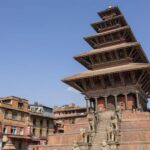
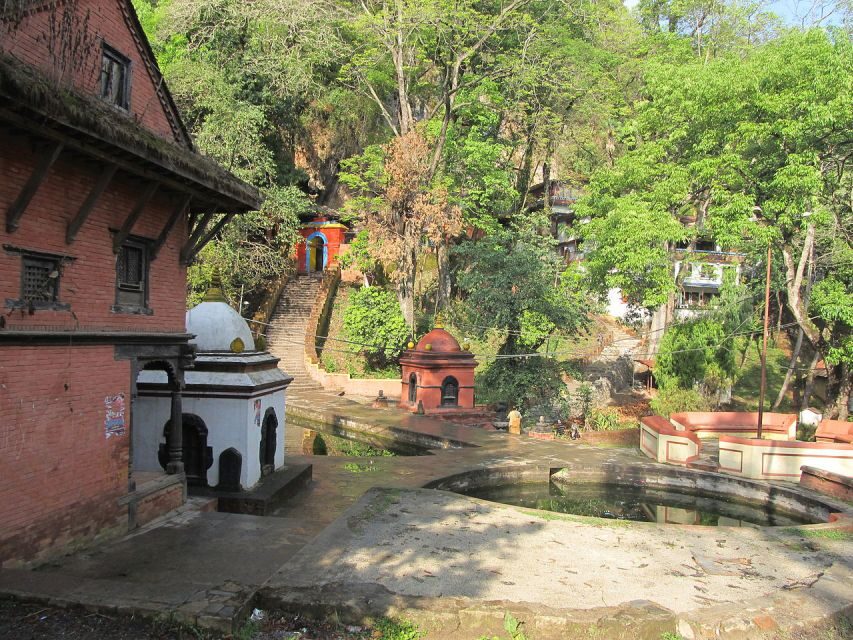
From Asura Cave, you move on to Shesnarayan Temple, an ancient Hindu temple complex near Pharping. It’s described as one of the four Narayana temples of the Kathmandu Valley, and it’s believed to have been built during the reign of the Licchavi king Vishnugupta. That’s the kind of detail that can turn “a temple is a temple” into an actual sense of time and place.
You’ll typically have around 30 minutes here, which is enough to see the main features and then slow down for the stories you care about. If you like architecture and symbolism, use the guide’s explanations to decode what you’re seeing rather than just scanning from a distance.
Next comes the Gorakhnath Temple, tied to Guru Gorakhnath within the Nath Sect. The key value isn’t just the building—it’s the spiritual thread. You’re being shown how names, teachers, and traditions shape temple spaces, and how yoga and devotion blend in different ways across Nepal’s religious geography.
Dakshinkali Temple: a powerful stop that needs emotional readiness
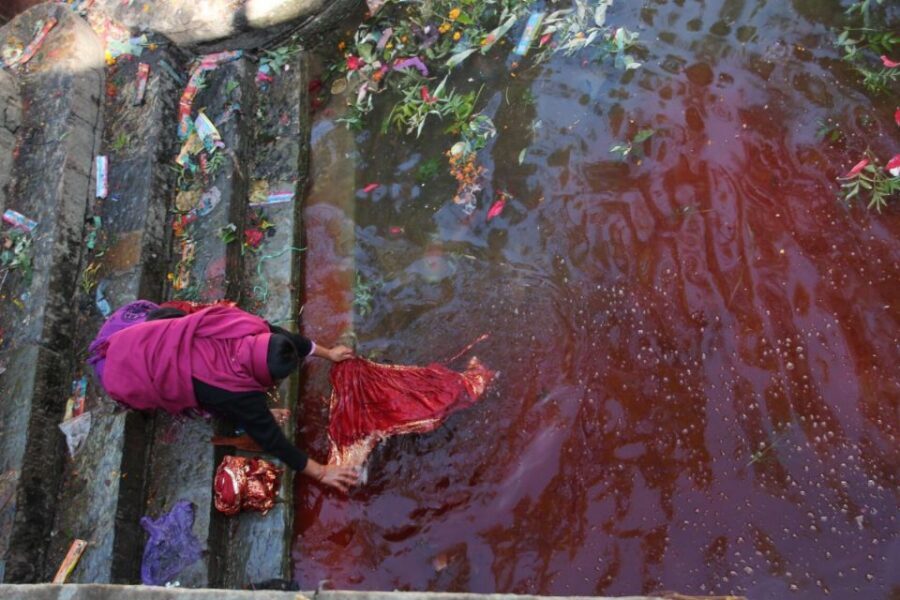
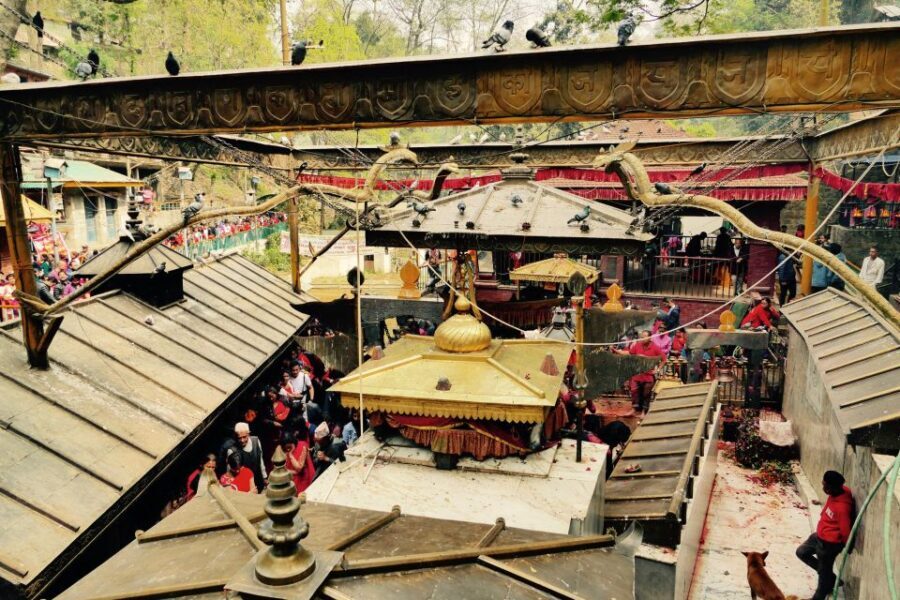
This is the stop that can define the day. Dakshinkali Temple is a major Hindu temple dedicated to the goddess Kali, about 22 kilometers outside Kathmandu and roughly a kilometer outside Pharping. It’s a place where worship is intense and visible.
The tour notes that the bloody river and temple of Goddess Dakshinkali may be distressing to some visitors. That’s not a throwaway warning. If you’re sensitive to graphic ritual imagery or you know you don’t handle intense religious visuals well, take that seriously before you go.
You’ll typically spend around 1.5 hours in the Dakshinkali area, including time to see the temple and surroundings. If you do decide to visit, go with a mindset of respect and emotional control: look, learn, and step back when you need to.
Lunch break: included, timed well, and often a mood reset
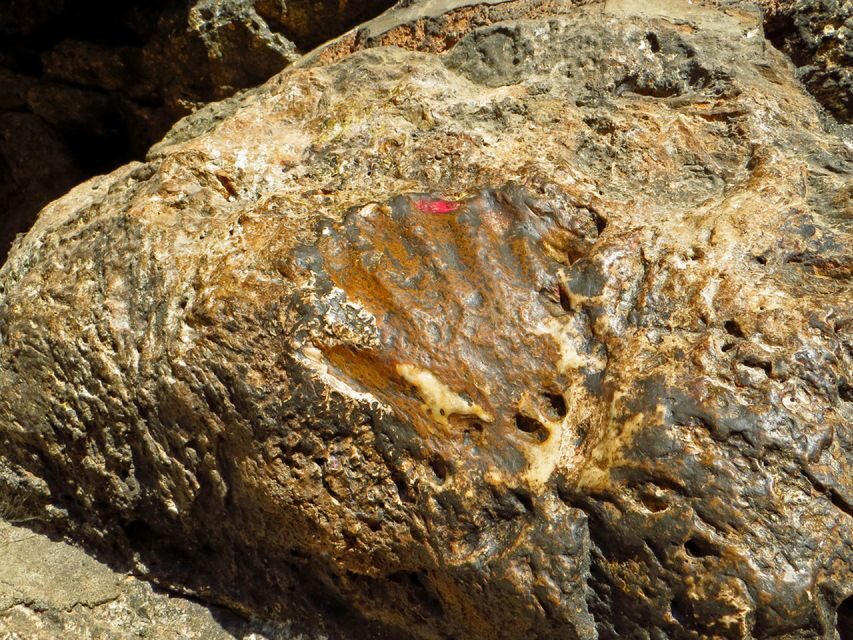
Lunch is included, and it’s scheduled after the temple segment. That timing matters. You’ll already have stairs, cave walking, and some travel time in your legs, so a proper break keeps the rest of the day from turning into a stamina test.
In one example of a great lunch setup, people have described a delicious lunch served on a rooftop. You shouldn’t assume your lunch will match every rooftop setting, but it’s a useful clue: the meal is designed as part of the outing, not an afterthought.
Food tends to be part of why guided tours work well. Your guide and driver keep the day flowing, so you’re not hunting for a restaurant with unpredictable waits in a busy area.
Taudaha Lake: bird sanctuary calm in the Kathmandu Valley
After lunch, you head toward Taudaha Lake. This is the largest natural lake in the Kathmandu Valley and is known as a recreation spot and a bird sanctuary. In practice, it works as a mental reset. After temples and caves, you get open space and a slower tempo.
Expect about an hour here. You’ll have time to walk, pause for views, and just let the noise level drop. If you like birds, you may find plenty of reasons to slow down and look around. Even if you don’t, a lake stop gives your day balance.
One more reason this stop is valuable: it connects you to Kathmandu Valley in a non-temple frame. The day isn’t only about built structures; it’s also about living nature shaped by water and seasons.
Chobhar Gorge: the ancient water-drain story you can stand beside
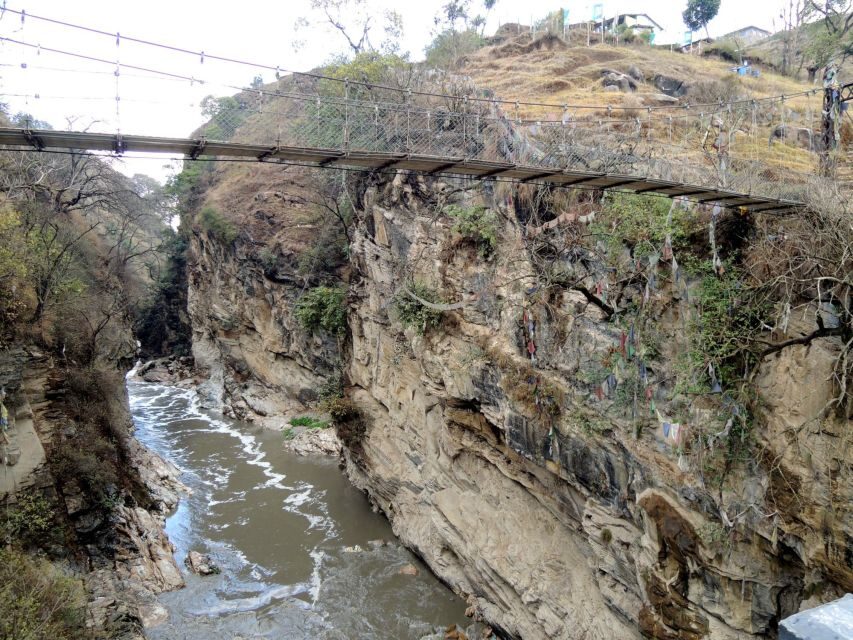
The final nature-and-history stop is Chobhar Gorge, described as the point where water escaped from an ancient lake that once existed where Kathmandu now sits. The story is tied to Manjushri, a bodhisattva believed to have cut a gorge here so the water could drain away and create land.
You’ll usually have around an hour to explore the gorge area. This is where the tour’s theme clicks: you’re moving from sacred places to a landscape story that explains how the valley became livable in the first place. Even without memorizing the myths, you can understand the logic behind them—people make meaning from what shapes their environment.
Caves may be part of the Chobhar experience, but accessibility can vary. The tour includes cave exploration around the gorge area, yet it’s smart to know that closures can happen, and plans sometimes shift if a specific cave section isn’t open.
What I’d watch for: access changes and intensity levels
This is a day tour, so you’re operating in real-world conditions. Some places can be closed, partially open, or accessible only from certain viewpoints. If seeing every cave interior is the main reason you booked, keep some flexibility in your expectations.
Intensity is the other factor. Dakshinkali is not a gentle cultural stop. The tour specifically warns about potential distress related to the bloody river and temple. You don’t need to push through discomfort to enjoy the rest of the day—sometimes the best travel decision is knowing when to step back.
The good days hinge on the guide too. When you have a guide who explains the meaning behind what you’re seeing and adapts when a site isn’t working as planned, the tour feels smooth and satisfying. When the guide’s knowledge is weak, the day can feel like random movement plus a few quick photos.
Who this tour is best for (and who should skip it)
This tour suits you if you want a structured day with a guide and you’re comfortable with temples and cave spaces. It also fits well if you want both religious context and a natural pause with Taudaha Lake and Chobhar Gorge.
It may be less suitable if you have mobility limits or medical concerns. The tour notes it’s not suitable for people with back problems, heart problems, wheelchair users, people over 220 lbs (100 kg), people with kidney problems, or people over 95 years. Even in a “private group” format, the day includes walking and stairs.
If you’re the type of traveler who gets more from explanations than from ticking checkboxes, you’re likely to have a better time. A good guide turns these sites into a story about belief, place, and how Kathmandu’s valley life developed around water.
Price and value: is $83 a smart deal?
At $83 per person for a roughly 6-hour private tour, the value depends on what you’d do otherwise. What you’re getting includes an expert guide, a luxury vehicle, hotel pickup and drop-off (within the city ring road), entrance fees, and lunch.
If you tried to piece it together yourself—driver, guide time, entrance tickets, and lunch—you’d likely spend comparable money, and you’d also take on the hassle of coordinating routes and timing. Here, the tight schedule is part of the package. You pay for convenience and for having someone connect the meaning of what you’re visiting.
Is it perfect value every day? Not always. If sites end up inaccessible or the day compresses because of closures, the “feel” of the value can drop. That’s the trade-off with any cave-and-temple circuit where access can change.
Should you book this tour?
I think you should book it if you want an organized, guided sampler of Pharping’s spiritual sites plus two nature stops that make the Kathmandu Valley story feel real. It’s especially worth it when you care about meaning and you want a guide who can explain what you see—people like Rajat are a good sign of the potential quality.
You should skip or choose a different plan if you know Dakshinkali’s rituals and the area described as a bloody river will distress you. Also skip if you need guaranteed access to every cave or temple interior, because closures can happen and some parts may be view-only.
If you go in with flexible expectations and an open, respectful mindset, this is the kind of day that leaves you thinking, not just scrolling.
FAQ
How long is the Kathmandu Pharping, Dakshinkali and Chobhar tour with lunch?
The duration is 6 hours.
What are the main places visited on this tour?
You visit Asura Cave, Shesnarayan Temple, Gorakhnath Temple, Dakshinkali Temple, Taudaha Lake, and Chobhar Gorge (including caves around the gorge area).
Is lunch included?
Yes, lunch is included.
Does the price include entrance fees?
Yes, entrance fees are included.
What languages are the guides?
The live tour guide is available in English and Japanese.
Is pickup from hotels included?
Yes, pickup and drop-off are included for hotels inside Kathmandu city ring road. Hotels outside the ring road require an additional charge, and you should be ready about 5 minutes before pickup.
Is this tour a private group?
Yes, it’s a private group.
What is the cancellation policy?
You can cancel up to 24 hours in advance for a full refund.
What should I bring or wear?
Bring comfortable shoes, sunglasses, a sun hat, and sunscreen.
What is not allowed during the tour?
Pets, weapons or sharp objects, baby strollers, smoking in the vehicle, alcohol and drugs, open-toed shoes, and nudity are not allowed. Alcoholic drinks are also not allowed in the vehicle.