REVIEW · KATHMANDU
Phulchoki bird-watching tour
Book on Viator →Operated by Himalayan Smile Treks and Adventure Pvt. Ltd · Bookable on Viator
Birds and big views go together here. This Phulchoki bird-watching tour pairs a calm forest walk near Godawari with serious species-spotting, and then caps it with high-elevation panoramas over the Kathmandu Valley. I especially like the way the day is built around a professional birding guide who helps you identify what you’re seeing in real time, and I also like that the route climbs to a hilltop at about 2,782–2,791m where birds, flowers, and wide views all show up in one outing. One consideration: you’ll start early at 6:15am and you’ll need moderate fitness for a full hike, plus Phulchoki entrance fees aren’t included.
The best part of the setup is how straightforward it is. You drive from Kathmandu to Godawari (about 16 km), begin hiking from there, and then return to Kathmandu afterward, so you get “wilderness hours” without giving up the comforts of a day trip. The tour is also private for your group, with pickup/drop to Godawari, which makes it easier if you want a slower pace for birding rather than being swept along with strangers.
In This Review
- Key points to know before you go
- Why Phulchoki is a birding shortcut from Kathmandu
- Morning timing: starting at 6:15am without rushing your eyes
- The Godawari forest approach via the Naudhara entry point
- Spotting birds on Phulchoki: from forest specialties to hilltop visitors
- The Phulchowki Mai temple stop and 360-degree viewpoints
- What you actually get: transport, guide, and the meal situation
- Price and value: what $324 buys you for a day trip
- Guide quality you might want to look for (and why it matters)
- Weather rules and realistic expectations for sightings
- Who should book this bird-watching hike from Godawari to Phulchoki
- Should you book the Phulchoki bird-watching tour
- FAQ
- What time does the Phulchoki bird-watching tour start?
- How long is the tour?
- Is pickup and drop-off included?
- Is a birding guide included?
- Do I need to pay entrance fees for Phulchoki?
- What meals are included?
- Do I need good fitness to do the hike?
- Is this a private tour or a group tour?
- What kinds of birds might I see?
- What happens if the weather is bad?
Key points to know before you go
- Early start that works for bird activity: 6:15am gives you daylight for better sightings.
- Guide-led identification: you’ll learn what you’re looking at, not just tick off names.
- Godawari forest to Phulchoki hill: a classic elevation change that brings different birds and plant life.
- Hilltop payoff: a 360-degree viewpoint and access to the Phulchowki Mai temple.
- Light packed lunch included: food is handled, but you still may want extra snacks and water.
- Plan for entrance fees and weather: Phulchoki access costs aren’t listed as included, and the tour needs good weather.
Why Phulchoki is a birding shortcut from Kathmandu
If you’ve only got a few days in Kathmandu, this tour makes a smart trade: you spend your time in the birds’ habitat, not on long transfers. Phulchoki sits in the southern/eastern side of the Kathmandu Valley, and the day starts with a drive out to Godawari. From there, you hike up toward the hill, finishing near the top with wide views.
Phulchoki’s name literally points to what you’re traveling through. In Nepali, Phulchoki means hill of flowers. If you visit in spring, you can expect forest-blossom scenes and wildflowers, including Nepal’s national flower, rhododendron. That matters for birding because flowering seasons often bring more insects and nectar-feeding birds, which then draws other species too.
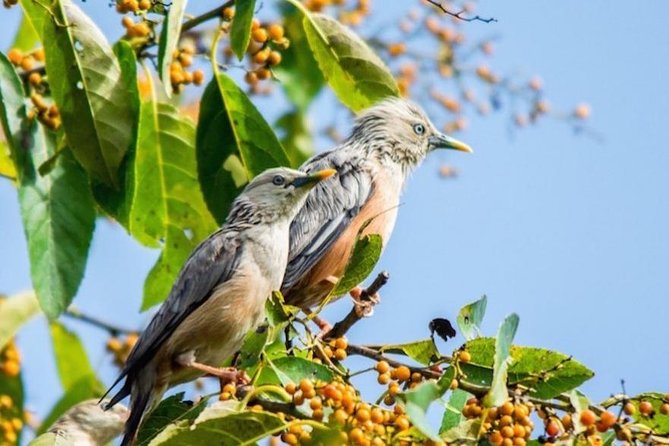
And the bird density is the reason people come. The area is known for about 265 bird species sheltering there, with categories like tits, warblers, woodpeckers, thrushes, minivets, eagles, plus plenty of migrant birds. The guide’s job is to help you notice the right clues fast: calls, movement through trees, tail patterns, wing flashes, and the way a bird behaves.
You can also read our reviews of more tours and experiences in Kathmandu.
Morning timing: starting at 6:15am without rushing your eyes
This tour starts at 6:15am, and that early start is not just for convenience. Birds tend to be more active earlier in the day, and morning light makes it easier to spot details like color and shape. Also, you’ll be hiking long enough that starting early helps you avoid late-day fatigue.
The day is designed around an easy rhythm: short drive, then a guided walk, then a hilltop break, and finally the descent back to the start point. It’s listed as roughly 7 to 8 hours total. That’s long enough for real birding, but it’s also short enough to keep it feeling like a day out, not a grind.
You should still plan for the fact that early mornings in the Kathmandu area can feel cool at first. Bring layers you can peel off once you start climbing, and don’t count on hot drinks being provided on the trail. The tour includes a light packed lunch, but it does not list hot drinks or soft drinks such as cola or mineral water.
The Godawari forest approach via the Naudhara entry point
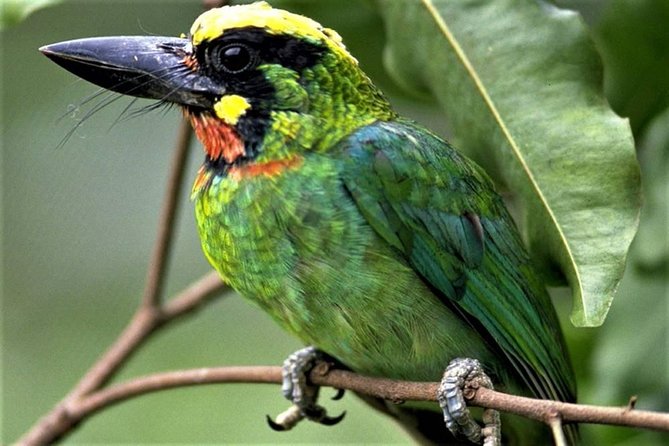
Your birding day kicks off from Godawari, which is also where the vehicle leaves you before hiking. The route is described as starting through the Naudhara entry point, which is useful context because entry points can change trail conditions and how quickly you reach forest zones.
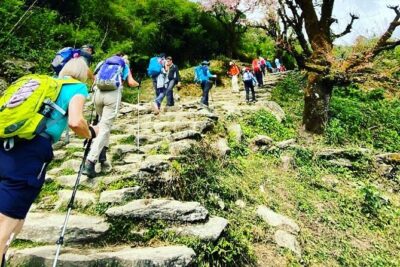
This is where the tour earns its “peaceful hike” reputation. The Godawari forest is the kind of place where you can stop often, scan branches, and let the guide lead the spotting. The idea is not to chase every bird like a race. It’s to learn to observe: you listen, you look, you compare, and then you check with the guide using binoculars.
If you’re new to birding, this is a friendly way to start. A good guide doesn’t just name species; they explain how to tell them apart and what to notice about behavior. Expect examples of birds such as long-tailed drongos, greater yellow-nape, grey-headed woodpecker, and other forest species that may appear as you move through different micro-areas.
One small ethical note worth taking seriously: the tour specifically suggests you should not touch or harm birds or animals you encounter. That’s not just a “nice idea.” It keeps wildlife wild and keeps you safe while you’re focused on spotting.
Spotting birds on Phulchoki: from forest specialties to hilltop visitors
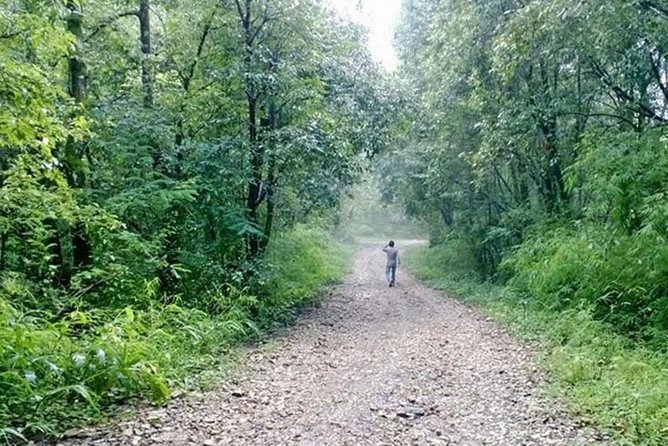
As you climb, you’ll reach Phulchoki hill at about 2,791m (the area is also commonly given around 2,782m). That elevation shift can matter for bird mix. Different species prefer different forest structures and altitude conditions, so your checklist changes as you go up.
This is where the guide’s field skill becomes the difference between guessing and knowing. The tour’s bird list includes species you may hear or see, such as Nepal cutia, ultramarine flycatcher, and black-winged cuckoo-shrike. You can also run into birds in groups like warblers, tits, and woodpeckers, plus some of the raptors that people hope to spot from higher ground.
Important reality check: you’re not guaranteed every species mentioned. Birding is weather- and season-dependent, and activity levels change hour to hour. What you can count on is that the guide will help you identify what you’re actually seeing, instead of turning your hike into a guessing game.
A couple details that tend to make a big difference:
- Use the guide’s pointing and “watch the behavior” cues, not just your eyes for color.
- If a bird calls from deeper in the canopy, expect it to be harder to see than what’s visible at eye level.
- Keep your attention flexible. A quick scan for movement often beats staring at one spot too long.
The Phulchowki Mai temple stop and 360-degree viewpoints
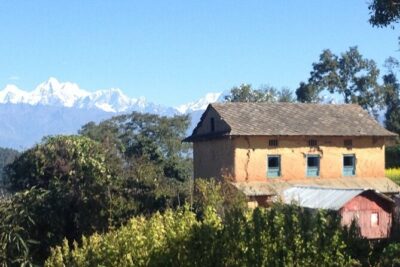
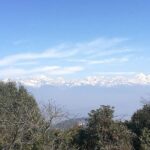
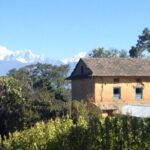
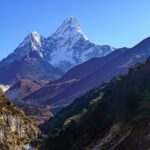
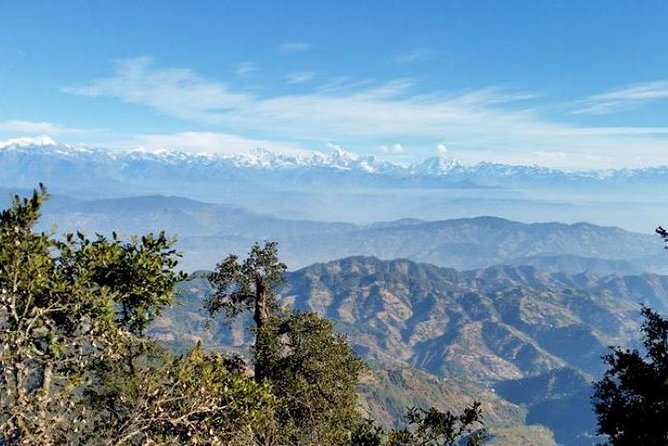
Reaching the top isn’t only about bird calls. Phulchoki gives you a proper viewpoint day. Once you’re up there, you can enjoy 360-degree scenic views over mountains and the Kathmandu Valley below.
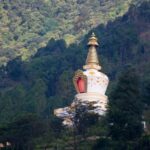
There’s also a Phulchowki Mai temple located at the hilltop. If you want a cultural moment that doesn’t break the flow of birding, this is it. Think of it as a reset point: you’ve climbed, you’ve done your scanning, and now you get a different kind of focus for a while.
The itinerary includes a lunch break after you reach the hilltop area. This is a helpful pacing trick. It keeps the day from turning into one long push. Then you hike back down to Godawari.
If you’re worried about having energy for the descent, the mid-day break is exactly what you want. It gives you time to eat something, catch your breath, and then continue while your legs still feel cooperative.

What you actually get: transport, guide, and the meal situation
Here’s what’s clearly included:
- Professional birding guide
- Private transportation with pick/drop to Godawari
- Light packed lunch
What’s not listed as included:
- Entrance fees while entering Phulchoki
- Hot drinks and soft drinks (including options like cola) and mineral water
- Any extra expenses not listed as included
So yes, you should plan to handle entrance costs and bring what you need to stay comfortable. At minimum, that usually means water and a snack strategy if you’re hungry beyond the packed lunch. Since hot drinks aren’t included, a thermos or extra water may be worth it depending on the season and temperature.
Also, the tour is private for your group. That can be a value win. You’re not stuck with a pace that doesn’t match your birding style. You can stop when something lands, and you don’t have to choose between catching up to others and missing a bird.
Price and value: what $324 buys you for a day trip
At $324, this is not a budget hike. But for Kathmandu-area day tours, it can be good value if you care about two things: expert help and targeted time in habitat.
For that price, you’re getting:
- a specialist birding guide
- private vehicle pickup/drop to the trailhead area
- a full day (about 7 to 8 hours)
- a light packed lunch
Your extra costs likely include Phulchoki entrance fees plus any drinks or snacks you want beyond the included lunch. If you’re traveling as a small group, private transport and guiding can spread out in a way that still makes sense. The pricing also notes group discounts, which can help if you’re arranging a few people together.
Where this tour tends to feel worth it is when you’re serious about learning. If you’re the type who enjoys identifying birds by calls and field marks, the guide pays off quickly. If you mostly want a casual walk and photos from afar, you might decide it’s more than you need. The birding focus is real.
Guide quality you might want to look for (and why it matters)
This experience is built around guides who know the local bird life and can spot what’s in front of you. Names that appear with this kind of service include Pratap, Ram Dev, Yubin Shrestha, and Ramesh. Across the examples, the consistent theme is that the guide is able to locate birds using binoculars and explain what makes the sighting important.
That matters for your experience because birding isn’t only about seeing. It’s about understanding what you’re seeing:
- What family is it likely in?
- What field marks confirm the ID?
- Is it behaving like a feeder, a hunter, or a territorial bird?
- Are you seeing it in the right habitat zone?
Even if you don’t know bird names today, the guide helps you build the skill. That’s the difference between a day that feels like good luck and a day that feels like progress.
Weather rules and realistic expectations for sightings
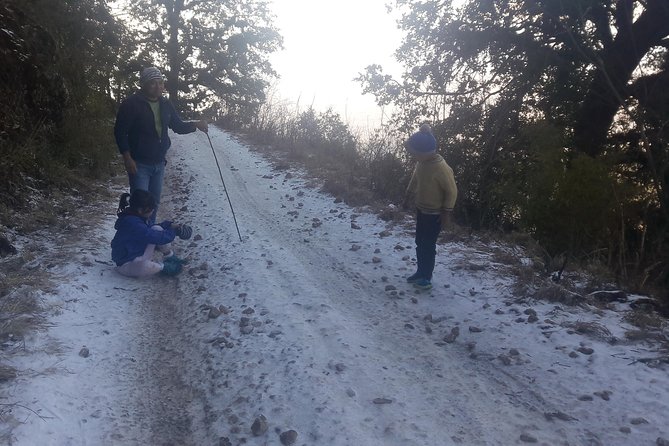
The tour requires good weather. If conditions aren’t suitable, the experience may be canceled and you’ll be offered a different date or a full refund. That’s standard for outdoor hiking, but it’s worth planning around because Kathmandu weather can shift quickly.
On good days, Phulchoki can be active for birds. On tough days (wind, rain, low visibility), you might get fewer sightings or harder visuals. That doesn’t mean the day is wasted. In birding, you can still learn calls and behavior even when birds stay hidden.
Also, even though the area supports hundreds of species overall, your personal life-list for the day will depend on:
- timing (morning is helpful)
- season (flowers and migrants shift)
- weather
- what’s moving through the canopy at that moment
Think of this outing as guided bird time in prime habitat, not a guaranteed checklist tour.
Who should book this bird-watching hike from Godawari to Phulchoki
You’ll love this if:
- You want a single-day nature break from Kathmandu that still feels like real field time
- You care about bird identification and not just scenery
- You prefer a private group pace
- You’re okay with an early start and a moderate hike
It might not be the best fit if:
- You want a very easy, short walk with minimal altitude changes
- You dislike hiking when the weather is uncertain
- You expect everything to be included beyond the listed items (drinks and entrance fees are not included)
Should you book the Phulchoki bird-watching tour
Yes, I’d book it if you’re interested in birds and you want expert help in a place that’s famous for both forest habitat and hilltop views. The day is a smart mix: transport is handled, the guide does the hard work of identifying species, and the hilltop payoff gives you a reason to look up even when birds are quiet.
Before you go, do two practical things. First, confirm what you’ll need to cover for Phulchoki entrance fees. Second, plan for water and extra snacks since hot drinks and drinks aren’t listed as included. If you’re good with that, you’re set up for a calm, enjoyable day where you’ll see more birds than you could manage on your own.
FAQ
What time does the Phulchoki bird-watching tour start?
The tour start time is 6:15am.
How long is the tour?
It runs for about 7 to 8 hours (approx.).
Is pickup and drop-off included?
Yes. The tour includes private transportation with pickup/drop to Godawari.
Is a birding guide included?
Yes. A professional birding guide is included.
Do I need to pay entrance fees for Phulchoki?
Yes. Entrance fees while entering Phulchoki are listed as not included.
What meals are included?
The tour includes a light packed lunch. Lunch beyond that is not listed as included, and hot drinks/soft drinks aren’t included.
Do I need good fitness to do the hike?
You should have moderate physical fitness for the hike.
Is this a private tour or a group tour?
It’s private. Only your group participates.
What kinds of birds might I see?
Phulchoki is known for about 265 species. The tour guide may help you spot birds like long-tailed drongos, greater yellow-nape, grey-headed woodpecker, Nepal cutia, ultramarine flycatcher, and black-winged cuckoo-shrike.
What happens if the weather is bad?
The experience requires good weather. If it’s canceled due to poor weather, you’ll be offered a different date or a full refund.