REVIEW · EVEREST SCENIC FLIGHTS
Guaranteed window seat for Everest Scenic Flight Pickup & Drop
Book on Viator →Operated by Himalaya Holiday service Pvt. Ltd.(HHS) · Bookable on Viator
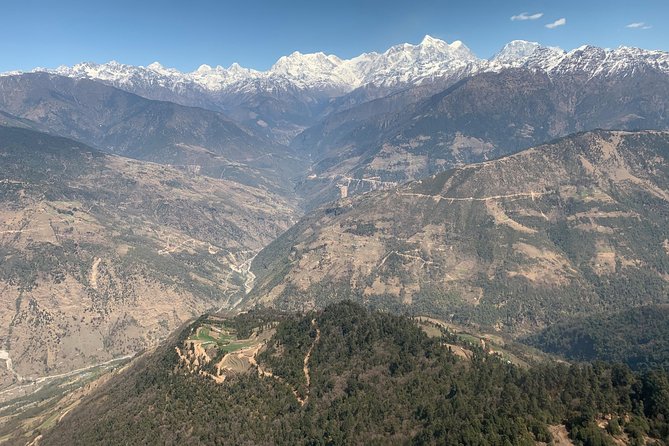
Everest from the sky feels almost unfair. You lift off from Kathmandu early, lock in a guaranteed window seat, and spend about an hour seeing Mt. Everest and other major Himalayan peaks in one flight loop. The route is built for views: you get multiple angles as the plane tracks along the highest mountains east of Nepal.
I love how practical this is. You get hotel pickup and drop-off, and the crew helps you spot the peaks, so you’re not just staring out the window hoping for the best. I also like the sheer scope of what you see—around 20 high peaks in a single outing, starting near Langtang Lirung and moving toward Everest and onward to Chamlang.
One consideration: the whole experience depends on flight conditions, and the early start is real (start time is 5:15 am). If weather doesn’t cooperate, you may need to switch dates, and you’ll want to dress for cold air at altitude even in Kathmandu’s dry season.
In This Review
- Key things to know before you go
- What you’re really buying: Everest views without the trek
- The early-morning reality: pickup, timing, and why it matters
- Guaranteed window seat: your best chance at real photos
- From TIA Kathmandu into the peak zone
- The exact viewing arc: Langtang Lirung to Everest to Chamlang
- Crew support and the comfort factor (CRJ200 noted)
- Weather and what to wear for a “mountain flight” feel
- How much you’ll actually “get” in 50–60 minutes
- Price and value: is $300 worth it?
- Who this fits best (and who should think twice)
- Service that actually makes a difference
- Should you book this Everest Scenic Flight from Kathmandu?
- FAQ
- How long is the Everest Scenic Flight?
- Where does the flight depart from?
- Is hotel pickup and drop-off included?
- What is included in the price?
- Is a window seat guaranteed?
- What if weather is poor?
Key things to know before you go
- Guaranteed window seat in this package (crucial for photos and peak spotting)
- Early 5:15 am start with hotel pickup and smooth transfer to TIA
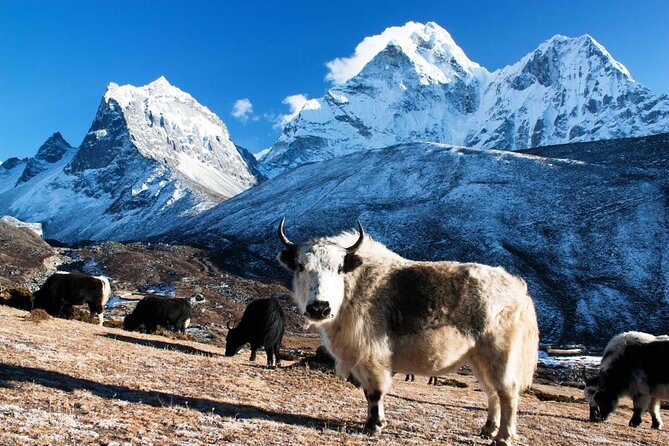
- A focused route that swings east for about 20 major peaks
- Two look angles as the plane turns on the way back
- Crew peak-spotting help (you’re not flying blind)
- Max group size 46, so it still feels organized and manageable
What you’re really buying: Everest views without the trek
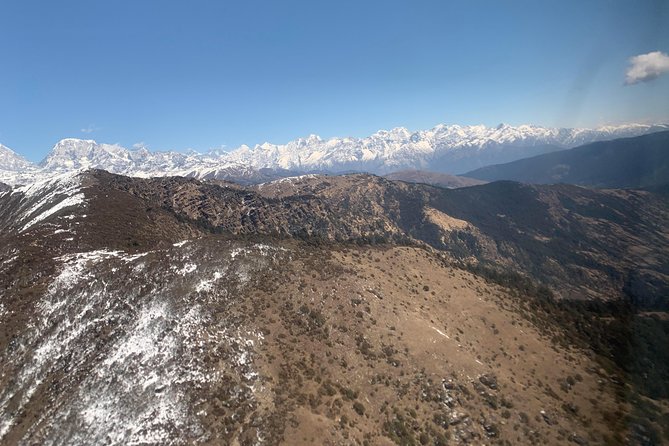
This isn’t an all-day adventure. It’s a high-impact hit. You’re paying for a short, guided-style flight where the main activity is looking out the window at real Himalayan giants—especially Everest—at a distance you can actually appreciate without months of hiking.
At $300 per person, it’s not “cheap,” but it is value if your goal is one thing: getting the Everest moment while you’re short on time in Kathmandu. For many people, that’s the right trade. A flight gives you the “I’m seeing it for real” feeling with none of the altitude training, logistics, and multi-day uncertainty that comes with trekking.
The other hidden value is education. During this kind of flight route, you start to understand how Nepal’s mountains sit relative to Kathmandu and how the range rolls away to the east. Even if you’ve seen maps before, it’s different when the peaks slide past your window in a logical sequence.
You can also read our reviews of more tours and experiences in Kathmandu.
The early-morning reality: pickup, timing, and why it matters
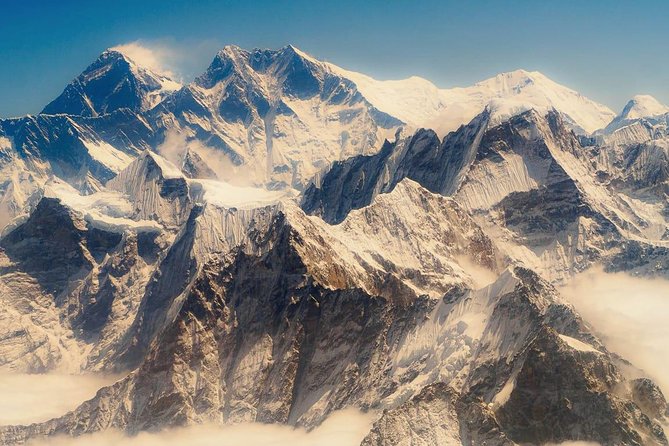
Your day starts early—5:15 am is the listed start time. That means hotel pickup happens before you’ve fully woken up, and it’s why the included transfer matters. You’re not trying to find a taxi in the dark or timing a ride with a flight window you don’t control.
You’ll also want to treat this like a morning flight, not a casual airport trip. Plan to be ready on time at your hotel, keep your boarding basics handy (ID, booking info), and accept that cold weather gear isn’t optional. The tour says it operates in all weather conditions, but that doesn’t mean you won’t feel the chill once you’re climbing.
Also, since this is a group flight with a maximum of 46 travelers, you’re more likely to get an organized flow than a chaotic scramble. Still, early starts are early starts. If you’re the type who hates mornings, this may be the only part that feels stressful.
Guaranteed window seat: your best chance at real photos
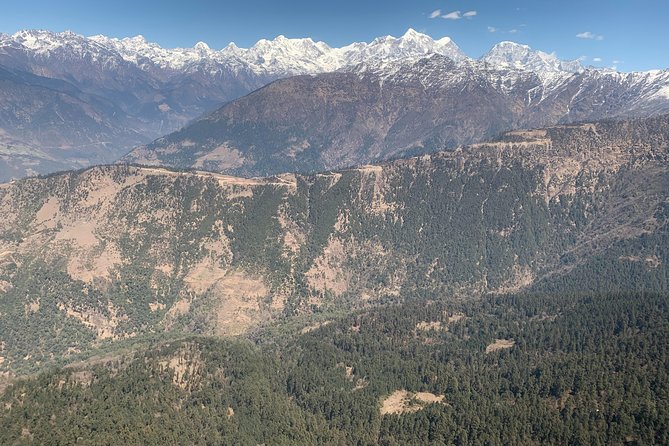
Most mountain flights are won or lost by access to the right seat. This experience is sold with a guaranteed window seat, which is a big deal for two reasons:
First, you’ll actually be able to frame the mountains without leaning over someone or negotiating for angles. Second, you’ll have consistent sightlines during the turns—when peaks often look best.
If you care about photos, bring a phone camera grip or a small support. Even on a smooth flight, you’ll still feel movement when the plane banks. Having your seat set from the start saves energy for the important part: watching for the specific peaks as they come into view.
From TIA Kathmandu into the peak zone
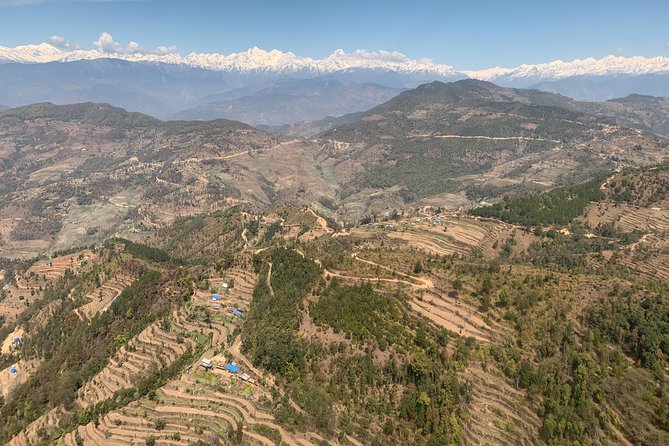
The plane departs from TIA, Kathmandu. The flight itself is usually about 50 minutes up to an hour, and the overall experience is listed as roughly 45 minutes to 1 hour. That’s the sweet spot: long enough for a meaningful sweep, short enough that you can keep your Kathmandu plans intact afterward.
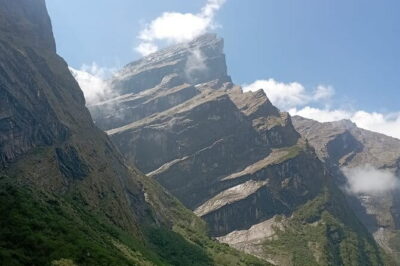
What makes the route interesting is how it’s staged. You’re taken eastward through a sequence of high peaks. The tour information describes it as seeing around 20 of the highest peaks east of Nepal. That matters because it turns Everest sightseeing into a guided “around the curve” experience, not just one random glance.
Starting point: the flight begins with a view near Langtang Lirung, described as the closest peak to Kathmandu in this route. From there, the plane moves toward Everest and continues onward to Chamlang.
Then the plane turns. That’s when you often catch a second, different angle of the same big stars—helpful for photos and helpful for understanding what you’re looking at.
The exact viewing arc: Langtang Lirung to Everest to Chamlang
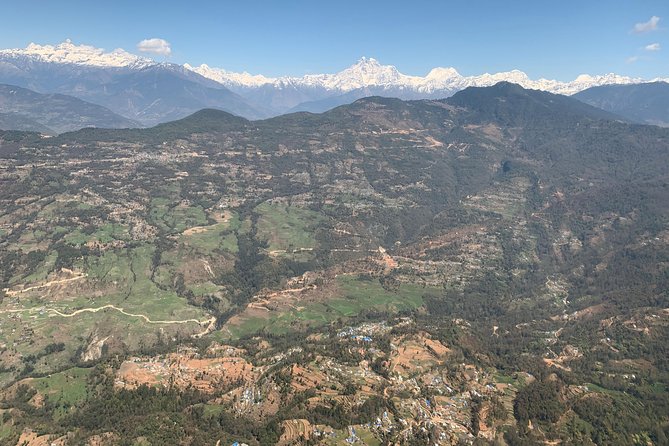
Let’s translate the route into what you’ll feel from the cabin.
You’ll see the first peaks as the plane settles into the eastward track. Langtang Lirung is specifically mentioned as the closest peak to Kathmandu in this viewing pattern. Seeing it early is useful because it gives you a reference point. Once you lock onto one major mountain in your line of sight, the rest of the peaks feel easier to identify.
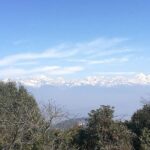
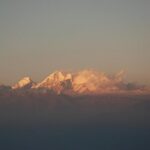
Next comes the Everest approach. The experience is built around getting you close to Mount Everest as the route swings through its section of the Himalaya. This is the part people remember because it looks like Everest is sitting inside the frame—not simply “some mountain far away.”
Finally, you continue toward Chamlang. That continuation is not just variety for variety’s sake. It helps show that Everest isn’t alone. You’re seeing a chain of major peaks, which makes the Himalaya feel real and connected rather than like a single headline mountain.
The second look on the way back is especially important. Peaks shift positions quickly as the plane turns and retraces. If you’re chasing the best angle for photos, that return leg is often your chance to refine your framing.
Crew support and the comfort factor (CRJ200 noted)
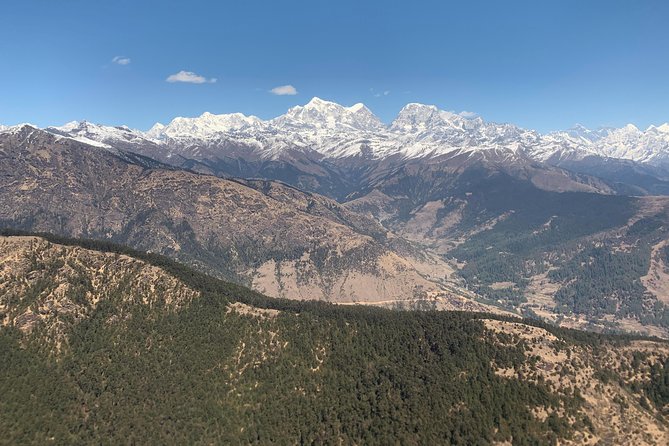
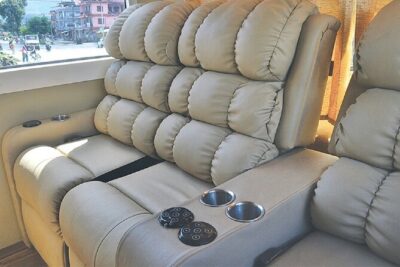
One review specifically mentions flying on a CRJ200, describing it as comfortable, and says the crew pointed out different peaks for the group. That’s exactly the kind of small detail that changes the whole experience.
Without crew guidance, you might still get great views, but you’re left trying to match what you see to names from a map. With crew help, you get a faster sense of where you are in the range. It’s also a morale boost in a short flight—you don’t waste minutes guessing.
If you’re the type who likes to know what you’re looking at, this is a strength. The experience is short, so any onboard explanation becomes more valuable.
Weather and what to wear for a “mountain flight” feel
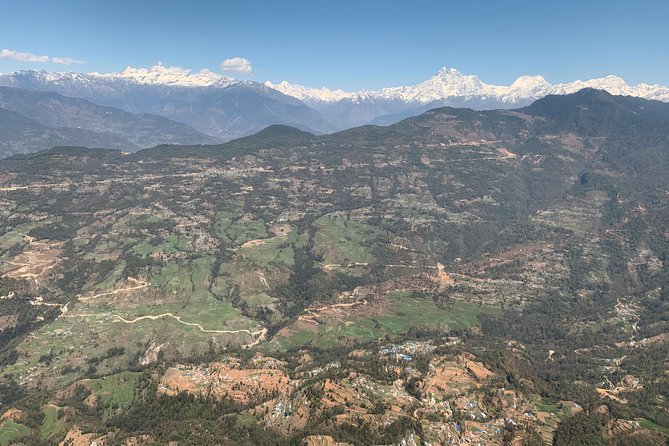
The tour says it operates in all weather conditions, and that you should dress appropriately. That lines up with how air travel in the mountains works: even if the flight goes, conditions at altitude can feel colder and sharper than Kathmandu streets.
I’d treat this as: wear warm layers you can keep on during the flight, not just a light jacket for the walk from your hotel to the car. Sunglasses also help—bright light and snow glare can make you squint and miss details through the window.
One more weather note: the experience requires good weather, and if it’s canceled due to poor conditions, you’ll be offered a different date or a full refund. So yes, it can run in many conditions—but it still isn’t guaranteed if skies are truly unsafe or unusable.
How much you’ll actually “get” in 50–60 minutes
Because the flight is brief, it helps to think about what outcomes you’re aiming for:
- If you want the Everest sight in your lifetime without a trek, this delivers it fast.
- If you want a learning experience, it gives you a guided sweep across major peaks you can later recognize on maps.
- If you mainly want “the perfect photo,” the guaranteed window seat helps, but you still need realistic expectations. Weather, cloud cover, and plane banking affect what’s visible.
The real win is that you’re not spending your whole day in transit. After this, you’ll still be in Kathmandu with enough time to explore, eat, and plan another activity.
Price and value: is $300 worth it?
Let’s be honest: $300 is a lot of money for a flight that’s under an hour. The value comes down to comparison.
You’re effectively buying:
- A specialized route through the best viewing direction (east of Nepal)
- Hotel pickup and drop-off
- A guaranteed window seat
- Crew assistance (peak-spotting is mentioned)
- A big visual payoff—around 20 highest peaks, including Everest and Chamlang
If you’re comparing this to multi-day trekking, $300 is dramatically less in time, risk, and logistics. If you’re comparing it to cheaper “just a flight” experiences, the difference is that this one is structured around peak sighting and gives you help spotting mountains.
It also costs you less than the real alternative for most people: waiting for clear trekking weather, spending weeks on the trail, and still hoping you get the Everest moment at the right time.
So I’d say: this is worth it if you’re time-limited and you really want Everest at first-hand sight. If you’re traveling on a tight budget and want to maximize every dollar, you may decide to put money into ground-based Nepal experiences instead.
Who this fits best (and who should think twice)
This experience fits best if you:
- Want Everest views fast while staying in Kathmandu
- Like the idea of a guided “route through the mountains” instead of random sightseeing
- Appreciate comfortable, organized service that removes morning stress
- Care about photos and will benefit from a window seat guaranteed
Think twice if you:
- Hate early mornings and long waits
- Are the type who needs total flexibility with plans (weather can affect flight operations)
- Expect a detailed ground-style guide and hours of interpretation (this is an air-view experience, not a museum tour)
Service that actually makes a difference
The reviews emphasize service quality, from first contact to early pickup and on-time drop-off. They also highlight kindness and helpfulness, and one name comes up clearly: Buddhi Bhatta, the owner. In at least one account, he’s described as communicating well and taking care of the group from hotel pickup to the airport for the sunrise flight to see Everest.
That’s not a small thing. When you’re leaving at dawn, the difference between an organized provider and a chaotic one is felt immediately. If Buddhi’s team style is consistent, you’ll likely find this tour less stressful than it sounds on paper.
Should you book this Everest Scenic Flight from Kathmandu?
If your checklist includes Everest visibility, short duration, and an organized pickup, I think this is a strong choice. The combination of guaranteed window seat, hotel transfers, and a route that’s built around major peaks (including Everest) makes it feel purpose-made rather than a generic sightseeing flight.
Book it if you’re in Kathmandu for a limited time and you want the Everest moment without paying with weeks of time. Hold off or plan a backup date if weather is a big concern for your schedule, because the experience still needs good conditions.
If you decide to go, treat it like a cold-air morning: dress warm, keep your camera ready, and trust the crew help. You’ll spend less time worrying about logistics—and more time watching the Himalaya do its thing.
FAQ
How long is the Everest Scenic Flight?
The flight is usually about 50 minutes to an hour, and the overall experience is listed as approximately 45 minutes to 1 hour.
Where does the flight depart from?
Planes take off from TIA, Kathmandu.
Is hotel pickup and drop-off included?
Yes. Hotel pickup and drop-off are included.
What is included in the price?
Included: hotel pick up and drop off, and the plane flight. Not included: personal expenses, travel insurance and evacuation insurance, and tipping.
Is a window seat guaranteed?
This package is specifically described as offering a guaranteed window seat.
What if weather is poor?
The experience operates in all weather conditions, but it also requires good weather. If it’s canceled due to poor weather, you’ll be offered a different date or a full refund.