REVIEW · FOOD
Kathmandu: Taste Nepali Food & Drink- Walking Tour in Thamel
Book on GetYourGuide →Operated by Relax Getaways Pvt. Ltd · Bookable on GetYourGuide
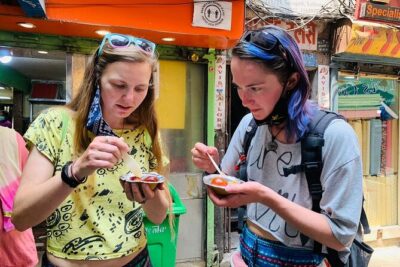
Street food is the fastest way to learn Kathmandu. On this 2-hour Thamel walk, you sample 9+ local foods with an English-speaking guide who knows the back streets.
The downside is simple: it’s not a fit for wheelchair users or for anyone with food allergies, and you’ll be walking through uneven market lanes for the full experience (no smoking allowed).
In This Review
- Key highlights worth showing up for
- Thamel Start: How the Tour Gets You Eating Quickly
- The Food Lineup: Momo, Chatamari, Sel Roti, and Newari Favorites
- Street Snacks and Drinks That Keep the Walk Going
- Markets Like Ason Bazaar and Indra Chowk: Where Food Meets Kathmandu Life
- The Practical Side: Pickup Points, Walking Shoes, and Tour Comfort
- Price and Value: What $10 Gets You (and Why It’s Fair)
- Who Should Book This Kathmandu Food Tour
- Should You Book This Thamel Walking Food Tour?
- FAQ
- What is the price of the Kathmandu Taste Nepali Food & Drink walking tour?
- How long is the tour?
- Where are the pickup locations?
- What kinds of foods and drinks are included?
- Are alcoholic drinks included?
- Does the tour support people with food allergies or wheelchair users?
Key highlights worth showing up for
- 9+ tastings in a short loop so you can try more than you’d order on your own
- Small group up to 6 people keeps it chatty instead of chaotic
- Newari-focused bites like chatamari, choila, and bara to get beyond generic street food
- Market stops that connect what you’re eating to spices, produce, and everyday life
- Street-snack classics plus drinks like panipuri, lassi, masala tea, and local coffee
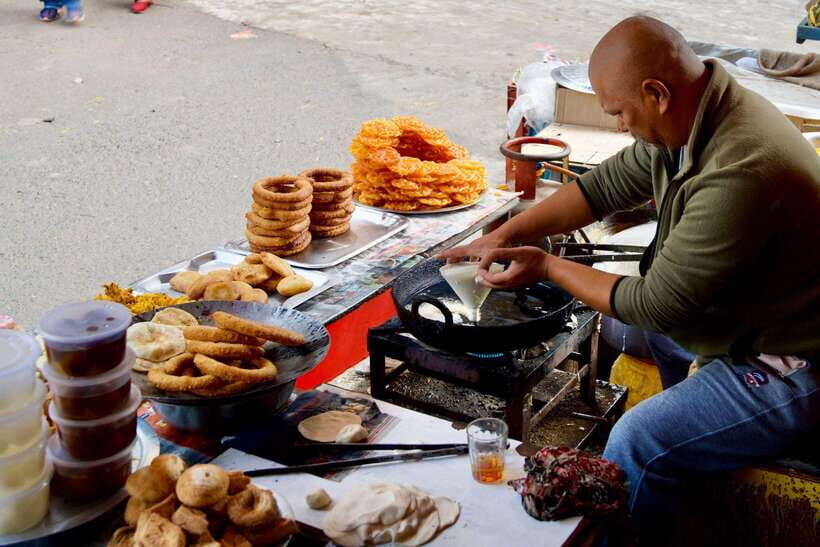
- Warm jalebi finish for a sweet end that feels like a ritual
Thamel Start: How the Tour Gets You Eating Quickly
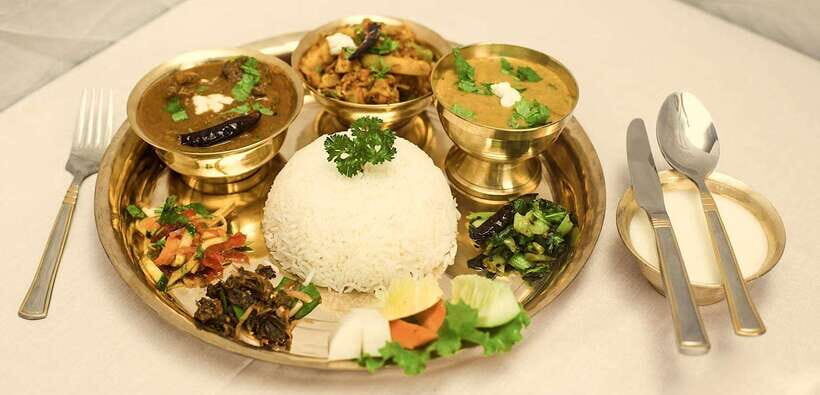
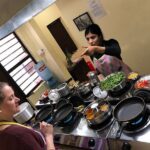
This tour is built for people who want food first, logistics second. You meet at one of four central pickup points—Pakanajol, Bhagwati Marg, Chhetrapati, or Z Street—then you head into the Thamel area where most visitors first land and locals do a lot of everyday errands. That matters, because you’re not starting your Kathmandu experience from a hotel desk. You’re starting in the flow.
From there, the pacing is simple: you walk, you snack, you drink, you repeat. And because the group is limited to 6 participants, you’re more likely to get a real conversation with your guide instead of a hurried Q&A. The guide also works in English and Hindi, which helps if you’re still building confidence with the city.
One thing I like about this format: it’s not just you eating. Your guide connects the dishes to what you’re seeing on the street—where ingredients come from, why certain foods show up in particular neighborhoods, and how Kathmandu’s food scene blends influences over time. You leave with more than a list of dishes. You leave with context you can use later, when you’re eating on your own.
You can also read our reviews of more walking tours in Kathmandu
The Food Lineup: Momo, Chatamari, Sel Roti, and Newari Favorites
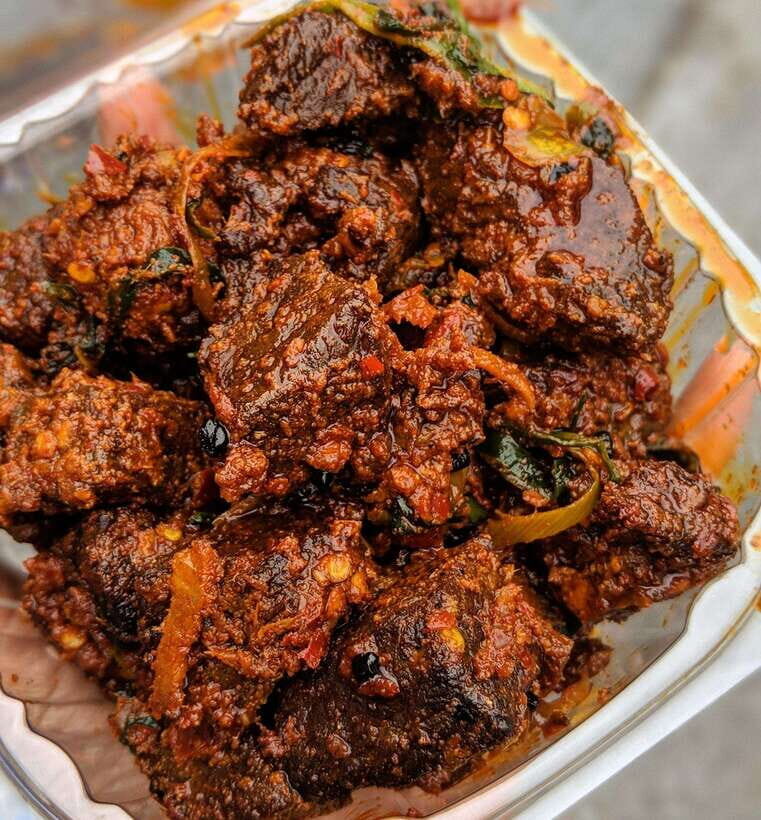
If you’re worried this will feel like a random tasting parade, don’t. The menu leans into Kathmandu specialties and Newari traditions—foods you can’t always track down by yourself on the first day.
Expect to see the classics that Kathmandu is known for:
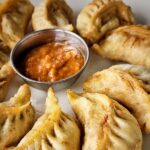
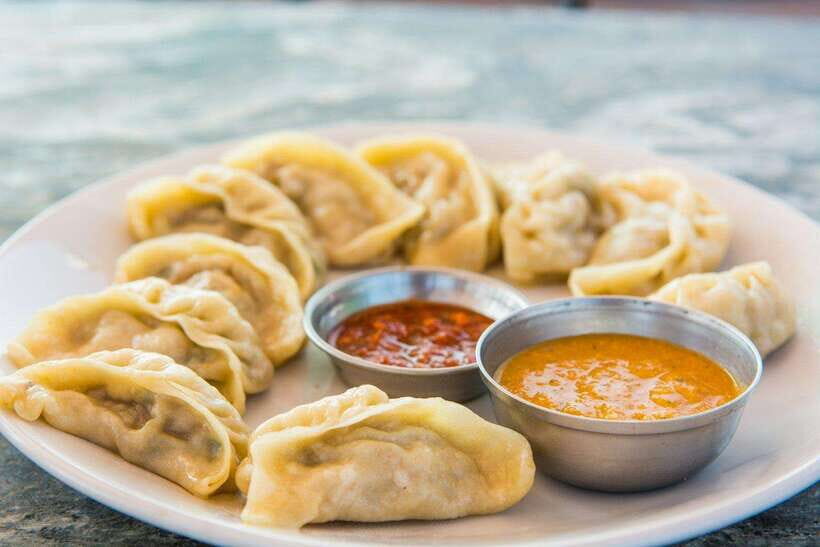
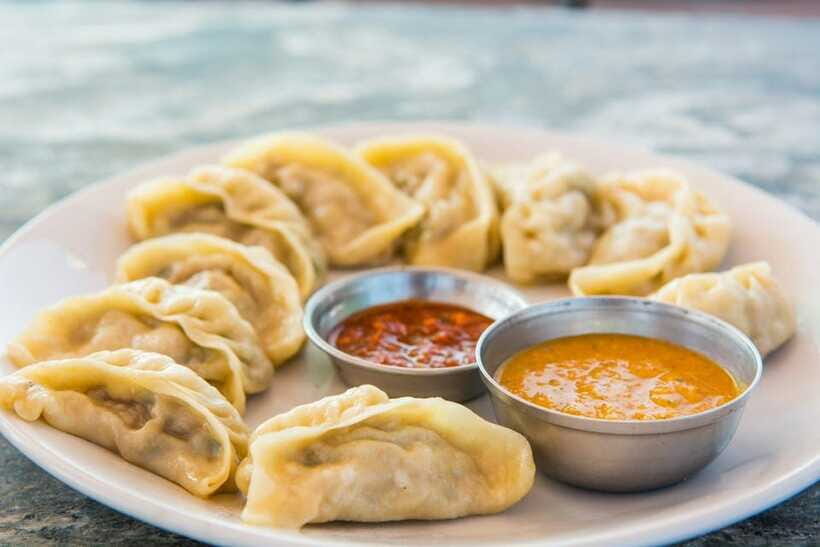
- Momo (juicy dumplings) and other Nepalese staples
- Chatamari, often described as Newari-style savory batter with toppings
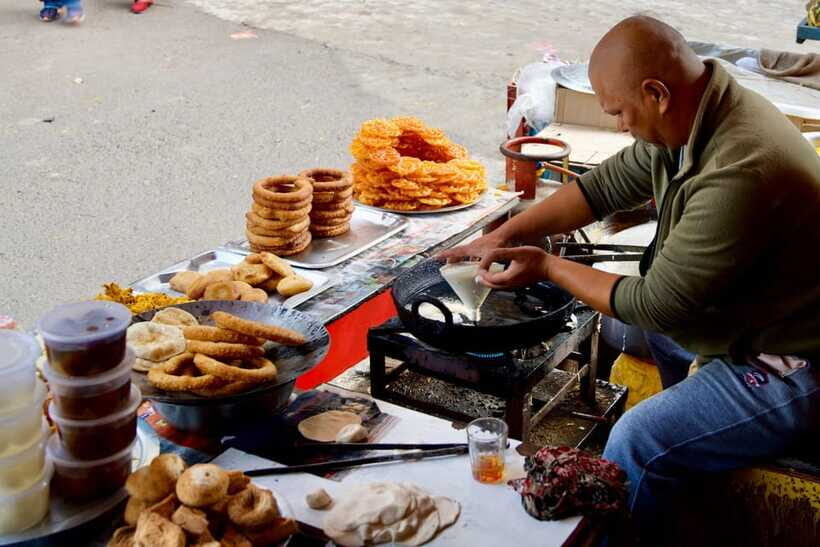
- Sel roti, a crispy, ring-shaped rice bread that’s eaten hot and is a great texture contrast to dumplings
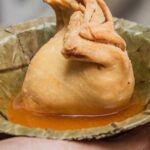
- Samosas, because they’re the dependable street-food shortcut to satisfaction
- Bara and choila, Newari dishes that shift the tour from “tourist snacks” to “local identity”
The Newari angle is one of the biggest reasons this walk works. Kathmandu isn’t a single-food city. It’s a layered food culture shaped by indigenous traditions plus influences that you’ll still taste today. When your guide points that out as you eat, it clicks fast. You start noticing patterns—spices, cooking styles, and how different communities celebrate food in everyday settings.
Also, you’ll be given 9+ local foods for tasting, not just two or three plates. That’s the practical win: you get a broad sampling without needing to make a bunch of decisions while you’re hungry and surrounded by menus.
Street Snacks and Drinks That Keep the Walk Going
Food tours in big cities can fail in one way: you get tired and thirsty but the plan doesn’t keep you fueled. This one does a better job of pacing your energy.
You’ll try local drinks such as:
- Lassi (a cool, yogurt-based drink that plays well with spicy food)
- Masala tea
- Locally brewed coffee
On top of the drinks, the walk includes well-loved snack territory. In plain terms, you’ll taste your way through what people actually grab while walking, waiting, or chatting.
Some of the street-food highlights on this tour include:
- Panipuri (tangy, crisp, and designed for quick bites)
- Chatpate (spicy-sour street flavor)
- Chow chow sadheko (another spicy street classic)
- Laphing (a Kathmandu noodle-type snack you may not see everywhere)
And the timing is smart: the tour isn’t only heavy food. It includes drinks and lighter bites so you don’t feel like you’re in a never-ending dumpling marathon. If you’re the type who gets stomach burn or thirst quickly, this drink portion is a real advantage.
One more detail I appreciate: the guide can adjust based on what you need. For example, one guide strength highlighted in real-life bookings is flexibility with vegetarian requests. If you have dietary needs, tell your guide early so they can plan your tasting route.
Markets Like Ason Bazaar and Indra Chowk: Where Food Meets Kathmandu Life
Here’s the thing about eating in Kathmandu: markets are part of the story. If you only taste dishes without seeing the ingredients behind them, it becomes food sampling. If you see the markets too, it becomes understanding.
This walk takes you past busy local shopping areas such as Ason Bazaar and Indra Chowk, and it also connects to other well-known spots like Basantapur. These are places where produce and spices move constantly. Even if you don’t buy anything, just watching how people choose ingredients gives you a better sense of what’s fresh and what’s popular.
Your guide uses those stops to do something rare on short tours: they connect the bite in your hand to the wider culture around it. You’ll learn how Kathmandu’s cuisines reflect a mix of Tibetan, Indian, and indigenous influences, and how Newari foods hold their own identity within that blend.
It’s also how you spot the difference between street food and street food culture. Street food is the food. Street food culture is the rhythm—who eats what, when they eat it, and how flavors travel from stall to stall.
The Practical Side: Pickup Points, Walking Shoes, and Tour Comfort
This is a walking tour through Kathmandu’s central areas. That sounds obvious until you’re on stone steps and narrow lanes with food smells everywhere and no easy place to rest.
A few practical points you should plan around:
- Bring comfortable shoes. You’re on foot the whole time.
- Bring water, plus sunscreen and a hat. Kathmandu weather can shift.
- Have a camera if you like street-level details—this area is full of everyday scenes.
- There’s no smoking allowed during the tour.
Pickup is included, but only from selected points: Pakanajol, Bhagwati Marg, Chhetrapati, or Z Street. You’ll need to get yourself to one of those meeting locations. If you’re staying outside the central zone, factor that in.
Group size is a big deal here. With up to 6 participants, you get a steadier flow at each stop and more time for questions. In one booking experience, the guide named Suresh was specifically praised for being friendly, easy to talk to, and patient with questions—food and non-food. That kind of guide energy matters, because it turns the tour from eat-and-go into learn-and-smile.
You can also read our reviews of more food & drink experiences in Kathmandu

Price and Value: What $10 Gets You (and Why It’s Fair)
At $10 per person for about 2 hours, the value comes from the structure: you’re not paying only for walking and conversation. You’re paying for a guide who brings you to places where food quality and variety are the point.
The strongest value signals:
- You get 9+ tastings, including both savory dishes and a sweet finish
- You get drink stops, which are often the difference between a cheap snack day and a full experience
- You get market access via a local guide, so you’re less likely to wander in circles hungry and confused
If you were to order 9 items independently in central Kathmandu, you’d almost certainly spend more than $10—especially once you add drinks. The tour also saves you the mental energy of figuring out where to go, what to order, and which stalls actually serve what the city is known for.
One more value note: the tour is designed for short time windows. If your schedule is tight and you want a big taste of Kathmandu without planning a full food crawl yourself, this is the kind of experience that fits.
Who Should Book This Kathmandu Food Tour
This tour is a good match if you want:
- A guided food path so you don’t waste your first evening guessing
- A small group experience
- A mix of Newari specialties and popular street snacks
- A short, practical way to see Thamel and key food markets nearby
It’s not the right choice if:
- You use a wheelchair (not suitable)
- You have food allergies (not suitable)
- You expect alcohol—alcoholic drinks aren’t included, so plan on non-alcoholic drinks from the tastings
If you’re traveling solo, this can still work well because the guide and group size make it easy to chat. If you’re a couple, you’ll likely enjoy the shared pace: enough stops to feel like a real tasting, not so many that you’re overwhelmed.
Should You Book This Thamel Walking Food Tour?
I’d book this if your goal is a high-return first taste of Kathmandu. The combination of 9+ tastings, Newari-focused dishes, and market context makes it more than a snack run. At $10 for a guided, food-centered evening, it’s a practical deal—especially if you’re short on time and you want variety without planning.
Skip it only if you’re dealing with food allergies, mobility constraints, or you know you don’t handle lots of small tastings in a short window. Otherwise, show up with comfortable shoes, drink a bit of water before you start, and let the guide lead. You’ll walk away with flavors you’ll recognize later when you spot the same dishes on menus around town.
FAQ
What is the price of the Kathmandu Taste Nepali Food & Drink walking tour?
The price is $10 per person.
How long is the tour?
The tour duration is 2 hours.
Where are the pickup locations?
Pickup is available from Pakanajol, Bhagwati Marg, Chhetrapati, or Z Street.
What kinds of foods and drinks are included?
You’ll get 9+ local foods for tasting, including dishes like momo, chatamari, sel roti, samosas, bara, and choila, plus drinks like lassi, masala tea, and locally brewed coffee. Street snacks can include panipuri and chatpate, and the tour ends with jalebi.
Are alcoholic drinks included?
No. Alcoholic drinks are not included.
Does the tour support people with food allergies or wheelchair users?
No. The tour is not suitable for wheelchair users or people with food allergies.